










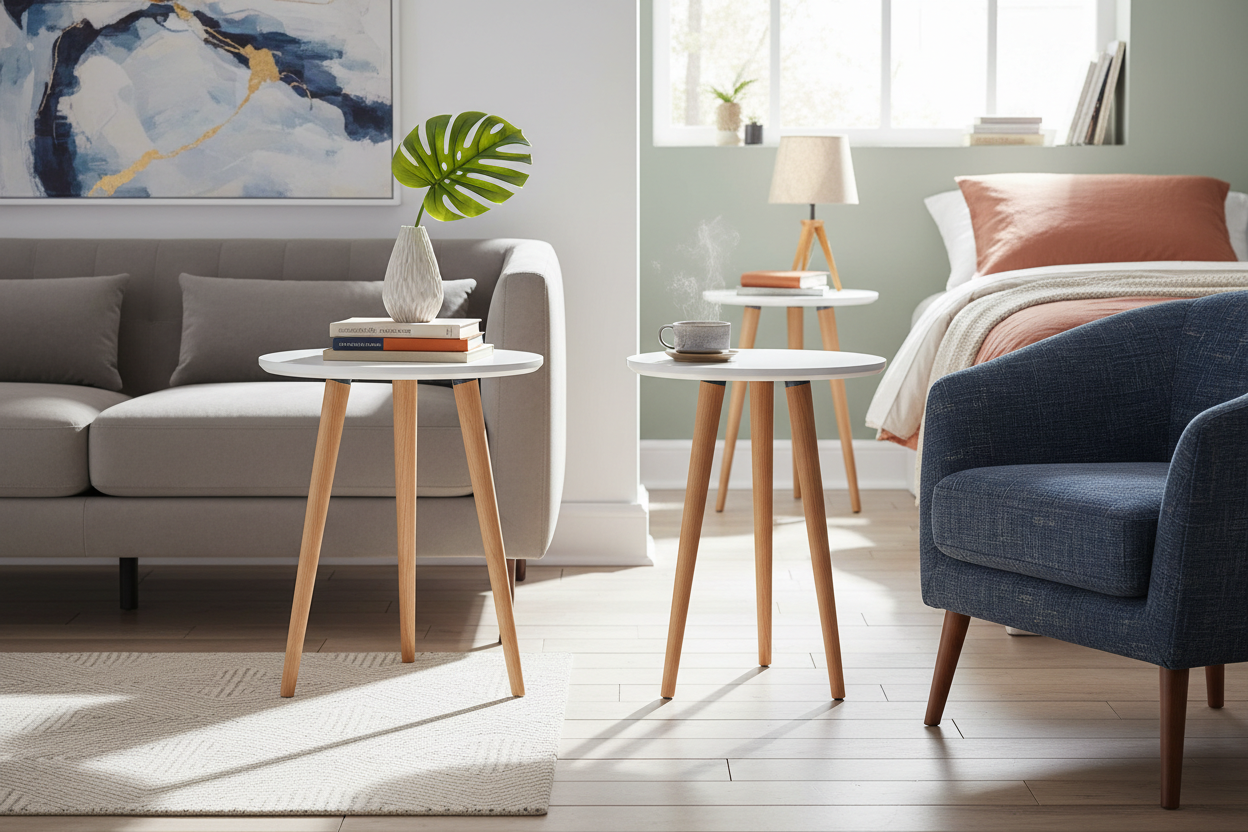
Interior design trends tend to swing violently from maximalist clutter to sterile minimalism, but certain pieces manage to survive every cycle. The white side table with wood legs is one of those rare survivors. It is the furniture equivalent of a white t-shirt and blue jeans: effortless, functional, and almost impossible to get wrong. Whether you are outfitting a first apartment or refreshing a curated living space, this specific combination of materials offers a balance that single-material furniture often lacks.
The appeal lies in the contrast. A solid white table can sometimes look too clinical or cheap, like plastic patio furniture brought indoors. Conversely, an all-wood piece can feel heavy or dark, especially in smaller rooms that lack natural light. By marrying a crisp, bright surface with the organic warmth of timber, you get a piece that reflects light while remaining visually grounded. It bridges the gap between modern and rustic.
A Lesson in Versatility: My Experience
I bought my first two-tone accent table roughly seven years ago for a cramped studio apartment. At the time, I wasn't thinking about "design cohesion"; I just needed something narrow enough to fit between a futon and a radiator. I chose a round white top with tapered oak legs because it looked airy. That table has since lived in four different homes.
It started as a coffee station, holding hot mugs that would have ruined a natural wood finish. Later, it served as a bedside table in a room with dark navy walls, where the white top provided a necessary pop of brightness. Currently, it sits in a hallway holding a heavy ceramic planter. The laminate top has survived spills that would have warped solid timber, and the wooden legs have aged beautifully, gaining a bit of character without looking worn out. That longevity is the real value of this design: it adapts to the room, rather than forcing the room to adapt to it.
The Scandi and Mid-Century Connection
You cannot discuss this furniture style without acknowledging its roots. The aesthetic is heavily borrowed from Nordic design principles, where light is a precious commodity. Scandinavian interiors prioritize bright, reflective surfaces to combat long, dark winters, but they always anchor that brightness with natural elements to maintain hygge (coziness).
Similarly, Mid-Century Modern enthusiasts gravitate toward the white side table with wood legs because of the silhouette. The legs are often tapered and angled outward—a hallmark of 1950s design. This leg structure isn't just for looks; it creates a wider base for stability while keeping the visual footprint small. Because the legs are slender and usually raised high off the ground, the floor remains visible beneath the table. This trick of the eye makes a cramped room feel significantly larger.
Choosing the Right Timber Tone
While the top is almost universally a matte or glossy white, the legs offer variety. The tone of the wood dictates the vibe of the room. Pale woods like ash, pine, or beech lean heavily into the modern, coastal, or nursery aesthetic. They are soft and unobtrusive. If you want something with more gravity, look for walnut or stained rubberwood legs. The dark timber against the white top creates a sharper, more graphic contrast that works well in industrial or masculine spaces.
Material Durability and Construction
Not all tables are created equal, even if they look identical in photos. When shopping for a white side table wooden legs combination, pay close attention to how the legs attach to the top. The most common point of failure is the bracket.
Cheaper models often screw the wooden legs directly into the MDF (Medium Density Fiberboard) top without a metal plate. Over time, if you drag the table across a rug, the threads can strip, leading to a wobbly surface. Look for tables where the legs screw into a metal mounting plate or a solid wood cross-frame. This ensures the piece can handle the weight of a heavy lamp or a stack of hardcovers without getting the "shakes."
Regarding the top surface, high-gloss lacquer looks premium but scratches easily. A matte laminate or melamine finish is generally more forgiving for high-traffic areas. If you plan to use the table as a plant stand, ensure the edge of the white top is sealed properly so that accidental water spills don't cause the material to swell.
Styling Your Table
The beauty of a white surface is that it acts as a blank canvas, but this can also be intimidating. A lone remote control on a stark white table looks messy, not styled. The key is grouping.
Use the "Rule of Three." Try a tall item (like a lamp or candlestick), a low item (a tray or book), and a living item (a succulent or small fern). The white background makes greenery pop vividly. If the table is in a bedroom, a brass or matte black lamp provides excellent contrast against the white surface. Avoid putting white ceramic decor directly on the white table unless there is a difference in texture; otherwise, the objects tend to disappear visually.
Maintenance and Care
Keeping the pristine look requires a little discipline. White surfaces show dust and coffee rings more than wood grain does. However, cleaning is straightforward. A damp microfiber cloth with a drop of dish soap usually handles everything from wine splashes to crayon marks.
The wooden legs require different care. Avoid using harsh chemical cleaners that you might use on the white top, as these can strip the varnish from the wood. If the legs are unfinished or oil-finished, they may need a fresh coat of wood oil every year or two to prevent drying out, especially if the table sits near a heating vent.
Where to Place Them Beyond the Living Room
We often default to placing these tables next to a sofa, but their footprint allows for more creative placement:
- The Bathroom: If you have a freestanding tub, a small water-resistant table is perfect for holding a book, a candle, or a glass of wine. The white matches standard porcelain fixtures, while the wood adds a spa-like warmth.
- The Nursery: Soft, rounded edges are common in this design style, making them safer for children's rooms. They work perfectly next to a nursing chair.
- The Entryway: A tall, narrow version can serve as a drop zone for keys and mail without blocking the flow of traffic in a narrow hall.
This furniture piece remains a bestseller for a reason. It refuses to be categorized into a single era or style, making it a safe investment for anyone who likes to change their decor frequently.
Frequently Asked Questions
Do white laminate tops stain easily from coffee or wine?
Generally, high-quality laminate or melamine tops are non-porous and resistant to staining if wiped up relatively quickly. However, cheaper porous paints can absorb liquids. It is always safer to use coasters, especially for hot beverages which can sometimes cause discoloration or "rings" on certain finishes.
Can I paint the wooden legs if I change my decor style?
Yes, solid wood legs are very easy to sand and paint or stain. If the legs are sealed with a glossy varnish, you will need to sand them down to the raw wood first to ensure the new paint adheres properly. This makes the table highly customizable.
Is this style suitable for a home with heavy antique furniture?
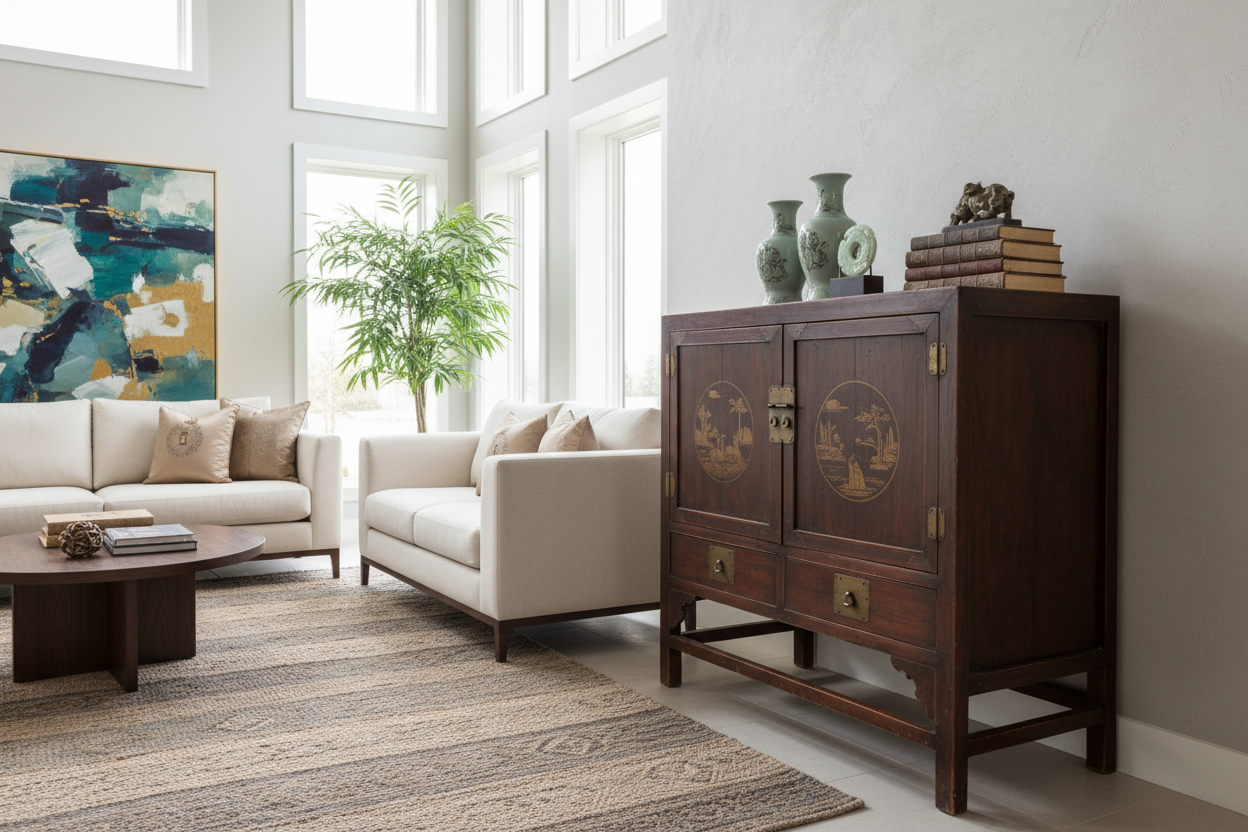
It can work as a transitional piece to lighten up a room full of heavy antiques. The wood legs can tie into your existing antique timber tones, while the white top provides a visual break from the dark wood, preventing the room from feeling too museum-like.

Leave a comment
This site is protected by hCaptcha and the hCaptcha Privacy Policy and Terms of Service apply.