










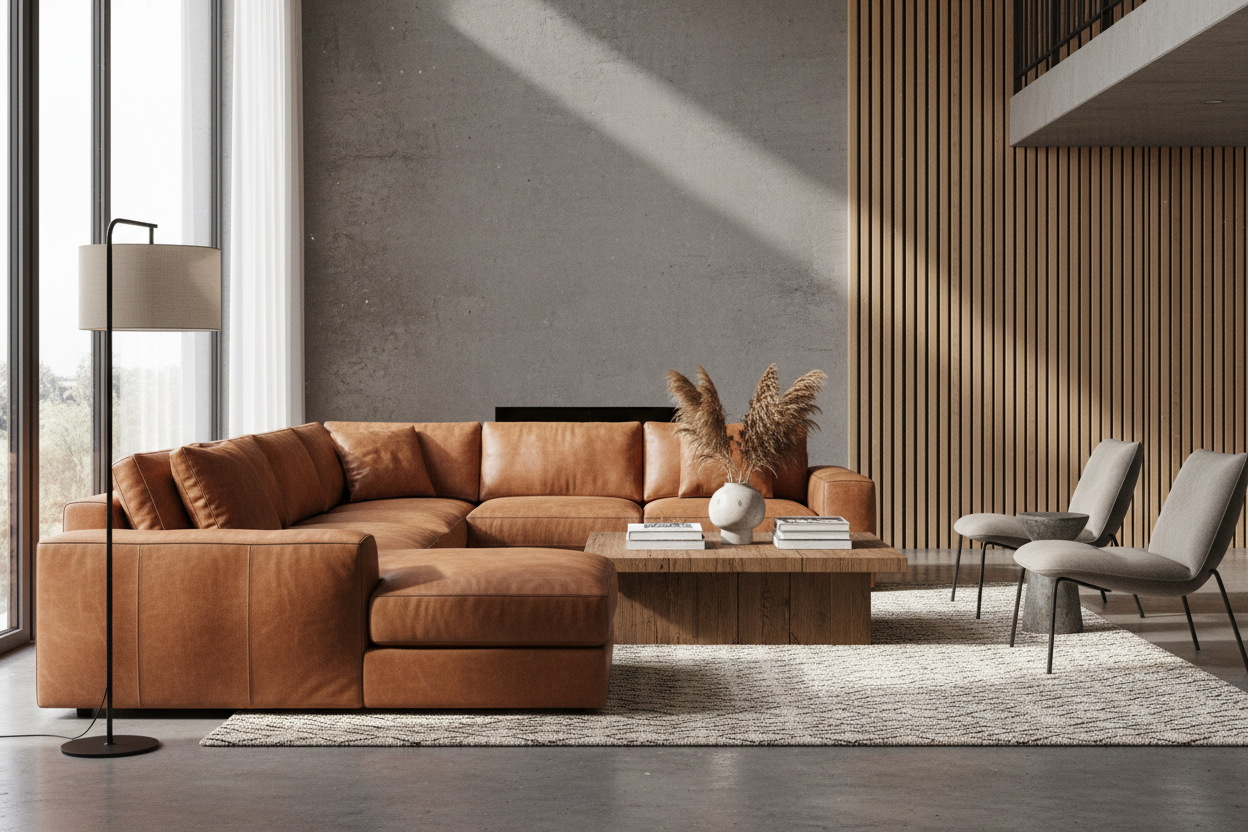
There is a specific heartbreak in the interior design world: seeing a client fall in love with a sofa that looks stunning in the catalog, only to watch it sag, peel, or crack within two years of daily use. In a disposable furniture market, the heavy duty leather couch stands as the antithesis to fast fashion for the home. It is not merely a seating arrangement; it is an architectural anchor. However, navigating the terminology between marketing fluff and genuine durability requires a trained eye. Below, I break down exactly what makes a sofa truly 'heavy duty' and how to ensure it elevates your living space rather than overwhelming it.
Key Features to Look For
- Leather Grade: Prioritize Full-Grain or Top-Grain leather. Avoid "Bonded" or "Genuine" leather if longevity is the goal.
- Frame Construction: Look for kiln-dried hardwood frames with reinforced corner blocks, not particleboard or stapled plywood.
- Suspension System: 8-way hand-tied springs remain the gold standard for weight distribution and shape retention.
- Cushion Fill: High-density foam (2.5 lbs or higher) wrapped in down or dacron prevents the dreaded "pancake" effect.
Decoding the Hide: Material Matters
When we discuss a heavy duty leather sofa, the conversation must start with the hide itself. Durability is directly correlated to the layer of the hide used. Many retailers use the term "heavy duty" loosely, but in the trade, we look for Full-Grain Leather. This is the outermost layer of the hide; it has not been sanded or buffed to remove imperfections. It is the thickest, strongest, and most moisture-resistant option available.
While Top-Grain is a respectable runner-up (and often softer initially), it has been sanded, which thins the material slightly. If you have large dogs or active children, Full-Grain is the only material that will develop a rich patina from scratches rather than deteriorating.
The Skeleton: Structural Integrity
A leather couch is heavy by nature; the frame must be robust enough to support not just the users, but the upholstery itself. A true heavy duty piece relies on kiln-dried hardwood (like maple or oak). The kiln-drying process removes moisture, preventing the wood from warping or snapping as the seasons and humidity levels change in your home.
Suspension and Ergonomics
The difference between a sofa that lasts 5 years and one that lasts 20 is usually in the suspension. I always check for 8-way hand-tied springs or high-gauge sinuous springs. This ensures that when you sit, the pressure is distributed across the entire chassis, preventing that sinking feeling where you slide into the middle of the couch.
Balancing Visual Weight in Your Layout
One design challenge with a heavy duty leather couch is that it can visually dominate a room. These pieces are substantial. To prevent your living room from feeling like a cave or a bachelor pad, you must balance the silhouette.
If the sofa is blocky with wide rolled arms, pair it with accent chairs that have exposed legs and lighter fabrics (like linen or boucle) to create negative space. If your flooring is dark wood, a light, high-pile rug is non-negotiable to separate the dark leather from the dark floor. This creates a necessary visual break and highlights the rich texture of the leather.
My Personal Take on Heavy Duty Leather Couches
I want to share a reality check from a project I completed last year in a converted loft. We installed a massive, aniline leather Chesterfield. It was undeniably "heavy duty"—it took four movers to get it up the stairs.
Here is the unpolished truth that brochures won't tell you: The "slide" factor is real during the first six months. Because the leather was high quality and hadn't been heavily treated with artificial grips, the clients initially found themselves sliding slightly when they slouched in sweatpants. It took about eight months of daily use for the leather to break in, soften, and develop that tactile grip that holds you comfortably. Furthermore, seeing the first scratch on a $5,000 sofa is terrifying. I had to teach the client to simply rub the scratch with their thumb; the natural oils from their skin darkened the scratch and blended it back into the hide. That is the beauty of heavy duty leather—it heals itself in a way that fabric never can.
Conclusion
investing in a heavy duty leather couch is a commitment to the long game. It requires a higher upfront cost and a patience for the break-in period, but the payoff is a piece of furniture that evolves with your home. It stops being just a place to sit and becomes a curated element of your family's history, bearing the marks of life while maintaining its structural dignity.
Frequently Asked Questions
How do I maintain a heavy duty leather sofa?
Dust it weekly with a microfiber cloth to prevent dirt from settling into the grain. Condition it every 6 to 12 months with a high-quality leather conditioner to keep the hide supple and prevent cracking. Avoid placing it in direct sunlight to prevent fading.
Is a heavy duty leather couch good for pets?
Yes, provided you choose Full-Grain or Distressed leather. These textures hide claw marks well, blending them into the patina. Avoid "corrected grain" or smooth, pigmented leathers where scratches will show as distinct, contrasting marks.
How do I know if a leather sofa will fit through my door?
Always measure the diagonal depth of the sofa. If the legs are removable (which they should be on high-end heavy duty models), this often reduces the height by 3-4 inches, allowing you to pivot the sofa around tight corners.


Leave a comment
This site is protected by hCaptcha and the hCaptcha Privacy Policy and Terms of Service apply.