










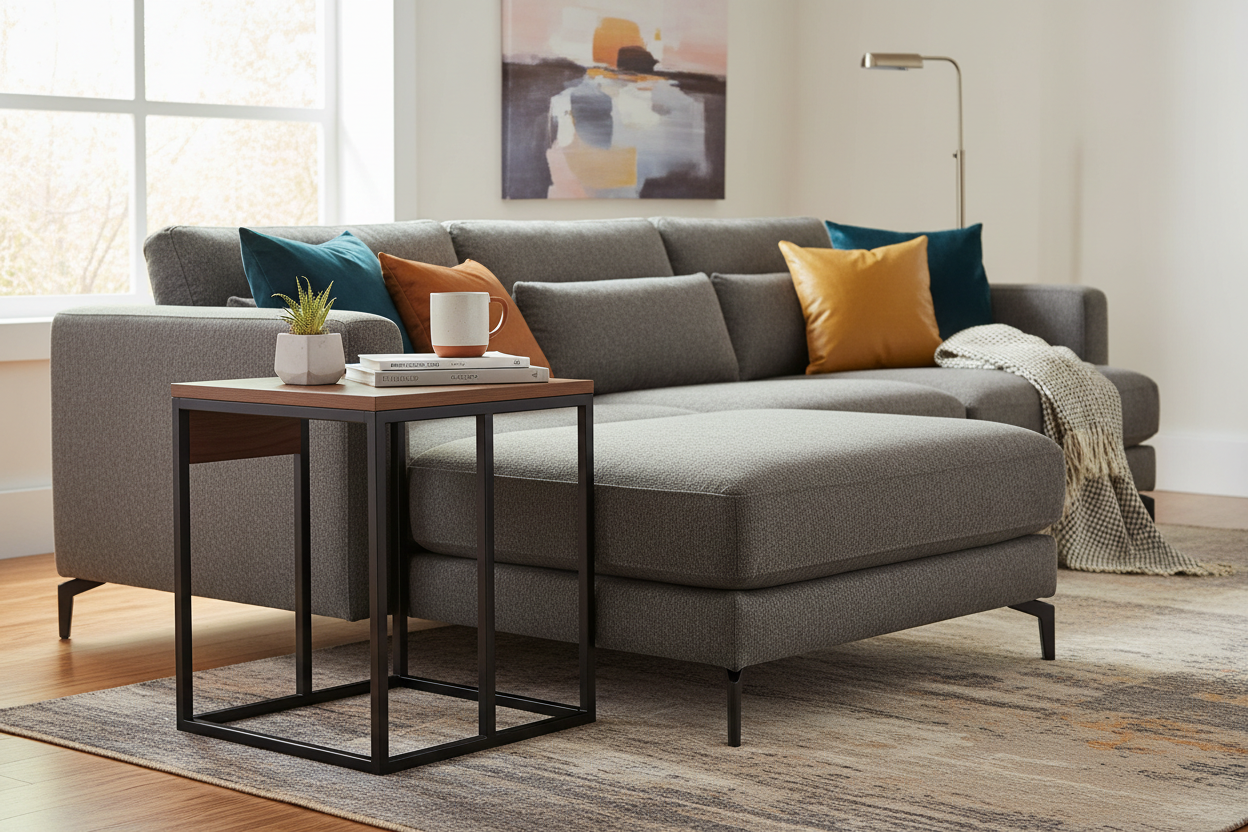
That awkward corner next to your sofa or the empty space beside your bed doesn't need to stay empty. A modern small side table can transform these overlooked areas into functional, stylish spots that actually make your daily life easier. Whether you're setting down your morning coffee, charging your phone overnight, or displaying a favorite plant, the right side table becomes one of those pieces you wonder how you ever lived without.
The beauty of contemporary side tables lies in their versatility. Unlike their bulkier predecessors, today's designs prioritize clean lines, space efficiency, and multi-functionality. You'll find options ranging from minimalist metal frames with glass tops to warm wooden pieces with hidden storage compartments. The modern approach means these tables work just as well in a 400-square-foot studio as they do in a spacious suburban home.
Choosing the Right Size and Proportion
Size matters more than you might think. A side table should typically stand within two inches of your sofa arm's height—this creates a natural, comfortable reach whether you're grabbing your reading glasses or setting down a drink. For bedroom nightstands, aim for a height that aligns with your mattress top, making it easy to turn off your alarm without fully sitting up.
The footprint is equally important. Measure your available floor space before shopping, but remember that a table between 18-24 inches wide works for most situations. Smaller options, around 12-15 inches, excel in tight spaces or as accent pieces. I learned this the hard way after purchasing a gorgeous walnut table that looked perfect online but completely overwhelmed my narrow hallway when it arrived.
Material Choices That Match Your Lifestyle
Metal and glass combinations dominate the modern aesthetic, offering an airy feel that prevents small rooms from feeling cluttered. These materials reflect light beautifully and pair well with both warm and cool color schemes. The downside? They show fingerprints and dust more readily than other options.
Wood brings warmth and texture to contemporary spaces. Look for pieces in walnut, oak, or ash with simple, geometric shapes rather than ornate detailing. The natural grain adds visual interest without competing with other design elements in your room. Engineered wood and veneer options provide similar aesthetics at friendlier price points, though solid wood typically offers better longevity.
Acrylic and lucite side tables have surged in popularity for their ghost-like quality. They provide surface space without visual weight, making them ideal for rooms where you want to maintain an open, uncluttered feeling. These work particularly well in small apartments or rooms with lots of existing furniture.
Storage vs. Open Design
The choice between open shelving and enclosed storage depends on your organizational habits and aesthetic preferences. Open designs showcase books, decorative objects, or baskets while maintaining that light, modern feel. They encourage you to curate what's on display rather than using the table as a catch-all.
Tables with drawers or cabinets hide clutter effectively, keeping remotes, chargers, medications, or reading materials within reach but out of sight. This becomes particularly valuable in living rooms or bedrooms where you want to maintain a serene, uncluttered appearance. Some clever designs incorporate both—an open lower shelf for display with a small drawer up top for essentials.
Placement Strategies for Maximum Impact
The classic position beside a sofa or bed isn't your only option. Consider placing a small modern table between two chairs to create an intimate conversation area. In an entryway, a compact side table provides a landing spot for keys and mail without blocking traffic flow.
Bedroom corners often go unused, but a small table there can become a dedicated spot for your morning routine—jewelry, watch, wallet, or a small lamp for ambient lighting. The key is thinking about your actual daily patterns and placing tables where they'll genuinely serve you rather than following rigid decorating rules.
Styling Your Modern Side Table
Less is more when styling contemporary furniture. A single statement piece—a sculptural lamp, a striking vase, or an interesting book stack—often looks better than multiple small items competing for attention. The table's design should shine through rather than disappearing under layers of decoration.
Height variation creates visual interest. If your table holds a lamp, balance it with something low like a small dish or a horizontal stack of two or three books. Plants work beautifully on side tables, bringing life and softness to geometric modern designs. Choose varieties that suit your light conditions and maintenance preferences—a low-light pothos or snake plant beats a high-maintenance fiddle leaf fig that struggles and looks sad.
Budget Considerations and Where to Invest
You can find modern small side tables at virtually every price point, from budget-friendly options under fifty dollars to designer pieces costing several hundred. The difference often comes down to materials, construction quality, and design details.
If you're working with a tight budget, prioritize stability and proportions over premium materials. A well-designed piece in engineered wood will serve you better than a wobbly solid wood table with poor construction. Mid-range options typically offer the best value, combining decent materials with thoughtful design at accessible prices.
For investment pieces, look at brands known for quality construction and timeless design. These tables should last decades rather than years, making the higher upfront cost worthwhile if you plan to stay in your home long-term or want furniture that moves with you through different spaces and style evolutions.
Common Mistakes to Avoid
Buying a table that's too small is surprisingly common. People worry about overwhelming their space, then end up with a tiny table that can't actually hold a lamp and a drink simultaneously. Trust your measurements and go slightly larger rather than smaller—you'll use the surface area.
Ignoring your room's existing style creates visual discord. A ultra-modern chrome and glass table might clash with your mid-century modern sofa or rustic farmhouse aesthetic. Look for pieces that bridge styles or share at least one element with your existing furniture, whether that's material, color, or design era.
Forgetting about maintenance needs leads to frustration. Glass tables in homes with young children or pets might spend more time being cleaned than enjoyed. Similarly, light-colored wood in high-traffic areas shows wear quickly. Choose materials that match your lifestyle and tolerance for upkeep.
Frequently Asked Questions
What's the ideal height for a side table next to a sofa?
Your side table should be roughly the same height as your sofa's armrest, give or take two inches. This typically falls between 24-26 inches tall. This height makes it comfortable to reach items without stretching or bending awkwardly while seated.
Can I use different side tables on each end of my sofa?
Absolutely. Mixing side tables adds personality and visual interest to your space, as long as they share some common element like similar height, material, or color tone. This approach often looks more collected and intentional than perfectly matched furniture.
How do I keep a small side table from looking cluttered?
Limit yourself to three items maximum on the table surface. Follow the rule of varying heights—one tall item, one medium, and one low. Regularly edit what's there, removing anything you don't actively use or genuinely love looking at.


Leave a comment
This site is protected by hCaptcha and the hCaptcha Privacy Policy and Terms of Service apply.