










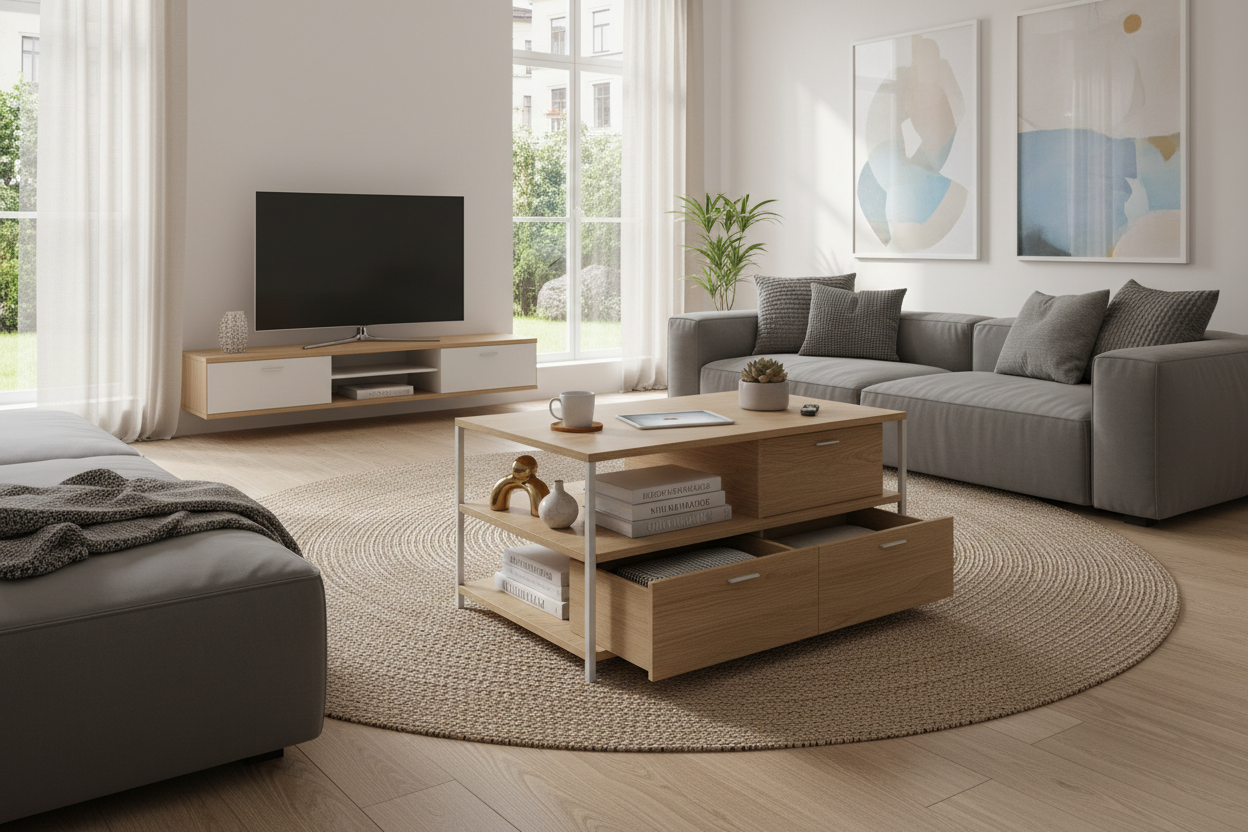
Living in a compact apartment taught me something valuable: furniture needs to earn its place. When I downsized from a spacious house to a 600-square-foot studio, I quickly realized that every piece had to serve multiple purposes. That's when I discovered the brilliance of short storage tables—those unassuming pieces that look like simple coffee tables or side tables but hide surprising amounts of storage underneath.
A short storage table is exactly what it sounds like: a low-profile table, typically ranging from 16 to 20 inches in height, designed with built-in storage compartments. Unlike traditional coffee tables that offer nothing but a flat surface, these clever pieces feature drawers, shelves, lift-top mechanisms, or hidden compartments beneath the tabletop. They're the furniture equivalent of finding extra pockets in your favorite jacket.
The beauty of these tables lies in their versatility. You can tuck away remote controls, magazines, board games, blankets, or even seasonal decorations—all while maintaining a clean, uncluttered living space. For anyone dealing with limited square footage, this dual functionality becomes absolutely essential.
Different Types of Short Tables with Storage
Not all storage tables are created equal. Some feature open cubbies that let you display decorative baskets or books, creating visual interest while keeping items accessible. Others come with enclosed drawers that hide clutter completely, perfect for those who prefer a minimalist aesthetic. Lift-top models are particularly ingenious—the entire surface raises to create a workspace or dining area, revealing a spacious storage cavity underneath.
Ottoman-style storage tables combine seating with storage, offering padded tops that double as extra seats when guests arrive. These work beautifully in small living rooms where every piece needs to multitask. Meanwhile, nesting tables with storage give you flexibility—pull them apart when you need extra surface area, stack them together to save space, and use the storage in the largest table for everyday items.
Materials and Design Considerations
The material you choose affects both durability and style. Solid wood options like oak or walnut bring warmth and longevity, aging gracefully over years of use. Engineered wood with veneer finishes offers similar aesthetics at a lower price point, though you'll want to check construction quality—dovetail joints and solid hardware indicate better craftsmanship.
Metal and glass combinations create a modern, airy feel that works well in contemporary spaces. The transparency of glass can make a room feel larger, while metal frames provide structural strength without visual bulk. Upholstered storage tables add softness and texture, particularly welcome in rooms with lots of hard surfaces.
Measuring Your Space
Before buying any short table with storage, measure your space carefully. The table should sit about two-thirds the length of your sofa, leaving enough room to walk around it comfortably. You'll want at least 14 to 18 inches between the table edge and seating for legroom. Don't forget to measure doorways and hallways—I once bought a perfect table that wouldn't fit through my apartment door.
Consider the storage opening mechanism too. Drawers need clearance to pull out fully, and lift-tops require vertical space. If you have a low-hanging light fixture or shelving above where the table will sit, a lift-top model might not work.
Maximizing Storage Efficiency
Once you've got your short storage table home, organization becomes key. Use drawer dividers or small boxes to create zones within larger compartments. This prevents the dreaded junk drawer effect where everything becomes a jumbled mess. I keep one drawer specifically for entertainment items—remotes, streaming device accessories, and charging cables all have designated spots.
Seasonal rotation helps maximize limited space. During winter, store summer items like outdoor entertaining supplies in the table, then swap them out when weather changes. Vacuum-sealed bags can compress bulky items like throw blankets, fitting more into the same space.
Label containers if you're using baskets or bins in open storage areas. This simple step saves time and keeps everyone in the household on the same page about where things belong. Clear acrylic organizers work particularly well because you can see contents at a glance.
Styling Your Storage Table
Just because a table offers storage doesn't mean it can't look beautiful. The surface still serves as a focal point in your living area, so style it thoughtfully. A simple tray corrals smaller items like candles or coasters, creating visual cohesion while keeping things organized.
The rule of three works well here—group items in odd numbers for a more natural, collected look. Try combining different heights and textures: perhaps a tall vase with fresh flowers, a stack of coffee table books, and a small decorative object. Leave some breathing room though; an overcrowded table defeats the purpose of having storage to reduce clutter.
Maintenance and Care
Different materials require different care approaches. Wood surfaces benefit from regular dusting and occasional conditioning with furniture polish to prevent drying and cracking. Avoid placing hot items directly on wood without coasters or trivets—heat rings are nearly impossible to remove completely.
For upholstered storage tables, vacuum regularly using an upholstery attachment to prevent dust buildup in fabric fibers. Treat spills immediately by blotting (never rubbing) with a clean cloth. Many modern fabrics come with stain-resistant treatments, but these wear off over time and may need reapplication.
Check hardware periodically. Drawer slides can accumulate dust and debris that affects smooth operation. A quick cleaning and light lubrication with silicone spray keeps mechanisms working smoothly. Tighten any loose screws or bolts before they cause bigger problems.
Budget-Friendly Options
Quality storage tables exist at every price point. Discount furniture stores and online retailers often carry functional options under $150, though you'll want to read reviews carefully and check return policies. Mid-range pieces between $200-$500 typically offer better construction and materials that will last longer.
Thrift stores and estate sales can yield amazing finds if you're willing to do minor refinishing work. I found my current storage table at an estate sale for $40—it needed new drawer pulls and a fresh coat of paint, but the solid wood construction was impeccable. A weekend project transformed it into a custom piece that looks far more expensive than it was.
DIY conversion is another option for the crafty. Adding storage to an existing table using baskets, installing a shelf underneath, or building a simple lift-top mechanism can transform basic furniture into functional storage solutions.
Frequently Asked Questions
What's the ideal height for a short storage table in a living room?
The standard height ranges from 16 to 20 inches, which should align roughly with your sofa seat height or sit slightly lower. This creates comfortable reach from a seated position while maintaining proper proportions in the room. If you plan to use the table for dining or working with a lift-top feature, ensure the raised height reaches about 26-30 inches.
Can short tables with storage work in bedrooms or home offices?
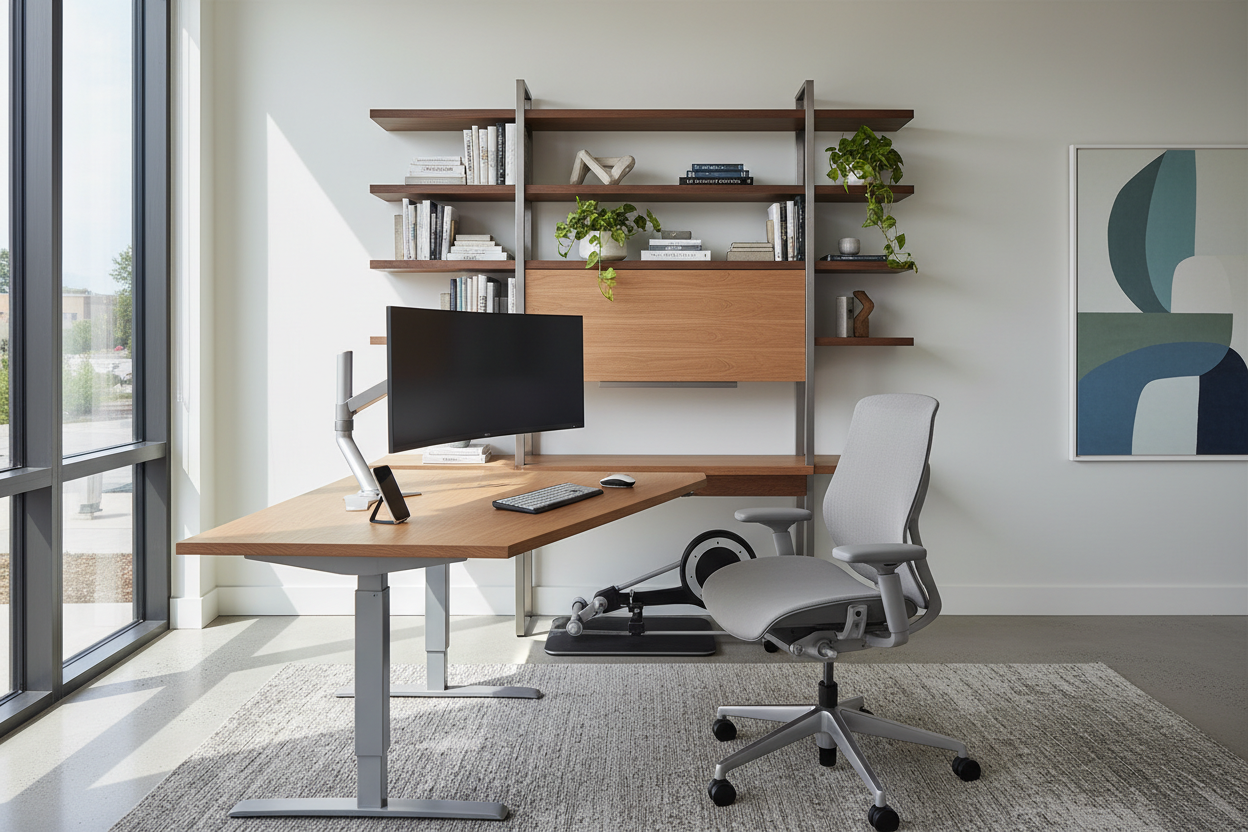
Absolutely. In bedrooms, they function beautifully as end-of-bed benches with storage for extra linens or out-of-season clothing. Home offices can use them as printer stands or supply storage, keeping necessary items close but hidden. The low profile makes them versatile enough for almost any room where you need surface area plus storage without the bulk of traditional furniture.
How much weight can a typical short storage table support?
This varies significantly based on construction quality and materials. Most well-built storage tables handle 50-100 pounds on the surface safely, while lift-top models may have lower weight limits when raised (typically 25-50 pounds). Always check manufacturer specifications, especially if you plan to use the table for heavy items like large TV components or as occasional seating.


Leave a comment
This site is protected by hCaptcha and the hCaptcha Privacy Policy and Terms of Service apply.