










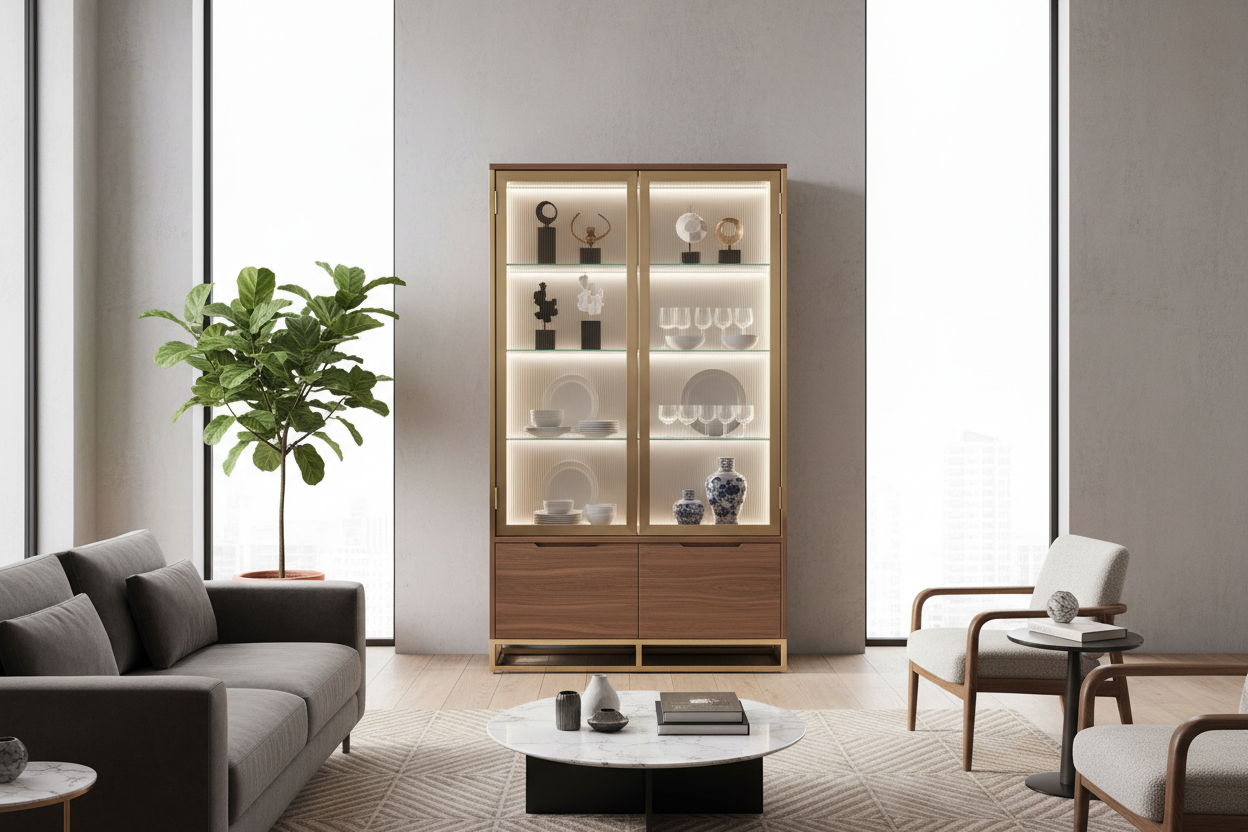
China cabinets have shed their grandmother's dusty reputation and emerged as sleek, functional centerpieces for contemporary homes. If you're searching for a modern china cabinet with drawers that complements your space rather than overwhelming it, you're part of a growing movement of homeowners rediscovering these versatile storage solutions. The question isn't whether you need one—it's finding the right design that balances display space with practical storage.
The transformation of the traditional china cabinet into something fresh and relevant happened gradually. Designers stripped away ornate carvings, replaced heavy dark finishes with lighter woods and mixed materials, and reimagined proportions to fit today's homes. What emerged is a modern chinese cabinet that respects the form's heritage while embracing minimalist principles and clean lines that work in spaces from lofts to suburban dining rooms.
What Makes a China Cabinet "Modern"?
The difference between vintage and contemporary pieces goes beyond age. A china cabinet modern design typically features geometric shapes, minimal ornamentation, and thoughtful use of negative space. Glass panels might be frameless or held by slim metal brackets instead of chunky wooden frames. Hardware is either deliberately absent or reduced to simple pulls in brushed metals.
Materials tell the story too. While wood remains popular, modern interpretations often combine it with metal frames, tempered glass shelving, or even concrete accents. The color palette has expanded dramatically—you'll find everything from natural oak and walnut to painted finishes in charcoal, white, or even bold accent colors that would have been unthinkable in traditional designs.
Finding the Right Size for Your Space
A dining room china cabinet modern enough for today's aesthetic needs to fit the actual dimensions of contemporary homes. Many newer houses have open floor plans where a massive hutch would create visual barriers. This is where thoughtful sizing matters.
For smaller dining areas or apartments, compact models with two or three shelves and a drawer base provide adequate storage without dominating the room. These typically measure 30-40 inches wide and work beautifully flanking a window or filling an awkward corner.
If you're blessed with generous square footage, a large modern china cabinet becomes an architectural statement. These pieces often span 60-80 inches wide and might incorporate multiple sections—display areas with glass doors, closed storage with solid panels, and drawer banks for linens and flatware. The key is maintaining those clean lines and avoiding the fortress-like presence of older styles.
Wood Species and Finish Considerations
A modern wood china cabinet offers warmth that metal and glass alone can't achieve. The species you choose dramatically affects the overall vibe. Walnut brings richness and sophistication with its chocolate tones and dramatic grain patterns. Oak, especially when finished naturally or with a light stain, creates a Scandinavian-inspired look that feels both timeless and current.
I recently helped a friend select a piece for her newly renovated dining room, and we spent considerable time examining different wood finishes. She ultimately chose a white oak cabinet with a matte lacquer finish that highlighted the grain without adding shine. The natural variations in the wood grain provided visual interest that would have been lost with a painted finish, and it complemented her mix of vintage and contemporary furniture perfectly.
Reclaimed wood has also entered the modern china cabinet conversation. These pieces tell a story through their weathered surfaces and occasional imperfections, adding character while maintaining contemporary silhouettes. The contrast between rustic material and sleek design creates tension that makes a room memorable.
Storage Features That Actually Matter
Drawers change everything. A modern china cabinet with drawers offers functionality that display-only pieces can't match. The bottom third of most cabinets works better as enclosed drawer storage anyway—this is where you'll keep table linens, serving utensils, and those items you need accessible but don't want on display.
Look for drawers with dovetail joinery and full-extension glides. These details separate furniture that lasts from pieces that frustrate. Soft-close mechanisms prevent slamming and protect your dishware from vibrations. Some designs incorporate felt-lined drawers specifically for silver storage, which prevents tarnishing and keeps pieces from scratching each other.
Upper shelving deserves equal attention. Adjustable glass shelves let you customize spacing for everything from delicate teacups to oversized serving platters. Interior lighting has become standard in quality pieces—LED strips or puck lights that illuminate your collection without generating heat that might damage finishes or glues.
Styling Beyond Traditional Dishware
The modern style china cabinet has evolved beyond its original purpose. Sure, you can display your wedding china, but these pieces now house everything from book collections to sculptural objects, plants, and even bar accessories.
Curating what goes inside requires a lighter touch than previous generations used. Rather than filling every shelf, embrace empty space. Group items in odd numbers—three vases of varying heights, five vintage cocktail glasses, a single striking ceramic piece. Mix textures and materials. Pair smooth porcelain with rough pottery, clear glass with colored pieces, old with new.
The back panel offers another opportunity. Some people wallpaper it for a pop of pattern. Others paint it a contrasting color that makes displayed items stand out. Leaving it the natural wood finish creates continuity and lets your objects take center stage.
Placement and Room Integration
Where you position your cabinet matters as much as which one you choose. The traditional spot against a dining room wall still works, but modern homes offer more flexibility. Try floating a cabinet as a room divider in an open plan space. This creates definition between areas while maintaining sightlines and allowing light to pass through glass sections.
Corner placement maximizes awkward spaces that are otherwise hard to furnish. Some manufacturers make corner-specific units with angled fronts that fit flush against two walls. These often feel less imposing than straight-front models of similar capacity.
In homes without formal dining rooms, these cabinets have migrated to living rooms, home offices, and even bedrooms. The versatility of contemporary designs means they adapt to different contexts. A sleek cabinet displaying books and travel mementos works as well in a study as one holding dishes works in a dining area.
Investment Considerations and Quality Markers
Prices range wildly, from a few hundred dollars to several thousand. Understanding what drives cost helps you make informed decisions. Solid wood construction costs more than veneer over particleboard, but it also lasts generations. Hand-applied finishes require more labor than spray-on options but typically look richer and age better.
Hardware quality reveals a lot about overall construction. Open and close doors and drawers multiple times. They should move smoothly without sticking or rattling. Glass should be tempered for safety. Joints should be tight with no gaps or wobbling.
Brand reputation matters in furniture. Companies that stand behind their work offer warranties and have customer service infrastructure to address issues. Reading reviews from actual buyers reveals problems that might not be apparent in a showroom.
Maintenance and Long-Term Care
Modern finishes generally require less maintenance than traditional ones. Most can be cleaned with a slightly damp microfiber cloth. Avoid commercial furniture polishes that build up over time and attract dust. For wood surfaces, an occasional application of furniture wax maintains luster without creating residue.
Glass shelves and doors show fingerprints and dust readily. A vinegar-water solution or glass cleaner keeps them clear. Remove items periodically to clean thoroughly rather than trying to clean around them.
Protect wood surfaces from direct sunlight, which fades finishes and can cause warping. If your cabinet sits near a window, consider UV-filtering film or strategic curtain use during peak sun hours.
Frequently Asked Questions
How deep should a modern china cabinet be?
Most modern china cabinets range from 14 to 18 inches deep, which accommodates standard dinner plates (typically 10-12 inches) while maintaining a streamlined profile. Deeper cabinets (20+ inches) offer more storage but can make rooms feel cramped and make items in back harder to access.
Can I use a china cabinet in a small apartment?
Absolutely. Look for narrow models (30-36 inches wide) with glass doors and open shelving, which maintain visual lightness. Wall-mounted or floating designs eliminate the visual weight of a base, making them perfect for tight spaces. Choose pieces with legs rather than solid bases to allow light underneath.
What's the difference between a china cabinet and a hutch?
China cabinets are typically standalone pieces with glass doors for display, while hutches have two sections—a lower cabinet or sideboard base with an upper shelving unit. Modern designs blur this distinction, with many hybrid pieces incorporating elements of both styles.

Leave a comment
This site is protected by hCaptcha and the hCaptcha Privacy Policy and Terms of Service apply.