










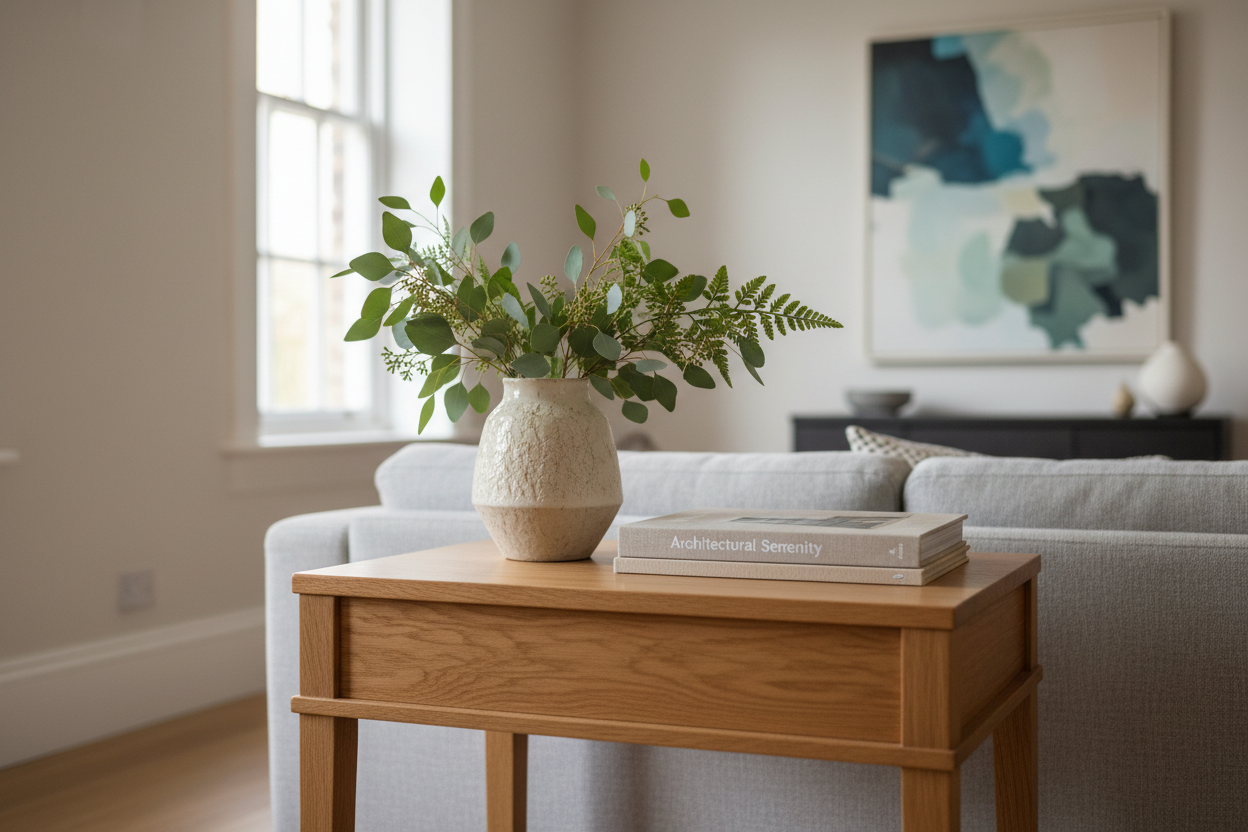
Oak side tables have been gracing living rooms for generations, and there's a good reason they remain a top choice for homeowners and interior designers alike. The natural grain patterns, durability, and versatility of oak make it an investment piece that adapts to changing décor trends while maintaining its timeless appeal.
Whether you're furnishing a new home or refreshing your current space, understanding the different styles and finishes available will help you select a piece that complements your lifestyle and aesthetic preferences.
The Enduring Appeal of Light Oak Finishes
A light oak side table with drawer offers both beauty and practicality. The pale, honey-toned finish brightens rooms and pairs beautifully with neutral color schemes, while the drawer provides essential storage for remote controls, reading glasses, or other living room essentials. This combination makes it particularly popular in Scandinavian and coastal design schemes.
For those working with smaller spaces, small light oak end tables deliver the same warm aesthetic without overwhelming compact rooms. These pieces typically measure between 16 to 20 inches in width, making them ideal for apartments or cozy reading nooks. The lighter finish also creates an illusion of more space, which is why many designers recommend them for rooms with limited natural light.
I recently helped a friend choose furniture for her first apartment, and we settled on a light oak round side table for her living room. The circular shape softened the angular lines of her modern sofa, and the light finish made her 300-square-foot space feel considerably more open. Six months later, she still mentions how that single piece transformed the room's atmosphere.
Medium Tones for Balanced Sophistication
A medium oak side table strikes a perfect balance between light and dark wood tones. This middle-ground finish shows off oak's distinctive grain patterns while providing enough contrast to stand out against both light and dark upholstery. The versatility of medium oak means it transitions seamlessly between traditional and contemporary settings.
These pieces work particularly well in transitional homes where classic and modern elements coexist. The natural warmth prevents spaces from feeling too sterile, while the clean lines of contemporary designs keep rooms from appearing dated.
Bold Contrasts with Black Accents
An oak and black side table represents the perfect marriage of natural warmth and industrial edge. These pieces typically feature oak tops with black metal frames or black-painted wood legs, creating visual interest through material contrast. This style has surged in popularity as homeowners embrace mixed-material furniture that adds depth to their interiors.
The combination works exceptionally well in modern and industrial-style homes, where the black elements echo other fixtures like lighting, window frames, or shelving brackets. The oak component prevents these pieces from feeling too cold or austere, maintaining a welcoming atmosphere.
Unique Shapes and Configurations
An oak drum table offers a departure from traditional rectangular or square designs. These cylindrical pieces, often featuring a pedestal base, serve as sculptural elements that double as functional furniture. The drum shape provides a 360-degree view of oak's beautiful grain, making it a conversation starter in any room.
For those who prefer coordinated furniture, an oak end table set eliminates the guesswork of matching pieces. These sets typically include two identical tables, perfect for flanking a sofa or placing on either side of a bed. Purchasing a set also ensures consistent finish and quality across pieces.
Traditional Styling That Stands the Test of Time
Traditional oak end tables feature classic design elements like turned legs, carved details, and rich finishes that reference furniture-making heritage. These pieces often include practical features such as lower shelves or drawers with decorative hardware. While the term "traditional" might suggest outdated, these designs continue to resonate because they're built on principles of proportion and craftsmanship that remain relevant.
These tables work beautifully in formal living rooms, libraries, or any space where you want to create a sense of established elegance. They pair naturally with leather furniture, oriental rugs, and classic lighting fixtures.
Modern Interpretations for Contemporary Spaces
A modern oak lamp table reimagines this classic material through minimalist design principles. Clean lines, geometric shapes, and absence of ornamental details characterize these pieces. Despite their simplicity, they showcase oak's natural beauty through careful joinery and finish work.
These tables often feature innovative storage solutions, such as hidden compartments or integrated charging stations, blending form with contemporary function. The modern approach to oak furniture proves that traditional materials can feel fresh and current when designed with today's lifestyles in mind.
Choosing the Right Size for Your Space
Small oak side tables for living room use typically range from 18 to 24 inches in height, positioning them perfectly beside sofas and chairs. The width and depth matter just as much as height—you want enough surface area for a lamp, drink, and perhaps a book, without the table overwhelming your seating arrangement.
Consider the scale of your existing furniture. A delicate side table next to an oversized sectional will look lost, while an overly substantial piece beside a streamlined modern chair creates visual imbalance. Measure your space before shopping, and don't forget to account for drawer clearance if you're considering pieces with storage.
Caring for Your Oak Investment
Oak's density makes it naturally resistant to scratches and dents, but proper care extends its life and beauty. Dust regularly with a soft cloth, and clean spills immediately to prevent water rings. Use coasters and placemats to protect the surface, and avoid placing your oak table in direct sunlight, which can cause uneven fading over time.
Every few months, apply a quality furniture polish or wax appropriate for your table's finish. This maintains the wood's luster and provides an additional protective layer. With minimal maintenance, oak side tables can serve your family for decades, often improving in character as they age.
Frequently Asked Questions
What's the difference between light oak and medium oak finishes?
Light oak showcases the wood's natural pale honey tones with minimal staining, creating an airy, Scandinavian feel. Medium oak involves slightly darker staining that emphasizes the grain patterns while maintaining warmth, offering more contrast against light-colored walls and fabrics.
Can I mix different oak finishes in the same room?
Absolutely. Mixing light and medium oak tones adds visual interest and prevents a room from looking too matchy. The key is ensuring the pieces share similar undertones—either warm or cool—and balancing the distribution so one finish doesn't overwhelm the other.
How do I know if a side table is real oak or veneer?
Check the edges and underside of the table. Solid oak will show continuous grain patterns across all surfaces, while veneer reveals a different material (usually plywood or MDF) on edges and underneath. Both can be quality pieces, but solid oak typically commands higher prices and offers greater longevity.

Leave a comment
This site is protected by hCaptcha and the hCaptcha Privacy Policy and Terms of Service apply.