










There is a distinct difference in the sound a cabinet door makes when it closes. The hollow, plastic-like thud of particleboard tells one story, while the deep, resonant click of a natural wood storage cabinet tells another. Choosing furniture is rarely just about filling a space; it is about investing in pieces that can survive daily use, multiple moves, and changing trends. While engineered wood and laminates have their place in budget-friendly decor, they often lack the structural integrity and warmth that genuine timber provides.
Solid wood storage furniture brings a living element into a room. The grain patterns are unique to every board, meaning no two pieces are identical. Beyond aesthetics, the primary reason to choose solid wood is longevity. A well-made oak or walnut cabinet does not just hold your belongings; it anchors the room. If a scratch appears, it can be sanded and refinished. If a hinge loosens, the screw has real material to bite into, rather than crumbling sawdust. This repairability is what makes real wood an heirloom rather than a disposable commodity.
The Reality of Durability: A Personal Perspective
My appreciation for quality materials was born out of frustration. Years ago, I outfitted my home office with a set of flat-pack, laminate bookcases. They looked sleek enough in the photos, but within six months, the shelves began to bow under the weight of my hardcover books. The back panels, which were essentially cardboard, popped out every time I shifted the unit. It felt temporary and cheap.
I eventually replaced them with a vintage solid wood storage unit I found at an estate sale. It was heavy—brutally heavy—and required two people to move. But once it was in place, it didn't wobble. The shelves remained perfectly straight regardless of the load. That experience shifted my perspective entirely. I realized that paying more upfront for solid timber actually costs less over a decade because you aren't constantly replacing failing furniture. That piece has since moved with me to three different houses, adapting to each new space with a coat of oil or a quick polish.
Choosing Between Display and Concealment
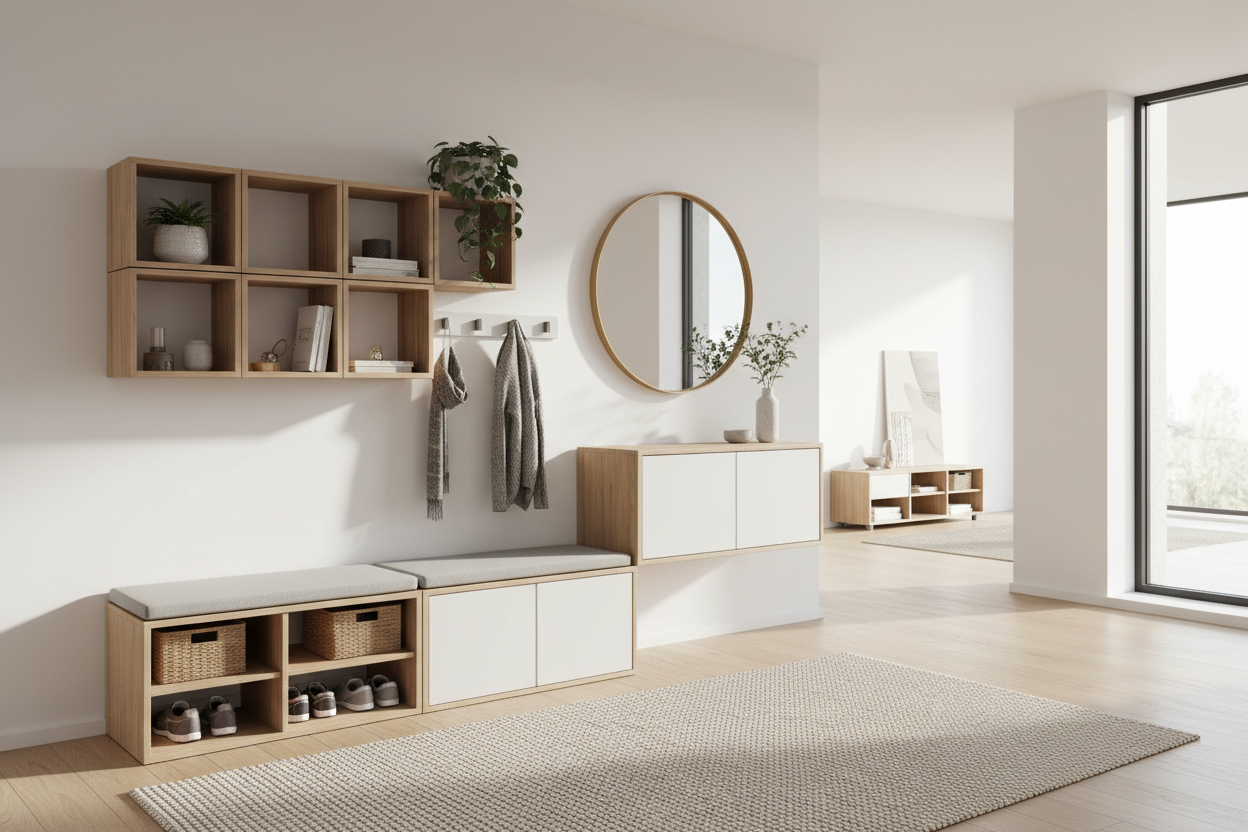
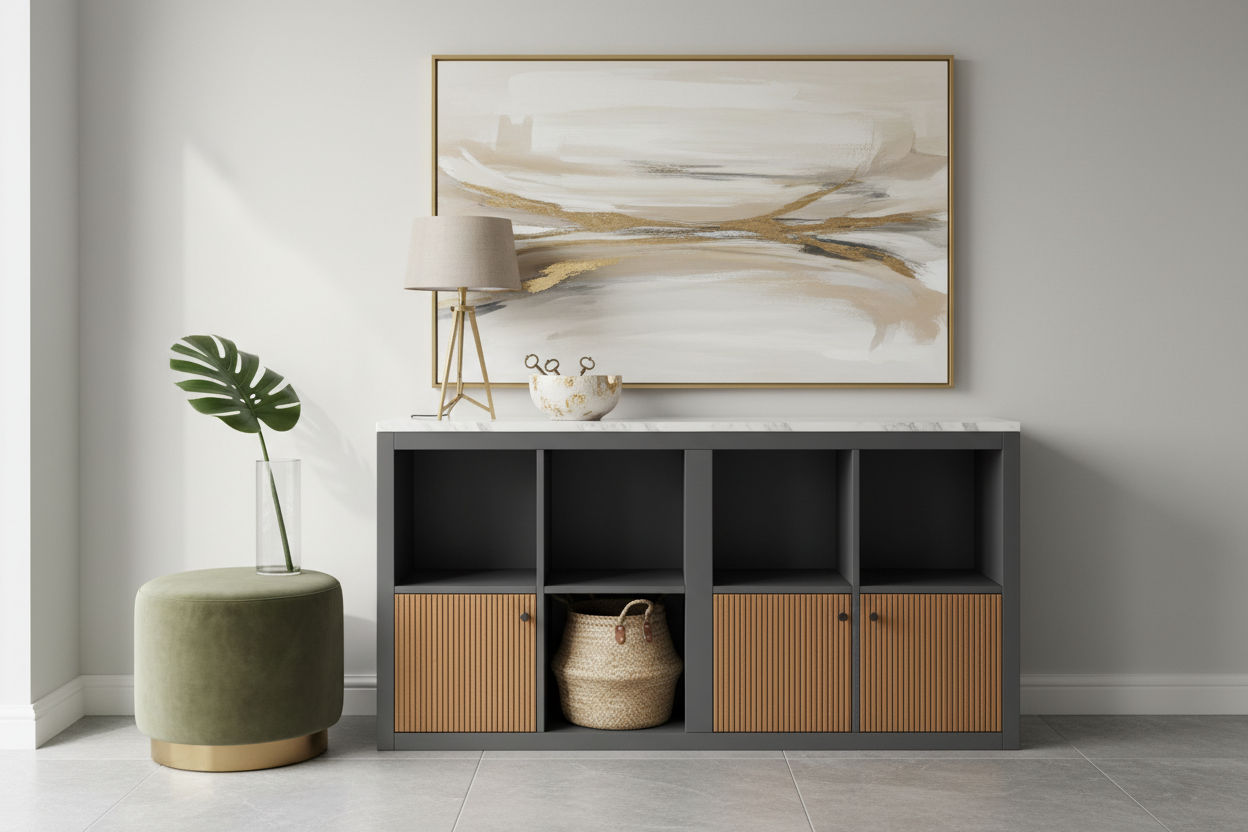
When selecting cabinetry, the first decision usually revolves around visibility. Do you want to hide the clutter, or highlight a collection? For general household items—linens, board games, or paperwork—solid wood storage cabinets with doors are the most practical solution. A solid door creates a visual calm. It allows you to maximize the interior space without worrying about how organized the contents look. The natural grain of the wood becomes the artwork, adding texture to the room without adding visual noise.
However, dining rooms and living areas often call for a lighter touch. This is where solid wood storage cabinets with glass doors and shelves excel. These pieces, often referred to as curios or china cabinets, protect delicate items from dust while keeping them on display. The combination of sturdy wood framing with the transparency of glass creates a beautiful contrast. It is particularly effective for showcasing pottery, books, or family heirlooms. The glass prevents the unit from feeling too heavy or imposing, which can sometimes happen with large, all-wood furniture.
Going Vertical in Compact Spaces
Floor space is often the most limited resource in modern homes. When you cannot build out, you must build up. Tall solid wood storage cabinets offer a solution that maximizes volume without dominating the footprint of a room. A narrow, high cabinet can slip into corners or alcoves that would otherwise be wasted space.
In a bathroom or a narrow hallway, a vertical linen tower made of teak or cedar resists humidity better than MDF, which tends to swell when exposed to moisture. In a kitchen, a tall larder unit can replace feet of missing countertop cabinetry. The structural strength of solid wood is vital here; tall units need to be rigid to prevent racking or tipping, and genuine timber joinery provides that stability.
Elevating the Home Office
Workspaces have evolved. The sterile, gray metal filing cabinets of the corporate world rarely fit the aesthetic of a home office. Integrating solid wood office storage cabinets changes the atmosphere of a workspace from clinical to comfortable. Natural materials have a way of softening the harshness of technology. A cherry wood lateral file or a mahogany credenza adds warmth that balances out monitors and plastic peripherals.
Beyond looks, wood absorbs sound better than metal or glass, contributing to a quieter acoustic environment. Whether you are storing sensitive documents or organizing tech accessories, doing so in a substantial wooden piece feels more permanent and secure. It turns the office into a room you actually want to spend time in, rather than just a utility space.
The Charm of Smaller Pieces
Not every storage solution needs to be a massive armoire or a wall-to-wall unit. There is immense utility in a solid wood small cupboard. These versatile pieces act as chameleons in interior design. A waist-high cupboard can serve as a nightstand in a large bedroom, a printer stand in an office, or a liquor cabinet in the dining room.
Because they are smaller, these cupboards are often where you can experiment with more exotic wood types or intricate designs without overwhelming the room. A small cabinet in reclaimed pine brings rustic charm, while one in polished rosewood adds a touch of mid-century elegance. They are easy to move and repurpose as your needs change, making them one of the most flexible investments you can make for your home.
Identifying Genuine Quality
The term "wood" is used loosely in furniture marketing. To ensure you are getting a true solid wood storage unit, you need to look closer. Check the drawer construction. Dovetail joints—where the wood interlocks like puzzle pieces—are a classic sign of quality craftsmanship. Look at the ends of the boards. If the grain pattern wraps over the edge and continues naturally, it is likely solid wood. If the pattern stops abruptly or looks like a printed sticker, it is likely a veneer over composite.
Weight is another indicator. Solid wood has heft. When you pull a drawer, it should feel substantial. Back panels are also a giveaway; high-end pieces will often use plywood or tongue-and-groove timber for the back, whereas cheaper units use flimsy fiberboard. Investing time in inspecting these details ensures you bring home a piece that will last for generations.
Frequently Asked Questions
How do I prevent solid wood furniture from cracking or warping?
Wood expands and contracts with changes in humidity. Keep your furniture away from direct heat sources like radiators or vents, and try to maintain a consistent humidity level in your home (around 40-60%). Using a humidifier in dry winters can help preserve the wood's integrity.
Is solid wood furniture difficult to clean and maintain?
It is actually quite low maintenance. Dust regularly with a soft, dry cloth to prevent buildup. For deeper cleaning or to refresh the shine, use a high-quality wood wax or oil once or twice a year, avoiding harsh chemical sprays that can strip the finish.
Why is there such a price difference between different types of solid wood?
The price depends on the availability and growth rate of the tree species. Fast-growing softwoods like pine are generally more affordable, while slow-growing hardwoods like walnut, oak, or cherry are denser, more durable, and consequently more expensive.

Leave a comment
This site is protected by hCaptcha and the hCaptcha Privacy Policy and Terms of Service apply.