










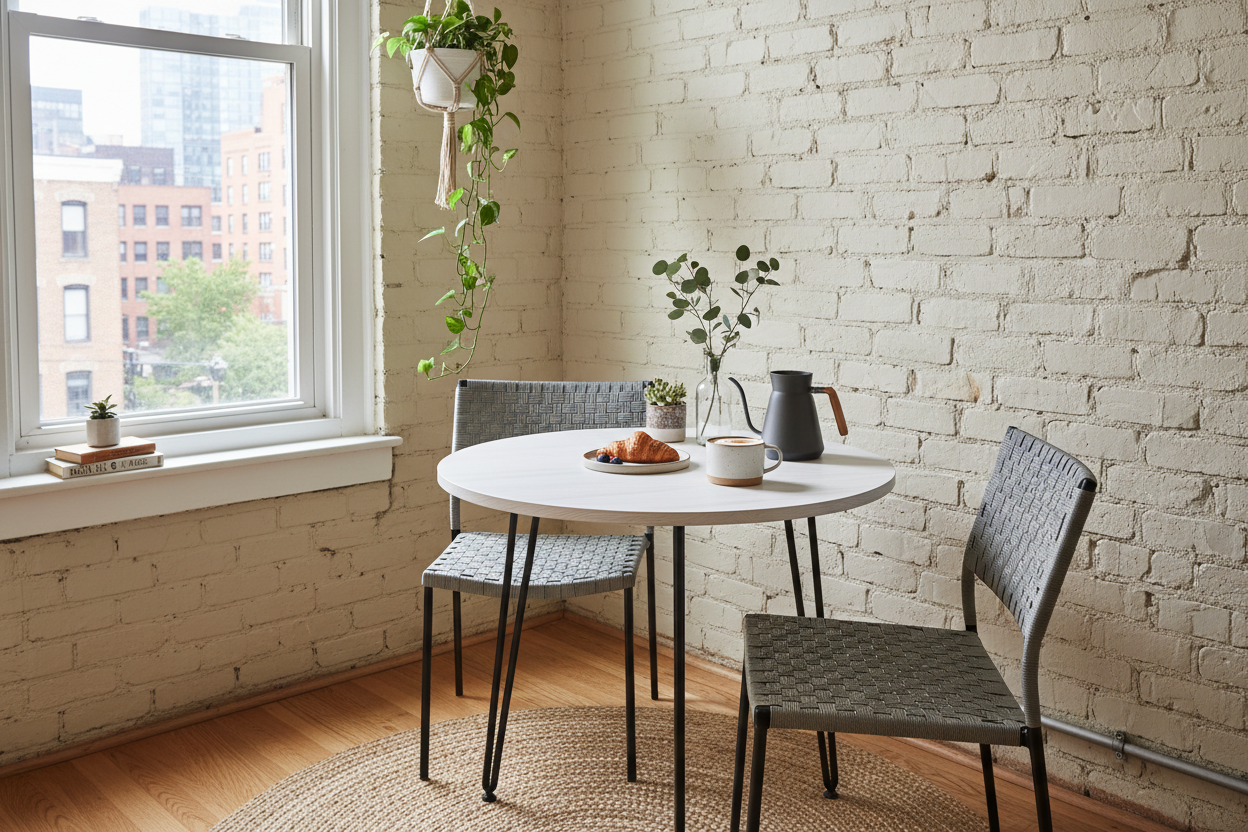
Living in a compact apartment taught me something valuable: you don't need a massive dining room to enjoy proper meals at home. Small food tables have become essential furniture pieces for anyone dealing with limited square footage, whether you're in a studio apartment, dorm room, or just trying to create a cozy breakfast nook. These compact eating surfaces let you dine comfortably without sacrificing your entire living area to a bulky dining set.
The beauty of small tables to eat on lies in their versatility. I spent months eating on my couch before realizing how much better my meals—and my posture—could be with a proper eating surface. A well-chosen compact table transforms how you use your space, creating a dedicated area for meals that can double as a workspace, craft station, or even a place for morning coffee.
Finding the Right Size for Your Space
Measuring your available space before shopping saves countless headaches. I learned this the hard way after ordering what looked like a "small" table online, only to find it dominated my entire kitchen area. For truly tight spaces, look for tables between 24-36 inches in diameter or width. This size comfortably seats two people while leaving enough room to move around.
Consider the shape carefully. Round tables work wonderfully in corners and don't have sharp edges to bump into—a real advantage when you're navigating a cramped apartment in the morning. Square and rectangular options fit flush against walls, making them ideal for narrow kitchens or studio layouts where every inch counts.
Materials That Make Sense
The material you choose affects both durability and aesthetics. Solid wood tables bring warmth and can handle daily use, though they're heavier if you plan to move things around. I opted for a wood-top table with metal legs, which gave me the best of both worlds: a sturdy eating surface that wasn't too heavy to reposition when needed.
Glass tops create visual lightness that helps small rooms feel more spacious. They're easy to clean but show every fingerprint and water spot. Laminate surfaces offer practical benefits for messy eaters or households with kids—spills wipe away effortlessly, and you won't worry about water rings from your morning juice glass.
Space-Saving Features Worth Considering
Drop-leaf tables revolutionize small-space dining. The sides fold down when not in use, creating a slim console that hugs the wall. When dinner time arrives, simply lift one or both leaves for a full eating surface. This design saved my sanity in my first apartment, where the kitchen was barely wider than the refrigerator.
Wall-mounted fold-down tables take minimalism even further. These attach directly to the wall and fold completely flat when not needed. Perfect for the tiniest kitchens or even hallways where you want occasional eating space without permanent furniture. Some models include built-in storage for napkins, utensils, or condiments.
Nesting tables offer flexibility for those who occasionally need more surface area. The smaller table tucks underneath the larger one, giving you a compact footprint most of the time with the option to separate them when guests visit or you need extra workspace alongside your eating area.
Height Matters More Than You Think
Standard dining tables sit around 28-30 inches high, but small food tables come in various heights to suit different uses. Counter-height tables (34-36 inches) work beautifully in kitchens, especially when paired with bar stools. They create a casual dining vibe and often fit better under kitchen windows or alongside islands.
Coffee table height (16-18 inches) suits floor seating or very casual meals. I've seen these work wonderfully in studio apartments where the same table serves multiple purposes throughout the day. Just make sure you have comfortable floor cushions or low seating to go with it.
Styling Your Small Eating Space
A compact table doesn't mean compromising on style. Choose chairs or stools that tuck completely under the table when not in use. This simple trick keeps pathways clear and makes your space feel larger. Backless stools slide away most efficiently, though you might prefer the comfort of backs for longer meals.
Lighting transforms a small eating area from functional to inviting. A pendant light hung directly above your table defines the space and creates ambiance during evening meals. Position it about 30-36 inches above the table surface for the best effect without blocking sightlines across the table.
Keep centerpieces minimal or skip them entirely. Instead of a permanent arrangement taking up valuable real estate, bring out a small vase or candle only when you're hosting. This keeps the surface available for actual eating and prevents your small table from feeling cluttered.
Multi-Purpose Solutions for Maximum Value
The best small tables to eat on earn their keep by serving multiple functions. My current table spends mornings as my breakfast spot, afternoons as my laptop desk, and evenings as my dinner table. This versatility justifies the floor space it occupies and makes it indispensable rather than optional furniture.
Look for designs with built-in storage if you're really pressed for space. Shelves underneath hold cookbooks, placemats, or even pantry overflow. Drawers keep utensils, napkins, and other dining essentials within arm's reach, eliminating trips back and forth to the kitchen.
Some compact tables include wheels or casters, letting you roll them wherever needed. This mobility means your eating surface can move to the balcony for weekend brunch, beside the couch for movie night snacks, or completely out of the way when you need floor space for yoga or entertaining.
Budget-Friendly Options That Don't Skimp on Quality
You don't need to spend a fortune on a quality small eating table. I found mine at a local furniture outlet for under $150, and it's held up beautifully through three years of daily use. Check discount stores, estate sales, and online marketplaces for solid options at reasonable prices.
DIY solutions work surprisingly well if you're handy. A round wood top from a hardware store mounted on a sturdy pedestal base creates a custom table for less than many retail options. Sand and finish it yourself for a personalized piece that fits your exact space requirements and style preferences.
Common Mistakes to Avoid
Don't assume smaller always means better. A table that's too small becomes impractical—you need enough surface area to actually place dishes, glasses, and utensils comfortably. Aim for at least 24 inches of space per person to avoid cramped, uncomfortable meals.
Overlooking leg placement causes frustration. Tables with legs at the corners provide maximum knee room, while center pedestal bases offer the most flexibility for chair placement. Avoid tables with cross-braces or supports right where your legs need to go—you'll regret it every single meal.
Forgetting about cleaning access is another common oversight. Make sure you can easily reach all sides of your table for wiping down and that it's light enough to move when you need to sweep or mop underneath. A beautiful table that's a pain to maintain won't stay beautiful for long.
FAQ
What's the smallest practical size for a table for two people?
A 24-inch square or 30-inch round table provides the minimum comfortable eating space for two people. This allows enough room for plates, glasses, and serving dishes without feeling cramped. Anything smaller works better as a side table or occasional use surface rather than a primary dining spot.
Can I use a small food table as a desk too?
Absolutely, and many people do exactly that in small apartments. Choose a table with a smooth, durable surface and comfortable height for both eating and working (standard 28-30 inches works well). Just make sure it's deep enough (at least 24 inches) to accommodate a laptop or monitor along with some workspace.
How do I keep a small eating area from looking cluttered?
Store items vertically using wall-mounted shelves or hanging organizers rather than piling things on the table surface. Keep only essential items on the table itself, and establish a habit of clearing it completely after each meal. Choose a simple table design without excessive ornamentation, which helps maintain a clean, uncluttered appearance even in tight quarters.

Leave a comment
This site is protected by hCaptcha and the hCaptcha Privacy Policy and Terms of Service apply.