










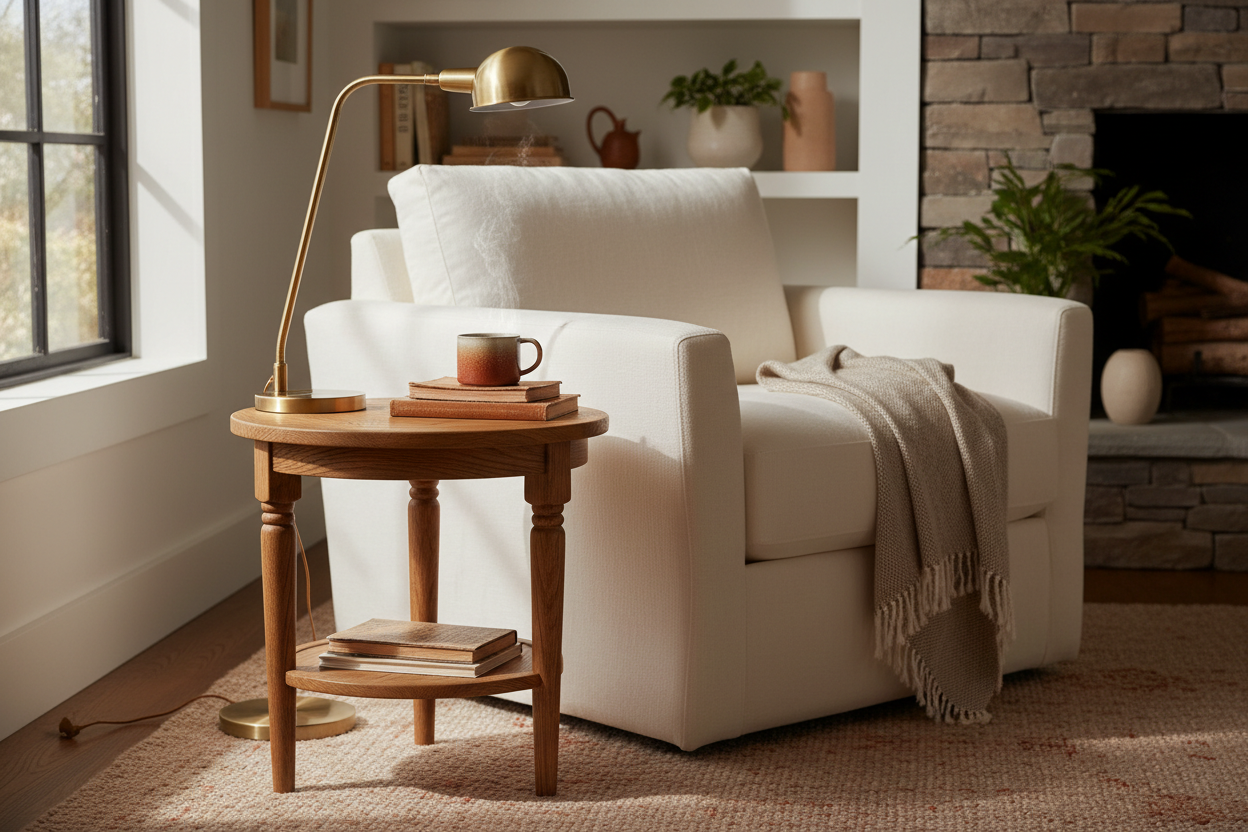
Small round wood side tables are everywhere in furniture stores and online catalogs, yet finding the right one for your space can feel surprisingly frustrating. The market is flooded with options that look similar in photos but vary wildly in quality, finish, and actual dimensions. Understanding what separates a well-crafted piece from a disappointing purchase will save you both money and the hassle of returns.
The appeal of a small round side table wood design lies in its versatility. Unlike square or rectangular tables that demand specific placement, a circular table softens room corners and works in tight spaces where angular furniture would feel cramped. Wood brings warmth that metal or glass simply can't match, creating an inviting atmosphere whether you're placing it beside a reading chair or between two seats on a sofa.
Size Matters More Than You'd Expect
When shopping for a small round end table wood piece, the definition of "small" varies dramatically between manufacturers. I learned this the hard way after ordering what was listed as a small table online, only to receive something that barely fit next to my armchair. The tabletop measured 20 inches across—not exactly small when you're working with limited floor space in an apartment.
Most genuinely small round tables range between 12 to 18 inches in diameter. Anything larger starts encroaching into medium territory. Height is equally critical. The standard range falls between 22 to 26 inches, which positions the surface at a comfortable height for reaching from a seated position. Tables shorter than this work better as plant stands, while taller ones can feel awkward unless you have particularly high seating.
Wood Types and What They Mean for Your Table
A wood small round side table can be constructed from dozens of different species, each with distinct characteristics. Oak offers durability and prominent grain patterns that give character to any room. Walnut provides rich, dark tones that age beautifully and resist scratches better than softer woods. Pine and other softwoods cost less but dent more easily—fine for low-traffic areas but risky near active households with kids or pets.
Engineered wood and veneers deserve mention here. Not all wood tables are solid wood, and that's not necessarily bad. Quality veneers over MDF or plywood cores can provide stability that solid wood sometimes lacks, especially in climates with humidity fluctuations. The key is knowing what you're buying. A well-made veneer table at a moderate price often outperforms a poorly constructed solid wood piece at the same cost.
The Accent Table Advantage
Calling something a small round wood accent table rather than just a side table hints at its decorative potential. These pieces do more than hold your coffee mug or TV remote. The right accent table becomes a focal point, drawing the eye and adding personality to otherwise bland corners.
Consider how the table's style complements your existing furniture. Mid-century modern designs with tapered legs create an airy, uncluttered feel. Rustic farmhouse styles with chunky bases and distressed finishes add cozy charm. Industrial designs incorporating metal accents alongside wood bring urban edge to contemporary spaces. The wood finish—whether natural, stained, painted, or weathered—should harmonize with your room's color palette without matching everything exactly.
Functionality Beyond the Obvious
Think about how you'll actually use your table before buying. A simple flat top works for lamps and drinks, but many small round sofa tables include additional features that boost utility. Lower shelves provide storage for books, magazines, or decorative items. Some designs incorporate drawers, though these are less common in truly small sizes due to space constraints.
The table's weight and construction affect mobility. Lighter tables move easily for cleaning or rearranging but may tip if you have curious toddlers or energetic pets. Heavier, more substantial pieces stay put but become permanent fixtures. If you like changing your room layout seasonally, prioritize something you can lift without straining your back.
Where to Place Your Small Round Table
Placement options extend beyond the obvious spot next to your sofa or armchair. Small round tables work beautifully in entryways, providing a landing spot for keys and mail without blocking traffic flow. Bedrooms benefit from them as nightstands, especially when you want something less bulky than traditional rectangular options. Even bathrooms can accommodate small wood tables for holding towels or decorative elements, provided you choose properly sealed wood that resists moisture.
The round shape prevents painful encounters with sharp corners—a genuine advantage in tight spaces where you're constantly maneuvering around furniture. This makes them ideal for apartments, dorm rooms, or any area where every square foot counts. The lack of corners also creates better traffic flow, as people can navigate around the table from any angle.
Maintenance and Longevity
Wood furniture requires some care, though less than many people assume. Regular dusting prevents buildup that can dull the finish over time. Coasters protect against water rings—those white marks that appear when condensation seeps into the wood's finish. For spills, immediate cleanup with a slightly damp cloth prevents staining.
Different finishes demand different care levels. Polyurethane-sealed tables resist damage well and need only occasional polishing. Oil-finished wood requires periodic re-oiling to maintain its appearance and protection. Waxed finishes look beautiful but need more frequent maintenance. Consider your lifestyle honestly. If you're not inclined toward regular furniture care, choose a durable finish that forgives neglect.
Price Ranges and What to Expect
Small round wood tables span enormous price ranges, from under fifty dollars to several hundred. Budget options often use engineered wood with thin veneers, simple construction, and finishes that may chip or peel. Mid-range tables typically offer better materials, sturdier joinery, and finishes that last longer. High-end pieces feature solid hardwoods, hand-applied finishes, and construction methods that ensure the table outlasts trends.
The sweet spot for most buyers falls between one hundred and two hundred dollars. This range typically delivers solid construction, attractive wood species or quality veneers, and finishes that withstand normal use. Spending more makes sense if you want heirloom quality or specific design details. Spending less works if you're furnishing temporarily or want something trendy you'll replace in a few years.
Shopping Smart: Online vs. In-Store
Online shopping offers convenience and often better prices, but you can't touch the wood or gauge the table's actual size. Photos can be deceiving—that warm honey oak might arrive looking orange, or the "small" table might dominate your space. Reading reviews helps, particularly ones with customer photos showing the table in real homes rather than staged settings.
Physical stores let you see exact colors, feel wood quality, and verify dimensions. You can test stability by gently pushing the table to check for wobbling. The downside is limited selection and typically higher prices. Many shoppers now use a hybrid approach: research online, view similar models in stores, then purchase wherever offers the best combination of price and return policy.
Common Mistakes to Avoid
Buying based solely on appearance leads many people astray. That gorgeous table in the photo might not suit your practical needs. Ignoring weight capacity is another frequent error—small doesn't mean fragile, but some decorative tables can't safely support heavy lamps or stacks of books.
Overlooking assembly requirements causes frustration too. Some tables arrive fully assembled, others require extensive work with confusing instructions. Check product descriptions carefully if you'd rather avoid wielding an Allen wrench for an hour. Also, measure your space before ordering. That 18-inch table might seem small in the abstract, but it could overwhelm your actual corner.
Frequently Asked Questions
What's the ideal height for a side table next to a sofa?
The table surface should sit at or slightly below the sofa arm's height, typically 24 to 26 inches. This allows you to comfortably reach items while seated without stretching up or bending down awkwardly.
Can I use a small round wood table outdoors?
Only if it's specifically treated for outdoor use with weather-resistant finishes and wood species like teak or cedar. Regular indoor wood tables will warp, crack, and deteriorate quickly when exposed to moisture and temperature changes, even on covered porches.
How do I remove water rings from my wood side table?
For fresh rings, try placing a clean cloth over the mark and applying a warm (not hot) iron for a few seconds. The heat can draw moisture out of the finish. For stubborn rings, a paste of baking soda and water gently rubbed in can help, though this may require refinishing the spot afterward.


Leave a comment
This site is protected by hCaptcha and the hCaptcha Privacy Policy and Terms of Service apply.