










Interior design often feels like a battle between aesthetics and square footage. You want the functionality of a surface, but you don't want the visual clutter of four legs crowding a tight corner. This is where the single-column support shines. Whether you are looking for a pedestal bedside table to flank your mattress or a sculptural piece for the living room, these tables offer a unique blend of elegance and utility. They float surfaces in the air, keeping the floor looking open and maximizing usable space.
The Appeal of the Pedestal Nightstand in the Bedroom
Bedrooms are notoriously difficult to furnish when space is at a premium. A standard nightstand often feels boxy and heavy. Swapping that out for a pedestal nightstand immediately lightens the room's profile. Because the base is centralized, a pedestal night table allows for better access to wall outlets and reduces the chance of stubbing a toe in the dark. The silhouette of a round pedestal bedside table softens the hard lines of a rectangular bed frame, creating a more relaxed flow in the sleeping area.
Functionality does not have to be sacrificed for form. While many minimalist designs feature just a top and a base, you can find a pedestal end table with drawer options or even a pedestal end table with storage concealed within a cylindrical column. These are perfect for hiding charging cables or reading glasses. If your bed is higher than average, a tall pedestal side table serves as a much better companion than a standard low-profile nightstand, ensuring your alarm clock is actually within reach.
My Experience with Tight Corners
I remember hunting for a bedside pedestal table for my first studio apartment. The space between the mattress and the wall was comically narrow. A standard four-legged table looked cluttered and blocked the outlet I needed for my lamp. I eventually found a small round pedestal side table at a flea market. It was a wood pedestal end table with a heavy, turned base. Because it had that single central support, I could slide it closer to the bed without the legs getting in the way of the under-bed storage drawers. That specific pedestal night stand changed how I looked at furniture footprints forever; it proved that the base structure matters just as much as the tabletop surface.
Living Room Pedestals: More Than Just Side Tables
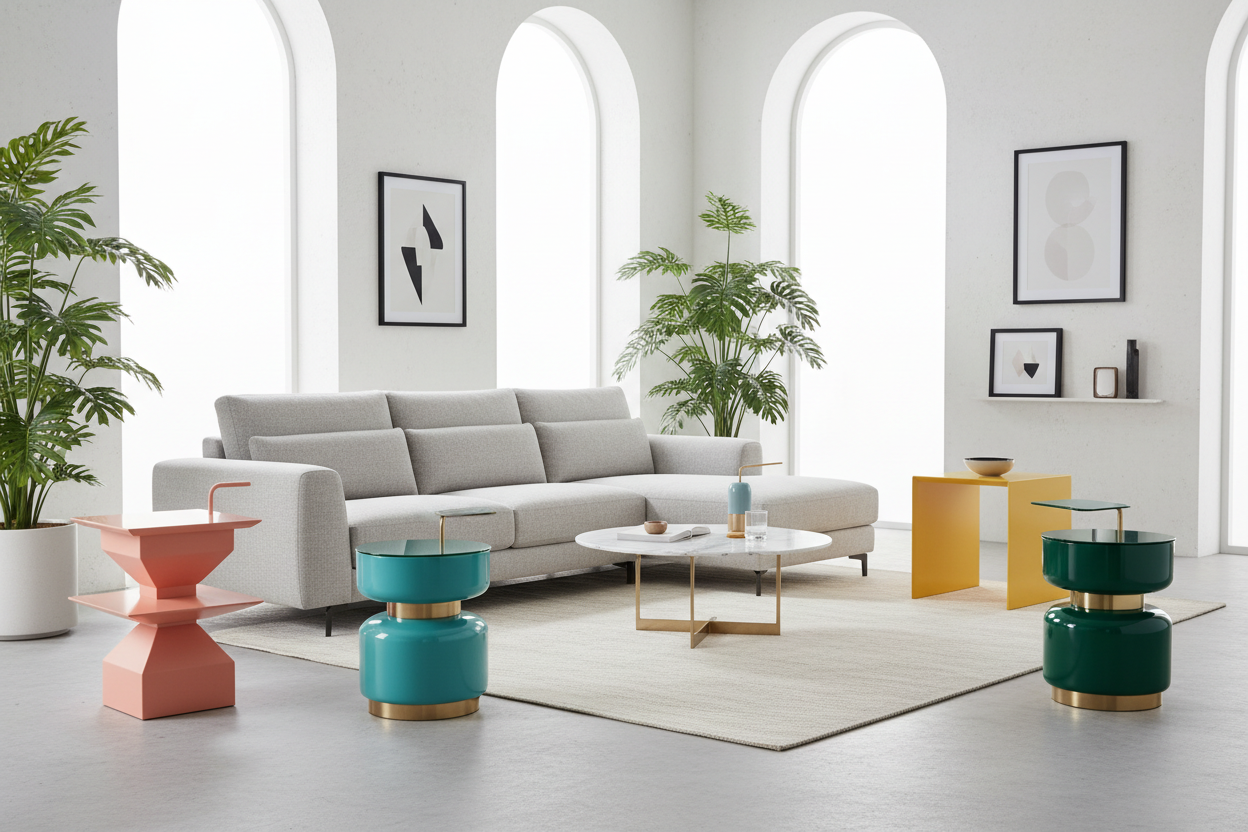
Moving into the living area, the versatility of these pieces expands. A pedestal side table is often the unsung hero next to a bulky sofa or armchair. The absence of corner legs means you can pull a round pedestal side table closer to the seat, making it easier to set down a drink or a book. For open-concept spaces, living room pedestals act as functional sculptures. A large pedestal side table can anchor a reading nook, while a cluster of smaller tables can replace a traditional coffee table.
When selecting a pedestal end table modern designs often feature sleek materials like marble or chrome. A metal pedestal side table brings an industrial or contemporary edge, reflecting light and making the piece feel weightless. Conversely, a solid wood pedestal side table grounds the space with texture and warmth. If you are styling a room with heavy upholstery, a pedestal accent side table with a slender stem provides necessary visual relief.
Material Selection: Wood vs. Metal
The vibe of your room depends heavily on the material you choose. A natural wood pedestal side table offers organic grain patterns that work beautifully in Scandinavian or bohemian interiors. For a more substantial, heritage look, a round wood pedestal end table made from mahogany or walnut adds a sense of history. Rustic pedestal side table designs often feature distressed finishes or reclaimed timber, making them perfect for farmhouse aesthetics.
On the other end of the spectrum, a metal pedestal end table fits seamlessly into urban lofts. These are often more durable and resistant to water rings, making them excellent candidates for a pedestal lamp table where you might also set down a coffee mug. Combining materials is also popular; a wood round pedestal side table with a metal base offers the best of both worlds—warmth on top and stability on the bottom.
Solving Height and Scale Issues
One of the most frustrating design challenges is matching table height to seating height. A modern tall pedestal table is often the solution for high-arm sofas or pillow-top mattresses. A tall pedestal end table draws the eye upward, adding vertical interest to a room that might feel too horizontal. If you are looking to display a specific object, like a sculpture or a cascading plant, a tall pedestal table stand is superior to a standard table because it isolates and elevates the item.
Size variations are endless. A small pedestal side table can tuck into a bathroom corner to hold toiletries, while a pedestal drum table offers a massive, solid presence that commands attention. For tiny nooks, a small round pedestal accent table provides just enough surface area for a cup of tea without blocking traffic flow. The key is to measure your available floor space and choose an end table pedestal base that fits without overwhelming the area.
Styling Your Pedestal Accent Tables
Once you have your furniture, styling it is the fun part. A round pedestal accent table looks best when not overcrowded. Since these tables are often circular, they pair well with organic shapes. A curvy lamp on a wood pedestal accent table creates a harmonious look. If you are using a small pedestal end table, limit the decor to one or two items to maintain that airy feel.
For a cohesive look in a larger room, consider using unmatched but related tables. You might pair a solid wood pedestal end table on one side of the sofa with a small round pedestal end table in a different height on the other side. This asymmetry keeps the eye moving and prevents the room from looking like a furniture showroom. Whether you choose a round wood pedestal accent table or a sleek metal version, the pedestal base remains a timeless choice that solves practical spacing issues while adding architectural interest to your home.
Frequently Asked Questions
Are pedestal tables as stable as four-legged tables?
Yes, provided they are well-constructed. A quality pedestal stand table relies on a weighted base to prevent tipping. While a four-legged table distributes weight to the corners, a pedestal design centers the gravity, so look for heavy materials like solid wood or metal at the bottom if you plan to place heavy lamps on top.
Can I use a pedestal side table as a nightstand?
Absolutely. A round pedestal nightstand is a popular choice for modern bedrooms because it saves floor space. Just ensure the surface area of the small round pedestal side table is large enough to hold your bedside essentials like a phone, lamp, and water glass.
How do I choose the right height for a pedestal end table?
The ideal height for a pedestal end table modern or traditional should be within two inches of the arm height of your sofa or the top of your mattress. A tall round pedestal accent table is better suited for high-arm furniture, while lower pedestals work best with low-profile, mid-century modern seating.


Leave a comment
This site is protected by hCaptcha and the hCaptcha Privacy Policy and Terms of Service apply.