










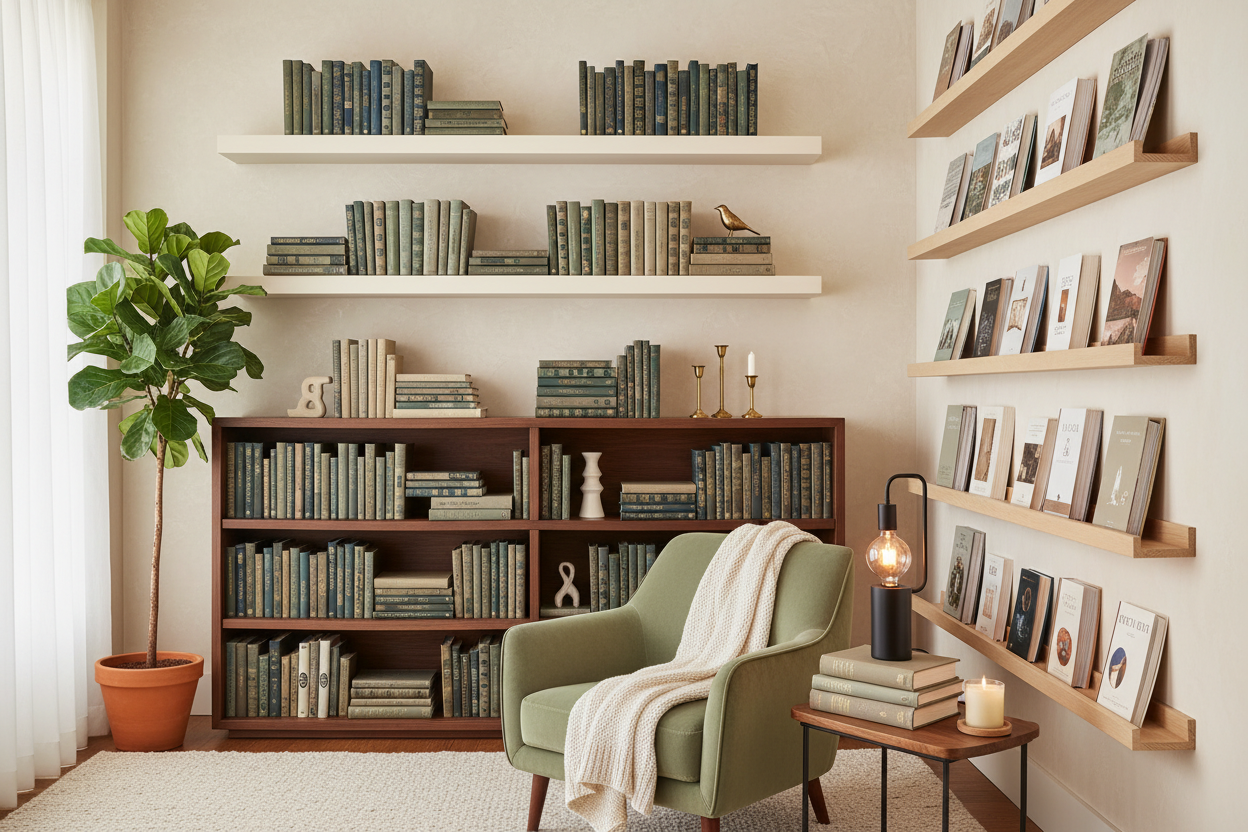
Your book collection tells a story about who you are, but if they're crammed spine-to-spine on a standard shelf, that story isn't being told very well. The right display bookshelves transform your reading materials from hidden clutter into a curated showcase that reflects your personality and makes your space feel intentional.
I learned this the hard way when I moved into my first apartment with built-in shelving. I thought having dedicated space for books would solve everything, but after arranging them alphabetically by author, the whole setup looked sterile and uninviting. It wasn't until I visited a friend's home—where she had a stunning bookshelf display with varied heights, strategic gaps, and decorative objects mixed in—that I realized I'd been thinking about book storage all wrong.
What Makes a Display Different from Regular Storage
A book display rack serves a fundamentally different purpose than traditional storage. While conventional shelves prioritize capacity, a display rack for books emphasizes visibility and aesthetics. The difference shows up in several ways: adjustable shelving that accommodates oversized art books, angled surfaces that showcase covers rather than just spines, and open designs that invite interaction rather than creating visual barriers.
The best book case display setups balance accessibility with presentation. You want to reach your favorite titles easily, but you also want guests to notice that first edition poetry collection or the vintage cookbook you inherited from your grandmother. This dual purpose requires thoughtful planning rather than simply filling shelves from left to right.
Choosing the Right Structure for Your Space
Book display shelves come in configurations that suit different rooms and purposes. Tall, narrow units work well in hallways or beside doorways where floor space is limited but vertical real estate is available. Wider, lower profiles create room dividers in open-plan spaces while maintaining sightlines. The key is matching the furniture's footprint to your room's traffic patterns.
A bookcase display shelf typically includes at least one section designed specifically for face-out presentation. This might be a top shelf with a lip that prevents books from sliding, or a middle section with a slightly angled surface. These dedicated display areas let you rotate featured titles seasonally or highlight recent acquisitions without rearranging your entire collection.
Material Choices That Matter
Wood book display shelves remain the most popular option, and for good reason. A quality wood book display shelf develops character over time, with minor scuffs and patina adding to rather than detracting from its appearance. Oak and walnut offer durability and classic appeal, while lighter woods like maple or birch suit modern aesthetics.
The construction quality of wooden book display cases varies dramatically. Solid wood construction costs more upfront but lasts decades. Veneer over particleboard or MDF can look impressive initially but may sag under weight or show damage at the edges within a few years. Check weight ratings carefully—books are deceptively heavy, and a shelf rated for decorative items won't necessarily support a full collection.
For those seeking something substantial, a wooden display bookshelf with adjustable shelving provides the most flexibility. You can reconfigure it as your collection grows or changes, accommodating everything from mass-market paperbacks to oversized coffee table books without buying new furniture.
Strategic Arrangement Techniques
Book display and storage shouldn't feel like opposing goals. The most effective displays use the "rule of thirds" concept—roughly two-thirds of your shelves hold books while one-third remains open for breathing room and decorative elements. This ratio prevents the cluttered library look while still providing ample storage.
Varying your arrangement methods across different sections creates visual interest. One shelf might organize books by color for a rainbow effect, while another groups them by subject matter. Book shelves display options expand when you mix orientations—some books standing upright, others stacked horizontally, and a few leaning at slight angles.
The display book case approach often incorporates non-book items strategically. Small sculptures, framed photographs, or potted plants break up long rows of spines and create focal points. These interruptions give the eye places to rest and make the overall display feel curated rather than accidental.
Floor-Standing vs. Wall-Mounted Options
A floor book display offers stability and presence that wall-mounted units can't match. These substantial pieces anchor a room and can support considerable weight without concern about wall studs or drywall anchors. They're also easier to relocate when you rearrange furniture or move to a new home.
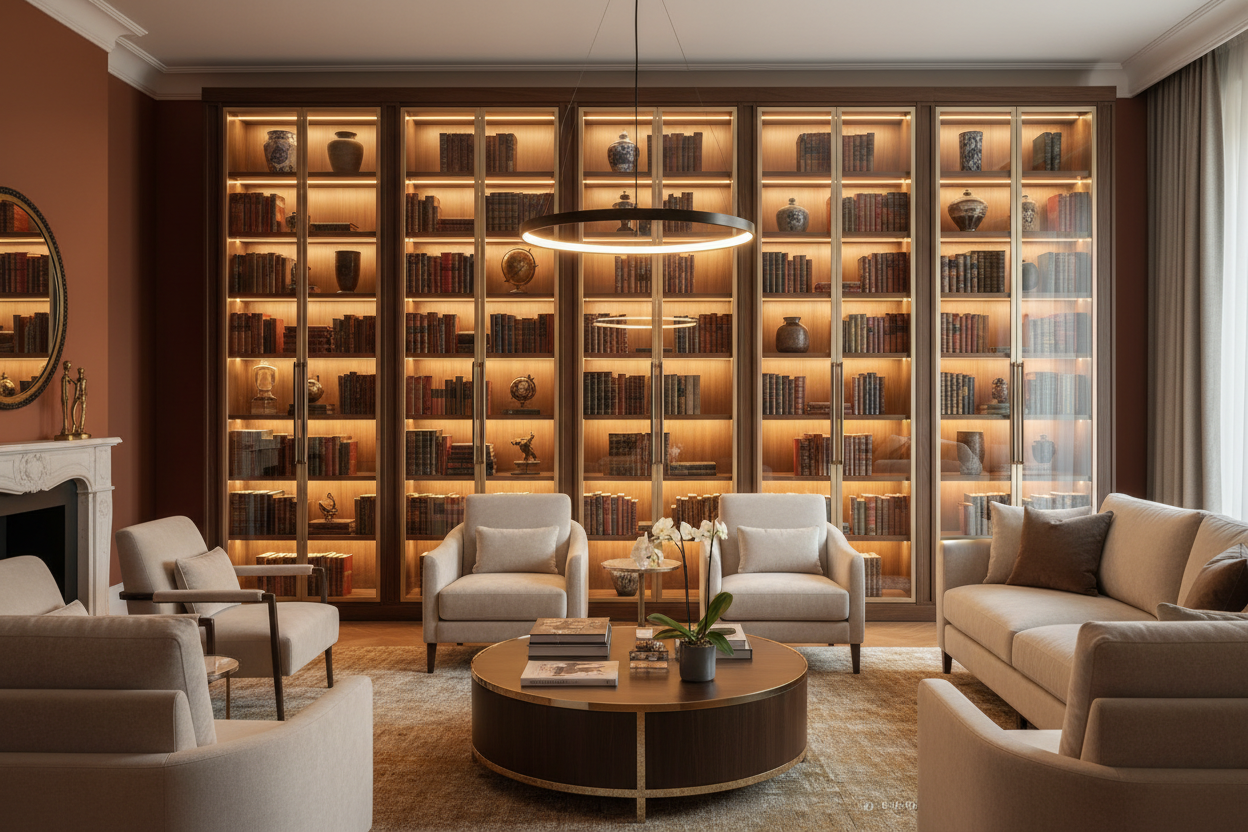
The advantage of floor-standing units becomes particularly apparent with a large display bookcase. These statement pieces often reach ceiling height and span several feet wide, creating an architectural element that defines the room's character. Many designs include a combination of closed storage at the bottom for items you'd rather hide and open shelving above for display purposes.
Lighting Your Collection
Even the most beautiful bookcase with display shelf falls flat in poor lighting. Built-in LED strips along the top or bottom of shelves create drama and make titles easier to read. Battery-operated puck lights offer flexibility for units without nearby outlets. The goal is to eliminate shadows while avoiding harsh glare that makes reading spine text difficult.
Natural light poses both opportunities and challenges. Positioning display book shelves near windows showcases your collection during daytime hours, but direct sunlight fades book covers and damages paper over time. If your only good wall happens to be sun-drenched, consider UV-filtering window film or sheer curtains that diffuse light without blocking it entirely.
Maintaining Your Display
Books gather dust faster than you'd expect, especially on open shelving. A monthly pass with a microfiber cloth keeps things looking fresh. For wood surfaces, occasional treatment with appropriate polish or oil prevents drying and cracking. The specific product depends on your finish—oil-based treatments work well for natural wood, while sealed surfaces need gentler options.
Reorganizing your display seasonally keeps it feeling dynamic. Swap out beach reads for cozy mysteries as weather changes, or rotate cookbooks to match what you're actually making. This regular interaction with your collection reminds you what you own and often leads to rediscovering forgotten favorites.
The investment in proper display furniture pays dividends beyond aesthetics. When books are visible and accessible, you actually read them more often. That's the real measure of success—not just a pretty room, but a functional space that encourages the reading habit that made you want all those books in the first place.
Frequently Asked Questions
How many books can a typical display bookshelf hold?
This depends entirely on the shelf's dimensions and construction quality. A standard six-foot tall unit with five shelves typically holds 150-200 average-sized books, but weight capacity matters more than count. Check manufacturer specifications—quality units support 30-50 pounds per shelf, while budget options may max out at 15-20 pounds.
Should I organize books by color or by category?
Neither approach is objectively better—it depends on how you use your collection. If you frequently reference specific subjects or authors, categorical organization makes practical sense. Color-coding creates striking visual impact but makes finding specific titles harder unless you remember what each book's cover looks like.
What's the ideal shelf depth for displaying books?
Standard books fit comfortably on shelves 8-10 inches deep, while oversized art books or textbooks need 12-14 inches. Shallower shelves (6-7 inches) work well for paperbacks and create a sleeker profile, but won't accommodate hardcovers. Adjustable depth or varied shelf sizes in the same unit offer the most versatility.


Leave a comment
This site is protected by hCaptcha and the hCaptcha Privacy Policy and Terms of Service apply.