










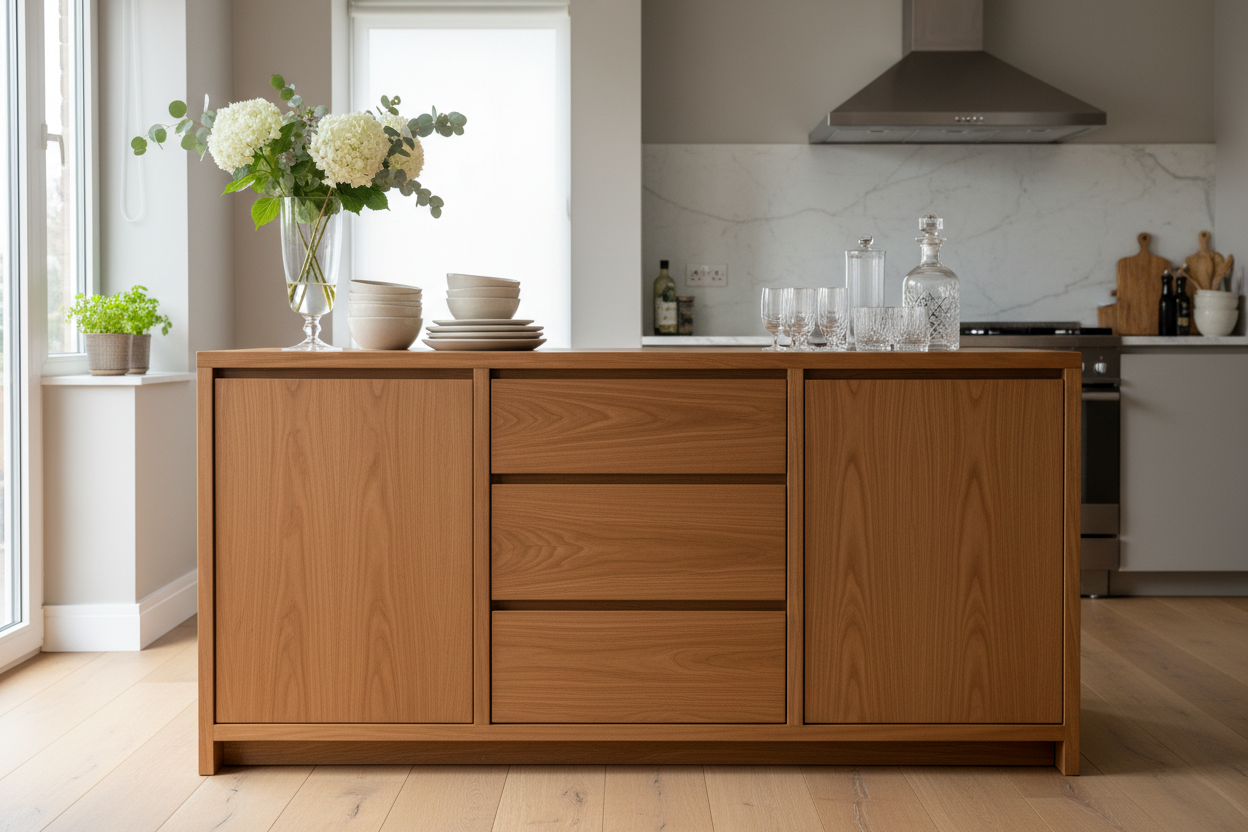
A buffet for kitchen spaces has become one of those furniture pieces that quietly transforms how a home functions. Unlike the formal dining room buffets your grandmother might have owned, modern kitchen buffets serve as workhorses—storing everything from small appliances to table linens while providing extra counter space exactly where you need it most.
The appeal is simple: kitchens never seem to have enough storage or surface area. No matter how carefully you plan your cabinets, there's always that stand mixer, the seasonal serving dishes, or the collection of water bottles that doesn't quite fit anywhere. That's where buffets for kitchen use shine, offering a flexible storage solution that doesn't require renovation or permanent installation.
I added a buffet table to my own kitchen three years ago, tucked against a wall between the dining area and the cooking zone. What surprised me most wasn't just the extra storage—it was how that piece became the natural landing spot for everything from morning coffee prep to holiday meal staging. The top surface holds my coffee maker and grinder, while the cabinets below hide all those bulky items that used to clutter my counters.
What Makes Kitchen Buffets Different From Regular Furniture
A buffet table for kitchen use differs from standard storage furniture in several practical ways. The height typically ranges from 32 to 36 inches, which aligns perfectly with standard counter height. This makes them ideal for food prep, serving, or even as a makeshift bar during gatherings. The depth usually stays around 16 to 20 inches, shallow enough to fit in most kitchen layouts without blocking traffic flow.
Materials matter more in kitchens than in other rooms. While a bedroom dresser can get away with delicate finishes, buffets with storage for kitchens need to withstand moisture, heat, and the occasional spill. Look for sealed wood, laminate surfaces, or even metal construction that can handle the kitchen environment. Some modern designs incorporate mixed materials—wood frames with metal accents or glass-front cabinets that let you display dishes while keeping them dust-free.
Storage Configurations That Actually Work
The internal organization of a buffet table kitchen piece determines how useful it'll actually be. Open shelving works well for items you use daily or want to display—cookbooks, attractive serving bowls, or a collection of vintage glassware. But open shelves also mean visible clutter, so balance is important.
Closed cabinets with adjustable shelves offer the most flexibility. You can reconfigure the space as your needs change, accommodating everything from tall vases to stacks of placemats. Drawers add another dimension, perfect for utensils, napkins, or those random kitchen gadgets that tend to accumulate. Some kitchen sideboard buffet designs include wine racks, silverware dividers, or even built-in power outlets for small appliances.
The best configurations combine multiple storage types. A unit with two cabinets, two drawers, and a small section of open shelving gives you options for different categories of items. This variety prevents the "junk drawer" effect where everything gets tossed into one chaotic space because there's nowhere else to put it.
Placement Strategies for Different Kitchen Layouts
Where you position a kitchen sideboard buffet dramatically affects its usefulness. In galley kitchens, a slim buffet along one wall can add storage without narrowing the walkway. Make sure to leave at least 36 inches of clearance for comfortable movement, especially if cabinet doors or drawers will open into the path.
Open-plan kitchens offer more creative possibilities. A buffet can define the boundary between cooking and dining areas, creating visual separation without walls. This works particularly well when the back of the buffet faces the kitchen—you can finish it nicely or even add hooks for hanging dish towels or utensils.
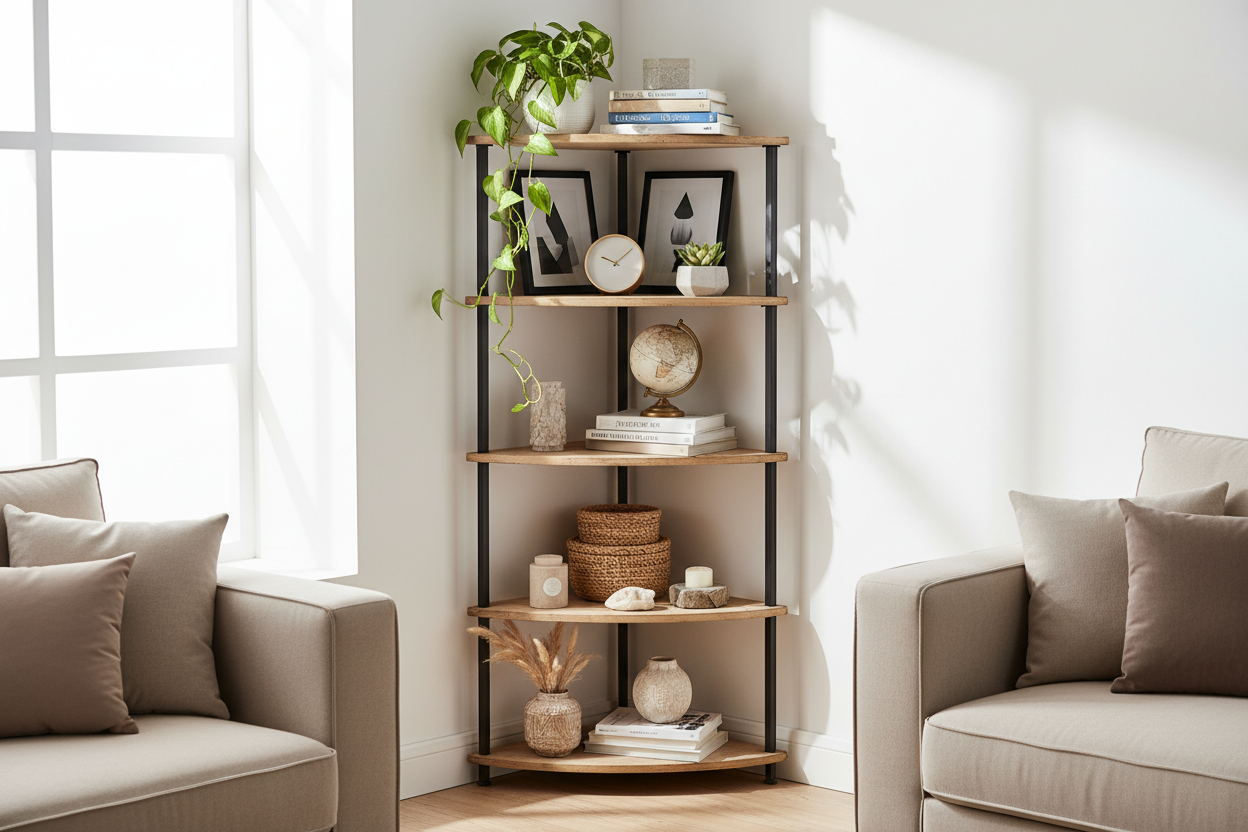
Corner spaces often go unused, but an angled buffet can turn that dead zone into valuable storage. Some manufacturers make corner-specific designs, though you can also position a standard rectangular buffet diagonally if the dimensions work.
Size Considerations Beyond Measurements
A buffet that fits physically might still feel wrong in the space. Visual weight matters. A heavy, dark wood piece can overwhelm a small kitchen with white cabinets, while a light-colored or glass-front buffet might disappear in a large kitchen with dark cabinetry. The style should complement your existing elements without matching them exactly—a little contrast adds interest.
Consider the scale of your other furniture too. If you have a large kitchen island, a petite buffet might look like an afterthought. Conversely, a massive buffet in a kitchen with minimal cabinetry can dominate the room. The piece should feel intentional, like it belongs, not like you squeezed it in because you needed storage.
Practical Features Worth Seeking Out
Certain features elevate buffets with storage from basic to genuinely useful. Soft-close hinges and drawer slides prevent the cabinet-slamming that's all too common in busy kitchens. They're especially valuable if you have kids or if you tend to cook in a hurry.
Leveling feet or adjustable legs help compensate for uneven floors, which most kitchens have to some degree. A wobbling buffet isn't just annoying—it's potentially dangerous if you're setting hot dishes on top.
Removable shelves beat fixed ones every time. Your storage needs will change, and being able to reconfigure the interior means the buffet stays useful for years. Some higher-end models include specialty inserts like silverware trays or plate organizers that you can add or remove as needed.
Maintenance and Longevity
A buffet table kitchen piece takes more abuse than bedroom furniture, so durability should factor into your decision. Solid wood lasts longer than particleboard but costs more and requires occasional refinishing. High-quality engineered wood with a durable finish offers a middle ground—resistant to moisture and scratches while staying affordable.
The finish matters as much as the material. Sealed or lacquered surfaces wipe clean easily and resist water damage. Unsealed wood or painted finishes might look beautiful initially but can show wear quickly in a kitchen environment. If you love a painted look, make sure it's a hard, kitchen-appropriate finish rather than decorative paint that'll chip with use.
Hardware takes constant use, so quality matters there too. Metal handles and hinges outlast plastic ones. Check that drawers slide smoothly and doors align properly—these small details indicate overall construction quality.
Styling Without Sacrificing Function
The top of your buffet offers display space, but resist the urge to cover every inch. A few well-chosen items—a lamp, a plant, a decorative tray—look intentional. Too many objects make the space feel cluttered and reduce the usable surface area for actual kitchen tasks.
If you're using the buffet for active food prep or serving, keep the top relatively clear. A coffee station works well because the items stay in place most of the time. A baking station with your mixer and canisters can work too, though you might need to shift things around more frequently.
For buffets with glass-front cabinets, curate what goes inside. Matching dish sets look polished, but a mix of colors and styles can feel more personal and collected. Just avoid the trap of displaying things you never use—that's wasted storage space.
Budget Realities and Where to Invest
Kitchen buffets range from under $200 for basic models to several thousand for custom or designer pieces. The middle range, around $400-$800, typically offers the best balance of quality and value. You'll find solid construction, decent materials, and features like soft-close hardware without paying for a brand name or custom details.
If budget is tight, prioritize structure over finish. A well-built buffet with a basic finish will serve you better than a beautiful but poorly constructed piece. You can always update hardware, add a fresh coat of paint, or refinish the top later. But fixing wobbly construction or replacing broken drawer slides is frustrating and often not worth the effort.
Where should you spend more? If you're using the buffet daily for food prep or serving, invest in a durable top surface. If storage capacity matters most, look for smart interior configurations rather than fancy exteriors. Match your spending to how you'll actually use the piece.
FAQ
Can a kitchen buffet replace lower cabinets?
While a buffet adds substantial storage, it can't fully replace built-in lower cabinets for most kitchens. Buffets work best as supplemental storage for overflow items, seasonal dishes, or small appliances. They're ideal for renters or anyone wanting to add storage without renovation, but permanent cabinetry offers more capacity and integration with plumbing and electrical systems.
What's the difference between a buffet and a sideboard for kitchen use?
The terms are often used interchangeably, but traditionally, buffets are slightly taller and may include hutch storage on top, while sideboards are lower and longer. For kitchen purposes, both serve the same function—providing storage and surface space. Focus on dimensions and features rather than the specific name when shopping.
How do I keep a kitchen buffet from looking cluttered?
Use the "one in, one out" rule for items stored inside, and limit the top surface to 3-5 functional or decorative objects. Group small items on trays to contain visual clutter, and keep at least one-third of the top surface clear for actual use. If you have open shelving, arrange items by height and color for a more organized appearance.

Leave a comment
This site is protected by hCaptcha and the hCaptcha Privacy Policy and Terms of Service apply.