










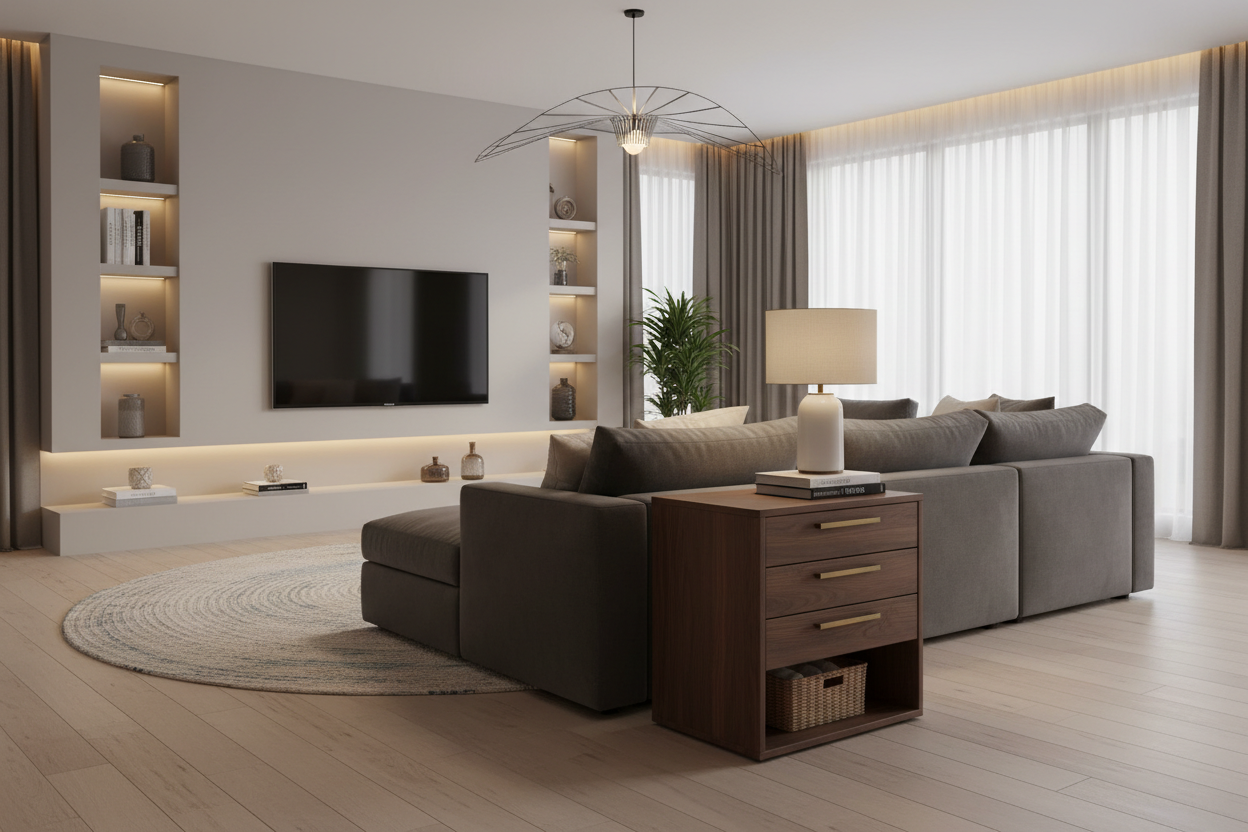
Finding the balance between usable surface area and floor space is one of the most persistent challenges in interior design. We often focus on the big ticket items like sofas and media consoles, yet the functionality of a room usually hinges on the smaller supporting players. Specifically, small accent tables with drawers are the unsung heroes of a well-organized home. They solve the immediate problem of where to set a drink while simultaneously addressing the clutter that inevitably accumulates on flat surfaces.
Many homeowners make the mistake of buying open-shelf side tables for tight corners. While these look airy, they often become graveyards for unread mail, charging cables, and coasters. A table with a dedicated drawer changes the dynamic entirely. It forces a decision: the item is either worthy of display on top or it belongs hidden away inside. This simple distinction helps maintain a visual calm in rooms that might otherwise feel chaotic.
The Real Value of Hidden Storage in Tight Spots
I learned the hard way that open surfaces are magnets for mess. In my first apartment, a narrow hallway served as the only entry point. I initially placed a sleek, open console there. Within a week, it was buried under keys, sunglasses, dog leashes, and receipts. It looked terrible. I eventually swapped it for a narrow, high-legged piece with two shallow drawers. The visual noise vanished instantly. The keys went into the left drawer, the dog supplies in the right, and the surface remained clean for a small lamp and a tray.
This experience highlights why functionality must track with lifestyle. If you are prone to clutter, a decorative table with drawers is not just a stylistic choice; it is an organizational necessity. These pieces act as "landing strips" for the small debris of daily life that doesn't have a permanent home elsewhere. Remote controls, reading glasses, and lip balm are essential to have on hand, but they rarely contribute to the aesthetic of a room. Hiding them in a drawer keeps them accessible but invisible.
Choosing Materials That Last
When shopping for furniture with moving parts, material quality becomes significantly more important than it is for static pieces like coffee tables. A drawer adds mechanical stress. You will be pulling on the handle, creating friction and weight shifts. This is where a solid wood accent table with drawer construction proves its worth over laminate or particle board alternatives.
Solid wood, or at least high-quality veneer over plywood, holds screws tighter and withstands the repetitive motion of opening and closing a drawer. If you opt for a vintage or antique wood piece, check the joinery. Dovetail joints in the drawer construction usually indicate a piece that has survived decades and will likely survive decades more. Furthermore, wood adds a necessary element of warmth and texture to small spaces, which can often feel sterile if overfilled with metal or glass.
Pay close attention to the hardware as well. The knob or pull is often the "jewelry" of the piece. If you find a budget-friendly table with great bones but lackluster plastic knobs, swapping them out for heavy brass or ceramic hardware is a five-minute upgrade that can make a fifty-dollar table look like it cost five hundred.
Solutions for the Ultra-Small Space
Sometimes, you don't even have the luxury of a standard side table. In city apartments or guest rooms where the bed pushes right up against the wall, standard dimensions simply do not work. You might have six to eight inches of clearance between a sofa arm and a wall. This is the domain of the tiny end table with drawer.
These ultra-narrow tables, sometimes called "cigarette tables" or "drink tables," are designed specifically for these awkward gaps. Despite their diminutive footprint, they are incredibly effective. A table that is only 10 inches wide is still large enough to hold a coffee mug and a phone. When you add a drawer to a table this small, it usually isn't large enough for much more than a notepad and a pen, but that storage is still valuable. It prevents the tiny surface from becoming unusable due to clutter.
When placing these tiny tables, height is the critical dimension. The table surface should ideally sit just below or level with the arm of the chair or sofa it serves. If it is too low, it becomes awkward to reach; too high, and you risk knocking your elbow against it. For a tiny table, stability is also a concern. Look for weighted bases or solid wood legs that won't tip over if bumped.
Styling Your Accent Table
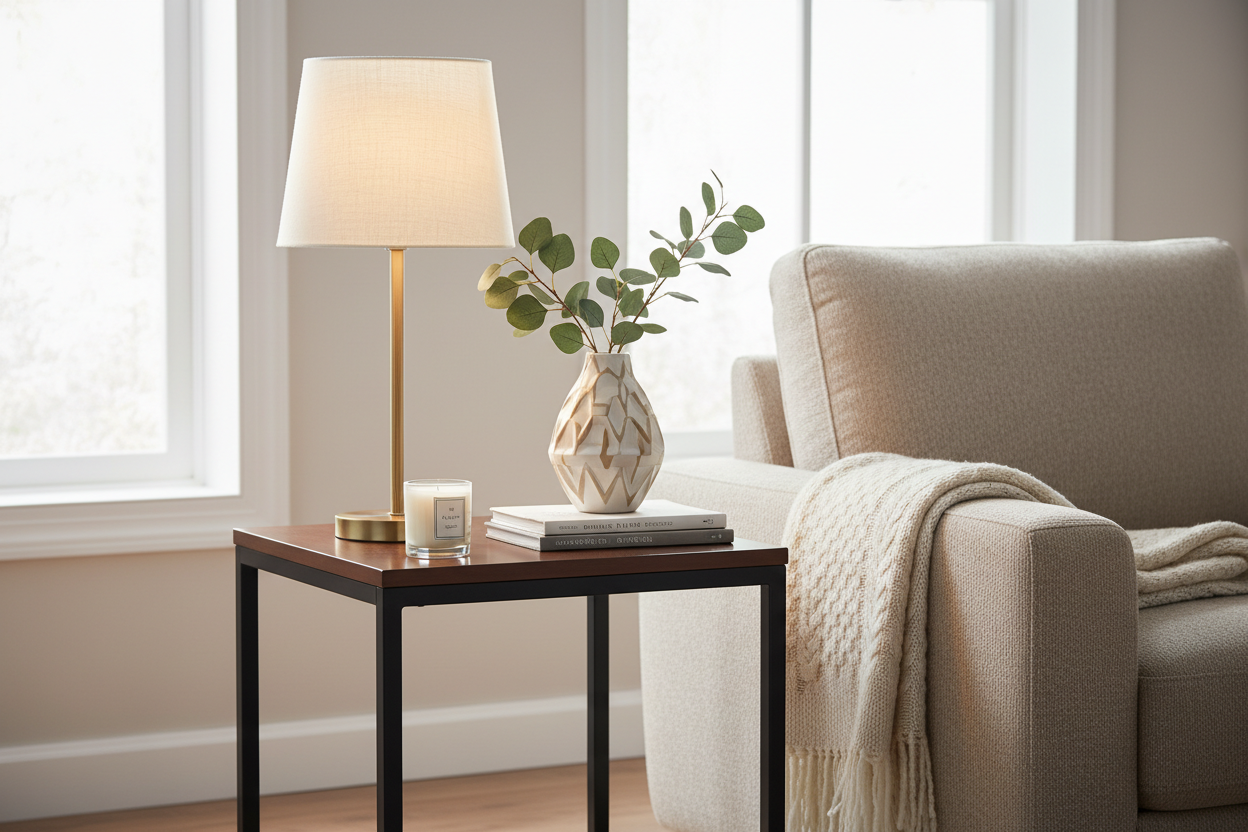
Once you have selected the right piece, the challenge becomes styling it without negating its purpose. Because these tables are small, the rule of three—a common design trope—can sometimes feel crowded. Instead, think in layers. A tall lamp provides vertical interest, while a flat stack of coasters or a small book provides a horizontal base.
If the table is truly a decorative table with drawers featuring ornate carving or painted details, keep the top minimal. Let the furniture itself be the statement. A single sculptural vase or a small succulent might be all that is required. Remember that the drawer is there to do the heavy lifting regarding storage. If you find yourself piling magazines on top of the table, you might need a magazine rack on the floor rather than trying to force the table to do a job it wasn't designed for.
Where to Use Them Beyond the Living Room
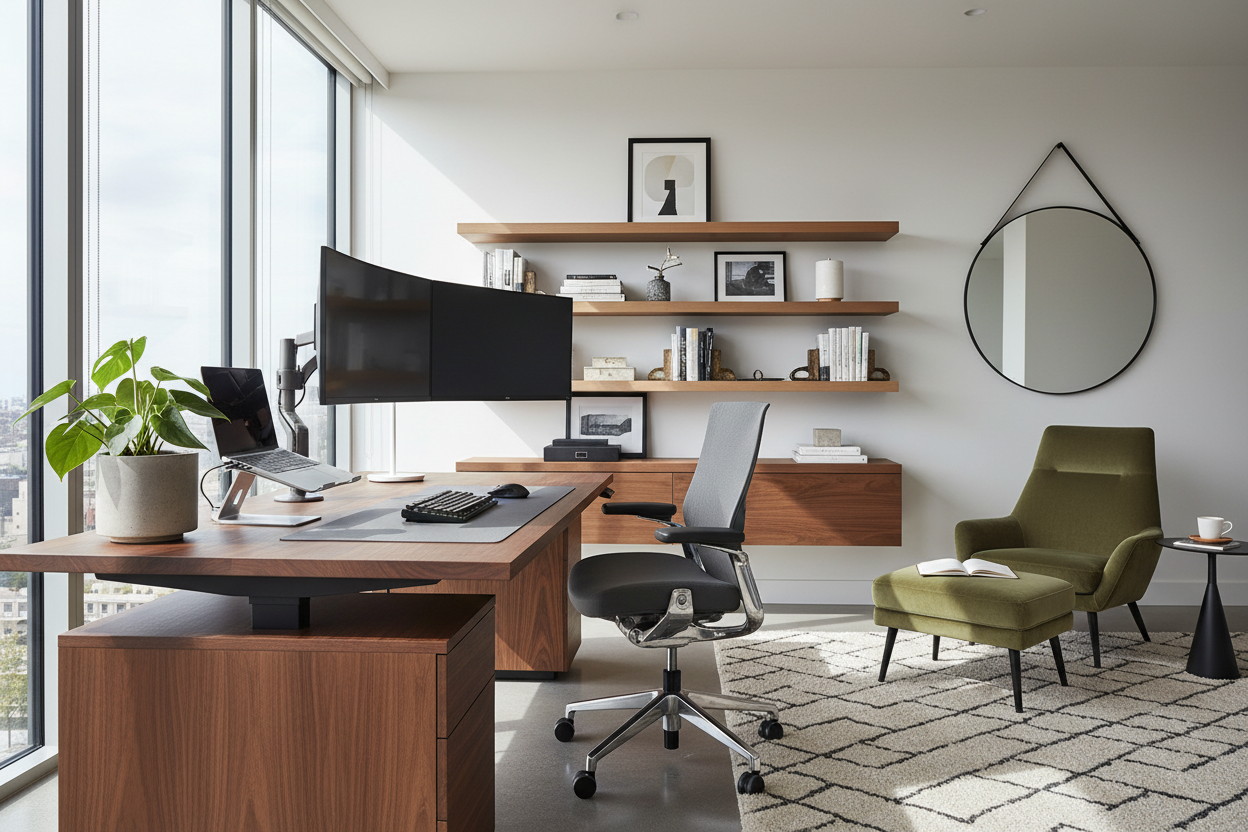
While the living room is the obvious habitat for these tables, their utility extends throughout the house. In a bathroom, a small wood table can stand next to a freestanding tub to hold toiletries, with the drawer keeping extra soaps or washcloths dust-free. In a home office, they make excellent printer stands if the dimensions align, with the drawer housing extra paper and ink cartridges.
Bedside manners also matter. In guest bedrooms, full-sized nightstands often feel bulky. A smaller accent table gives the room a more open, hotel-like feel while still providing guests a place to charge their phones and stow personal items away. The versatility of these pieces is what makes them such a smart investment; if you move to a new home, a table that once served as a nightstand can easily transition to being a plant stand in the hallway or a side table in the den.
Frequently Asked Questions
How do I stop a lightweight small table from tipping over when I open the drawer?
This is a common issue with narrow furniture. The best solution is to place heavier items in the back of the drawer or even secure a small weight inside the back of the cabinet structure if accessible. Alternatively, using museum wax on the feet can help grip hard flooring, providing resistance against the pull of the drawer.
Can I mix wood finishes if I add a new accent table to my room?
Absolutely, mixing woods adds depth and prevents a room from looking like a catalog set. The trick is to keep the undertones consistent; mix warm woods (like walnut and cherry) with other warm tones, and cool woods (like ash or gray-stained oak) with cool tones. If the contrast is high, try to repeat the accent wood color elsewhere in the room, perhaps in a picture frame or chair legs.
What is the ideal height for an accent table beside a sofa?
The general rule of thumb is that the table height should be within two inches of the sofa's arm height. It is generally better for the table to be slightly lower than the arm rather than higher, as this makes setting down a drink more natural and comfortable for the shoulder.

Leave a comment
This site is protected by hCaptcha and the hCaptcha Privacy Policy and Terms of Service apply.