Filters
43 products
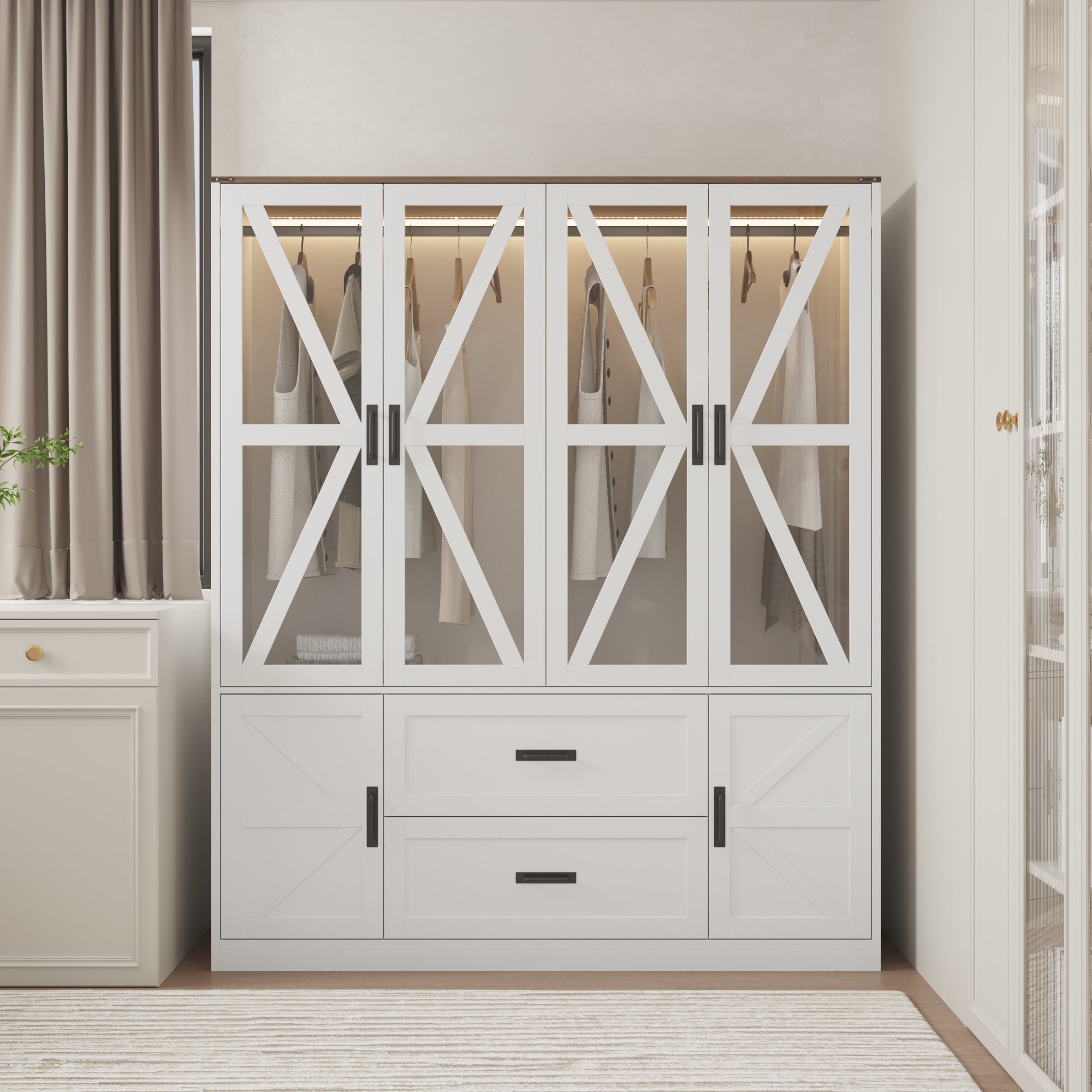
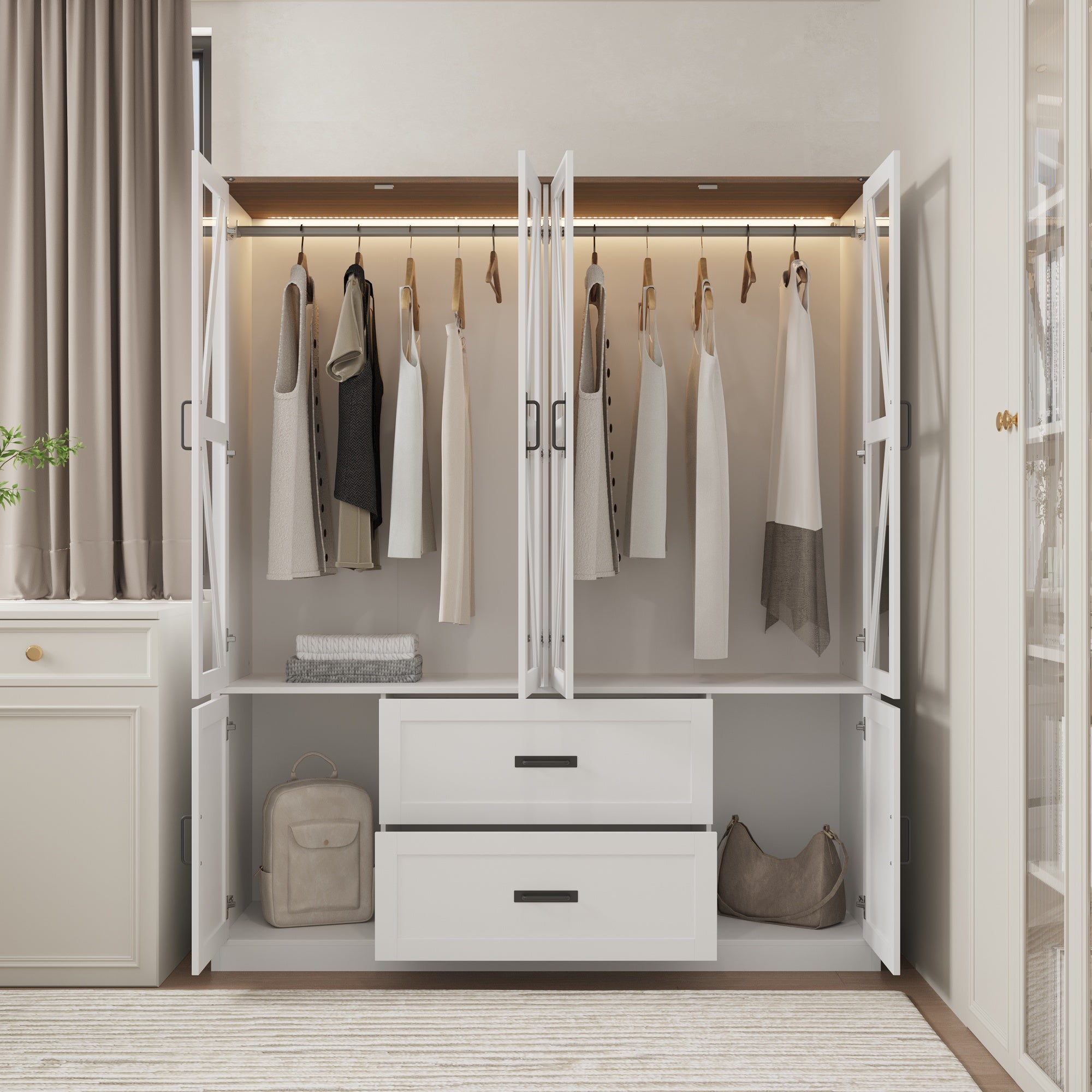
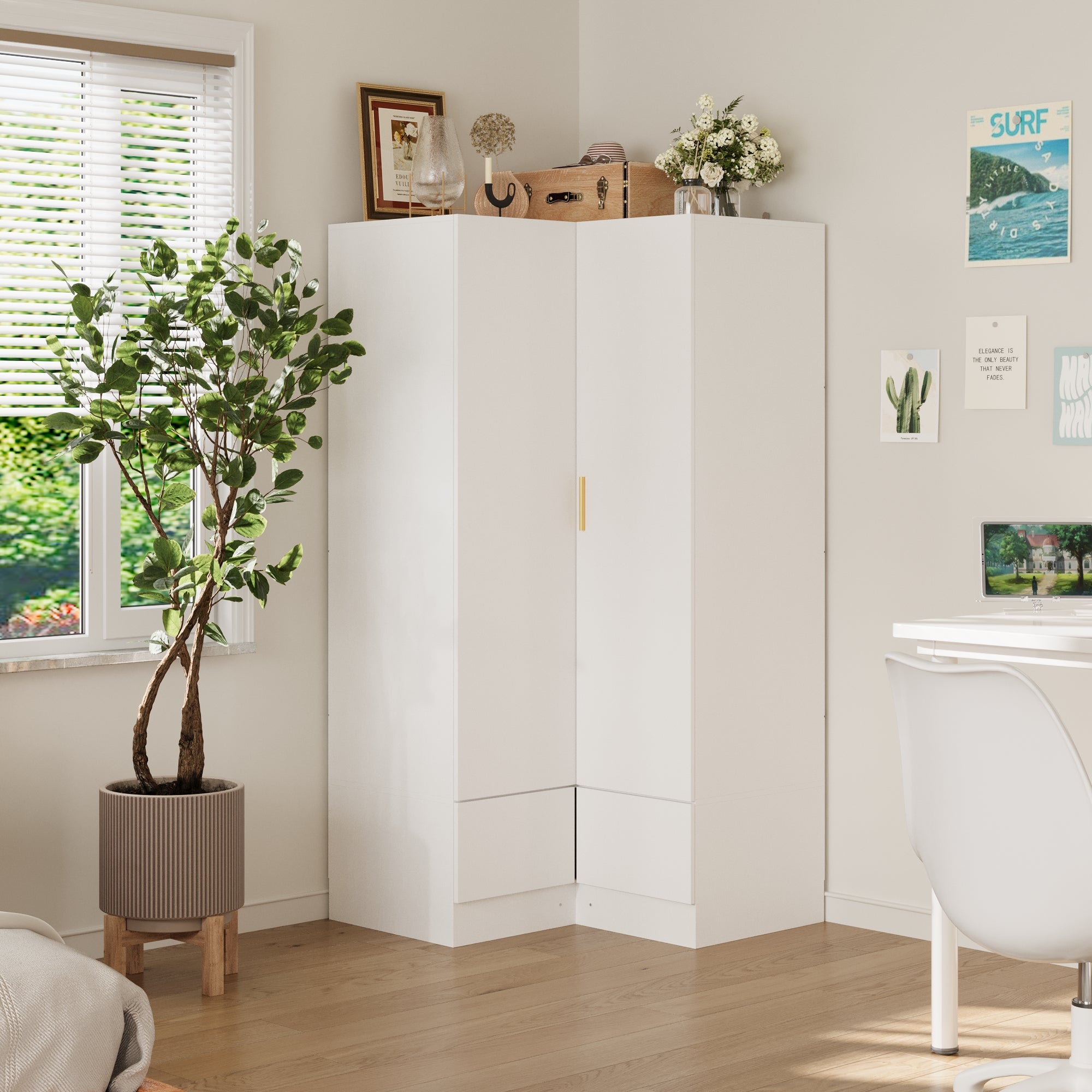
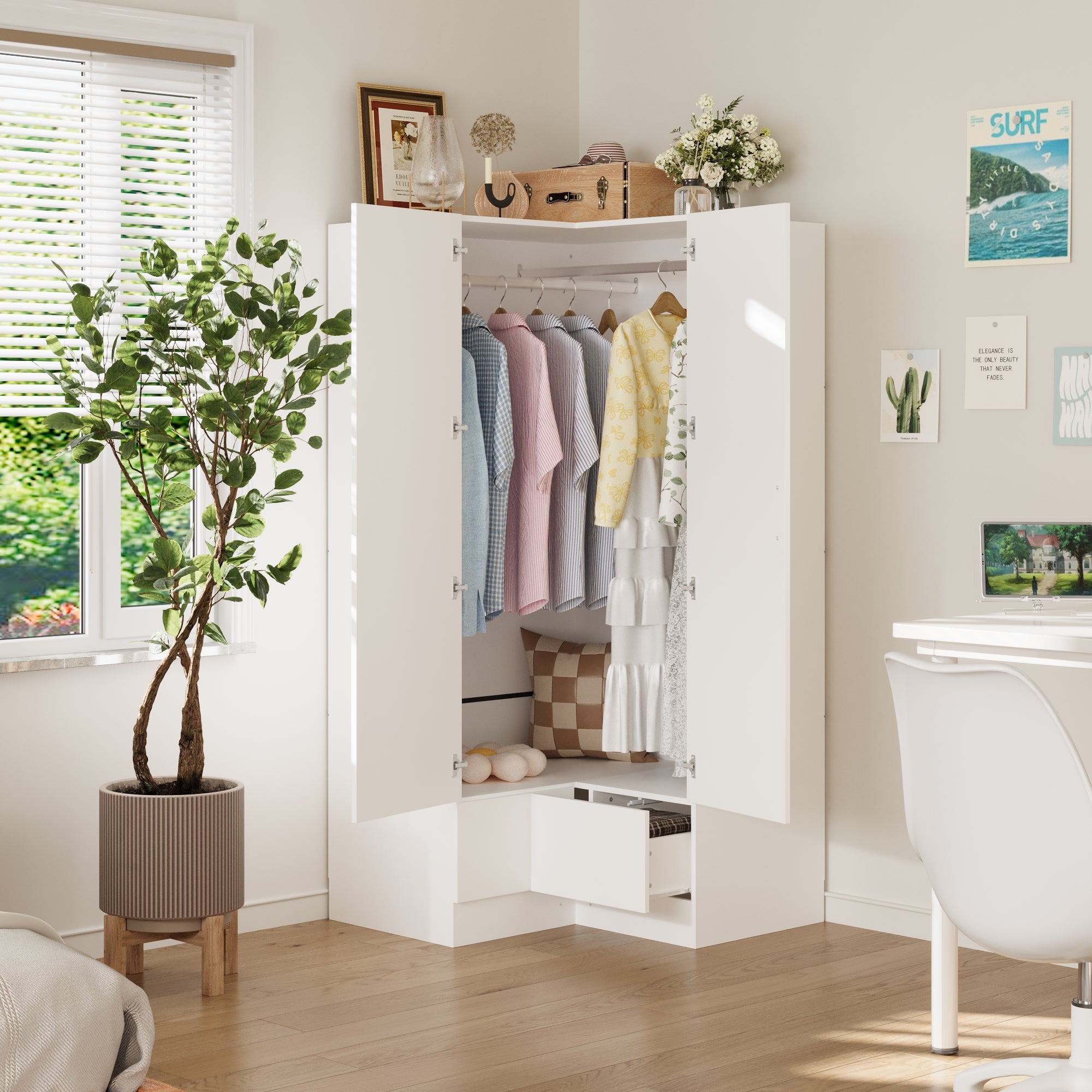
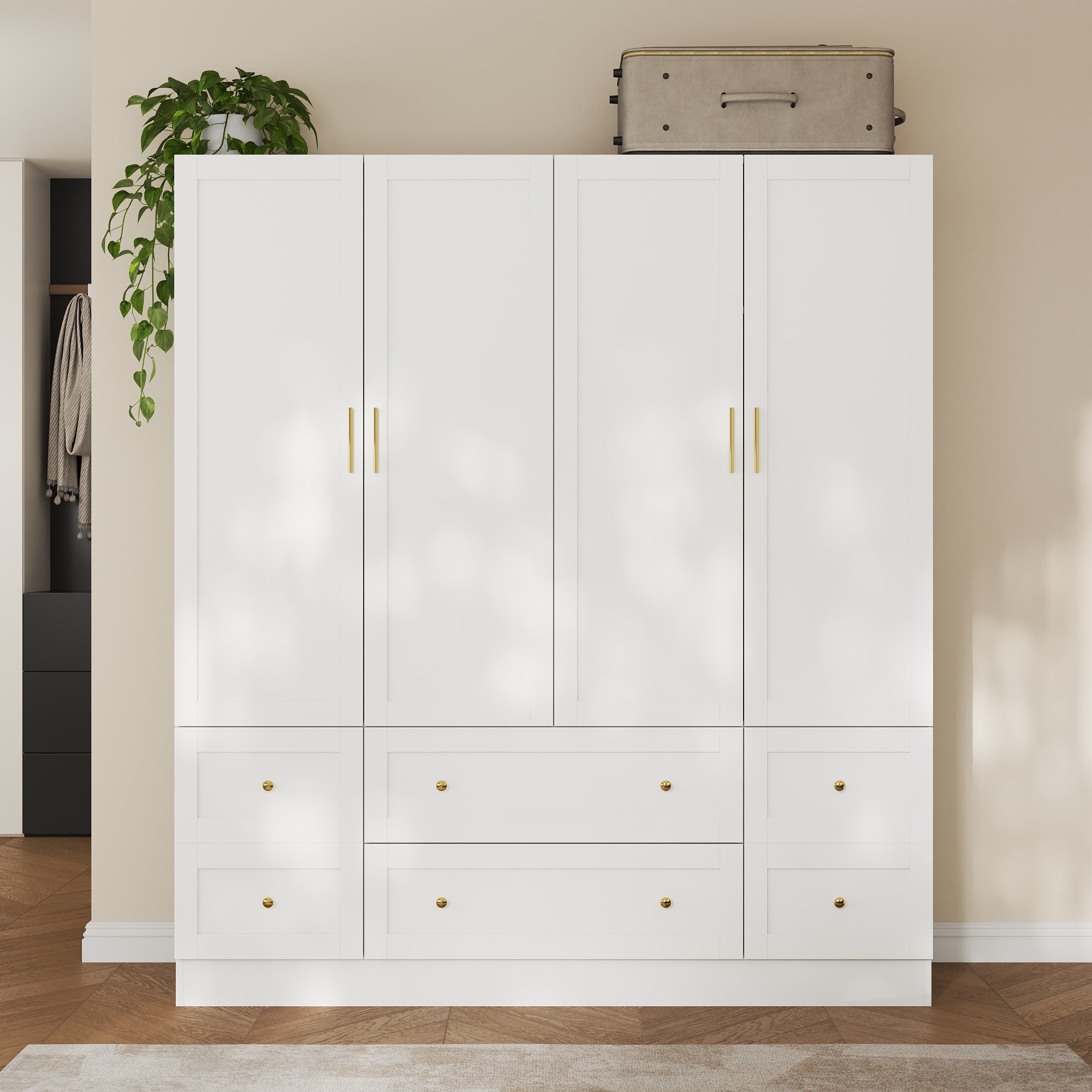
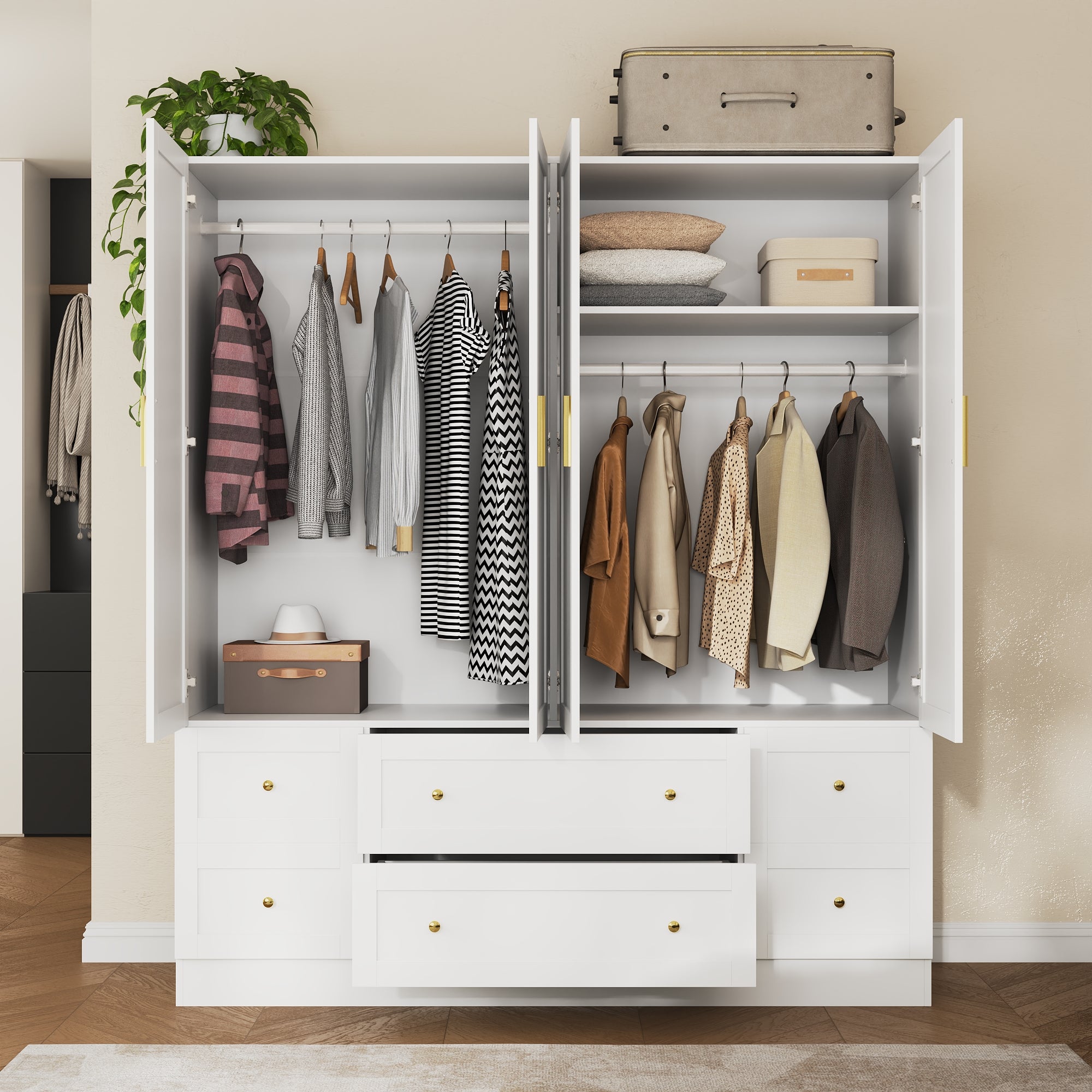
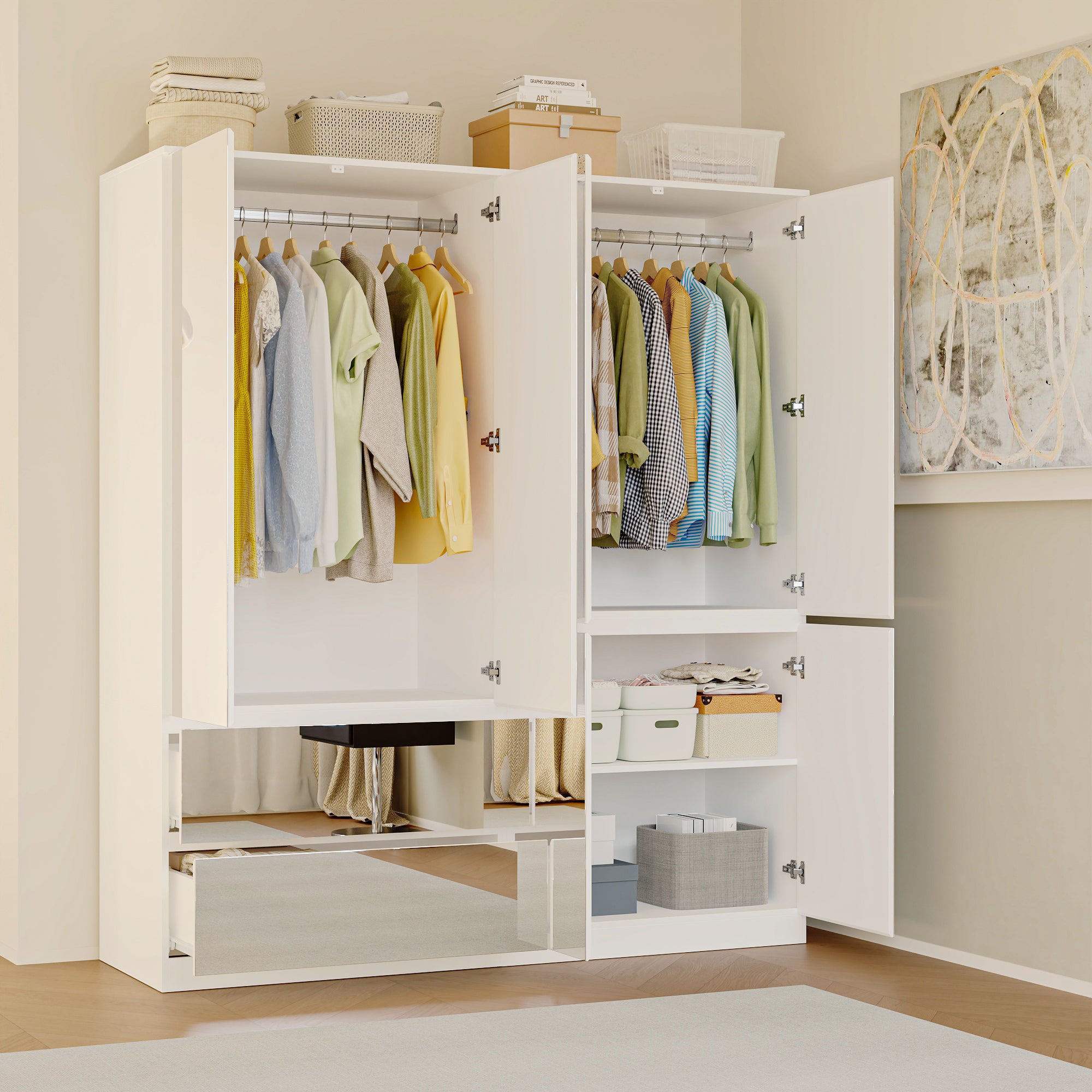
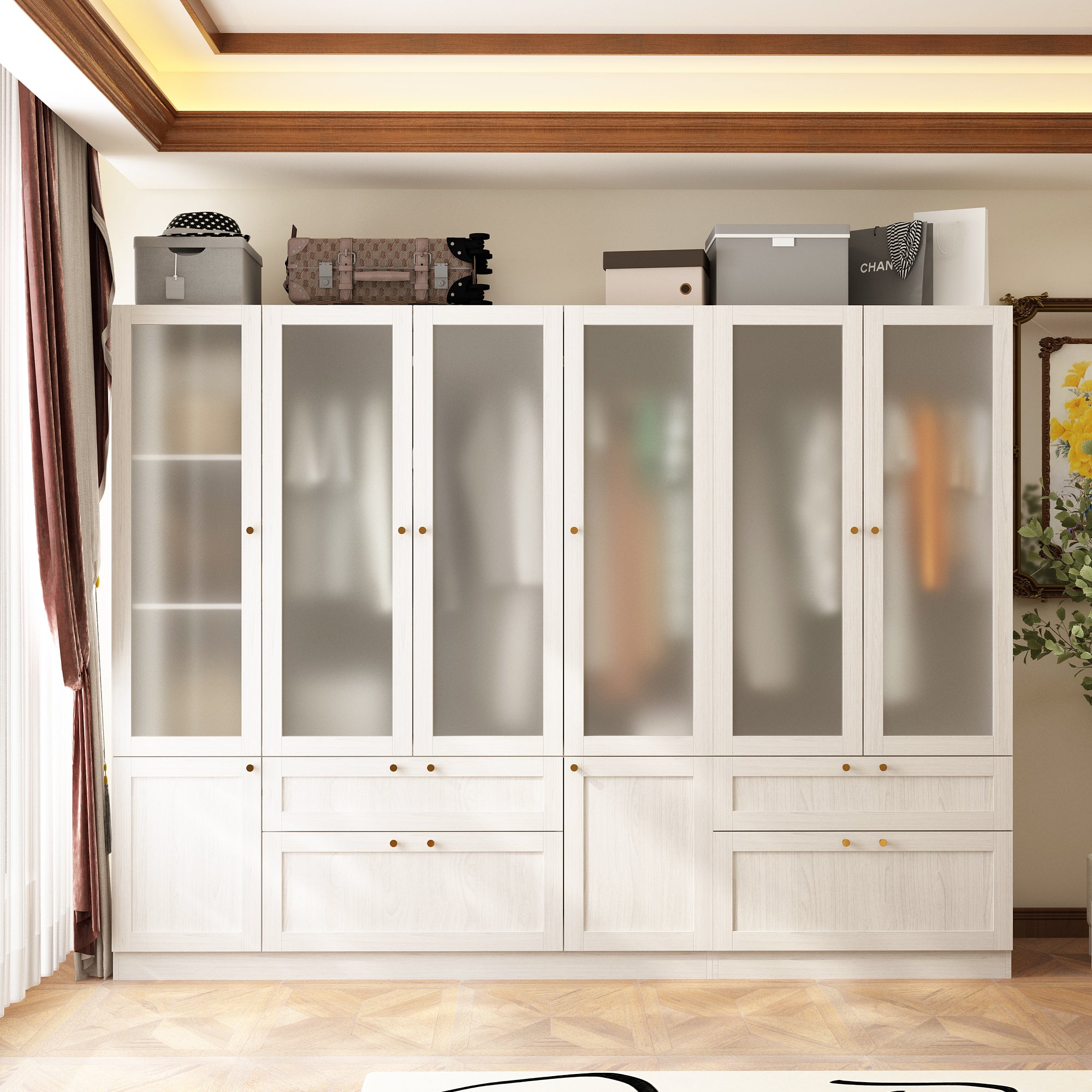
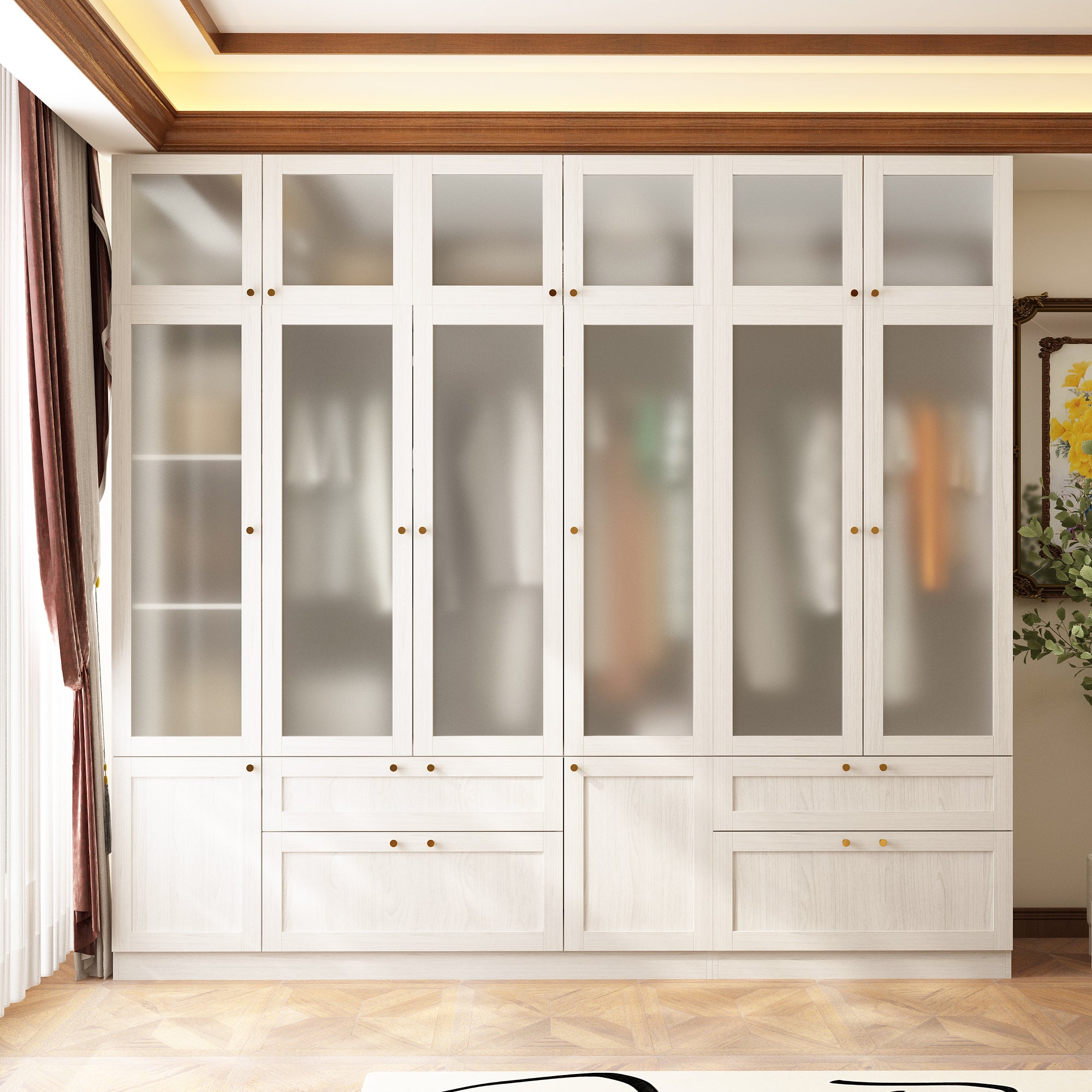
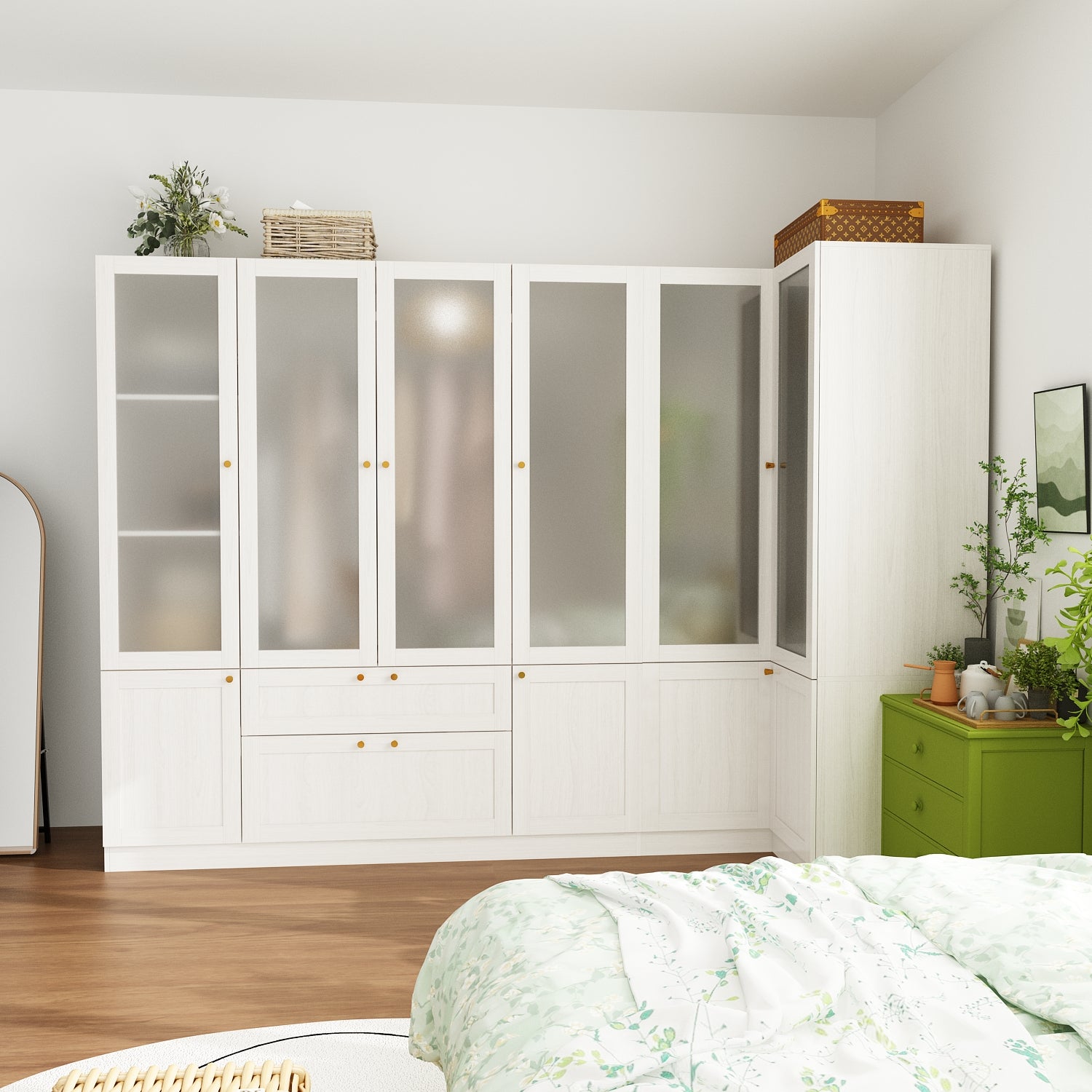
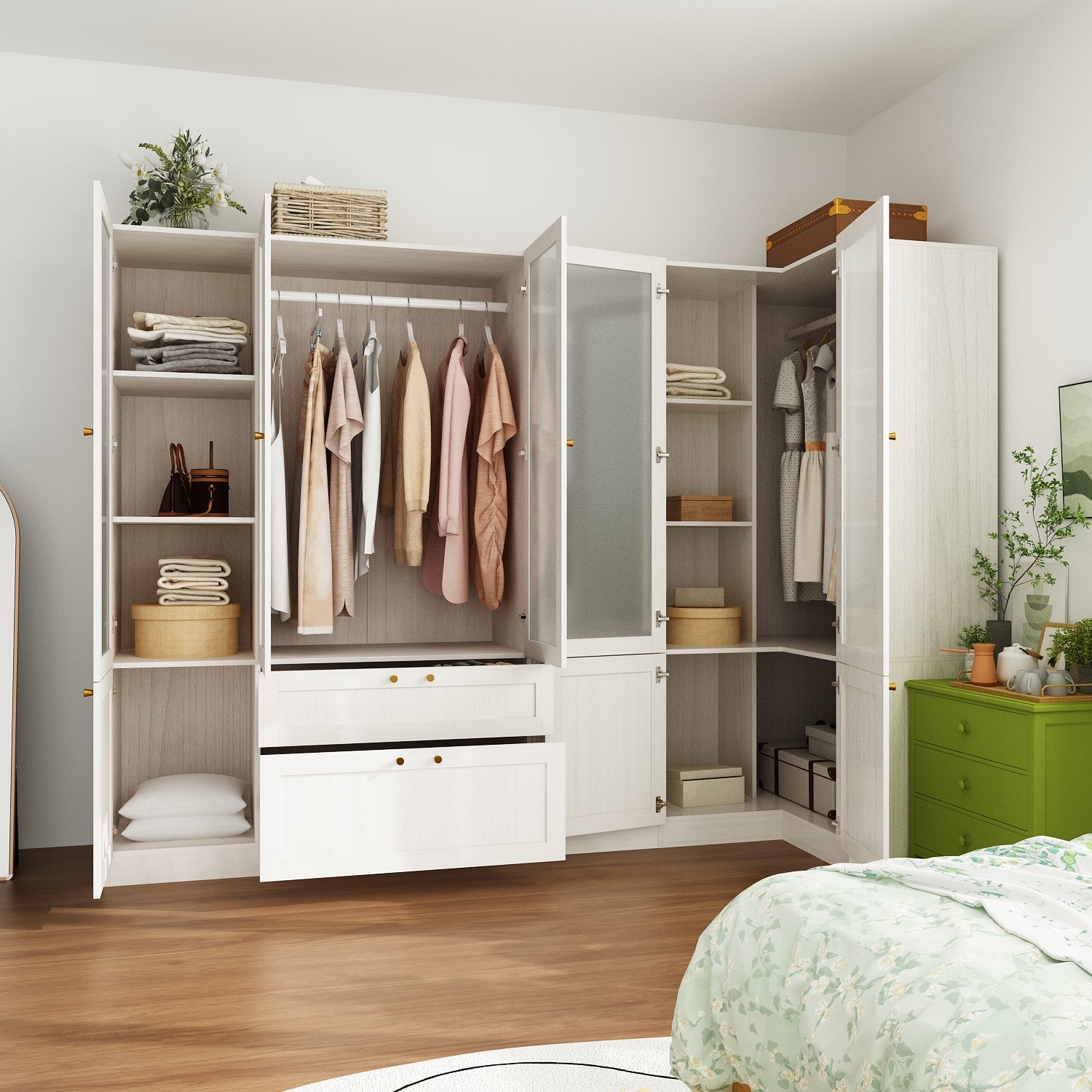
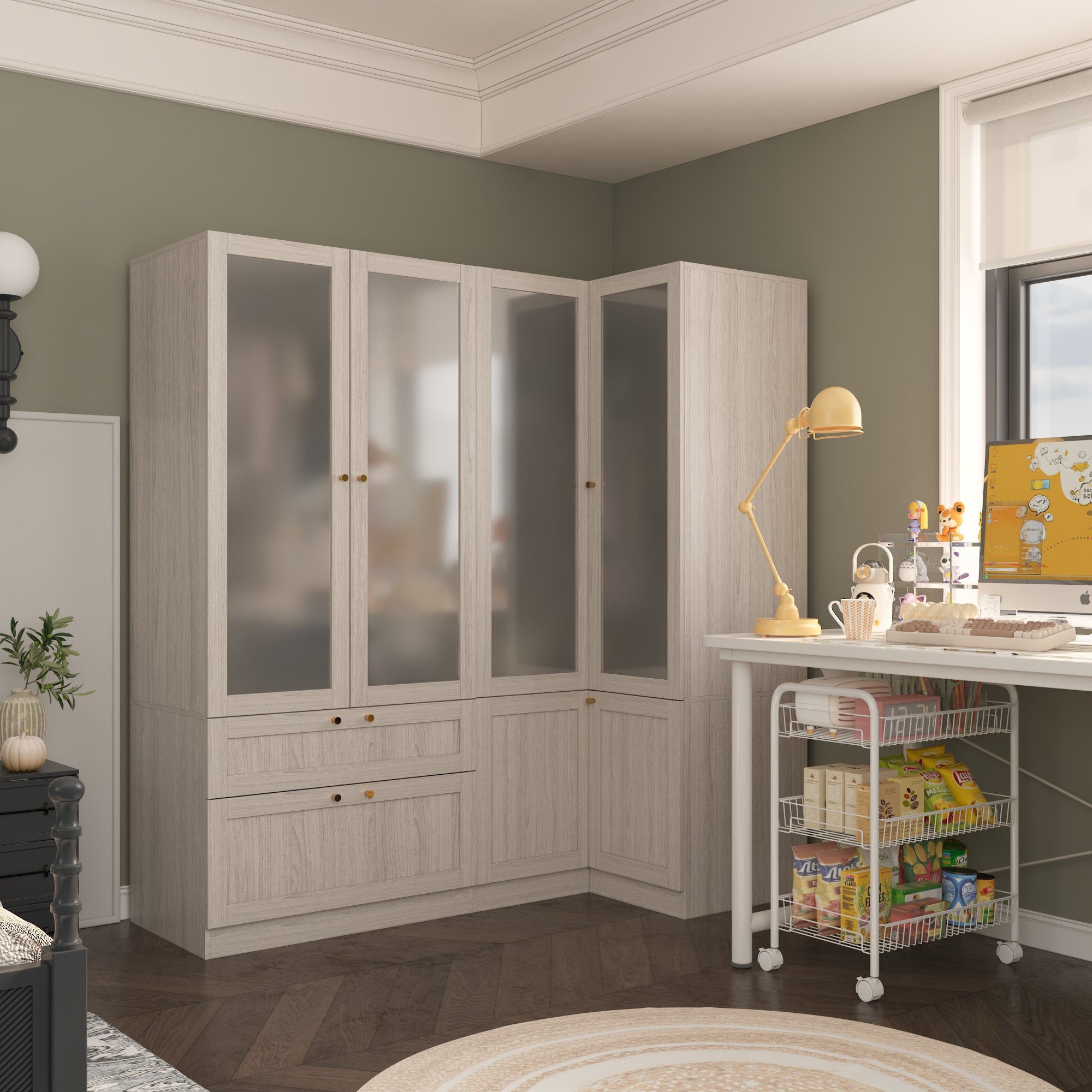
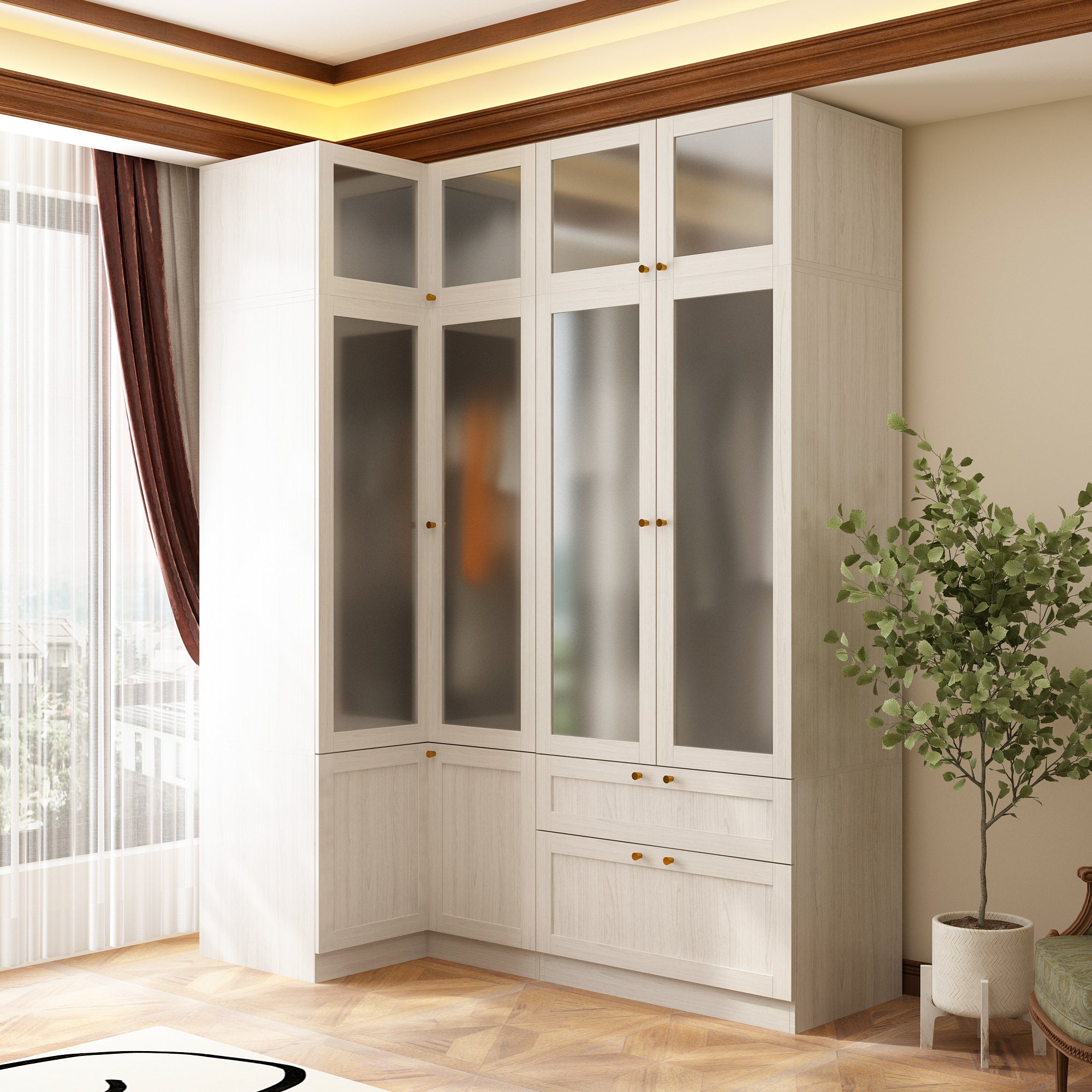
If you’re short on closet space or simply want a stylish way to organize clothes, armoires and wardrobes offer a practical solution that’s been working for centuries. Here’s a quick overview to get you started.
- What they are: Armoires and wardrobes are tall, cabinet-style storage pieces with doors, typically standing between 60” and 90” high. They serve as a freestanding closet when built-in options are too small or completely absent.
- What they do: Both can hide clutter behind solid or glass-paneled cabinet doors while providing hanging space, shelves, and drawers for clothes, linens, blankets, coats, and even media equipment.
- What’s available: Current furniture collections often include anywhere from a few dozen to several hundred models, ranging from minimalist white engineered wood to carved solid wood statement armoires with ornate hardware.
- Why they matter: Cabinet doors help maintain a clean, calm bedroom or studio look, especially in open-plan apartments where storage is in direct sight. They keep your belongings out of view while making your room feel more organized and intentional.
Give Your Wardrobe a Style Upgrade
Choosing the right armoire or wardrobe isn’t just about functionality—it’s an opportunity to transform your bedroom’s decor. The right piece can serve as a focal point that ties your entire room together.
High-gloss and lacquered finishes in soft neutrals like white, beige, and light gray bounce light around the room, making small spaces feel brighter and more open. Warm tones such as terracotta and blush add personality without overwhelming the space.
Popular contemporary combinations include:
- Matte white frames with oak-effect doors for a Scandinavian feel
- Black frames with smoked glass panels for a modern, sophisticated look
- Wardrobes with integrated LED strip lighting that illuminate interiors and add ambiance
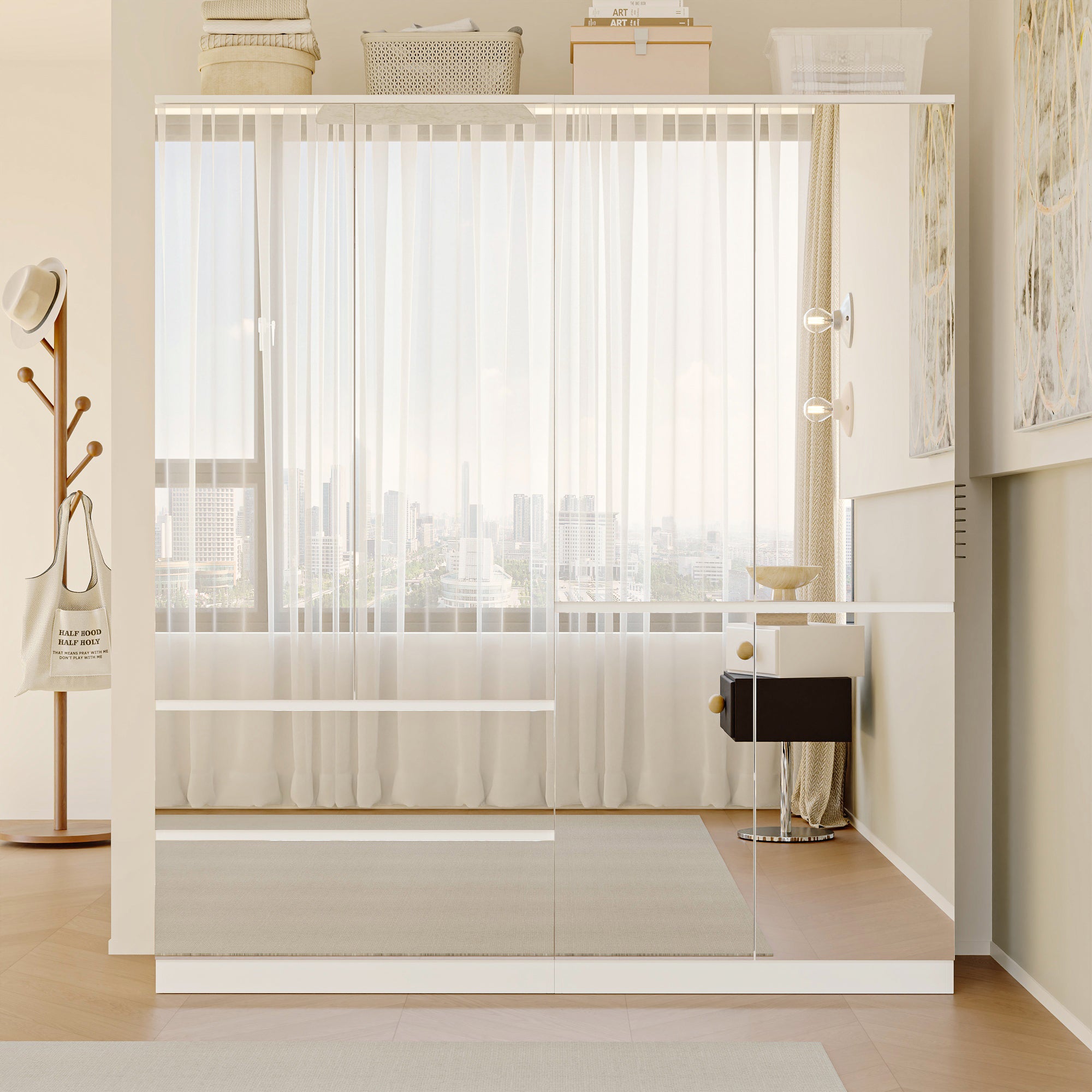
Mirrored wardrobe doors (typically full-height mirrors from 72” to 80”) can visually double your space and eliminate the need for a separate standing mirror. This is ideal for compact bedrooms where every square foot counts.
When shopping, consider mixing styles to suit your home:
|
Style |
Door Details |
Best For |
|---|---|---|
|
Modern Loft |
Handleless, flat-panel doors |
Minimalist apartments |
|
Farmhouse |
Framed shaker-style doors |
Rustic, cozy bedrooms |
|
Traditional |
Carved solid wood with decorative hardware |
Classic, elegant spaces |

Personal Wardrobe Planning Support
If you’re feeling overwhelmed by the options, you’re not alone. Many retailers now offer free or low-cost planning sessions by phone or video, often available during extended hours (for example, 8:00 AM to 10:00 PM local time).
Here’s what a planning session can help you accomplish:
- Measure your room accurately, including ceiling height and any obstacles like radiators or windows
- Map out wall space to determine the ideal configuration
- Design a coordinated layout combining corner wardrobes, tall units, and chests into one unified system
Digital tools have also made planning easier than ever. Many furniture websites offer online wardrobe planners where you can drag-and-drop frames, drawers, baskets, and rods to visualize exactly how an armoire or wardrobe will look in your space before you commit to ordering.
For inspiration, look for short videos or digital lookbooks that showcase complete wardrobe combinations tailored to different lifestyles—whether you’re a minimalist, a growing family, or someone with an extensive clothing collection.
Customizing Interiors: What Belongs in Your Wardrobe
The exterior of your armoire might catch attention, but it’s the interior that determines how well it works for your daily routine. Getting the right mix of components can mean the difference between a wardrobe that stays neat and one that descends into chaos.
Common interior components include:
- Full-length hanging rods for dresses, coats, and long garments
- Half-height hanging sections for shirts, blouses, and trousers
- Adjustable shelves for folded knits, sweaters, and bags
- Soft-close drawers for underwear, socks, and accessories
Interior organizers worth considering:
- Pull-out trouser racks that keep pants wrinkle-free
- Jewelry trays with compartments for rings, watches, and necklaces
- Shoe shelves angled at about 30° for easy visibility and access
- Fabric baskets for scarves, belts, and seasonal items
One practical feature to look for: adjustable shelving holes spaced roughly every 1” to 2”. This allows you to raise or lower shelves as your wardrobe evolves over the years—ideal when your storage needs shift from work clothes to casual wear, or when you need to accommodate different items.
Example layout: A 79” tall, 3-door wardrobe might feature a double hanging section on the left side for longer items, with the right side divided into upper shelves for folded clothes and lower full extension drawers for accessories and linens.

Tools to Design Your Perfect Layout
Modern browser-based wardrobe planners let you experiment with configurations before making any purchases. Here’s how they typically work:
- Select your frame dimensions (common widths include 19”, 29”, and 39”)
- Choose height and door style based on your room and preferences
- Add interior components like rods, drawers, shoe racks, and baskets
- View the final design in a 3D visualization
Many tools output a complete parts list with a price breakdown, helping you stay within budget while ensuring you have enough shelves, drawers, and hanging space.
You can usually save designs to an account, share them with family members, or bring them to a showroom or video appointment for expert feedback.
These planning tools help avoid common mistakes, such as:
- Forgetting to include enough hanging space for longer garments
- Miscalculating door swing clearance (hinged doors typically need 20”–24” of clear space in front)
- Underestimating how much drawer space you’ll need for folded items
Coordinated Bedroom Storage: Beyond a Single Wardrobe
A single wardrobe rarely does everything you need. Building a unified bedroom storage system using matching pieces creates both visual harmony and practical functionality.
Many furniture series include wardrobes, tall armoires, bedside tables, chests of drawers, and even storage benches—all in the same finish and hardware. This makes it easy to fill your bedroom with coordinated pieces.
Tips for creating a coordinated look:
- Mix and match within one color palette (e.g., white + light oak) to create a harmonious but not overly uniform feel
- Pair a tall armoire with a low dresser to keep window lines clear and maintain natural light, especially in smaller rooms
- Use coordinated storage to make reorganizing easier—seasonal items can shift between the armoire, under-bed storage, and dressers without creating visual clutter
Consider your layout carefully. A chest of drawers beside a tall wardrobe creates visual interest through varied heights while maximizing your storage options.
Armoires Outside the Bedroom
While wardrobes armoires are bedroom staples, their functionality extends throughout the house. Here’s how to use them in other living areas:
Entryways and hallways: A narrow, shallow armoire works perfectly as a coat closet, storing jackets, bags, shoes, and coats behind closed doors. Look for pieces around 18”–20” deep to avoid blocking walkways.
Living rooms: Media armoires can conceal TVs, gaming consoles, and tangled cables. Features to look for include adjustable shelves sized for electronics, ventilation cutouts, and cable management holes in the back panel.
Home offices: An armoire with file drawers, pull-out keyboard shelves, and doors that close at the end of the workday creates a separate workspace that disappears when you’re off the clock. This is especially valuable in studio apartments where work and home life share the same room.
Flexible options: For renters who relocate frequently, look for armoires on casters or modular systems that can be reconfigured and moved easily. These versatile pieces adapt to different apartments and layouts over time.
Budgeting, Financing & Value Over Time
Wardrobes and armoires are long-term investments in your home’s organization and style. Understanding the price range and what affects value helps you make a smart decision.
Price ranges to expect:
|
Category |
Typical Price Range |
What You Get |
|---|---|---|
|
Budget |
Under $300 |
Flat-pack engineered wood, basic interiors |
|
Mid-range |
$300–$800 |
Better construction, more interior options |
|
Premium |
$800–$2,000+ |
Solid wood, custom features, statement pieces |
Many retailers offer store credit lines or project cards that allow buyers to spread payments over several months. This can be helpful when furnishing an entire bedroom at once or investing in a higher-quality piece.
Value features worth paying for:
- Durable metal hinges rated for thousands of open/close cycles
- Full-extension metal drawer slides (not plastic)
- Scratch-resistant finishes that maintain their appearance over years
- Modular systems that can be expanded later with additional frames or top cabinets
Modular expansion is particularly cost-effective. Adding an extra 20” or 30” frame later costs less than replacing an entire wardrobe when your needs grow.
Safety: Anchoring and Everyday Use
Tall wardrobes and armoires must be secured properly, especially in homes with children or pets. Tip-over accidents are preventable with the right precautions.
Anchoring basics:
- Manufacturers typically include tip-over restraint kits with furniture
- Install anchors into wall studs using appropriate screws (drywall anchors alone may not be sufficient for heavy pieces)
- Follow the specific installation instructions supplied with each product
Everyday safety checks:
- Level the wardrobe during installation—an unlevel piece is more prone to tipping
- Avoid overloading upper shelves with heavy items; keep weight distributed lower
- Never allow children to climb drawers or hang on doors
- Check anchors periodically over the years to ensure they remain secure
Modern safety features to look for:
- Soft-close hinges that prevent slamming
- Damped drawer slides that reduce the risk of pinched fingers
- Rounded interior corners on shelves and compartments
Types of Wardrobes and Armoires
Understanding the different types available helps you choose the ideal piece for your space and lifestyle.
Fitted wardrobes: Custom or semi-custom units built from floor to ceiling and wall to wall. These are installed permanently and tailored to exact room dimensions. They’re popular in urban apartments and modern builds where maximizing every inch matters.
Freestanding wardrobes: Movable tall cabinets that can be repositioned or taken when moving house. Common sizes range from 2-door single units (approximately 40” wide) to 4-door systems exceeding 100” in width.
Sliding-door wardrobes: Ideal for narrow rooms where hinged doors would block walkways or bump into beds. The doors glide on tracks, requiring zero clearance space in front.
Small-space solutions:
- Corner wardrobes that fit into otherwise unused angles
- Narrow single-door cabinets around 20” wide for tight spots
- Children’s wardrobes with lower hanging bars within reach of younger users

What’s the Difference Between an Armoire and a Wardrobe?
These terms are often used interchangeably, but there are distinctions worth knowing.
Wardrobe: A tall, freestanding wardrobe closet focused primarily on clothing storage. Designs tend to be straightforward, emphasizing practicality with a mix of hanging space and shelving. The term comes from Old French words meaning “to guard” and “garment.”
Armoire: Originating from French furniture traditions, an armoire tends to be more decorative. The word derives from Latin “armarium,” originally a place for storing arms and weapons before evolving into elegant clothespresses by the 14th century. Classic armoires often feature carved doors, ornate hardware, and panel details that showcase timeless elegance.
Key differences:
|
Aspect |
Wardrobe |
Armoire |
|---|---|---|
|
Origin |
Broader Anglo-European |
French tradition |
|
Design |
Often simpler, functional |
More decorative, ornate |
|
Versatility |
Primarily clothing |
Clothing, linens, media, office |
|
Size |
Various sizes, often narrower |
Typically larger, more imposing |
In everyday speech, the terms overlap considerably. The primary difference usually comes down to design and ornamentation—a carved rosewood piece with brass hardware reads as an armoire, while a clean-lined white cabinet reads as a wardrobe.
Materials: Engineered Wood vs Solid Wood
Material choice significantly affects durability, weight, price, and long-term value.
Engineered wood (MDF, particleboard with veneers):
- More affordable and lighter weight
- Available in many finishes including high-gloss and wood effects
- Common in modern wardrobes and flat-pack furniture
- May be susceptible to moisture damage if exposed
Solid wood (oak, maple, mango, rosewood):
- Heavier and more durable
- Can often be refinished or repaired over decades
- Makes excellent heirloom-quality pieces
- Higher price point reflects craftsmanship and longevity
Hybrid construction:
Many pieces use solid wood frames with engineered wood panels or interiors. This balances cost and stability while keeping weight manageable.
Sustainability considerations: Look for certified woods from responsibly managed forests, low-VOC finishes that reduce off-gassing, and manufacturers committed to sustainable sourcing practices.
Choosing the Right Armoire or Wardrobe for Your Space
Selecting the perfect piece requires balancing measurements, layout, and style with your practical needs.
Step 1: Measure carefully
Before shopping, measure:
- Ceiling height (for tall units that reach the ceiling)
- Wall width available for the wardrobe
- Depth available, leaving clearance for hinged doors (usually at least 20”–24” in front of the unit)
- Doorway dimensions if the piece arrives assembled
Step 2: Consider room usage
|
Room Type |
Recommended Configuration |
|---|---|
|
Guest rooms |
Compact 2-door wardrobe with a few shelves |
|
Primary bedroom |
Full system with separate hanging zones for different clothing types |
|
Children’s room |
Lower hanging bars, accessible drawers, bright colors |
|
Studio apartment |
Multifunctional piece with closed storage to hide clutter |
Step 3: Match style to decor
- Contemporary: Clean lines, handleless doors, neutral colors
- Rustic farmhouse: Exposed wood grain, framed doors, warm tones
- Traditional: Crown molding, decorative hardware, carved details
Step 4: Add practical upgrades
Interior lighting (built-in or stick-on LEDs) dramatically improves daily usability, especially in darker rooms. Mirrored doors serve double duty as full-length mirrors and space expanders.

Small Spaces and Renters
If you’re living in an apartment, studio, or rental home where built-in closet space is limited, here’s how to make wardrobes work for you.
Space-saving options:
- Narrow wardrobes under 24” deep and under 40” wide fit between windows, beside doors, or next to beds without overpowering the room
- Corner units make use of angles that would otherwise go unused
- Wardrobes with raised legs or a small gap below allow light to flow under the unit, keeping small rooms from feeling cramped
Renter-friendly features:
- Modular, flat-pack armoires that can be disassembled and moved easily
- Units without wall anchoring requirements (though safety should still be prioritized with furniture straps)
- Neutral finishes that complement any apartment decor
Creating a complete storage solution:
Combine a compact wardrobe with:
- Over-door hooks for bags and accessories
- Under-bed storage boxes for seasonal items
- A small chest of drawers for items that don’t need hanging
This approach delivers comprehensive organizing clothes capacity without requiring permanent changes to your apartment—keeping your landlord happy and your belongings accessible.
FAQ
How deep should a wardrobe be for hanging clothes?
A comfortable interior depth for hanging adult clothes on standard hangers is around 21”–24”. This prevents sleeves and shoulders from rubbing against doors when closed. If you’re tight on space, angled hangers or slimline velvet hangers can help accommodate slightly shallower depths around 18”–20”.
Can I use an armoire as a pantry or linen closet?
Absolutely. Many people repurpose armoires for kitchen pantry storage, hallway linen closets, or even bathroom towel storage by adding extra adjustable shelves. Confirm the weight limits for each shelf (typically 15–30 lbs depending on material and span) and use shelf liners for pantry items to protect the interior finish.
Do wardrobes and armoires come assembled or flat-packed?
It depends on price point and construction. Many budget and mid-range units arrive flat-packed for easier delivery through standard doorways and up stairs. Some higher-end or solid wood armoires arrive partially or fully assembled, which requires measuring doorways, stairwells, and hallways in advance to ensure the piece will fit.
How long does it take to assemble a typical wardrobe?
For a basic 2-door engineered wood wardrobe, expect 1–3 hours with one person following instructions carefully. Multi-door systems with numerous interior components can take 4–6 hours or more. A second person makes lifting and aligning heavy panels much safer and faster.
What’s the best way to keep my wardrobe organized over time?
Practice seasonal edits twice a year, moving out-of-season items to under-bed storage or labeled boxes on top shelves. Use matching hangers to save space and create visual uniformity. Set limits on how many items each category (shirts, trousers, shoes) can occupy—this prevents overcrowding and keeps everything in perfect condition. Finally, declutter annually, donating or selling items you haven’t worn in over a year.
Whether you’re adding storage to a studio apartment or investing in a statement armoire for your primary bedroom, the right freestanding closet can transform how you organize clothes and experience your space daily. Start by measuring your room, deciding which interior features matter most to your routine, and choosing a style that complements your home’s personality. With so many wardrobes and armoires available across various sizes, finishes, and price points, you’re sure to find the ideal piece that balances functionality with the stylish, cozy aesthetic you’re after.