










We have all stared at that one dead corner in the living room. Maybe your fireplace is dominating the main wall, or an open-concept layout left you with nowhere logical to place a screen. When modern media consoles feel too cold or simply do not fit the room's architecture, an antique corner tv stand can anchor the space with warmth and history.
However, forcing 21st-century technology into 19th-century furniture requires a bit of strategy. In this guide, you will learn exactly how to measure for angled spaces, balance the visual weight of older wood pieces, and handle the inevitable cable management issues without ruining a beautiful antique.
Quick Decision Guide
- Measure depth, not just width: Corners eat up floor space rapidly. Ensure you have at least 36 inches of clearance from the front edge of the cabinet to your coffee table.
- Plan for DIY cable management: True antiques were not built for HDMI cords. Be prepared to drill discreet holes in the back panel.
- Watch the viewing height: Older cabinets often sit higher than modern media units. Keep the center of your screen at eye level when seated to avoid neck strain.
- Balance the visual weight: Pair heavy, dark wood antique pieces with lighter, modern upholstery to keep the room feeling intentional rather than outdated.
Solving the Awkward Corner Dilemma
Measuring the True Footprint
In typical North American suburban homes, we often deal with large windows and fireplaces competing for wall space. Tucking your media setup into a corner is a smart spatial solution, but it requires precise math. A piece that looks perfectly scaled against a flat wall will push much further out into the room when angled. Always tape out the footprint on your floor before committing to a piece, allowing for the negative space behind the unit where the corner tapers.
Blending Eras Without Clashing
The Visual Weight of Dark Wood
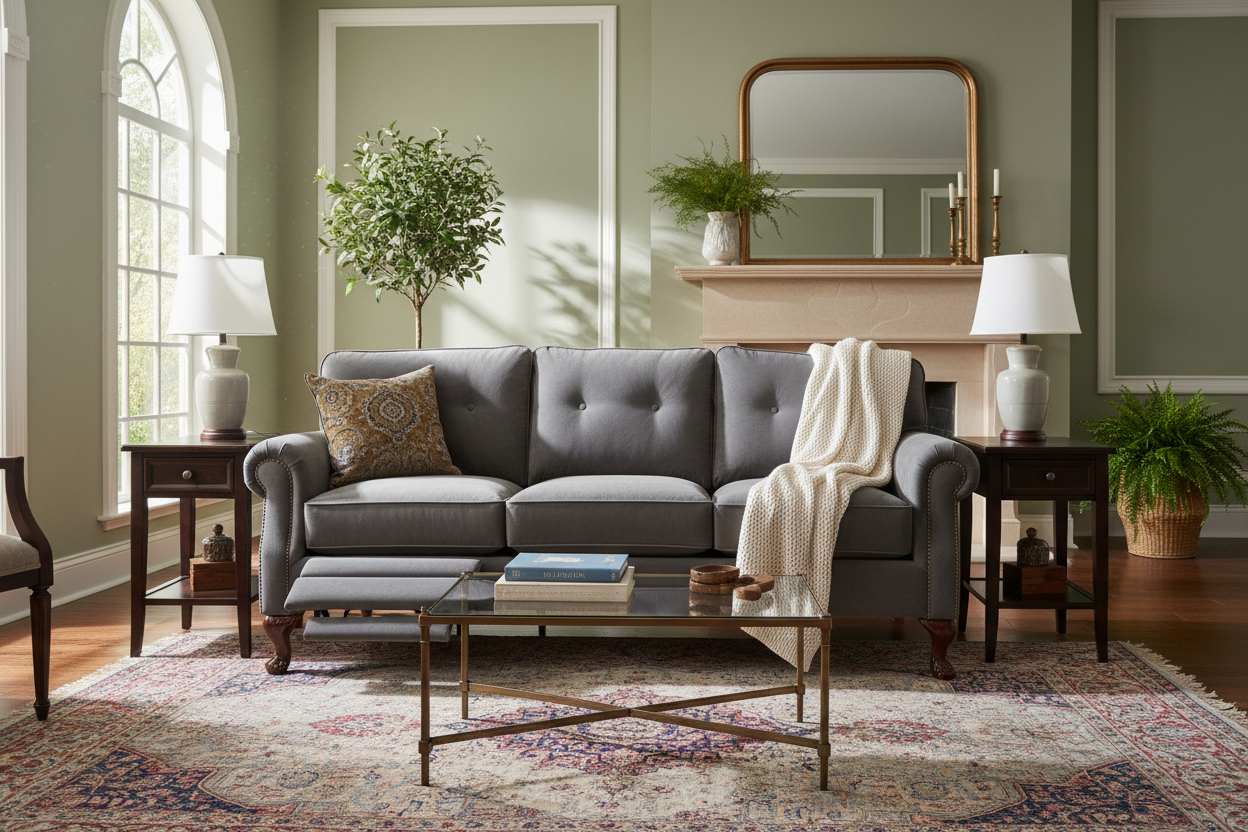
Integrating an older piece into a modern home is an exercise in proportion and contrast. If you bring in a heavy oak or mahogany unit, you need to balance that visual weight. I recommend pairing a vintage corner tv stand with clean-lined, transitional sofas or minimalist accent chairs. If everything in the room is antique, it quickly starts feeling like a museum rather than a comfortable family room. Let the stand act as a standalone focal point.
Embracing Different Silhouettes
Depending on your home's architecture, you might lean toward different eras. A retro corner tv stand with tapered legs and walnut veneer works beautifully in smaller apartments because the raised legs create a sense of airflow and expose more floor space. Conversely, a solid pine farmhouse-style cabinet grounds a larger, vaulted living room beautifully.
Lessons from My Own Projects
A few years ago, I sourced a stunning 1920s oak washstand for a client's Tudor-style home in Chicago. The plan was to use it as a media console in their tricky, angled living room. The carved details were gorgeous, and it fit the corner perfectly.
But here is the honest downside: true antiques are rarely deep enough for modern AV receivers, and old wood is incredibly sensitive to heat. After a month, the heat from the cable box started warping the interior shelf. We had to pull the back panel entirely for ventilation and cut custom holes for the mess of power cords. I also learned the hard way that older cabinets often sit at 34 to 36 inches high, which forced the TV screen slightly above the ideal ergonomic viewing angle. It looked beautiful, but if you watch three hours of television a night, that slight neck tilt becomes a real nuisance. Always measure your seated eye level before buying an older cabinet.
Frequently Asked Questions
How do I hide cords in an antique piece?
If the piece has a solid wood back, use a 2-inch hole saw attachment on your drill to create a discreet passthrough for cables. If you are hesitant to alter a valuable antique, run a paintable cord cover down the wall and bundle cables using zip ties behind the unit's legs.
What is the ideal height for a corner TV stand?
For optimal ergonomics, the center of your TV screen should be at eye level when you are seated on your sofa—typically about 42 inches from the floor. Because older cabinets can be tall, you may need a smaller TV or a lower-profile sofa to maintain a comfortable viewing angle.
Can an older cabinet hold the weight of a modern TV?
Modern flat screens are actually much lighter than the tube TVs of the past. A structurally sound solid wood cabinet can easily hold a 55-inch or 65-inch screen. However, you must ensure the top surface is wide enough so the TV's base or legs do not hang off the edges.

Dejar un comentario
Este sitio está protegido por hCaptcha y se aplican la Política de privacidad de hCaptcha y los Términos del servicio.