










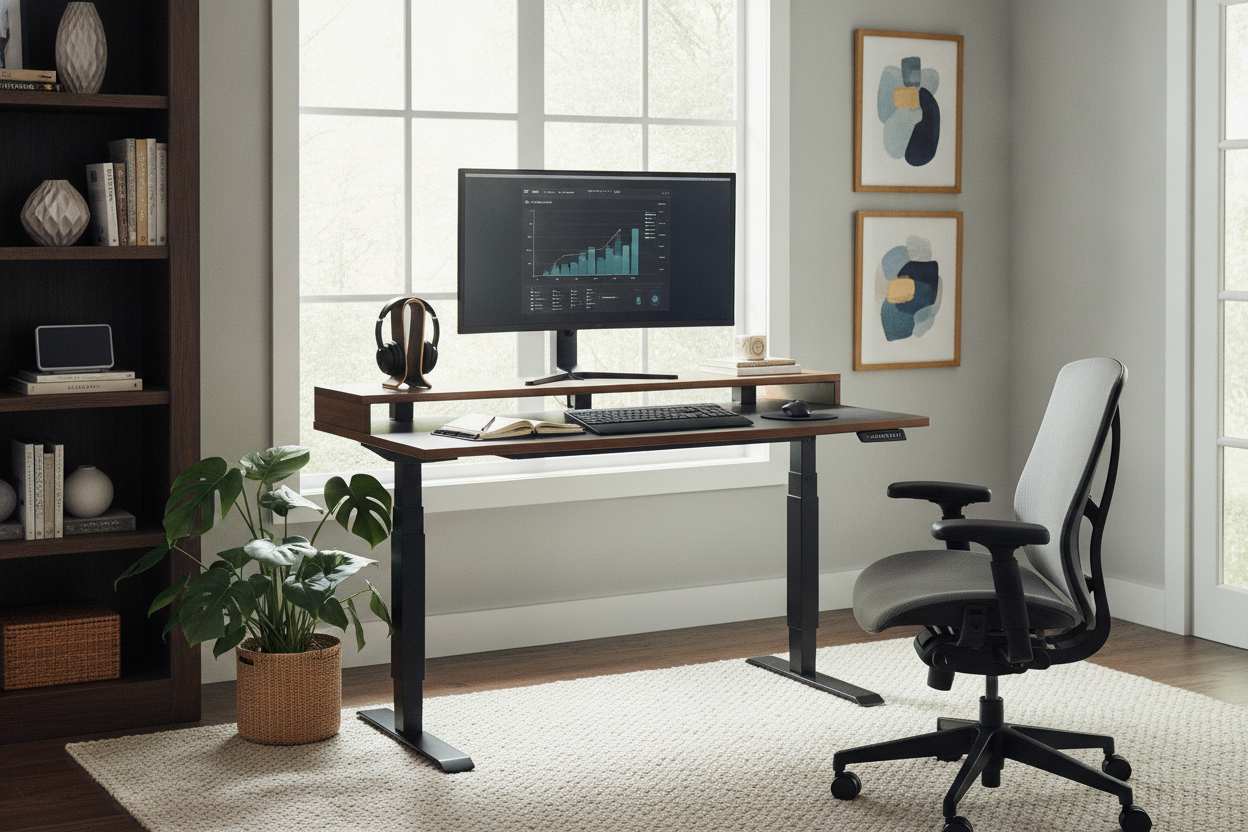
I remember the exact moment I hit 'order' on my first standing desk. It was 2 AM, my lower back felt like it had been through a trash compactor, and I had spent three hours deep in the trenches of Reddit office setup threads. Everyone kept pointing toward jarvis standing desks. They were the darling of the remote work boom, promising a mix of sleek aesthetics and heavy-duty engineering that wouldn't break the bank—or your spine.
Years later, my office looks different, but that desk is still here. It has survived three apartment moves, a spilled liter of cold brew, and the transition from a single laptop to a monstrous dual-monitor setup. If you are staring at 14 open tabs of furniture reviews, trying to figure out if the hype is real or just clever marketing, here is the ground truth from someone who has actually lived with one.
Quick Takeaways
- Stability is top-tier; even at 45 inches, it doesn't feel like a Jenga tower.
- The bamboo top is surprisingly resilient but does not like standing water.
- Assembly is a one-person job, but a power drill makes it 20 minutes faster.
- The motor is quiet enough for early morning calls without waking the house.
The Cult Status of the Jarvis Desk
Before every tech influencer had a motorized desk in their background, there was the Jarvis. Originally produced by Fully (and now part of the Herman Miller family), these desks became the default recommendation for anyone graduating from a kitchen table to a 'real' office. They didn't just sell a piece of furniture; they sold the idea that your workspace shouldn't be a static, soul-crushing cage. The jarvis standing desks occupied that sweet spot between the cheap, shaky models you find at big-box retailers and the $2,000 architectural pieces that require a corporate budget.
What really built the cult following was the customization. You could choose the frame color, the desktop material, and even the type of handset. It felt bespoke without the bespoke price tag. For a lot of us, it was the first piece of furniture we bought that felt like a long-term investment rather than a temporary fix. During the 2020 WFH explosion, jarvis desks were the gold standard because they offered a 15-year warranty on the frame and motors, something almost unheard of at that price point. It gave people peace of mind that their gear wouldn't die the moment the return window closed.
What Actually Matters: The Dreaded Wobble Test
Let's talk about the one thing that ruins a standing desk: the wobble. There is nothing more distracting than watching your monitors shake every time you type an email. Cheap desks use thin steel and loose tolerances, which results in a desk that feels like it's on a boat. I’ve tested the Jarvis at its maximum height with two 27-inch monitors mounted on a single arm—a literal recipe for instability—and it holds its ground. The heavy steel feet provide a low center of gravity that keeps things anchored.
The frame mechanics are what separate jarvis desks from the budget pack. The lifting columns are beefy, and the motor transition is smooth, not jerky. However, a stable desk is only part of the ergonomic equation. You still have to evaluate your own habits, because even the best furniture isn't a magical cure for bad posture. If you're leaning all your weight on one side or locking your knees, no amount of German-engineered steel will save your joints. The Jarvis provides the platform, but you still have to do the work of standing correctly.
Does the Famous Bamboo Top Hold Up?
The bamboo desktop is arguably the most popular choice for these desks. It has a clean, Scandinavian vibe that looks great in photos. But after three years of daily use, how does it actually look? In my experience, it's a mixed bag. The UV-cured coating is tough; I haven't seen any significant yellowing or fading, even though my desk sits directly in front of a south-facing window. It also resists keyboard scuffs remarkably well. I don't use a desk mat, and the surface where my wrists rub every day still has its original sheen.
The downside is moisture. I’m a design snob, and while I think these are some of the coolest standing desks I've found, the bamboo is still a natural material. I left a sweating glass of iced tea on the surface for four hours once, and it left a faint, permanent ring that no amount of wood cleaner could buff out. If you're a heavy coffee or tea drinker, use a coaster. The edges of the bamboo are nicely contoured, though, which makes a huge difference for your forearms during long typing sessions. It feels much more premium than a sharp, laminated particle-board edge.
The Final Verdict: Should You Still Buy One?
The market is much more crowded now than it was five years ago. You can hop online and find a generic desk with memory presets for significantly less money. So, is the Jarvis still worth the premium? If you value a warranty that actually means something and a frame that won't start squeaking after six months, yes. The motor longevity alone is worth the extra hundred bucks. I’ve seen budget desks burn out their control boxes within a year, leaving the owner with a very heavy, very expensive fixed-height table.
The real value of jarvis standing desks lies in the 'set it and forget it' nature of the product. Once you've programmed your sitting and standing heights, you don't have to think about it again. It’s a tool that works exactly how it’s supposed to, every single day. While there are flashier options with built-in OLED screens or integrated drawers, the Jarvis remains a reliable workhorse. If you want a desk that can handle the weight of a professional setup and the rigors of a 40-hour work week, it's still the one I’d put my own money on.
My Personal Experience
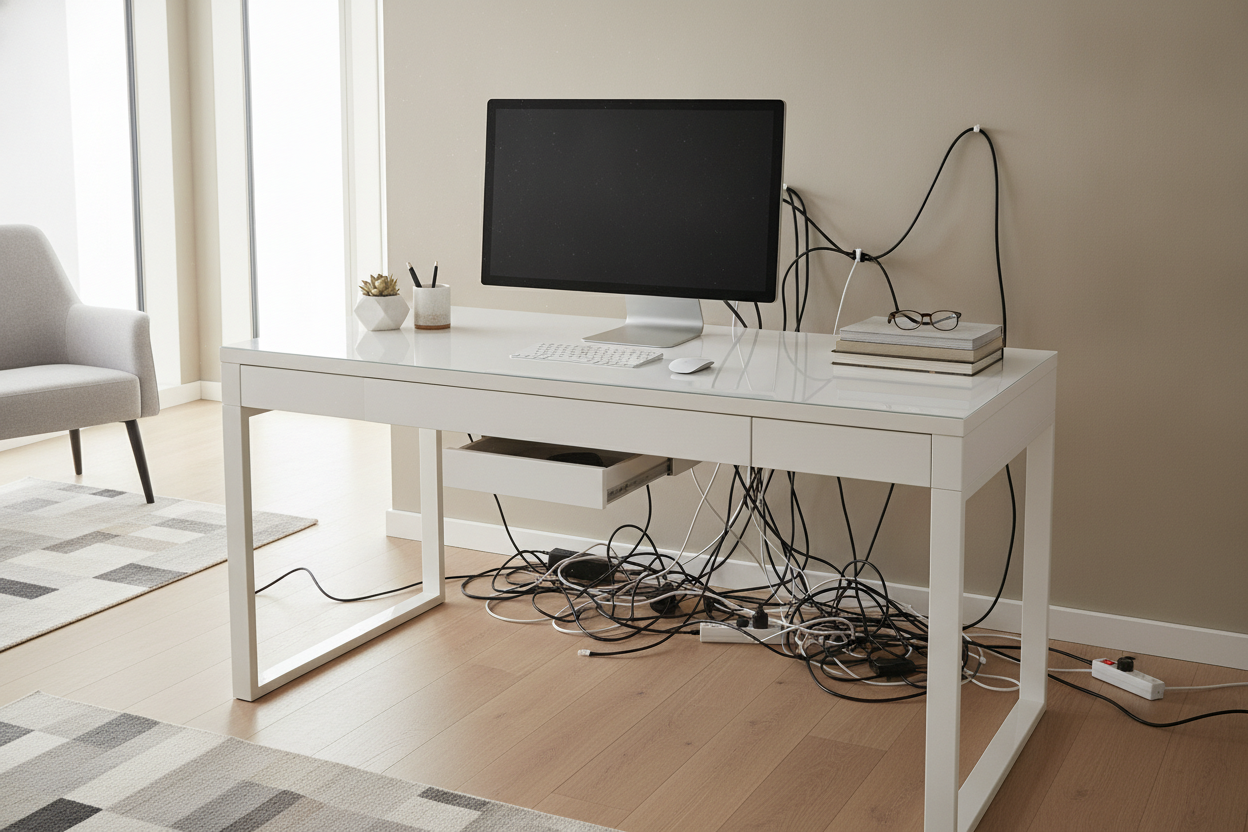
I made the mistake of trying to move my Jarvis across the room while it was fully loaded with gear. Don't do that. The weight of the steel frame is significant, and I ended up putting a deep gouge in my hardwood floor because I didn't lift it properly. It's built like a tank, which is great for stability, but a nightmare for moving day. Also, do yourself a favor and buy the optional cable management tray. The desk comes with a few adhesive clips, but they’re useless for a real setup. You want that tray to hide the 'spaghetti monster' of wires that inevitably forms under your workspace.
Frequently Asked Questions
How loud is the motor?
It's a low-frequency hum. If you're on a Zoom call and you adjust the height, the person on the other end likely won't hear a thing unless you have a very sensitive external microphone.
Is the assembly difficult?
It’s straightforward. The instructions are mostly illustrations. If you can put together an IKEA dresser, you can build a Jarvis. Just be prepared for the weight of the legs; they are heavier than they look.
Does the bamboo scratch easily?
It’s surprisingly hard, but it will scratch if you drag metal objects across it. For normal office use—laptops, mice, and notebooks—it holds up beautifully for years.

Dejar un comentario
Este sitio está protegido por hCaptcha y se aplican la Política de privacidad de hCaptcha y los Términos del servicio.