










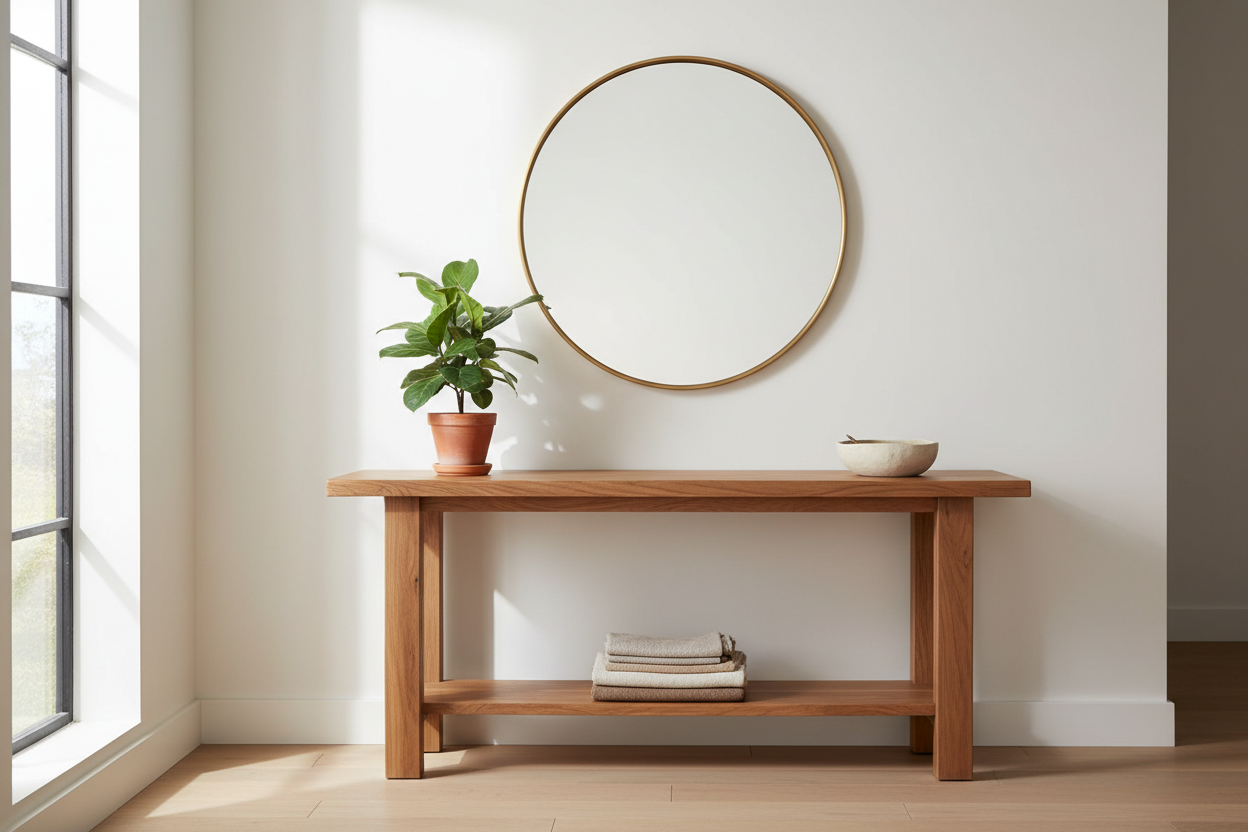
The moment someone steps through your front door, the tone of your home is set. It isn’t just about where guests drop their keys or kick off their shoes; it’s about that immediate feeling of arrival. A wood entryway table often serves as the anchor for this experience, bridging the gap between the chaotic outdoors and the sanctuary of your living space. Unlike metal or glass, wood offers an inherent warmth and organic texture that signals comfort immediately. Whether you are working with a sprawling grand foyer or a narrow hallway, selecting the right timber piece requires balancing functionality with that specific aesthetic appeal only natural grain can provide.
I learned the value of material selection the hard way a few years ago. I purchased a trendy, painted MDF console for my own hallway. It looked pristine for about three months until a wet umbrella was carelessly tossed onto the surface. The moisture seeped into the seams, the veneer bubbled, and the piece was ruined. That experience pushed me toward investing in a solid wood entrance table. The difference wasn't just in durability; it was the weight and presence of the furniture. When you bump into real wood, it feels grounded. It ages with the house rather than deteriorating, developing a patina that tells a story rather than showcasing damage.
Understanding Wood Species and Durability
Not all lumber is created equal, especially for high-traffic zones like the front door. Softwoods like pine are beautiful and often more affordable, offering a rustic, farmhouse charm. However, they dent easily. If you have a busy household with kids dropping heavy backpacks or dogs running past, pine might show wear and tear faster than you’d like. For a wood foyer table that needs to withstand daily abuse, hardwoods are the superior choice.
Oak, maple, and walnut are excellent contenders. Oak brings distinct grain patterns that hide dust and minor scratches exceptionally well. Walnut offers a darker, more sophisticated richness that works beautifully in modern or mid-century designs. The density of these woods ensures that your entrance table wood choice remains stable over decades, resisting the warping that can happen near drafty doors or heating vents.
Sizing Up Your Space
Scale is the most common stumbling block. A table that is too deep will choke the flow of traffic, while one that is too small will look like an afterthought floating in a void. Before falling in love with a vintage piece, measure your hallway width. You generally want at least 36 inches of clearance for comfortable walking space. If your entry is tight, a wood entry console table is your best friend. These are specifically designed to be long and shallow, hugging the wall while still providing enough surface area for a lamp and a catch-all tray.
Height matters just as much as depth. Standard console height is between 30 and 36 inches. If the table is too low, you have to stoop to drop your keys; if it's too high, it feels imposing. When I style homes, I usually look for tables that sit just below the hip. This height feels natural for interaction and allows you to place a mirror or artwork above the table without the arrangement hitting the ceiling.
Form and Function: Styles to Consider
The Classic Console
This is the workhorse of the foyer. Usually rectangular or demi-lune (half-moon), it fits flush against the wall. A console with drawers adds a layer of utility, giving you a place to hide mail, dog leashes, or spare change, keeping the foyer table wood surface clutter-free.
The Round Pedestal
If you are lucky enough to have a large, square foyer, a round table placed in the center is a dramatic design statement. It forces traffic to flow around it, creating a dynamic energy. A heavy, round wood foyer table serves as a centerpiece, perfect for holding a large floral arrangement or a sculptural element.
The Bench-Table Hybrid
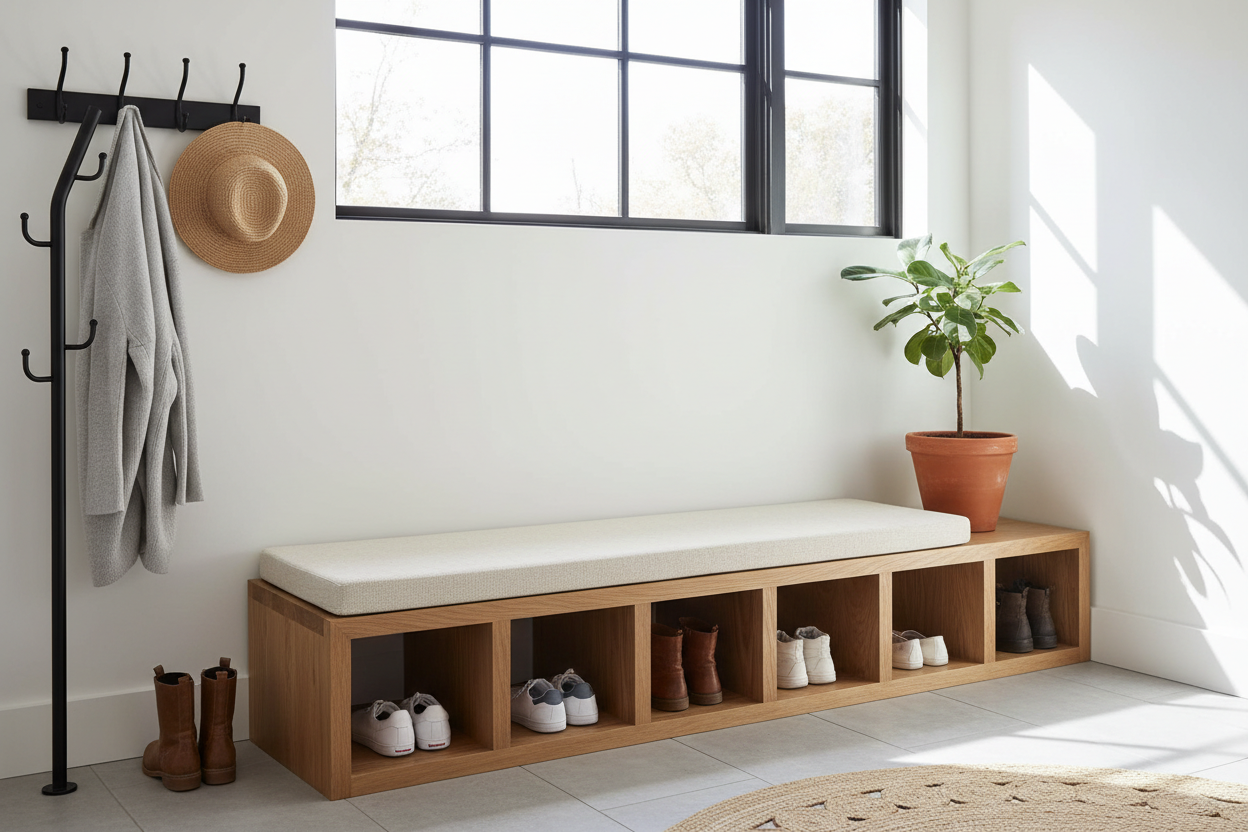
For smaller homes, versatility is key. Some wood tables are built sturdily enough to serve as a surface for decor but have a lower shelf for shoes or baskets. This dual-purpose approach creates a functional mudroom vibe without sacrificing the elegance of a furniture piece.
Styling Your Wood Table
Once you have the furniture in place, the styling brings it to life. Wood is a neutral canvas, but it can feel heavy if not balanced correctly. The goal is to mix textures. If you have a dark walnut table, avoid piling on dark, heavy accessories. Instead, contrast the warmth of the wood with cool materials like glass, ceramic, or metal.
Lighting is non-negotiable. A lamp on your wood entryway table provides that welcoming glow in the evening. Pair the lamp with a mirror mounted on the wall behind the table. This reflects light, making a cramped hallway feel larger and brighter. Add a touch of life with greenery—a simple fern or a vase of branches connects back to the organic nature of the wood.
Keep the surface functional. A designated tray or bowl for keys prevents scratches on the wood finish and keeps the look organized. The rule of three works well here: a vertical element (lamp), a horizontal element (tray/books), and a sculptural element (plant/object) usually create a balanced vignette.
Maintenance and Longevity
Real wood requires a bit of attention to stay looking its best. Unlike laminate, you can't just spray it with harsh chemicals. Dust regularly with a microfiber cloth to prevent buildup that can scratch the finish. Every few months, depending on the finish (oil, wax, or poly), you might need to feed the wood. I use a simple beeswax polish on my oak table; it brings out the grain and adds a protective layer against humidity changes.
Be mindful of sunlight. Direct UV exposure can fade or darken certain woods over time. If your foyer has a window facing the table, consider rotating your accessories occasionally so the wood ages evenly, or apply a window film to cut down on UV rays. A well-cared-for wood entry console table isn't just furniture; it eventually becomes an heirloom.
Frequently Asked Questions
Should the wood of my entry table match my floor?
No, it is actually better if they don't match perfectly. If the tones are too similar, the furniture disappears into the floor. Aim for a few shades lighter or darker, or use a rug to create visual separation between the floor and the table legs.
How do I protect a wood table from water rings?
Prevention is the best strategy. distinct coasters or a decorative tray should be used for any items that might hold moisture. If you want permanent protection, ensure the table is sealed with a high-quality polyurethane or lacquer finish, which creates a hard barrier against moisture.
Can I mix wood types in the foyer?
Absolutely. Mixing wood grains adds depth and character to a room. The trick is to keep the undertones consistent; for example, mix warm-toned woods (like cherry and oak) together, rather than clashing a warm wood with a cool, grey-toned wood.

Dejar un comentario
Este sitio está protegido por hCaptcha y se aplican la Política de privacidad de hCaptcha y los Términos del servicio.