










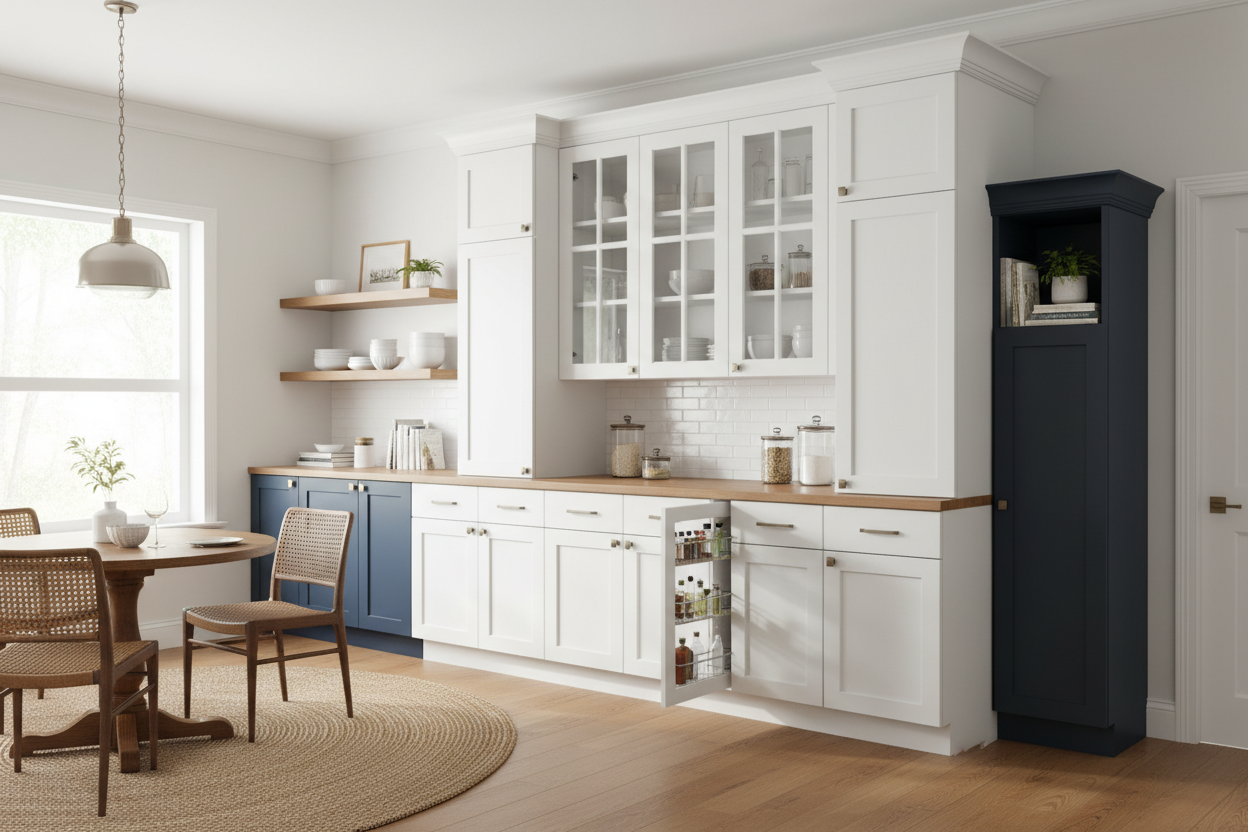
I spent three weeks staring at a $9,500 quote for custom millwork in my kitchen. My floor was covered in stacks of canned tomatoes and bulk-sized flour bags, and I just couldn't justify spending the price of a used car on a place to put my cereal. That is when I started looking at rooms to go cabinets as a sneaky, budget-friendly alternative.
Quick Takeaways
- Huge Savings: I spent roughly $1,200 total instead of the $9,000+ quoted for custom built-ins.
- Depth Matters: Living room cabinets are often shallower than kitchen cabinets, which is actually a win for small walkways.
- Safety First: You absolutely must anchor these to the wall studs if you plan on filling them with heavy pantry goods.
- Style Hack: Mixing a corner unit with a standard cabinet creates a 'wraparound' look that feels intentional and high-end.
Why I Skipped the Custom Millwork Quote
When the contractor handed me the estimate for a floor-to-ceiling pantry, I almost laughed. It was beautiful, sure, but it was basically just painted plywood and some shaker doors. I realized that if I could find furniture with the right dimensions, I could create a DIY rooms to go pantry setup that served the same purpose for a fraction of the cost.
The trick is looking for 'storage' rather than 'kitchen.' Most dedicated kitchen cabinets are 24 inches deep, which can swallow up a small breakfast nook. By pivotting to standard furniture pieces, I found I could get a much more streamlined look. Plus, I didn't have to wait six weeks for a carpenter to show up; I just needed a Saturday and a decent screwdriver.
Hunting for the Right Storage Piece
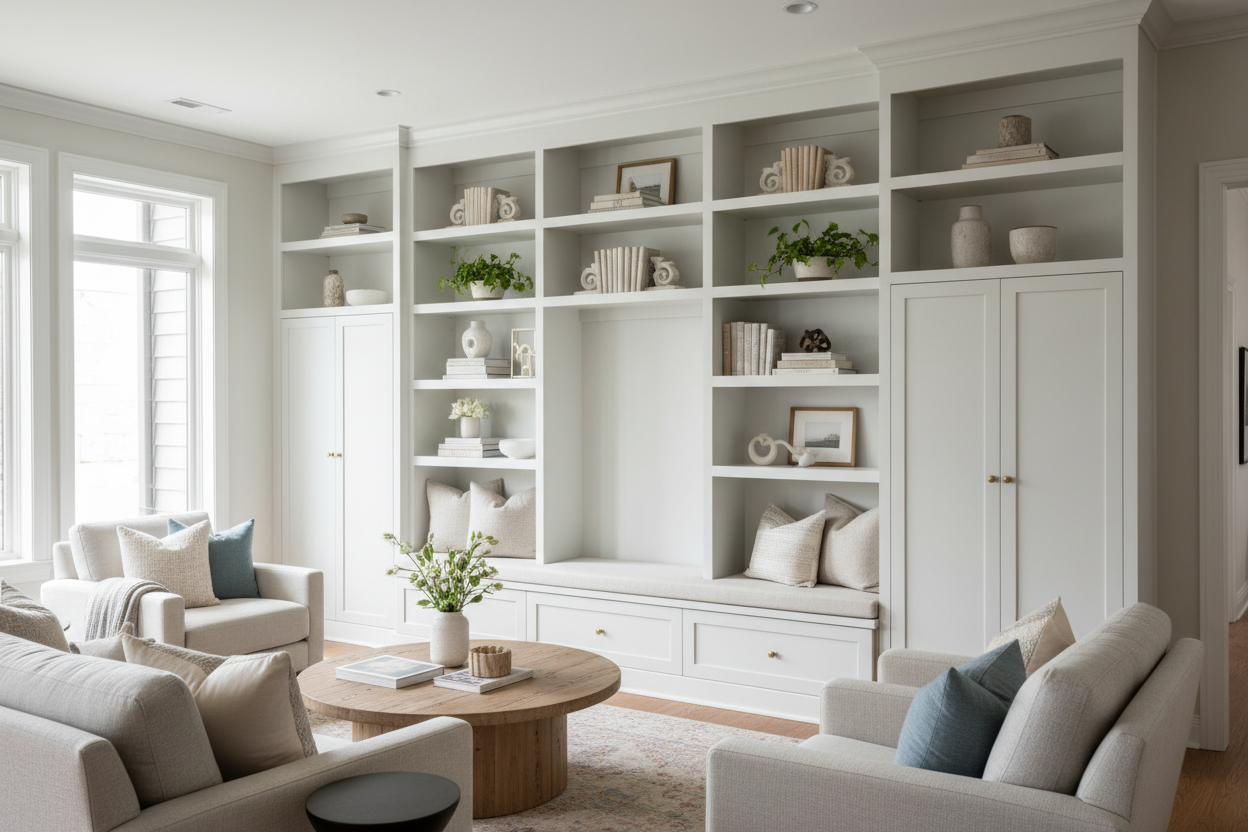
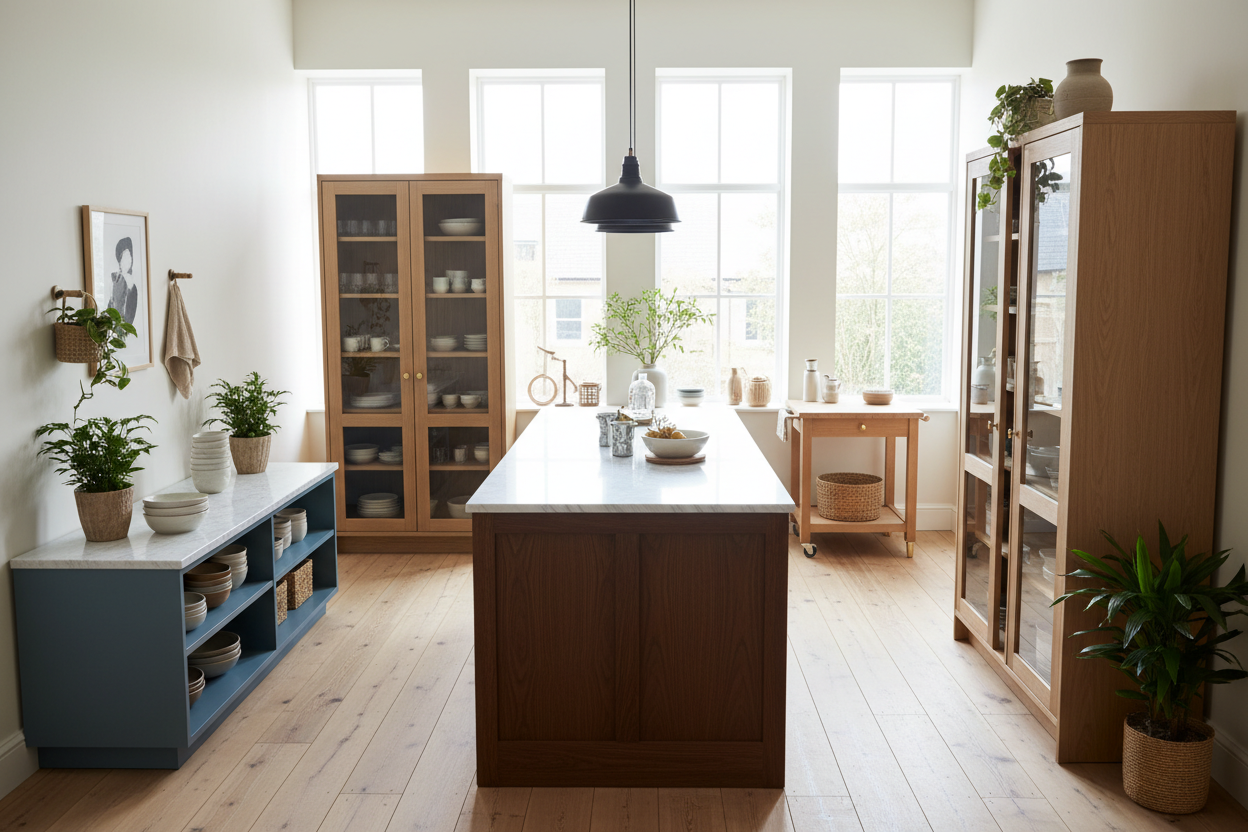
I spent hours measuring my dining room wall. I needed something that looked substantial but didn't block the flow to the back door. I looked at the rooms to go storage cabinet options in the dining and living room sections rather than just browsing the kitchen aisle. Most people forget that a media cabinet or a tall pier unit can easily double as a pantry cabinet.
I specifically compared these against a more traditional corner kitchen pantry cabinet set. While the dedicated kitchen units are great, they often look a bit 'utility.' The living room pieces have better molding and more interesting hardware. I ended up finding a set that was 18 inches deep—perfect for holding a row of cereal boxes without wasting space behind them.
The Fake Built-In Process (No Power Tools Required)
To make it look like a custom installation, I didn't just buy one piece. I bought a rooms to go accent cabinet for the main wall and flanked it with a matching rooms to go corner cabinet. When you push them together, the seams disappear into the corner, making it look like a single, massive piece of furniture that was built for the room.
I opted for a black cabinet with glass doors for the upper half. Putting glass at eye level keeps the room from feeling closed in. I used simple shims to level the units on my old, slightly slanted floors. Once they were level and screwed into the wall studs, they didn't budge. It feels solid, not like that wobbly flat-pack stuff you find at the grocery store.
What Actually Fits Inside (And What Doesn't)
Here is the honest truth about using non-kitchen furniture for food storage: you have to watch the weight. These are not 1-inch thick solid oak planks. I tested my heavy 6-quart stand mixer on an adjustable shelf, and it gave me a little too much 'flex' for comfort. I moved the heavy appliances to the bottom fixed shelf and used the upper adjustable shelves for lighter dry goods.
If you have a massive collection of cast iron or 50-pound bags of rice, you might want to look at a large food pantry kitchen cupboard that is specifically engineered for that kind of load. For my needs—pasta, snacks, and the occasional air fryer—the standard cabinets are holding up beautifully after six months of daily use.
The Final Verdict: Was the Hack Worth It?
I saved enough money to buy a new fridge and still had cash left over. Does it look exactly like custom millwork? If you look at the baseboards, you can tell it's furniture, but to 95% of the people who walk into my kitchen, it looks like a high-end built-in. It solved my clutter problem without a second mortgage.
Before you commit, I recommend reading up on the Rooms To Go china cabinet reviews to see how their finishes hold up over time. My advice: buy some high-quality brass hardware to replace the stock knobs. It's a $40 upgrade that makes a $600 cabinet look like it cost $2,000.
FAQ
Can you use a rooms to go pantry cabinet in a bathroom?
Yes, but make sure the room is well-ventilated. Most of these pieces use MDF or engineered wood, which can swell if they're constantly exposed to heavy steam from a shower.
How hard is the assembly?
It's straightforward but tedious. Plan on about two hours per unit. A power drill with a hex bit will save your wrists, just don't over-tighten the screws or you'll strip the pre-drilled holes.
Do these cabinets come with wall anchors?
Most do, but they are usually cheap plastic straps. I highly recommend buying a heavy-duty steel furniture 'anti-tip' kit from a hardware store, especially if you have kids or pets.

Dejar un comentario
Este sitio está protegido por hCaptcha y se aplican la Política de privacidad de hCaptcha y los Términos del servicio.