










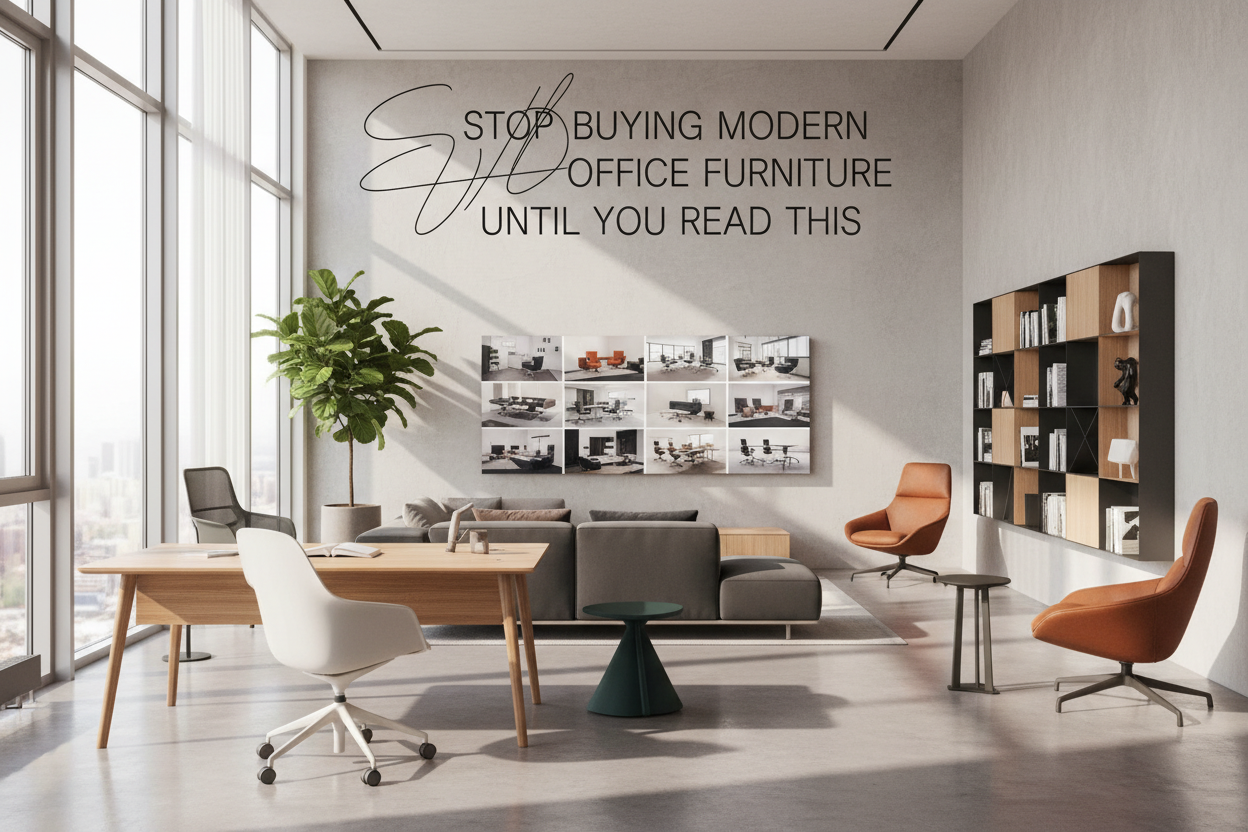
We have all been there: scrolling through endless pages of sleek, minimalist desks and sculptural chairs, captivated by the high-gloss imagery. However, the disconnect between how a piece looks in a staged photo and how it functions in your actual workspace is often vast. As a designer, my job is to filter out the noise. Navigating modern office furniture reviews requires more than just checking star ratings; it requires understanding the structural integrity and ergonomic reality behind the silhouette.
Quick Decision Guide: What Matters Most
- Material Authenticity: Distinguish between solid hardwoods, high-grade veneers, and hollow-core laminates.
- Ergonomic Rating: Look for ANSI/BIFMA certification rather than just "lumbar support" marketing tags.
- Scale & Proportion: Ensure the furniture footprint allows for a minimum 36-inch clearance for walkways.
- Tactile Experience: Consider how surfaces feel against the skin during long work sessions (e.g., cold glass vs. warm wood).
- Cable Management: Verify if the sleek design actually accommodates modern tech requirements without clutter.
Decoding Material Quality and Finishes
When analyzing high-end office pieces, the devil is in the details of the finish. Many modern office reviews glaze over the difference between a "wood finish" and actual wood veneer. In a professional setting, I always steer clients toward high-pressure laminates (HPL) or commercial-grade veneers if solid wood is out of budget. These materials resist the micro-scratches from keyboards and coffee mugs that cheaper thermofoil surfaces collect within weeks.
The Metal Gauge Factor
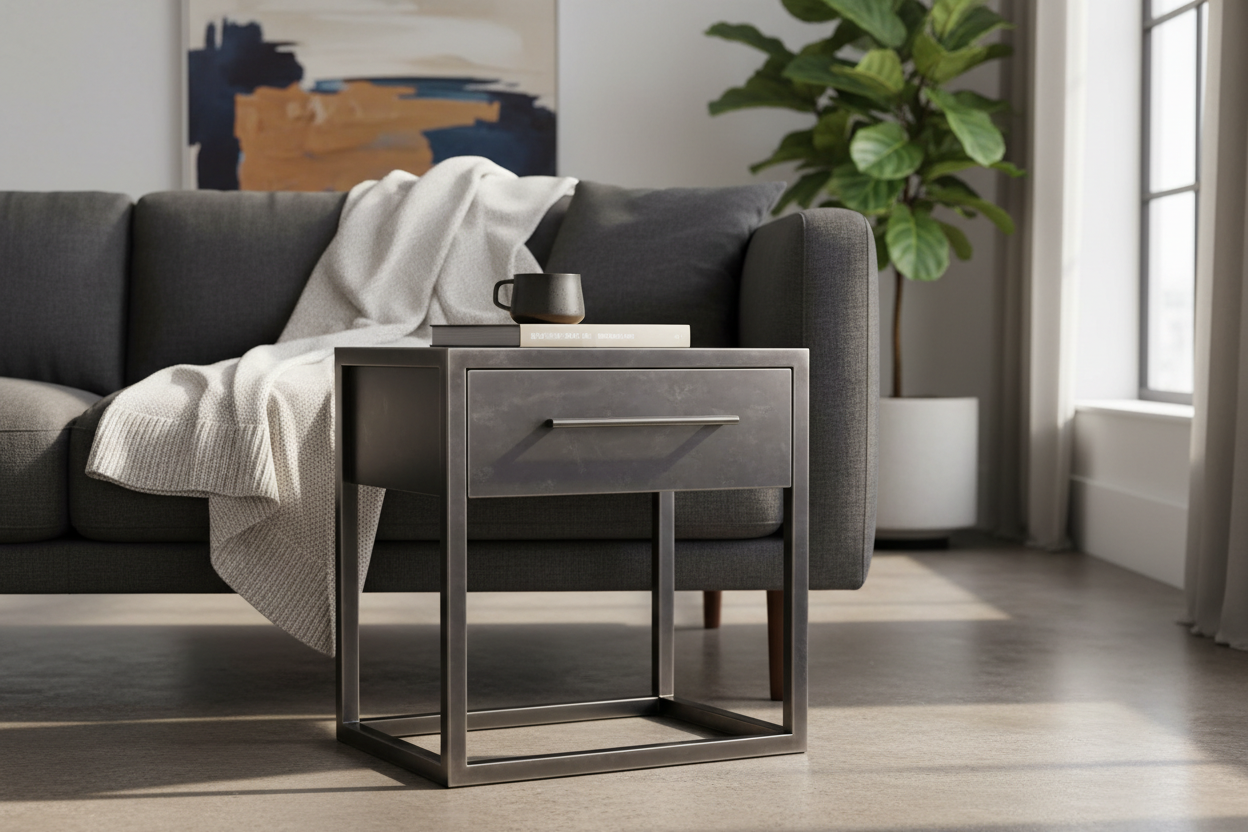
For those industrial-modern legs and frames, the gauge of the steel dictates stability. A desk might look sturdy, but if it lacks cross-bracing or uses thin-gauge tubing, you will experience the dreaded "monitor wobble" every time you type. Quality manufacturing utilizes heavy-gauge steel that grounds the piece, adding necessary visual and physical weight.
The Ergonomics of Aesthetics
There is a dangerous trend in modern design where form bullies function. A mid-century modern bucket chair may offer a stunning profile, but does it support your spine for an eight-hour day? True ergonomic luxury involves adjustable tension control, seat depth sliders, and breathable textiles.
When I curate spaces, I look for "hidden ergonomics"—mechanisms that are integrated seamlessly into the design without looking like a cockpit. The goal is a piece that respects your body without disrupting the room's visual flow.
Spatial Planning and Visual Balance
Reading through typical modern office reviews, you rarely see discussions on visual weight. A heavy, dark walnut executive desk can suffocate a small room, while a glass or acrylic desk can make a cramped space feel airy. It is about balancing the negative space.
If your room has low ceilings, opt for low-profile storage units to heighten the vertical perception. If you have a large, open-plan loft, use area rugs and high-back seating to create distinct "zones" of focus.
My Personal Take on Modern Office Furniture Reviews
I want to share a specific lesson from a project I handled in a downtown loft last year. The client was adamant about purchasing a specific matte-black, soft-touch laminate desk that had rave reviews online for its "velvety feel" and "modern look." Against my better judgment regarding the specific manufacturer, we ordered it.
Within two weeks, I got a call. The issue wasn't the stability or the look—it was the oils. The "soft-touch" finish was an absolute magnet for fingerprints and natural skin oils. No matter how much the client cleaned it, the desk looked perpetually greasy where their wrists rested. It’s a detail you will never see in a studio-lit product photo. We ended up having to have a custom leather blotter made just to cover the high-traffic area. It taught me to always test a finish sample with bare hands before committing to a large surface area, regardless of what the five-star ratings say.
Conclusion
Curating your workspace is an investment in your productivity and your physical health. By looking past the initial glamour and focusing on material science and ergonomic engineering, you can select pieces that age beautifully. Don't just fill a room; design a habitat that works as hard as you do.
Frequently Asked Questions
How do I know if a chair is actually ergonomic without sitting in it?
Look for specific adjustability features listed in the specs: seat depth adjustment, armrest height/width, and tilt tension. Also, check for a weight rating and usage hour rating (e.g., rated for 8+ hours/day).
Is a glass desk a bad idea for a home office?
Glass offers excellent visual lightness for small spaces, but it has drawbacks. It is cold to the touch, reflects sound (creating echo), and requires daily cleaning. If you choose glass, ensure it is tempered safety glass.
How much space do I need behind my desk?
For a comfortable workflow, you need at least 42 to 48 inches of space between the edge of your desk and the wall or shelving unit behind you to allow for chair movement and easy standing.

Dejar un comentario
Este sitio está protegido por hCaptcha y se aplican la Política de privacidad de hCaptcha y los Términos del servicio.