










There is a distinct mental friction that occurs when you sit down to work, reach for a specific tool, and are met with a chaotic drawer or a cluttered desktop. As a designer, I see this daily: beautiful mahogany desks ruined by cheap, mismatched plastic tubs. Selecting the right office storage containers is not just about hiding mess; it is about curating a workflow that respects your time and your aesthetic. Before you purchase another generic set, let’s evaluate how these pieces function as architectural elements within your workspace.
Key Features to Look For
When selecting storage for a high-functioning office, prioritize these elements to ensure longevity and visual harmony:
- Material Integrity: Opt for materials like rigid felt, powder-coated steel, or thick acrylic that resist warping over time.
- Modular Dimensions: Ensure office bins share a common footprint (e.g., base dimensions) to allow for stable stacking.
- Visual Quietness: Opaque office storage bins with lids reduce visual noise, while clear options prioritize inventory visibility.
- Ergonomic Access: Look for cut-out handles or pull-tabs that allow you to retrieve containers for office supplies without struggle.
Elevating Materiality: Beyond Basic Plastic
The biggest error homeowners make is treating storage as an afterthought. In a luxury or well-designed home office, the texture of your office bin organizer matters as much as your chair’s upholstery. If you have a glass or lacquer desk, introduce warmth with woven textures or felt bins for office use. These materials not only look sophisticated but also dampen sound—a subtle detail that makes a room feel calmer.
For industrial or modern spaces, metal office organization boxes in matte black or brushed brass serve as functional decor. They provide the structural rigidity needed for heavier catalogs or paper reams, whereas standard plastic often bows under weight.
The Micro-Organization Strategy
Categorizing Small Consumables
Deep bins are the enemy of small items. For paperclips, staples, and USB drives, you need shallow office supply containers. A dedicated office supply organizer box with internal dividers prevents the “junk drawer” effect. When I style a desk, I often nest smaller containers for office supplies inside a larger tray to keep them anchored. This creates a designated zone for tools, preventing them from migrating across the desktop.
Managing Bulk and Archives
For items you don't access daily, such as printer ink or tax documents, utilize office storage bins with lids. The lid is crucial here—it allows for vertical stacking, maximizing shelf height, and protects contents from dust. Ensure these office supply storage bins are labeled discreetly; a simple embossed label looks far more premium than a handwritten sticky note.
Visual Balance and Shelf Styling
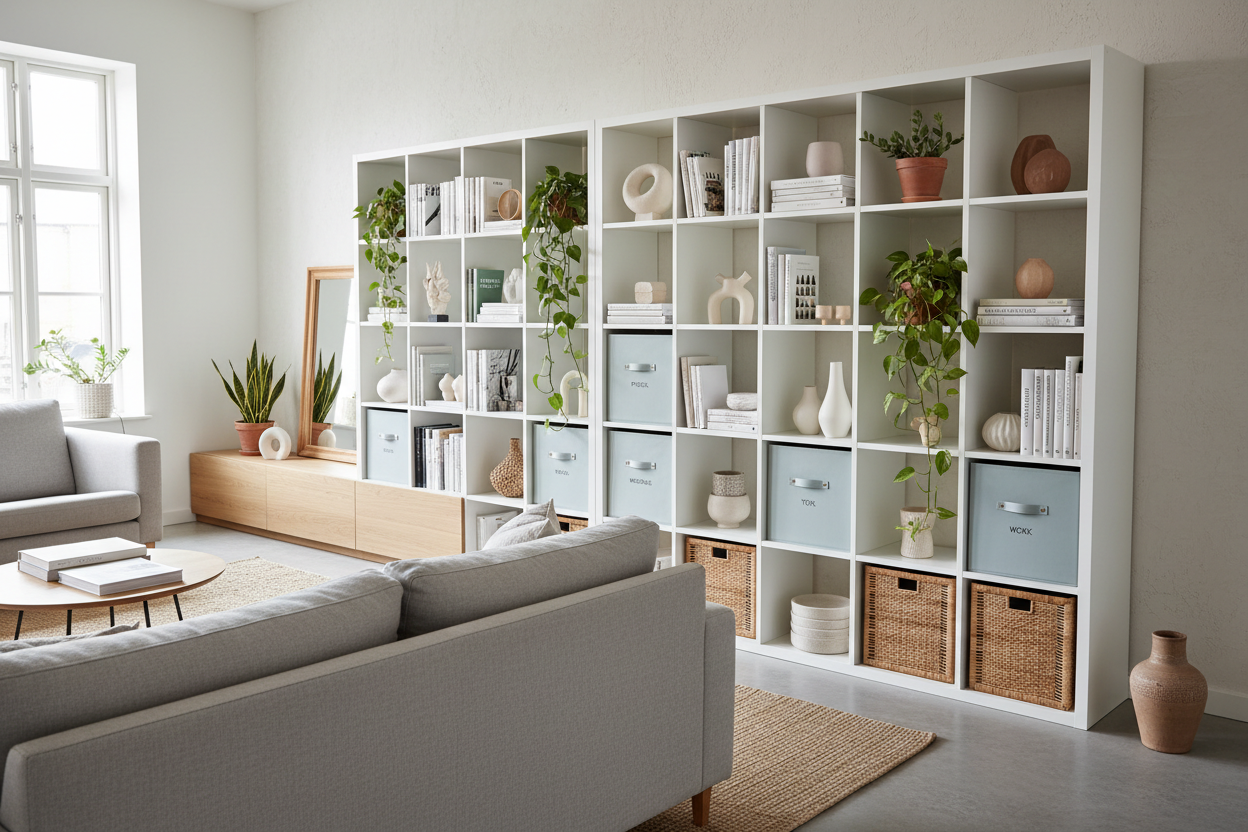
Storage is part of your room's composition. If you are using open shelving, repetition is your best friend. Using identical organizing bins for office shelves creates a rhythm that the eye finds pleasing. If you have a mix of office organizer boxes, try to keep them in the same color palette (monochromatic) to reduce visual clutter. Avoid transparent bins on open shelves unless the contents are beautiful; seeing a tangle of cables through a clear bin ruins the clean lines of a room.
My Personal Take on Office Storage Containers
In my years of sourcing furniture, I’ve learned a hard lesson about finishes that I now pass on to every client: beware of high-gloss acrylics for high-touch areas. I once specified a stunning set of high-gloss black office supply bins for a client’s primary workspace. They looked incredible on install day.
However, within three months, the client called me back. The glossy finish was a magnet for fingerprints and micro-scratches from rings and watches. It looked perpetually dirty. We swapped them out for a textured, linen-wrapped office storage bin set. Not only did the linen hide the wear and tear of daily life, but the client also mentioned that the soft sound of sliding the fabric bin off the shelf was far less jarring than the clatter of the hard acrylic. Now, I always test the "sound" and "touch" of a container before recommending it—a detail you won't find in a product description.
Conclusion
Your workspace should facilitate your best work, not hinder it. By choosing storage that balances tactile quality with ergonomic function, you turn organization into a design statement. Clear the clutter, choose materials that age well, and give your tools the home they deserve.
Frequently Asked Questions
Should I choose clear or opaque office bins?
Choose clear office supply containers for inside drawers where you need to identify items instantly. For open shelves, use opaque office organization boxes to hide the visual clutter of the contents and maintain a clean look.
How do I measure for drawer organizers?
Always measure the internal width, depth, and height of your drawer. Subtract at least 1/8th of an inch from your measurements to ensure the office bin organizer fits easily without binding against the drawer mechanisms.
Can I mix and match different styles of bins?
You can mix styles, but keep a cohesive thread. For example, you might mix wire baskets with solid wood office bins, but ensure the wood tone matches your desk. Too many disparate materials will make the space feel chaotic rather than curated.

Dejar un comentario
Este sitio está protegido por hCaptcha y se aplican la Política de privacidad de hCaptcha y los Términos del servicio.