










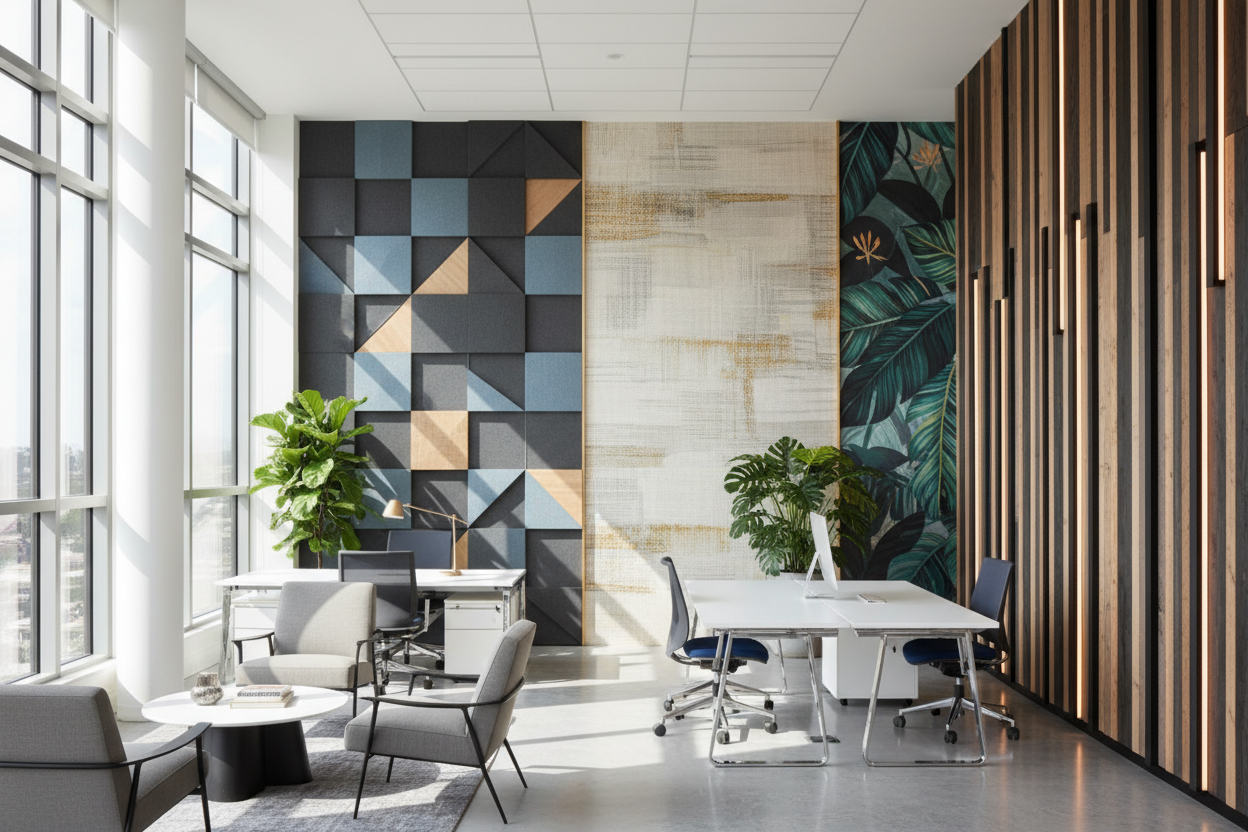
We have all walked into a workspace that feels clinically sterile—white drywall, harsh lighting, and a distinct lack of personality. As a designer, I see this "white box syndrome" constantly. It kills creativity and dampens morale. The solution isn't just hanging a few inspirational posters; it requires a fundamental shift in how we treat the vertical surfaces. Implementing strategic office wall covering ideas is the single most effective way to alter the acoustics, atmosphere, and perceived value of your workspace without changing the architectural footprint.
Quick Decision Guide: Key Features to Look For
Before you commit to a material, run your options through this checklist to ensure they meet commercial standards:
- Acoustic Performance (NRC Rating): Essential for open-plan layouts; look for materials that absorb sound rather than reflect it.
- Durability & Cleanability: High-traffic corridors require Type II vinyl or rigid paneling, not delicate papers.
- Installation Complexity: Consider if the material requires specialized installers (like millwork) or if it is a simple adhesive application.
- Fire Safety Ratings: Ensure all materials meet Class A fire ratings for commercial building codes.
- Visual Weight: Darker, heavier textures shrink a room visually, while lighter, smoother finishes expand it.
Choosing the Right Material for Function and Flair
When selecting wall covering ideas for office environments, we must balance the tactile experience with longevity. Here is how I categorize options for my clients:
Commercial Grade Vinyl
Forget the floral wallpaper of the 1980s. Modern commercial vinyl is a powerhouse. It mimics linen, silk, or even concrete but offers scrubbability that paint cannot match. For high-traffic areas like reception lobbies or hallways, I recommend a Type II vinyl. It resists scuffs from passing carts or briefcases and hides drywall imperfections beautifully.
Acoustic Felt and 3D Paneling
In conference rooms where privacy is paramount, hard surfaces are the enemy. Acoustic felt panels are my go-to recommendation. They introduce "soft architecture" to the space. Not only do they dampen voice reverberation, making video calls clearer, but the 3D geometric patterns also add a dynamic shadow play that changes throughout the day as the sun moves.
Wood Veneers and Tambour
Biophilic design—bringing the outdoors in—is not a trend; it is a necessity for mental well-being. Flexible wood tambour (slatted wood sheets) allows us to wrap curved walls or columns, adding warmth and rhythm. Unlike solid wood, which can warp with humidity changes, engineered veneers offer stability and a consistent grain pattern essential for a polished corporate look.
Space Planning & Visual Balance
A common pitfall is over-application. You do not want to wrap every wall in a bold texture; this creates visual chaos. Instead, use wall coverings to define zones. Use a bold, textured focal wall behind the reception desk to anchor the brand immediately upon entry. In breakout areas, use softer, calming textures to signal a shift from high-focus work to relaxation.
Color Coordination and Lighting
Texture relies on lighting. If you choose a heavily textured wall covering (like a grasscloth or a 3D tile) but wash it out with flat, overhead fluorescent lighting, you lose the investment. I always advise clients to pair textured walls with wall-grazing perimeter lighting. This highlights the depth of the material and creates a sophisticated, high-end ambiance.
My Personal Take on office wall covering ideas
I want to share a specific lesson from a tech startup project I designed last year. We specified these stunning, deep-groove charcoal acoustic tiles for the main boardroom. Visually, they were a masterpiece—moody, sharp, and modern. However, three months post-installation, the office manager called me.
The issue wasn't the look; it was the dust. The deep horizontal grooves were collecting dust that the standard office vacuum attachments couldn't reach, and wipedowns were leaving lint behind on the felt. We actually had to source a specific soft-bristle brush attachment for their cleaning crew to maintain it. Now, whenever I suggest deep-texture coverings, I explicitly discuss the maintenance reality with the facilities team first. It is that level of practical foresight that separates a pretty rendering from a livable office.
Conclusion
Your walls are the largest canvas in your office; do not leave them blank. Whether you choose the warmth of wood tambour or the quiet utility of acoustic felt, the right wall covering signals that you care about the environment you and your team inhabit. Start with one focal wall, test the material, and watch the energy of the room shift.
Frequently Asked Questions
What is the best wall covering for a noisy open office?
PET felt acoustic panels are superior for noise control. They have a high Noise Reduction Coefficient (NRC) and can be applied directly to existing drywall to absorb ambient chatter.
How do I make a small office look bigger with wall coverings?
Opt for light-colored, subtle textures with a horizontal grain or pattern. This guides the eye across the room, visually stretching the width of the space, whereas large, busy prints can make it feel claustrophobic.
Are there rental-friendly office wall covering options?
Yes, peel-and-stick commercial wallpapers have improved significantly. Look for "removable" or "temporary" specifications, which allow you to brand a leased space without damaging the drywall upon exit.


Dejar un comentario
Este sitio está protegido por hCaptcha y se aplican la Política de privacidad de hCaptcha y los Términos del servicio.