










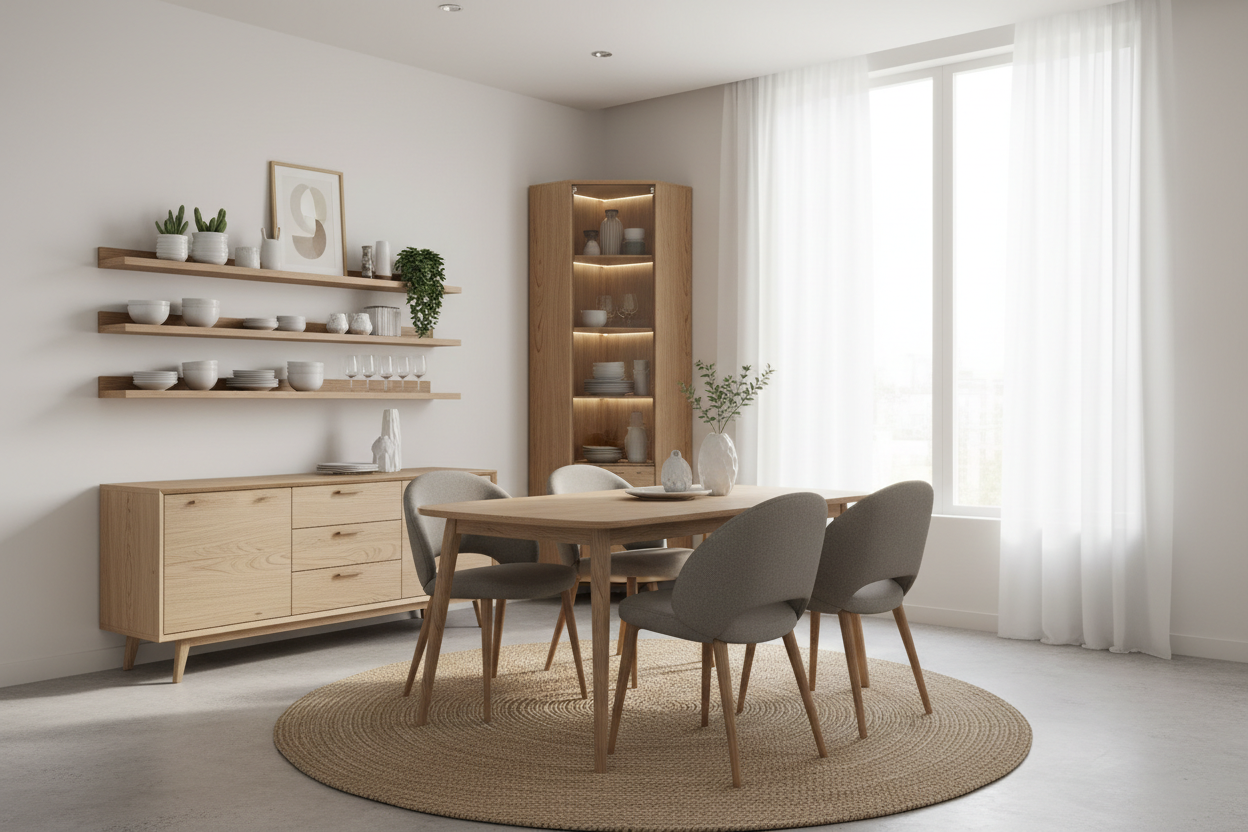
Finding the right furniture for a modest eating area is often a game of inches. You need a place to stash the good china, the table linens, and perhaps a few bottles of wine, but you cannot sacrifice the floor space required to actually pull out a chair and sit down. The solution lies in selecting a small cabinet for dining room use that balances vertical storage with a shallow depth. The most effective pieces for tight spaces are typically under 16 inches deep or utilize vertical height rather than horizontal width, such as tallboys or corner hutches, allowing you to declutter without cramping the flow of the room.
I learned this lesson the hard way in my first apartment. The dining "room" was essentially a glorified hallway between the kitchen and the living area. I fell in love with a massive, vintage farmhouse buffet that looked incredible in the store. Once I wrestled it into the apartment, however, it became immediately clear that nobody could actually sit on that side of the table. I spent the next year squeezing past guests just to refill water glasses. I eventually swapped it for a mid-century modern piece with sliding doors and tall legs. The difference was night and day; the room felt airy again, and I didn't lose much storage capacity.
Understanding Scale and Visual Weight
When shopping for a small dining cabinet, physical dimensions are obviously critical, but visual weight is equally important. A cabinet that sits flush on the floor with a heavy, solid base will dominate a small room and make it feel smaller. Conversely, a piece raised on legs allows light to pass underneath, tricking the eye into seeing more floor space. This is why mid-century modern and Scandinavian designs often work so well in compact homes.
You should also consider the door mechanism. In a truly tight squeeze, swinging doors can be a liability. If your table is close to the wall, you might not be able to fully open a standard cabinet door without hitting a chair. Sliding doors or open shelving units eliminate this clearance issue entirely. If you prefer the clean look of doors to hide clutter, ensure you have at least 24 to 30 inches of clearance between the front of the small dining room cabinet and the edge of your dining table.
The Hidden Potential of Corner Units
Corners are often dead zones in dining rooms, usually occupied by a lonely potted plant or nothing at all. A corner cabinet is a brilliant way to introduce storage without eating into the functional square footage of the room. These triangular units tuck away neatly and can hold a surprising amount of dishware.
Because the depth creates a triangle, the back corner is often deep enough for large serving platters that might not fit in a shallow, straight small dining room storage cabinet. Visually, a corner unit rounds out the room and softens the harsh angles, making the space feel more inviting. If you can find a vintage corner hutch with a glass upper section, it draws the eye upward, adding height to the room while keeping the footprint minimal.
Material Choice and Durability
Since this piece of furniture will likely be in a high-traffic area, the material matters. Veneers can be cost-effective, but if the cabinet is near a walkway where it might get bumped by chairs or hips, solid wood or metal will stand the test of time better. Metal cabinets, often found in industrial styles, offer thinner walls than wood, which gives you a fraction more interior storage space for the same exterior dimensions.
Glass is another material to consider carefully. A small storage cabinet for dining room organization often serves two purposes: hiding the mess and displaying the treasures. If you are disorganized or using the space for miscellaneous items like placemats, candles, and paperwork, opt for solid doors (cane or rattan is a great compromise that adds texture without full transparency). If you have a curated collection of glassware, glass doors reflect light and add depth to the room, preventing the cabinet from feeling like a heavy block against the wall.
Alternative Furniture as Dining Storage
Sometimes the best dining cabinet isn't sold as a dining cabinet at all. When square footage is severely restricted, you have to get creative with categories. A bar cart, for instance, offers open storage and mobility. It can be wheeled out of the way when you have a full house and brought back when the party is over.
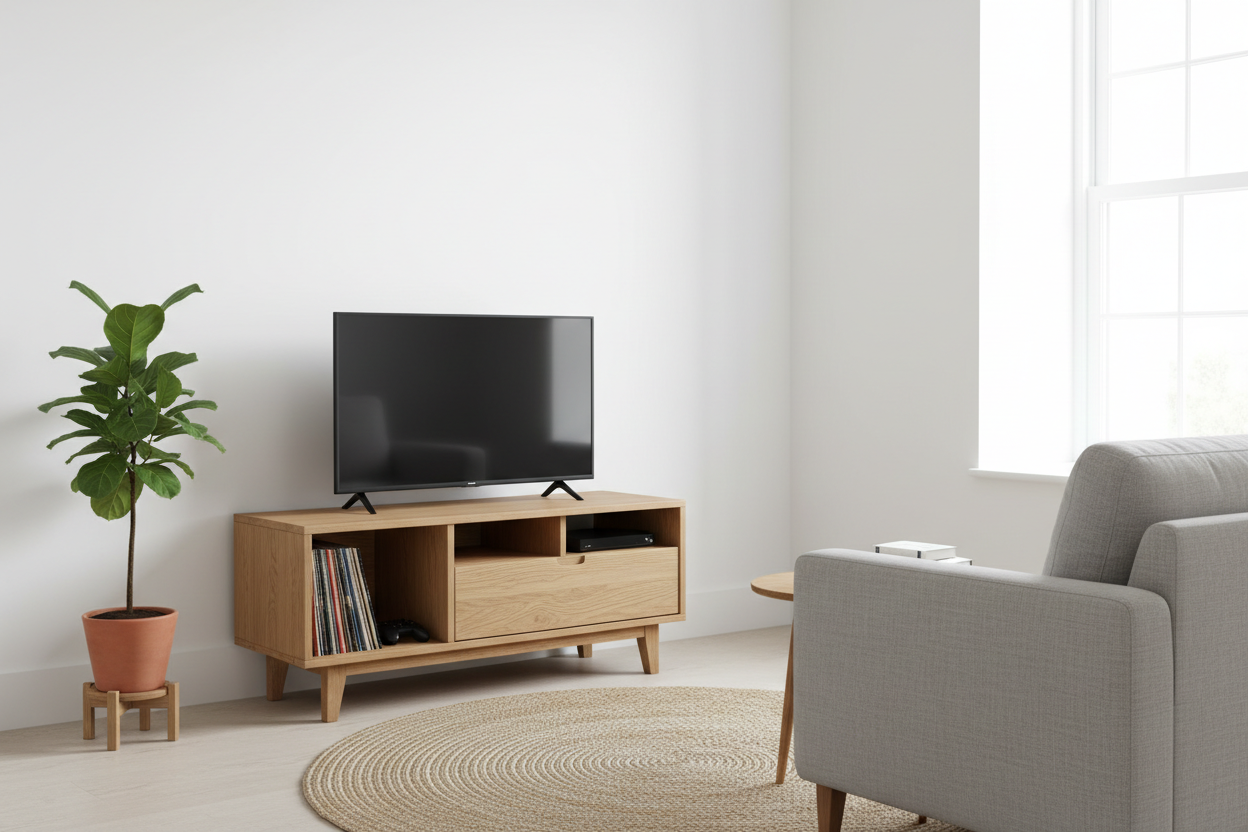
Similarly, look at entryway consoles or media consoles. These are typically designed to be slimmer than standard dining buffets. An entryway console might only be 12 inches deep—perfect for narrow spaces—yet still offer drawers for silverware and a surface for serving food. Just be sure to check the height; a comfortable serving height is usually between 30 and 36 inches. Anything lower might feel awkward when you are plating food for guests.
Organizing the Interior
Once you have selected your piece, how you pack it dictates its utility. In a compact unit, adjustable shelves are your best friend. Standard wine glasses, dinner plates, and serving bowls all have different height requirements. Being able to move a shelf up by two inches can be the difference between fitting a stack of 12 plates or only 8.
Use shelf risers to double the vertical space inside the cabinet. If you are storing linens in a small dining room storage cabinet, roll them rather than folding them flat; this prevents deep creases and makes it easier to grab a specific tablecloth without disrupting the whole stack. For heavy items, keep them on the bottom shelf to maintain the center of gravity, especially if the piece is tall and narrow.
Lighting and Decor
Don't forget the top of the cabinet. In a small room, the surface of your storage unit is a prime opportunity to add personality. A mirror hung above the cabinet is a classic designer trick to bounce light around and make the room feel double the size. Add a small lamp to create a warm glow in the evening, distinct from the overhead chandelier. This creates layers of light that make the dining experience feel more intimate and less like a cafeteria.
Ultimately, the goal is to view the limitation of space not as a problem, but as a design parameter that forces you to be selective. By choosing a piece that fits the scale of the room and hides the clutter, you create a dining environment that feels calm, organized, and ready for guests.
Frequently Asked Questions
How much clearance do I need between the cabinet and the dining table?
Ideally, you should aim for at least 36 inches to allow a person to walk behind a seated guest. However, in very small rooms, you can get away with 24 inches if the cabinet has sliding doors or if that side of the table is not used for seating during daily meals.
Can I use a bookshelf as a dining cabinet?
Yes, bookshelves are excellent alternatives because they utilize vertical space and have a small footprint. To make it look more like a dining piece and less like office furniture, consider adding baskets to the lower shelves for concealed storage and displaying your best ceramics on the upper shelves.
What is the standard depth for a shallow dining cabinet?
Shallow cabinets typically range from 12 to 15 inches in depth. This is enough space to store a standard dinner plate (usually 10.5 to 11 inches) or wine bottles lying down, but it saves significant floor space compared to standard buffets which are often 18 to 22 inches deep.


Leave a comment
This site is protected by hCaptcha and the hCaptcha Privacy Policy and Terms of Service apply.