










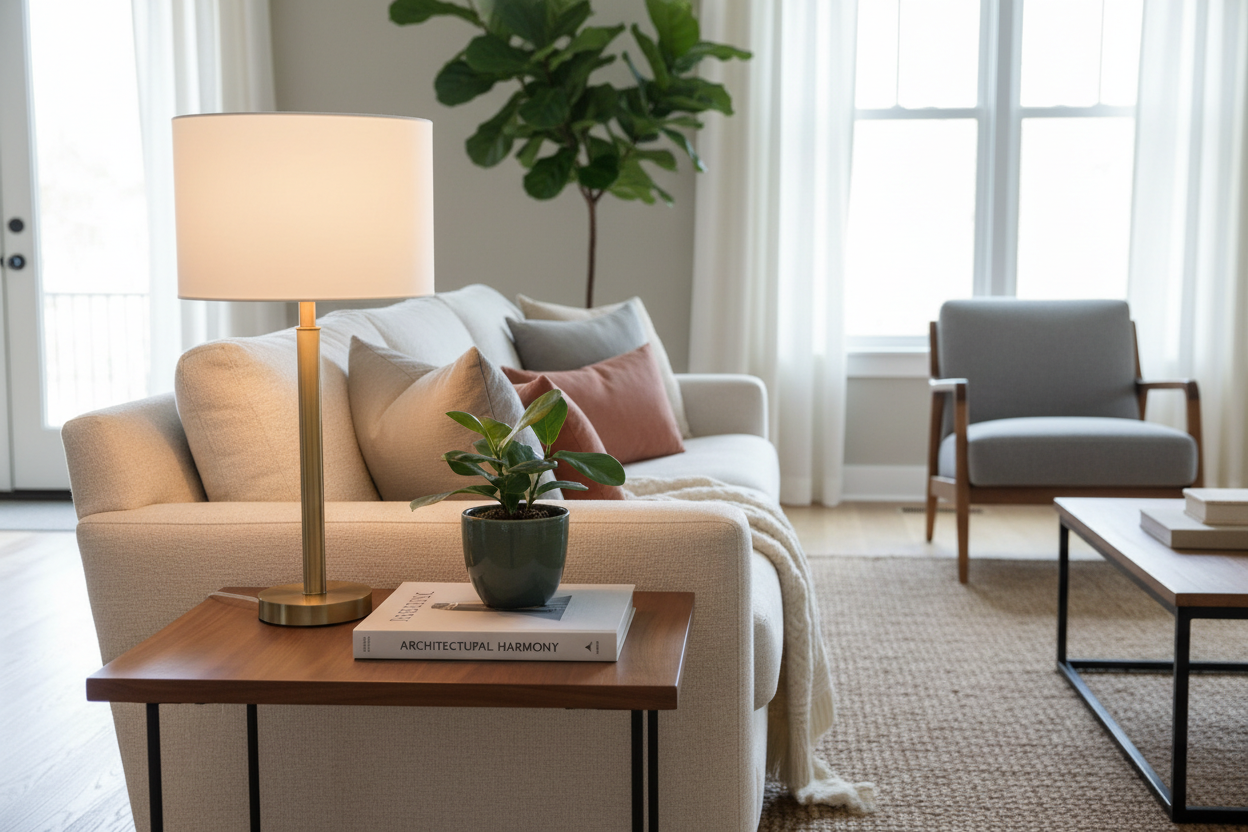
When thoughtfully selected, a top end table can do more than simply fill a corner in your living room. It becomes a practical surface for daily essentials, a decorative feature that enhances your interior design, and a subtle statement of your personal style. Whether you are furnishing a home or a professional setting, understanding the functional and aesthetic role of top end tables can help you make the best choice.
Understanding the Role of Top End Tables
In most interiors, a top end table serves as both a utility surface and a design accent. It can hold lighting for evening reading, keep refreshments within reach, and display decorative elements such as vases or photo frames. When selected with intention, top end tables complement surrounding furniture, enhance balance in a room, and provide added convenience without occupying excessive space.
Materials and Durability
The longevity of a top end table often depends on the quality of its materials. Solid wood options such as oak or walnut offer durability and a classic appearance. Metal frames provide modern, industrial charm and resist wear from daily use. Glass-topped designs create a sense of spaciousness while being easy to clean, though they may require more care to avoid scratches. Choosing the right material is less about guessing and more about evaluating your lifestyle and usage patterns.
Wood
Wood top end tables bring natural warmth to a room. They pair well with traditional or transitional interiors and age gracefully over time, often developing unique character marks. Consider hardwood varieties for strength and resistance to dents.
Metal
Metal-framed tables are lightweight yet sturdy, ideal for urban or minimalist spaces. They can support heavier items such as lamps or stacks of books without warping or bending. Powder-coated finishes reduce the risk of corrosion.
Glass
Glass top end tables lend elegance and openness to compact areas. For households with children or pets, tempered glass is recommended for safety and durability. Regular cleaning keeps them clear and bright.
Dimensions and Proportions
Selecting a table that fits the scale of your space is critical. A table too large can dominate a room, while one too small may appear lost or fail to meet your needs. As a general rule, the height of a top end table should align with or be slightly lower than the arm of the surrounding seating. This ensures both comfort and ease of access.
Decorative Integration
Matching your top end table to existing furniture style is key to cohesive design. For example, a sleek metal table can align well with modern sofas and clean lines, whereas a carved wood option can harmonize with classic armchairs. Color plays a role as well; complementary hues reinforce harmony, while a contrasting table can introduce a focal point.
Storage and Functionality
Functionality extends beyond surface use. Many top end tables offer additional features like drawers or lower shelves, providing space for books, remote controls, or decorative baskets. This added storage can help keep your living area uncluttered, offering both style and utility.
My Experience Selecting Top End Tables
When redesigning my living room recently, I discovered the difference a well-chosen top end table can make. I wanted a piece that offered closed storage to reduce visual clutter. After assessing my furniture’s height, materials, and color palette, I settled on a walnut design with a subtle drawer. It fits neatly beside my armchair, offering a place for reading glasses and a small lamp. The result was a more inviting and organized space.
Maintenance Tips
Caring for your table will preserve its appearance and function for years. Dust regularly to prevent buildup, clean spills immediately to avoid stains, and use coasters to protect surfaces. For wood tables, occasional application of appropriate polish can refresh the finish. Metal tables benefit from wiping with a damp cloth and drying promptly. Glass tables require gentle cleaning solutions that do not damage the surface.
Conclusion
A top end table can be a quiet hero in your interior — supporting everyday tasks, anchoring decorative arrangements, and bringing balance to the room. By considering materials, proportions, style, and functionality, you can select a piece that not only meets your practical needs but also strengthens your overall design. Investing the time to choose wisely will result in a table that enhances your space for years to come.

Leave a comment
This site is protected by hCaptcha and the hCaptcha Privacy Policy and Terms of Service apply.