










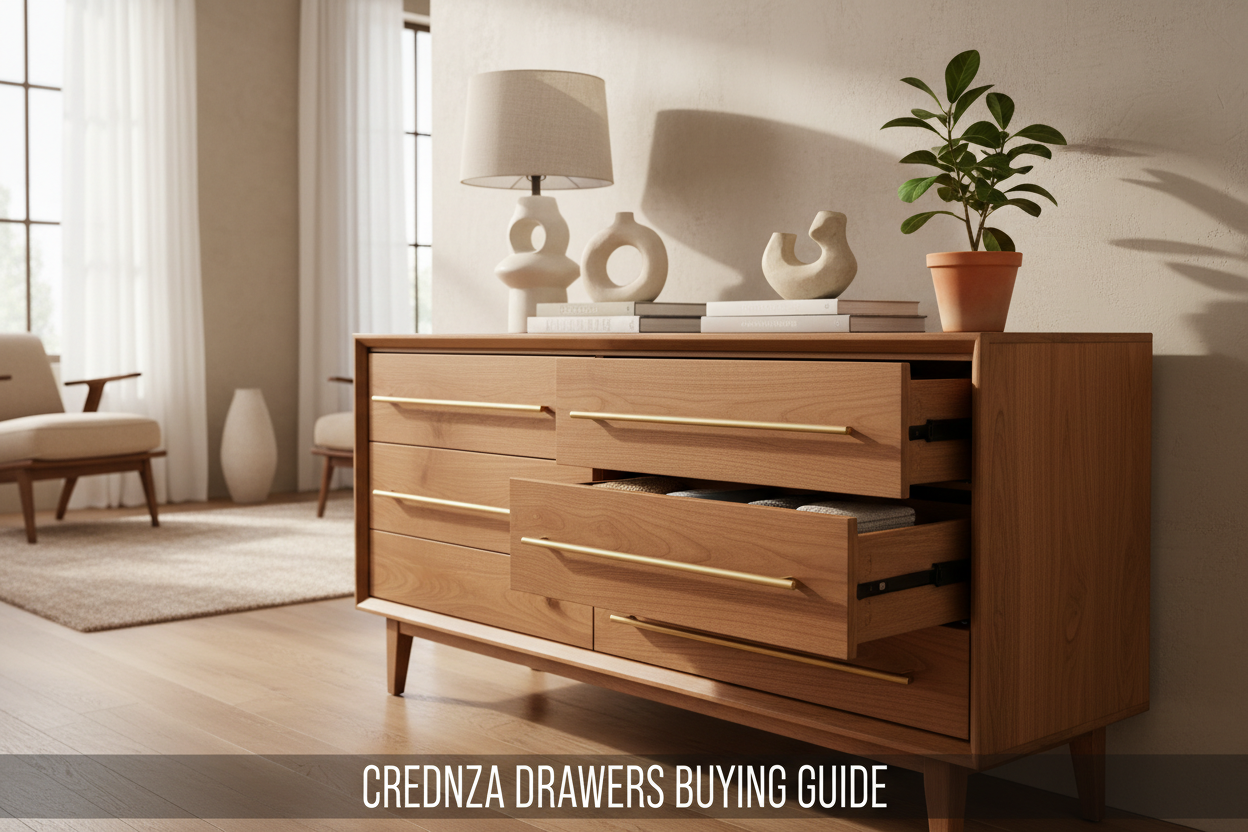
One of the most persistent challenges in interior design is balancing the need for substantial volume with the desire for a sleek, airy aesthetic. We all have items we need to hide—linens, paperwork, media components—but bulky vertical armoires often dominate a room rather than complement it. This is where credenza drawers become the hero of the floor plan. Low-profile, linear, and deceptively spacious, these pieces anchor a room while providing essential utility.
Quick Decision Guide: Key Features to Look For
If you are rushing to make a purchase, review this checklist to ensure you select high-quality credenza units that will last:
- Joinery Quality: Look for dovetail joints in the drawers; staples or glue alone indicate short-term furniture.
- Hardware Mechanics: Soft-close, under-mount glides are the industry standard for a luxury feel and longevity.
- Material Integrity: Prioritize solid wood or high-grade architectural veneer over particle board for structural stability.
- Depth & Clearance: Ensure a minimum depth of 18 inches for functional storage, and check that drawers extend fully for access.
- Leg Configuration: Adjustable feet or levelers are crucial for older homes with uneven floors.
Selecting the Right Material and Finish
When specifying storage credenza furniture for a client, the first conversation is always about materiality. The finish dictates not just the style, but the longevity of the piece. For high-traffic areas like a dining room or entryway, a storage credenza crafted from hardwoods like walnut or white oak is superior. These materials can withstand the occasional bump and develop a beautiful patina over time.
However, if you are aiming for a contemporary, minimalist look, a lacquered credenza storage cabinet can reflect light and make a small room feel larger. Just be wary of low-quality lacquers that chip easily; look for multi-coat, catalyzed finishes that offer resistance to moisture and scratches.
Configuration: Drawers vs. Doors
The internal layout is where ergonomics meets design. A credenza with drawers offers superior organization for smaller items—cutlery, office supplies, or media remotes—preventing them from becoming a jumbled mess. Conversely, a storage credenza with doors is essential for bulkier items like serving platters or audio-visual receivers.
The Hybrid Approach
For the most versatile solution, I often recommend a credenza with drawers and doors. This hybrid configuration usually features a bank of central drawers flanked by cabinets. This layout allows you to categorize your storage needs: quick-access items in the center and long-term storage on the periphery. A credenza cabinet with drawers in this style serves as a multifunctional buffet, media console, or hallway anchor.
Space Planning and Visual Weight
A common mistake homeowners make is misjudging the scale. Credenza storage cabinets are generally long and low. To maintain visual balance, the piece should be at least two-thirds the length of the furniture it sits near (like a dining table) or the object hung above it (like a TV or art piece).
Furthermore, consider the "swing space." A storage credenza with drawers requires less clearance than one with large swinging doors, making it a smarter choice for narrow walkways or tight corridors. If you are tight on space, look for credenza units with sliding doors or purely drawer-based configurations to preserve flow.
My Personal Take on Credenza Drawers
I learned a hard lesson about hardware selection during a project for a client in a high-rise downtown. We installed a stunning, custom-made high-gloss storage credenza with drawers that utilized a "push-to-open" mechanism to maintain a handle-free, seamless look. It looked incredible in photos.
However, three months later, I visited the client and noticed the drawer fronts were covered in smudges. The natural oils from fingertips were relentless against the gloss finish, and the mechanism itself began to stick because it required pressing exactly in the center to engage. Since then, I always advise clients: if you have kids or use the piece daily, opt for distinct, tactile hardware handles. It saves the finish and honestly, a beautiful brass pull is like jewelry for the room—it adds a layer of texture that a flat front just can't compete with.
Conclusion
Investing in a high-quality credenza with storage is about more than just hiding clutter; it is about curating a space that feels intentional and organized. Whether you choose a vintage mid-century piece or a modern storage credenza with drawers, focus on the mechanics and the material. The right piece will serve as a functional focal point for decades.
Frequently Asked Questions
What is the standard depth for a storage credenza?
Most standard credenzas range from 18 to 22 inches deep. If you plan to use it for media equipment, ensure the internal depth is sufficient for ventilation and cable management behind your devices.
Can a credenza with drawers support a heavy television?
Generally, yes. However, you must check the weight capacity rating. A solid wood credenza cabinet with drawers typically has a center support leg to prevent sagging, which is critical for heavy displays.
What is the difference between a sideboard and a credenza?
Historically, credenzas are lower and longer, often used in offices or living areas, while sideboards are higher and intended for dining rooms. Today, the terms are often used interchangeably, but a true credenza usually features a mix of filing or utility drawers.


Leave a comment
This site is protected by hCaptcha and the hCaptcha Privacy Policy and Terms of Service apply.