










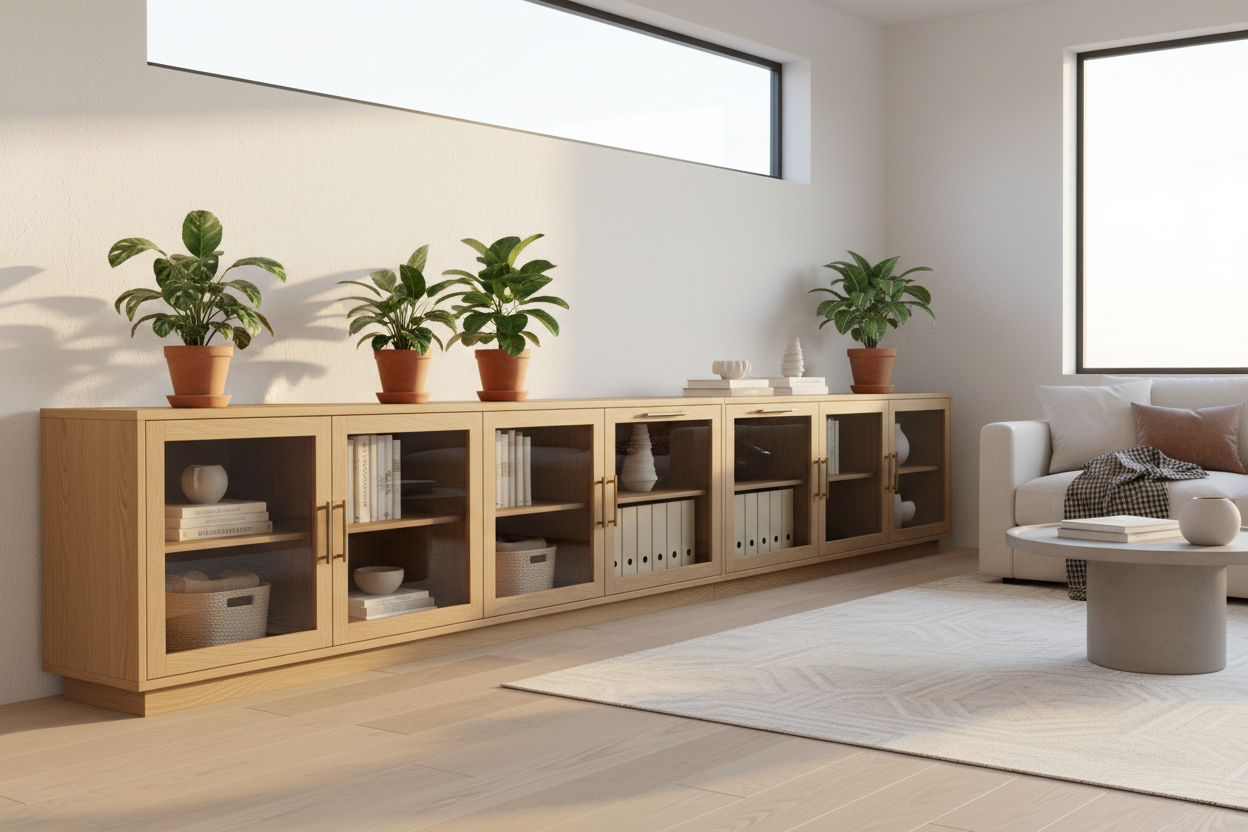
Storage struggles are universal. Whether you are renting a studio apartment with zero closet space or managing a large family home that seems to accumulate stuff on every flat surface, the solution often comes down to better furniture. Freestanding storage units, specifically floor cabinets with doors, provide the most immediate and versatile way to hide clutter while keeping daily essentials accessible. Unlike wall-mounted units that require drilling and studs, these cabinets simply slide into place, instantly transforming the functionality of a room.
Finding the right piece requires more than just picking a color that matches your paint. You have to consider the specific items you need to store and the footprint available in your room. A floor storage cabinet with doors offers a visual barrier, calming the space by hiding mismatched linens, cleaning supplies, or pantry overflow. The goal is to stop treating storage as an afterthought and start viewing it as a piece of furniture that anchors your room's design.
My Battle with the Bathroom Void
A few years ago, I moved into a charming older house that had one major flaw: a pedestal sink in the main bathroom and absolutely no built-in vanity. My counter space was non-existent, and the room looked perpetually messy with toiletries lined up on the window sill. I initially tried open shelving, but humidity and dust turned that into a high-maintenance nightmare.
The game-changer was a small floor cabinet with drawers that I tucked between the toilet and the wall. It was narrow, perhaps only ten inches wide, but the drawers were deep enough to hold makeup, razors, and toothpaste, while the lower cabinet section held extra toilet paper. That single piece of furniture didn't just hold my stuff; it gave the room a finished look that open baskets never could. It taught me that enclosed storage is almost always superior to open shelving in high-traffic, moisture-prone zones.
Balancing Display and Concealment
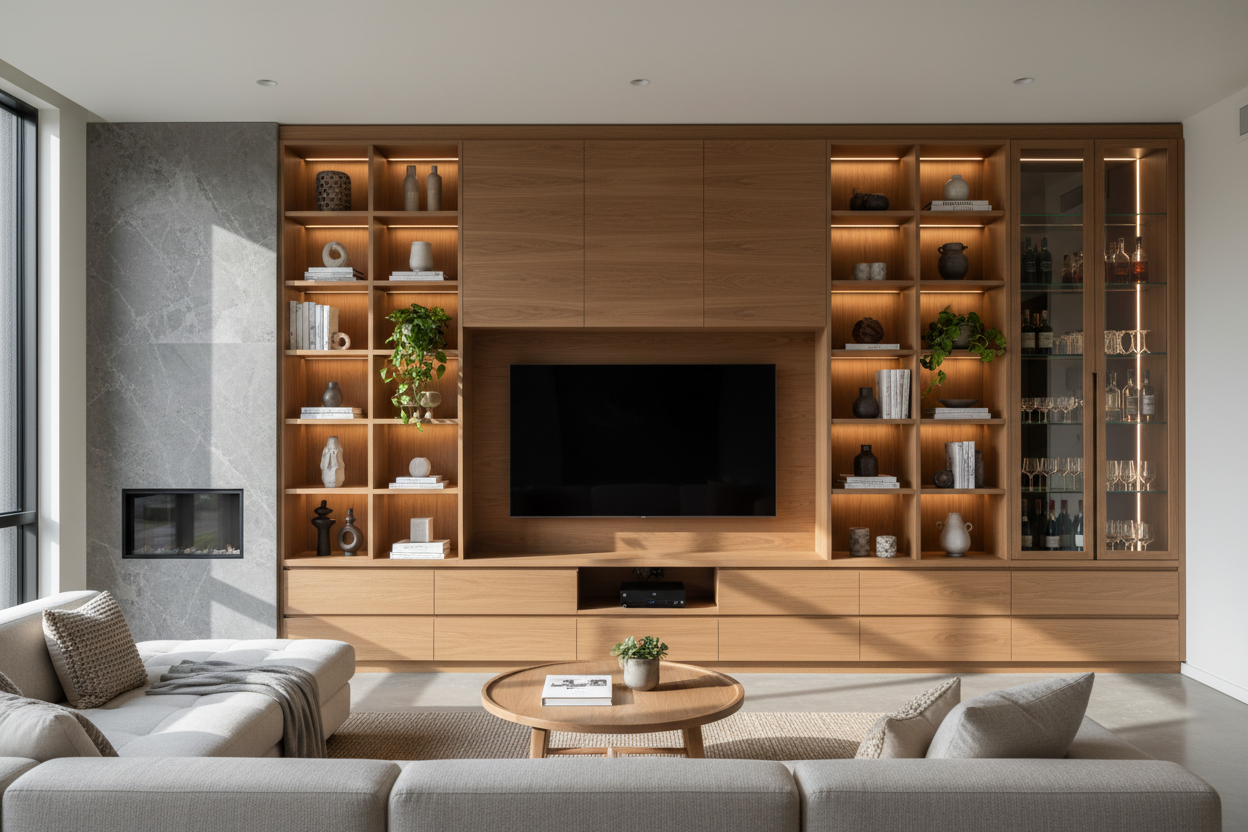
When shopping for larger areas like living rooms or dining spaces, you often need a mix of utility and aesthetics. A floor cabinet with doors and shelves is the standard for a reason. The interior shelves allow you to maximize vertical space, stacking plates, board games, or photo albums, while the doors keep the visual noise to a minimum. If you have items you want to protect from dust but still keep handy, this configuration is your workhorse.
However, pay close attention to the shelf adjustability. Fixed shelves can be frustrating if you are trying to store tall appliances or oversized binders. Look for units with pre-drilled holes running the height of the interior, giving you the freedom to customize the gap between layers.
Solutions for Tight Quarters
In hallways, entryways, or compact kitchens, footprint is everything. You cannot afford a unit that protrudes too far into the walking path. This is where a small floor cabinet with doors shines. These units are typically shallower, sometimes only 12 to 14 inches deep, preventing the hallway from feeling cramped.
If your primary issue is small loose items—keys, chargers, batteries, or junk mail—a cabinet consisting solely of doors might be annoying because small items get lost in large cavernous spaces. In this case, a small floor cabinet with drawers is the superior choice. The drawers act as dividers, forcing organization upon you. You can dedicate one drawer to electronics and another to mail, keeping the surface clear.
The Kitchen and Pantry Extension
Kitchens are notorious for running out of space. If you aren't ready for a full renovation, adding standalone floor cupboards can simulate the feel of a built-in pantry. These units are generally taller and sturdier, designed to hold the weight of canned goods or small appliances like blenders and mixers.
When selecting these, material quality becomes paramount. Kitchen environments have fluctuating temperatures and potential for spills. A flimsy particle board backing might bow under the weight of heavy jars. Look for reinforced bottoms and solid hardware. If you have a long, empty wall in a dining area, a long floor cabinet (often called a sideboard or buffet) can serve double duty. It provides massive internal storage for seasonal platters while offering a serving surface on top for dinner parties.
The Best of Both Worlds: Hybrid Units
For most homeowners, the most practical option is a floor cabinet with doors and drawers combined. This hybrid design usually features a row of drawers along the top with cabinet doors underneath. This layout mimics a standard kitchen counter setup and offers the highest level of versatility.
The top drawers catch the daily clutter that usually ends up on the kitchen island or coffee table. Meanwhile, the lower section handles the bulkier items. I use a unit like this in my home office. The drawers hold pens, staplers, and cables, while the cabinet below conceals the printer paper, files, and reference books. It keeps the workspace looking professional without requiring a massive filing cabinet.
Material and Assembly Considerations
Since these are freestanding units, stability is a valid concern. Solid wood is always the gold standard for longevity, but it comes with a high price tag and significant weight. High-quality MDF (Medium Density Fiberboard) with a durable laminate finish is a common and acceptable alternative for floor cabinets with doors, provided you keep them dry.
When assembling these units, use wood glue in the dowel holes even if the instructions don't explicitly say so. This simple step adds rigidity and prevents the cabinet from wobbling after a few months of use. Also, check the hardware. Soft-close hinges are a nice touch that prevents doors from slamming, a feature that makes a budget piece feel premium.
Safety and Placement
Regardless of whether you choose a towering cupboard or a low-profile long floor cabinet, anchoring the furniture is non-negotiable, especially if you have children or pets. Once these cabinets are filled, they become heavy. If you open both doors and pull out a loaded drawer simultaneously, the center of gravity shifts forward. Most reputable manufacturers include a wall-anchoring kit; use it. It takes five minutes to install and prevents dangerous tip-over accidents.
By assessing what you actually need to store—whether it's tiny toiletries or heavy kitchen mixers—you can select the right configuration. The perfect cabinet isn't just about storage volume; it's about the right mix of drawers for access and doors for concealment, creating a home that feels curated rather than chaotic.
Frequently Asked Questions
How do I measure for a floor cabinet in a tight space?
Measure the width and depth of the available floor space, but also check for obstructions like baseboards, outlets, and vent registers. Ensure the cabinet doors have enough clearance to swing fully open without hitting a doorframe or another piece of furniture.
Can freestanding floor cabinets be used in the bathroom?
Yes, but moisture is a factor. Look for cabinets made of moisture-resistant materials or sealed wood, and try to place the unit away from direct splashes from the shower or tub. Raising the cabinet slightly off the floor with legs can also prevent water damage from mopping.
What is the difference between a sideboard and a floor cabinet?
A sideboard (or buffet) is typically a long floor cabinet used in dining rooms with a lower profile, designed for serving food on top. A general floor cabinet can be taller, narrower, and is focused more strictly on vertical storage capacity rather than surface area.

Leave a comment
This site is protected by hCaptcha and the hCaptcha Privacy Policy and Terms of Service apply.