










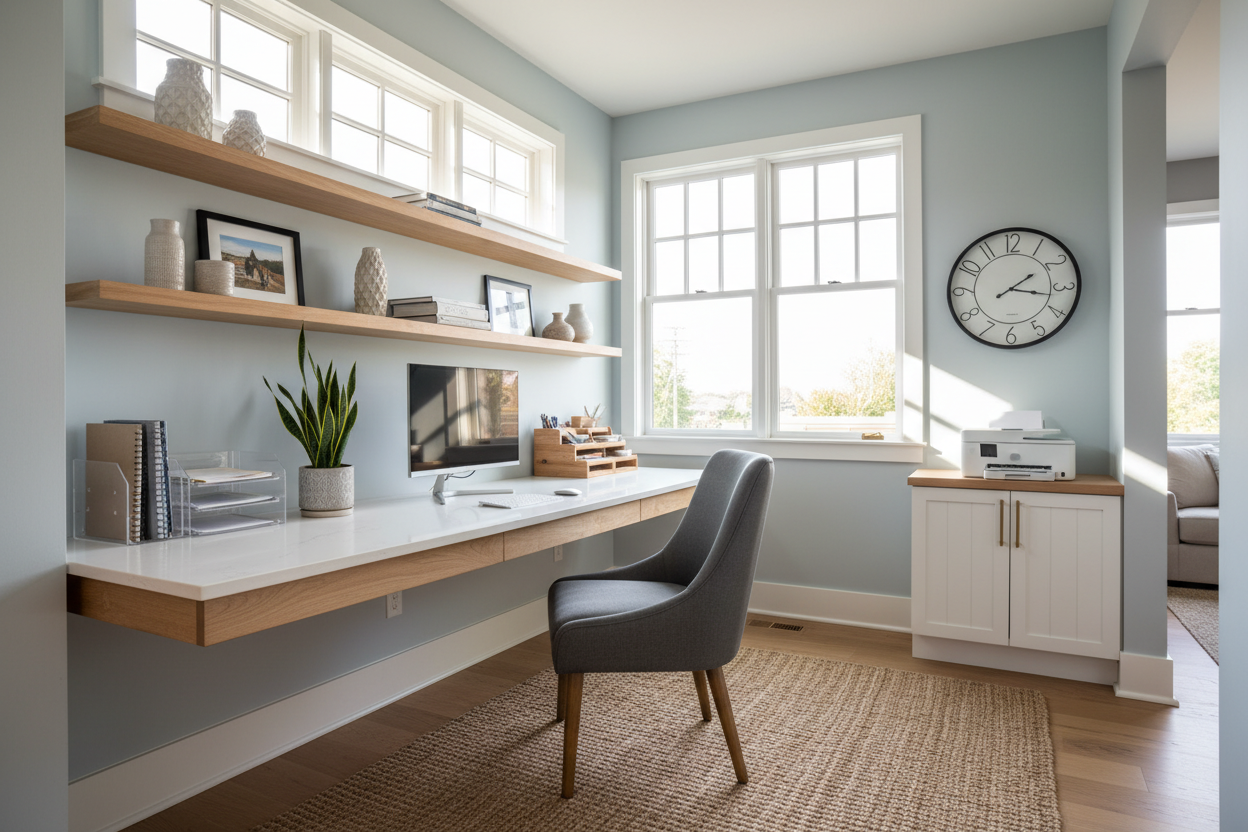
We have all experienced that specific envy while watching a renovation reveal: the homeowners walk into a pristine, perfectly lit workspace where every book is color-coordinated and not a single charging cable is in sight. Clients frequently come to me with these screenshots, asking to replicate that polished aesthetic. However, creating a functional hgtv home office requires bridging the gap between set design and real-world utility.
The challenge isn't just buying attractive furniture; it is about curating a space that supports your ergonomics while maintaining that camera-ready visual balance. Below, we break down how to achieve that high-end look without sacrificing the durability required for a 40-hour work week.
Key Elements of a Designer Workspace
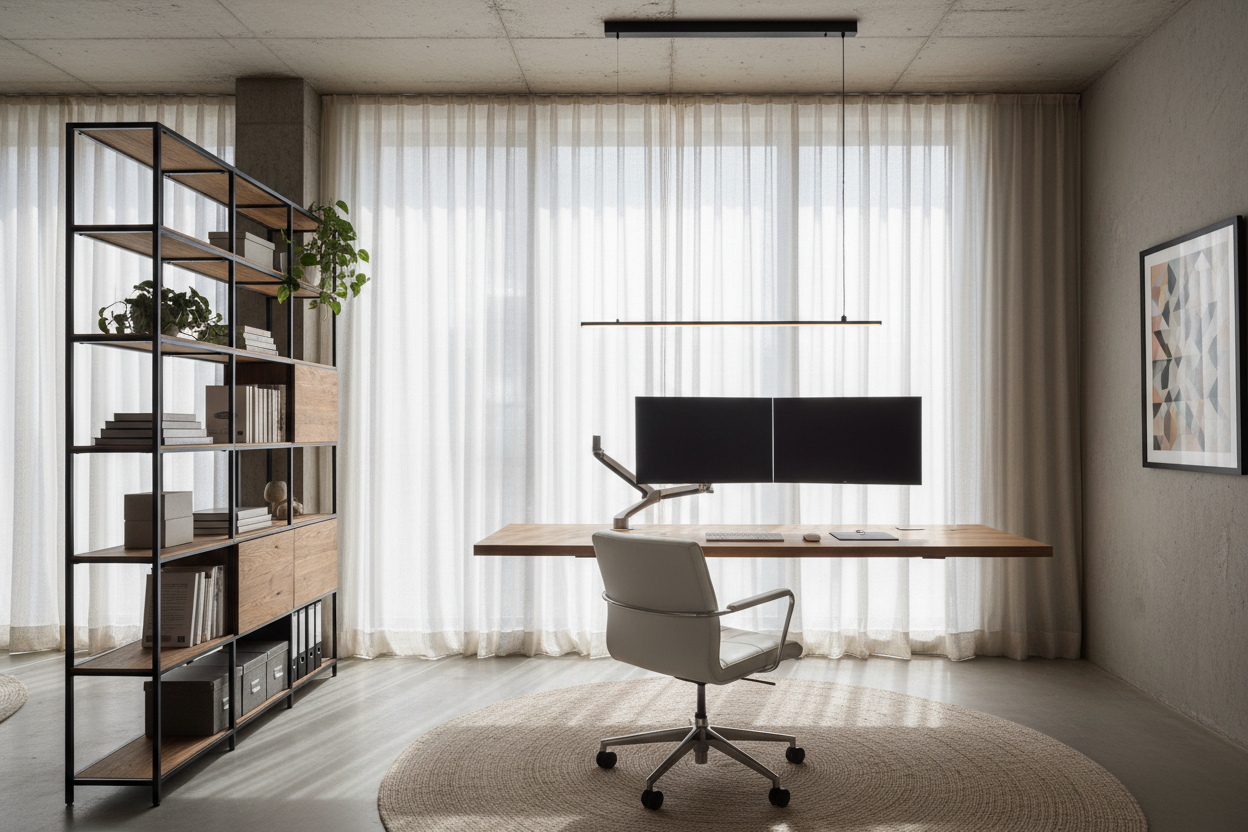
- Statement Lighting: Replacing standard ceiling fans or recessed cans with chandeliers or architectural pendants to define the zone.
- Concealed Cord Management: Utilizing furniture with integrated grommets or false backs to maintain a wire-free visual.
- Textural Layering: Combining hard surfaces (wood, metal) with soft acoustics (rugs, drapery) to reduce echo and add warmth.
- Vertical Utilization: Floor-to-ceiling joinery or shelving that draws the eye upward, making the footprint feel larger.
Mastering the Layout and Flow
On television, furniture is often arranged for the camera angle, not necessarily for the user. When implementing hgtv office ideas in your own home, the placement of your desk—the command center—is paramount. Avoid pushing your desk directly against a blank wall if possible. This is a common layout error that stifles creativity.
Instead, try floating the desk in the center of the room or positioning it perpendicular to a window. This allows you to control the view and benefit from natural light without direct glare on your monitor. For those dealing with tighter square footage, looking into hgtv small home office ideas often leads us to the "cloffice" (closet-office) concept. The trick here is not just fitting a desk in a nook, but treating the nook with the same design weight as a full room—using wallpaper or a contrasting paint color to give the alcove depth and intention.
Choosing Furniture: Prop Quality vs. Heirloom Quality
A major distinction between a set design and a livable interior is the structural integrity of the furnishings. A chair might look sculptural and stunning on screen, but if it lacks lumbar support or seat depth, it becomes a liability to your productivity.
The Desk
Prioritize materials that age well. While veneers are common, a solid wood top or high-grade laminate is essential if you write by hand or use heavy equipment. Look for a "modesty panel" if your desk floats in the room; this hides the visual clutter of your legs and cables, a staple trick in high-end design.
The Seating
If you fall in love with a vintage accent chair that lacks ergonomic adjustments, use it as a guest chair or a reading corner piece. Your primary task chair must offer adjustability. To keep the "HGTV look," opt for performance fabrics like velvet or leather rather than standard black mesh, provided the internal mechanism is high-quality.
Styling the Background
Video calls have made your background wall a critical part of your professional image. This is where styling comes into play. Avoid overcrowding shelves. Use the rule of thirds: mix books (some vertical, some horizontal), organic objects (plants, wood bowls), and negative space. This allows the eye to rest and prevents the room from feeling claustrophobic.
My Personal Take on HGTV Home Office Trends
I need to share a specific reality check from a project I worked on last year. The client wanted a floating, minimalist desk exactly like one she saw on a renovation show—zero legs, just a slab coming out of the wall. It looked incredible in the rendering.
However, once we installed it, the reality of "cord chaos" hit us hard. Television shows rarely depict the ugly surge protectors, the monitor bricks, or the ethernet cables. To save the aesthetic, I had to bring in a carpenter to build a false wall panel underneath the desk just to sandwich the electrical components out of sight. It was a headache to install and cost an extra $800, but it was the only way to maintain that pristine look. The lesson? If you want that wireless look, you have to plan your electrical layout before you buy the furniture, or you'll be staring at a rat's nest of wires forever.
Conclusion
Achieving that curated designer look is about balancing visual impact with tactile comfort. By investing in quality materials, planning your electrical needs, and styling with intention, you can build a workspace that looks good on camera and feels good to work in.
Frequently Asked Questions
How do I make a small office look bigger?
Use vertical space. Floor-to-ceiling curtains and tall bookcases draw the eye up. Additionally, a large area rug can actually make a small room feel expansive, whereas a small rug chops up the floor plan visually.
Is custom cabinetry worth the investment?
If you have an awkward niche or a very small room, yes. Custom built-ins maximize every inch of storage and increase home value, whereas freestanding bookcases can sometimes look cluttered in tight spaces.
What is the best lighting for video calls?
Avoid overhead lighting as your primary source, as it creates dark shadows under the eyes. Position two soft light sources (table lamps or ring lights) behind your monitor at eye level to illuminate your face evenly.

Leave a comment
This site is protected by hCaptcha and the hCaptcha Privacy Policy and Terms of Service apply.