










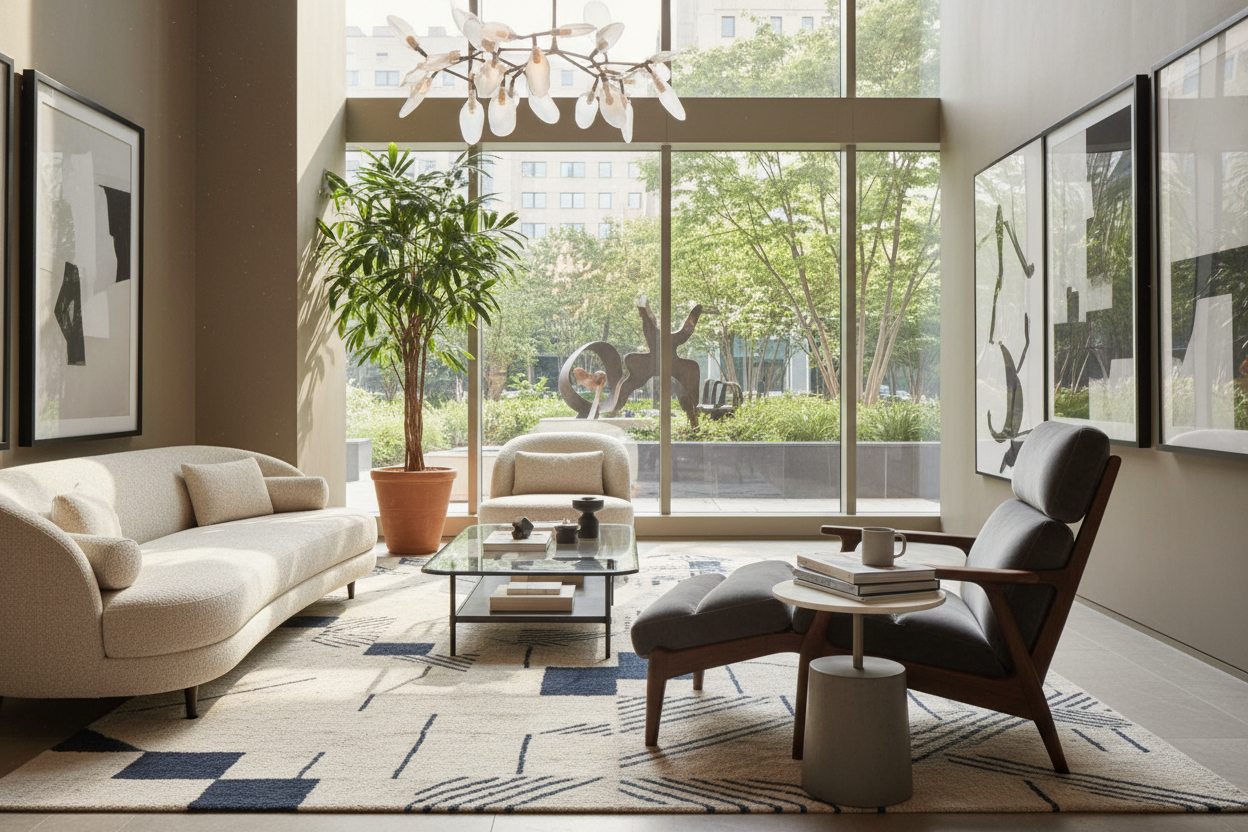
We have all experienced the stark, sterile atmosphere of a workspace that prioritizes utility over humanity. It feels temporary, transactional, and uninspiring. As an interior designer, I see the antidote to this clinical vibe in well-curated office lounges. Whether you are outfitting a corporate headquarters or a high-end home office, the introduction of soft architecture—lounge seating—changes the psychology of the room. It signals that this is a space for contemplation, conversation, and sustained focus, not just rapid-fire task execution.
Key Features to Look For
Before you purchase that statement piece, consider these non-negotiable elements to ensure your furniture serves both form and function. This checklist will help you filter through the noise of endless online catalogs.
- Seat Height & Pitch: A work lounge chair should have a higher seat (17"-18") and a firmer, more upright back than a living room recliner to allow for easy ingress and egress in professional attire.
- Martindale Rub Count: For business lounge furniture, look for fabrics rated above 50,000 double rubs to withstand daily traffic without pilling.
- Base Functionality: A swivel base is essential for a lounge chair for desk or collaborative areas, allowing the user to pivot toward conversation or a view without dragging the furniture.
- Visual Weight: In tighter footprints, opt for a small office lounge chair with raised legs to show more floor, making the room feel expansive.
Defining the Zone: Purpose-Led Selection
The first step in selecting office lounge furniture is defining the intent of the zone. A breakout area for a tech startup requires a different ergonomic approach than a private reading corner in a CEO’s suite.
The Executive Nook
For a private office, you are likely looking for a comfy office lounge chair that serves as a retreat from the main workstation. Here, a leather office lounge chair—specifically in full-grain or semi-aniline leather—is the gold standard. It offers a gravity and sophistication that fabric rarely matches. If space allows, pairing an office lounge chair with ottoman creates a dedicated zone for reading reports or taking calls away from the screen. The silhouette should be substantial but not overwhelming; think mid-century modern lines rather than overstuffed traditional styles.
Collaborative and Reception Areas
When specifying customer lounge furniture or a modern office lounge area for teams, modularity is key. An office lounge sofa or a modern office lounge furniture set allows for flexible configurations. In these high-traffic zones, I recommend soft seating office furniture upholstered in commercial-grade performance crypton or wool blends. These materials resist staining while offering the tactile warmth that purely synthetic fibers lack.
Materiality and Aesthetics
The choice between a contemporary office lounge aesthetic and a traditional look often comes down to the frame and upholstery pairing.
For a modern office lounge chair, look for mixed materials—walnut veneers paired with matte black metal bases, or bouclé fabrics contrasting with chrome. If you are integrating a lounge chair for home office use, you have more freedom to experiment with softer textures like velvet, provided the color palette remains grounded. Neutral tones (charcoal, camel, navy) ensure longevity, while accent pillows can introduce brand colors or personal flair.
The "Work-Lounge" Hybrid
A massive trend in current design is the lounge computer chair. This isn't your standard task chair; it’s a hybrid designed for laptop work in a relaxed posture. When selecting a lounge chair for computer work, ensure the armrests are low enough to clear your elbows while typing. A desk lounge chair needs to support the lumbar region actively; otherwise, the "comfy" factor will turn into back pain within an hour.
Space Planning for Flow
Placing office lounge chairs requires a keen eye for negative space. A common error is overcrowding. For a small lounge chair for office corners, allow at least 30 inches of clearance for traffic flow. If you are creating a conversation pit with modern office lounge chairs, position the seats 4 to 8 feet apart—close enough for intimacy, but distant enough to respect personal space in a professional setting.
My Personal Take on Office Lounges
I learned a hard lesson early in my career regarding the "Sink Factor." I once specified a stunning, low-profile, deep-seated sectional for a law firm's waiting area. Visually, it was a masterpiece of contemporary office lounge furniture.
However, within a week, the partners asked me to replace it. Why? Because clients—often wearing tailored suits or pencil skirts—struggled to stand up gracefully from the deep, soft seats. It was too low and too pitched back. It created an awkward, vulnerable moment for the client right before a serious meeting.
Since then, I always perform the "sit test" specifically for dignity, not just comfort. I look for firmer foam densities (HR foam) and a seat height that aligns with the knees. A comfortable office lounge chair shouldn't hold you hostage; it should support you and let you go easily. That functional nuance is the difference between residential fluff and true office furniture lounge seating.
Conclusion
Integrating the right lounge seating office elements is about balancing the visual language of luxury with the practical demands of work. Whether it’s a home office lounge furniture upgrade or a full commercial fit-out, prioritize structured comfort and durable materials. Your environment dictates your output; make sure your lounge space invites success.
Frequently Asked Questions
1. Can I use a lounge chair as my primary desk chair?
Generally, no. While a lounge chair desk setup looks cozy, most lounge chairs lack the pneumatic height adjustment and five-point base stability required for 8-hour ergonomic support. However, a computer lounge chair is excellent for secondary tasks like checking emails or video calls.
2. What is the best fabric for a home office lounge chair?
For a home office lounge chair, you have more flexibility than in a commercial space. High-performance velvet or a wool-blend felt offers a luxurious hand-feel and sound absorption, which helps dampen echo in the room—a great benefit for phone calls.
3. How much space do I need for a lounge chair and ottoman?
To comfortably accommodate an office lounge chair with ottoman, you typically need a footprint of about 3 feet by 5 feet, plus circulation space. Ensure there is at least 18 inches of clearance between the ottoman and any coffee tables or desks.


Leave a comment
This site is protected by hCaptcha and the hCaptcha Privacy Policy and Terms of Service apply.