










20 products
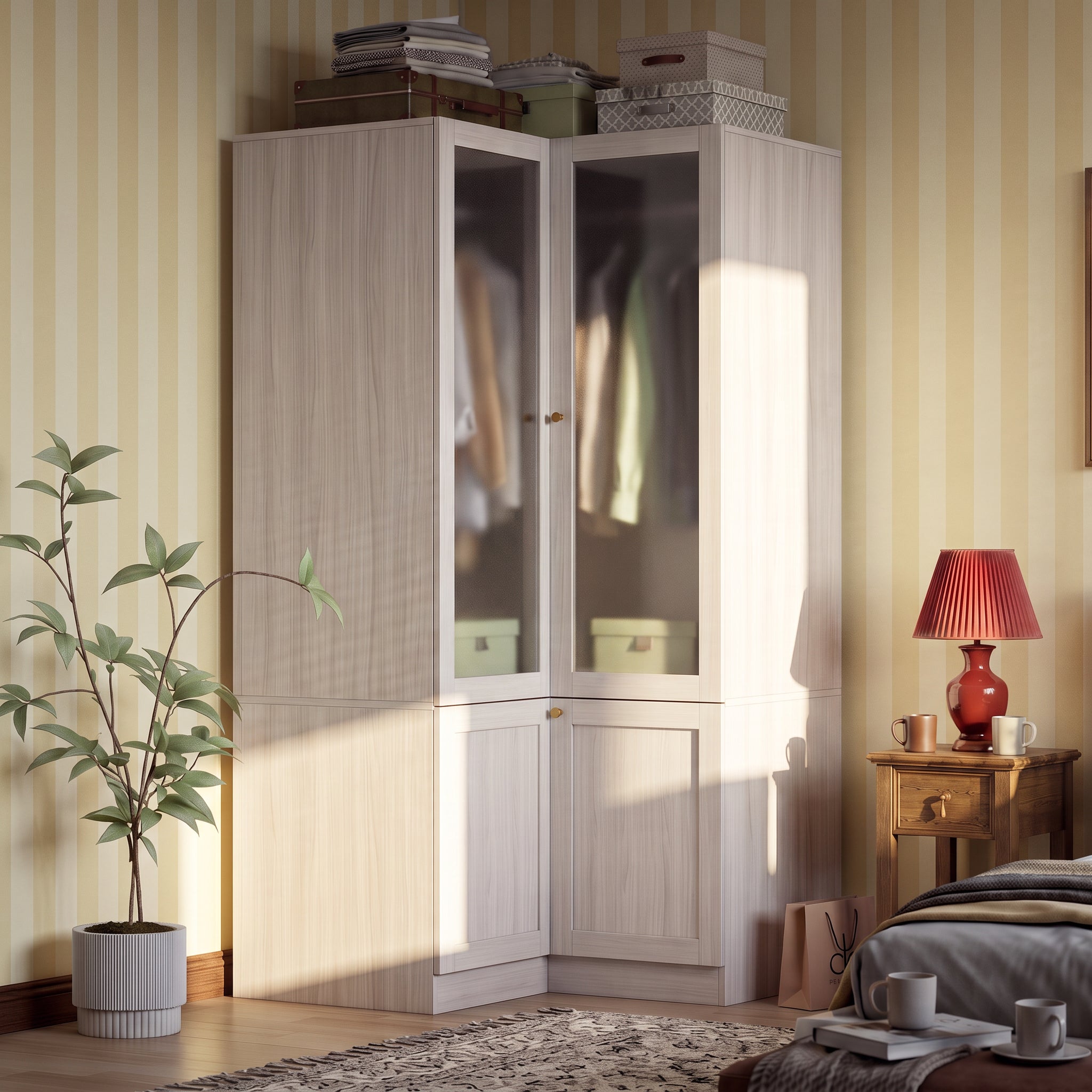
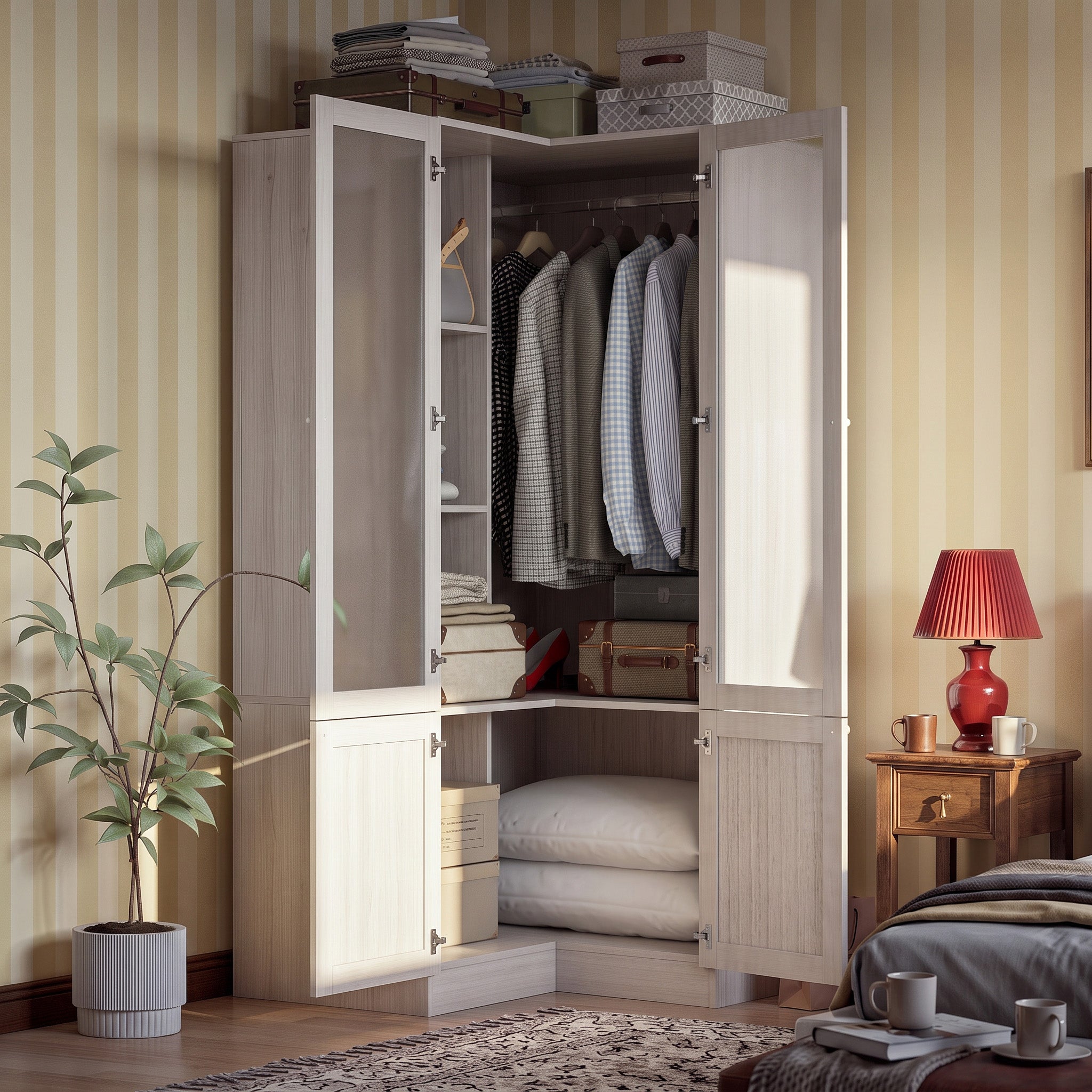
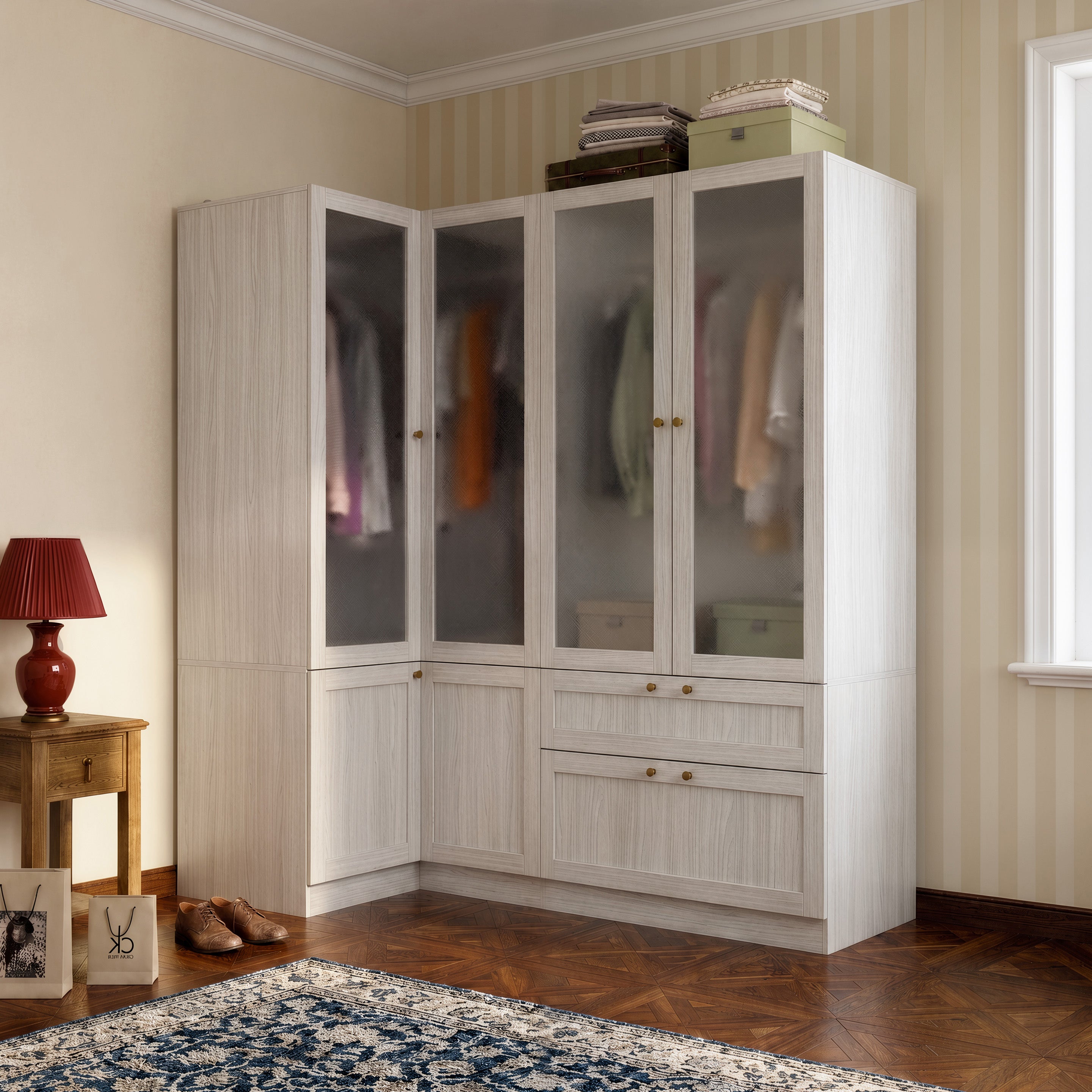
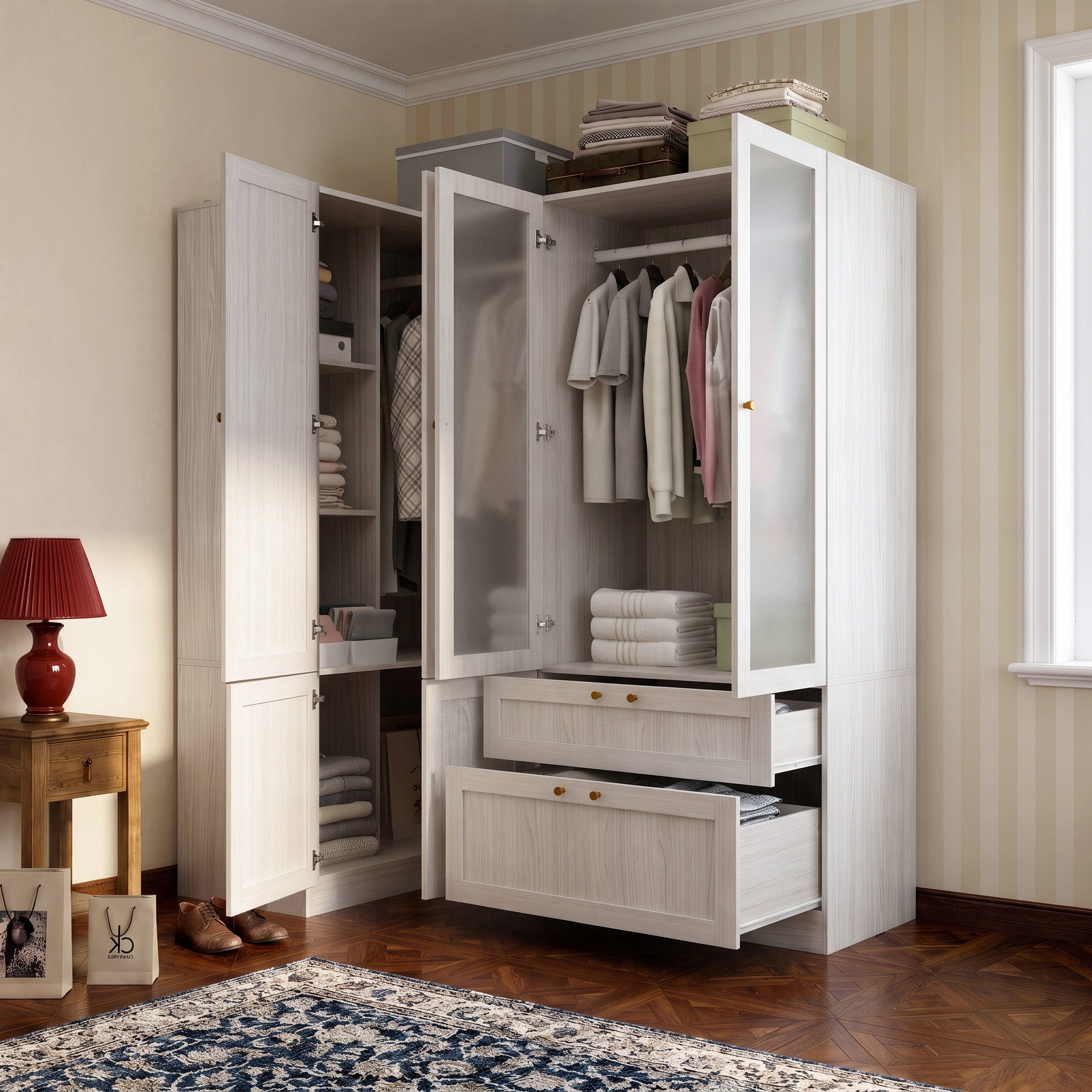
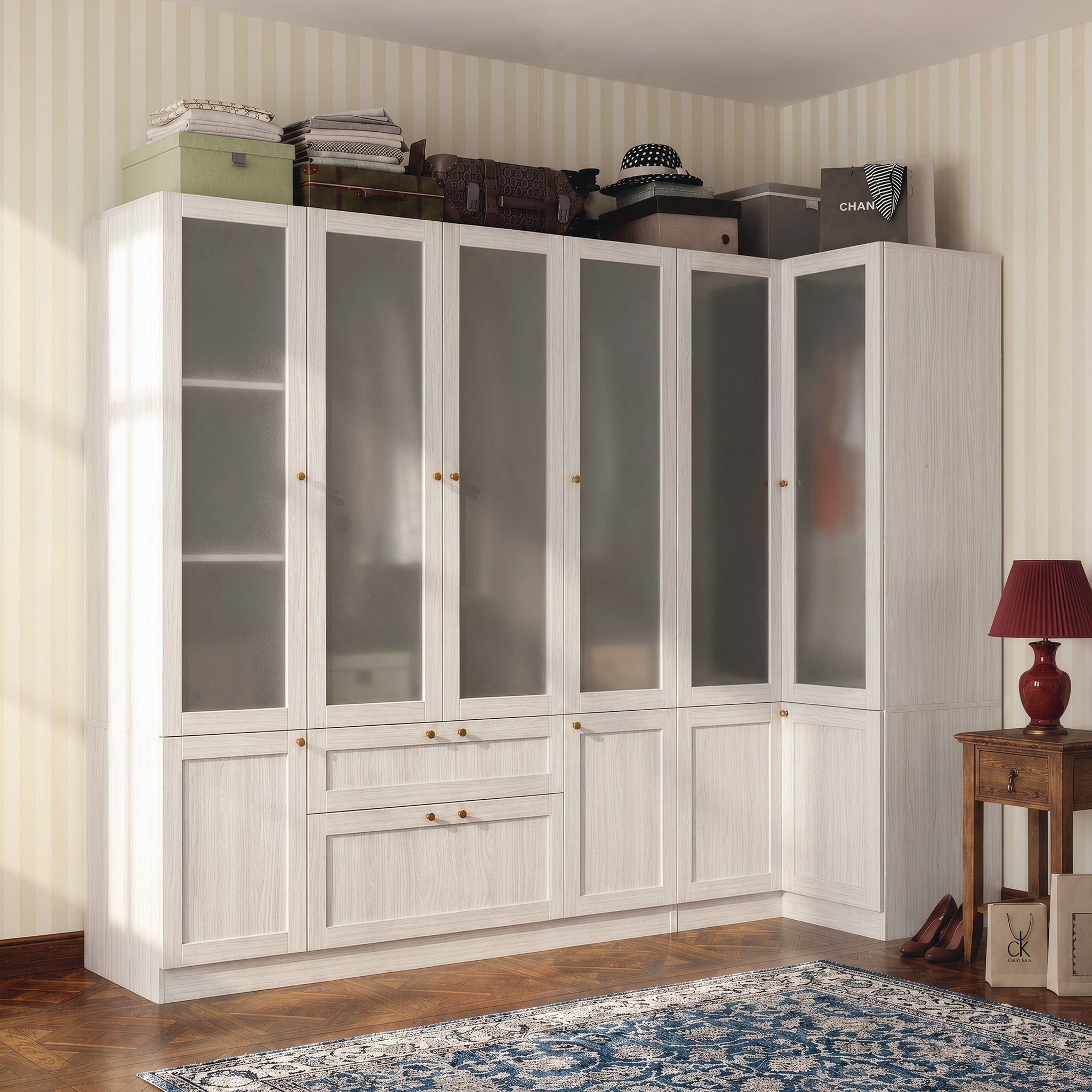
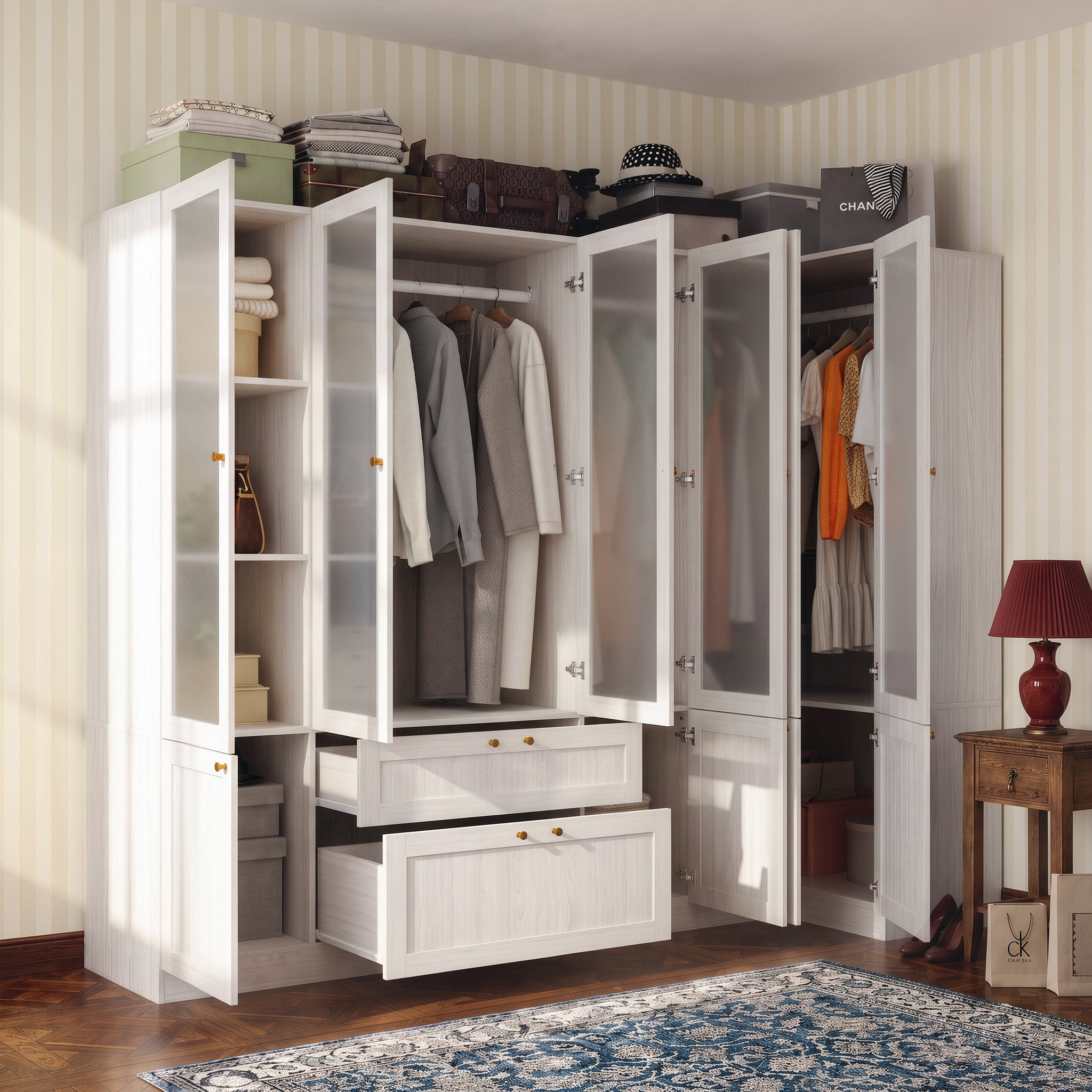
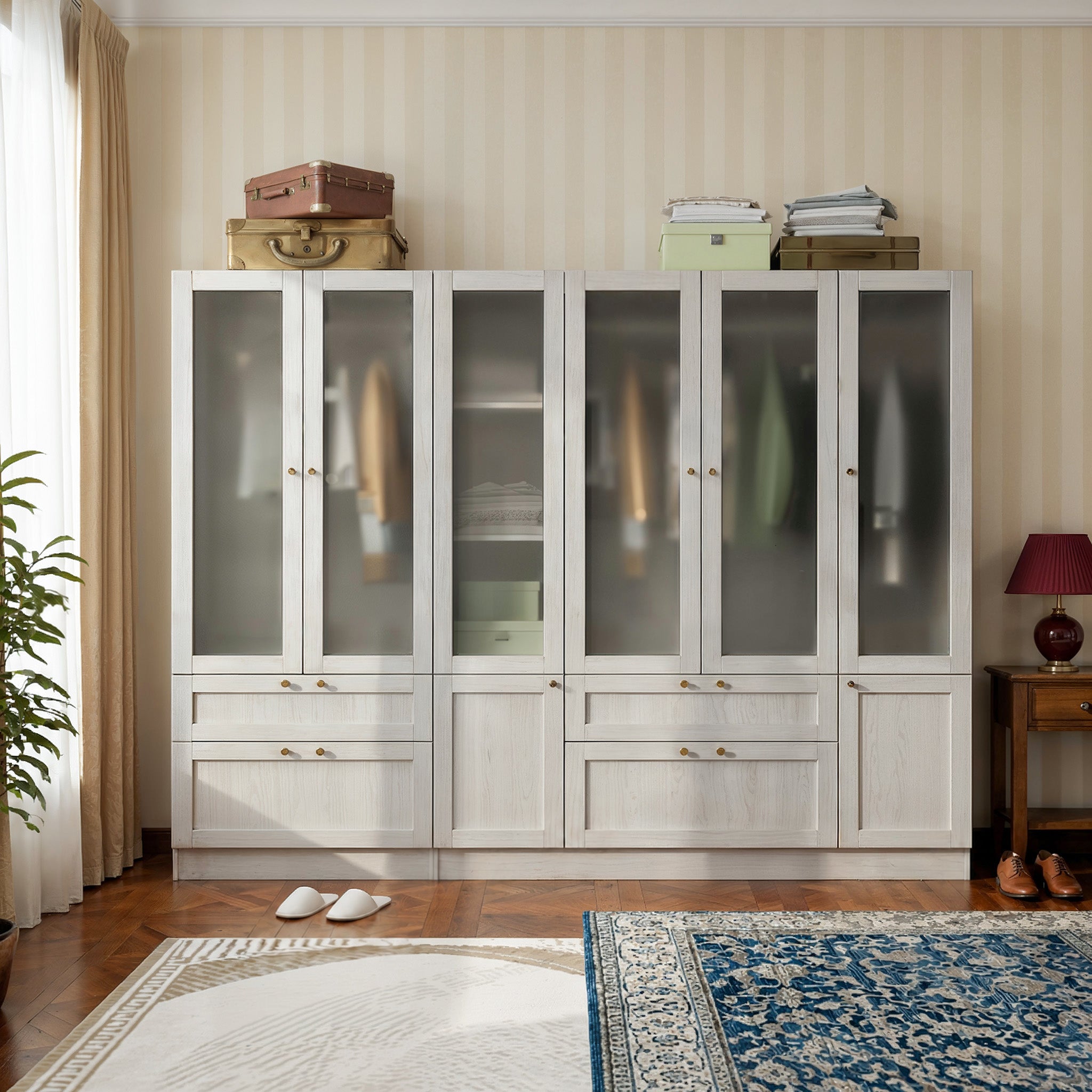
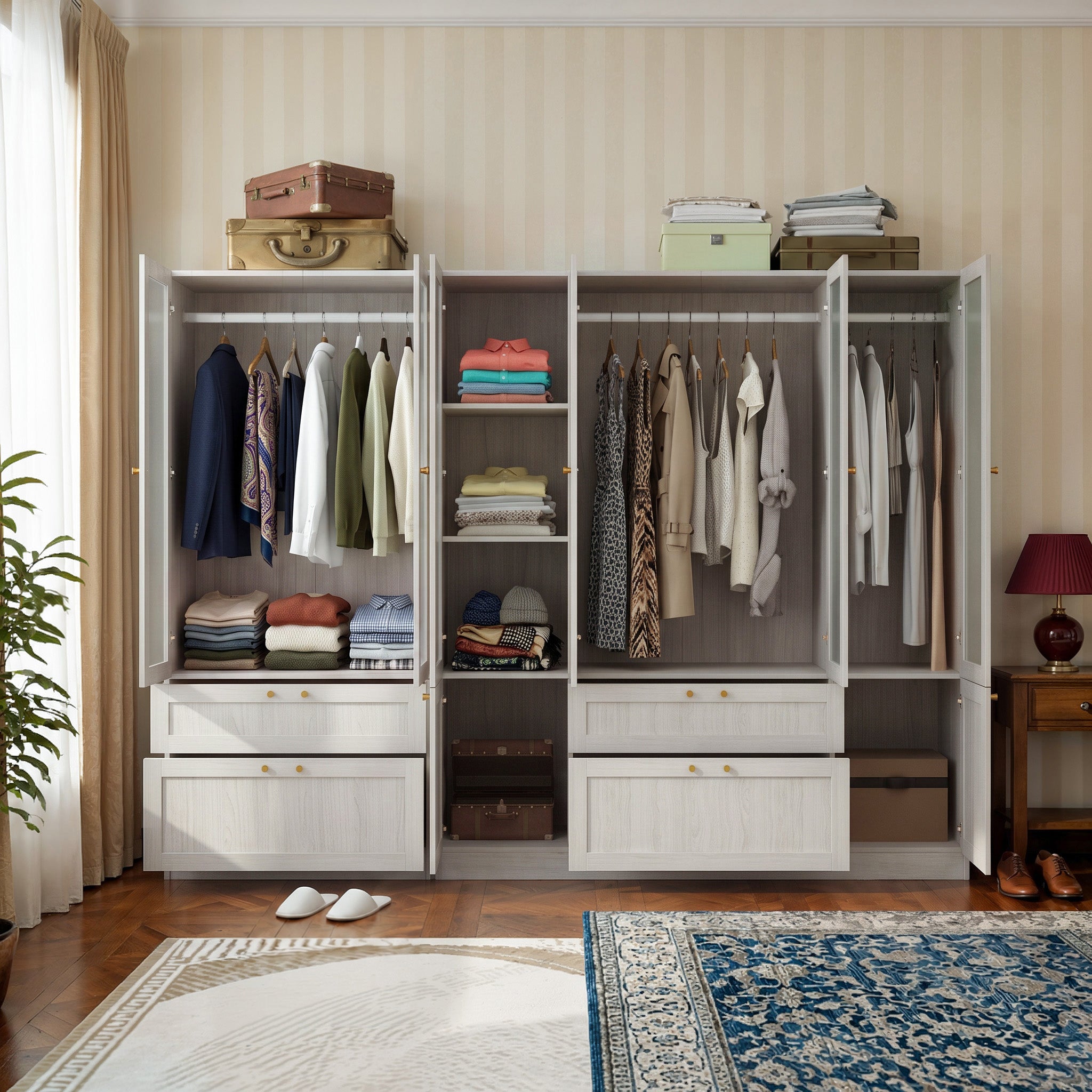


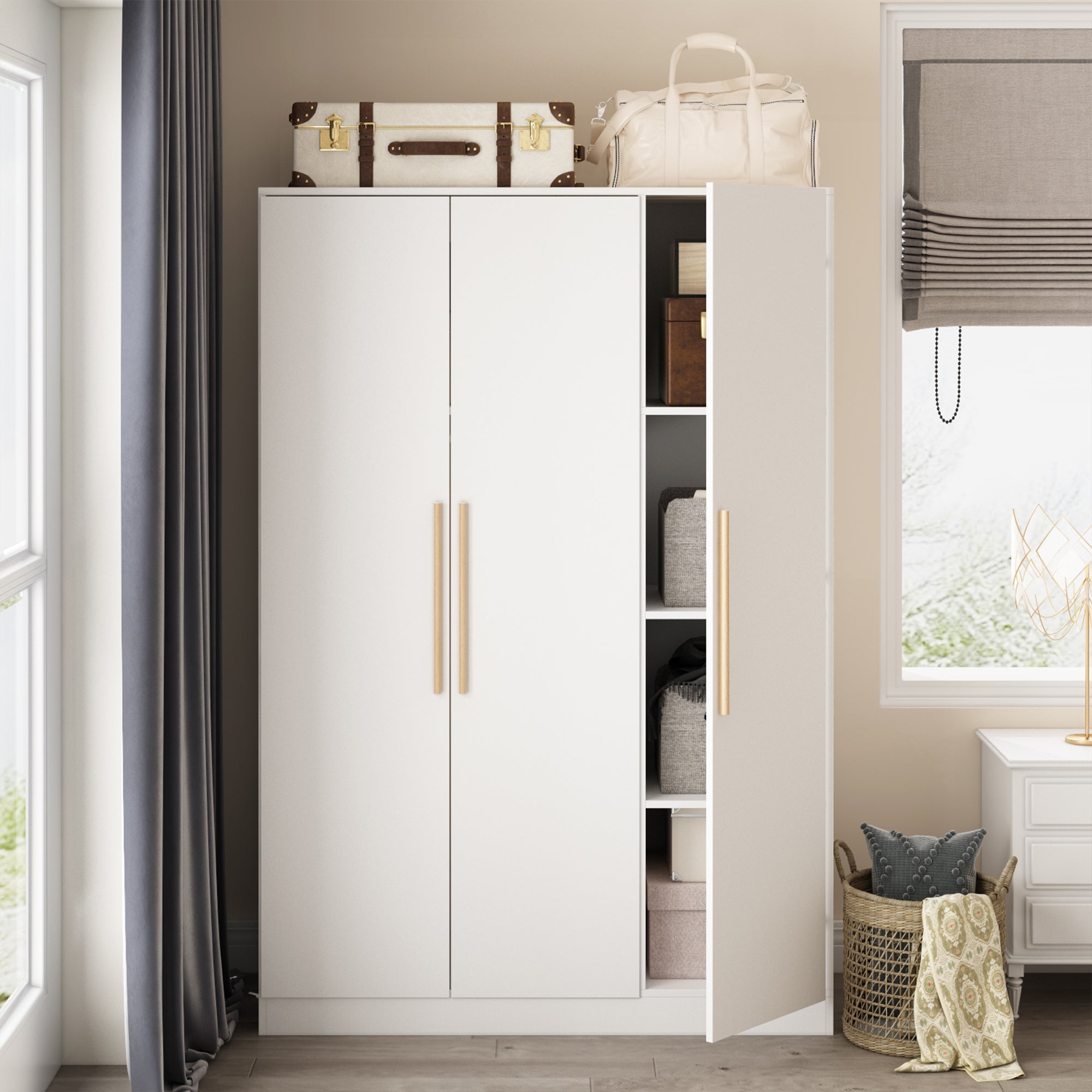

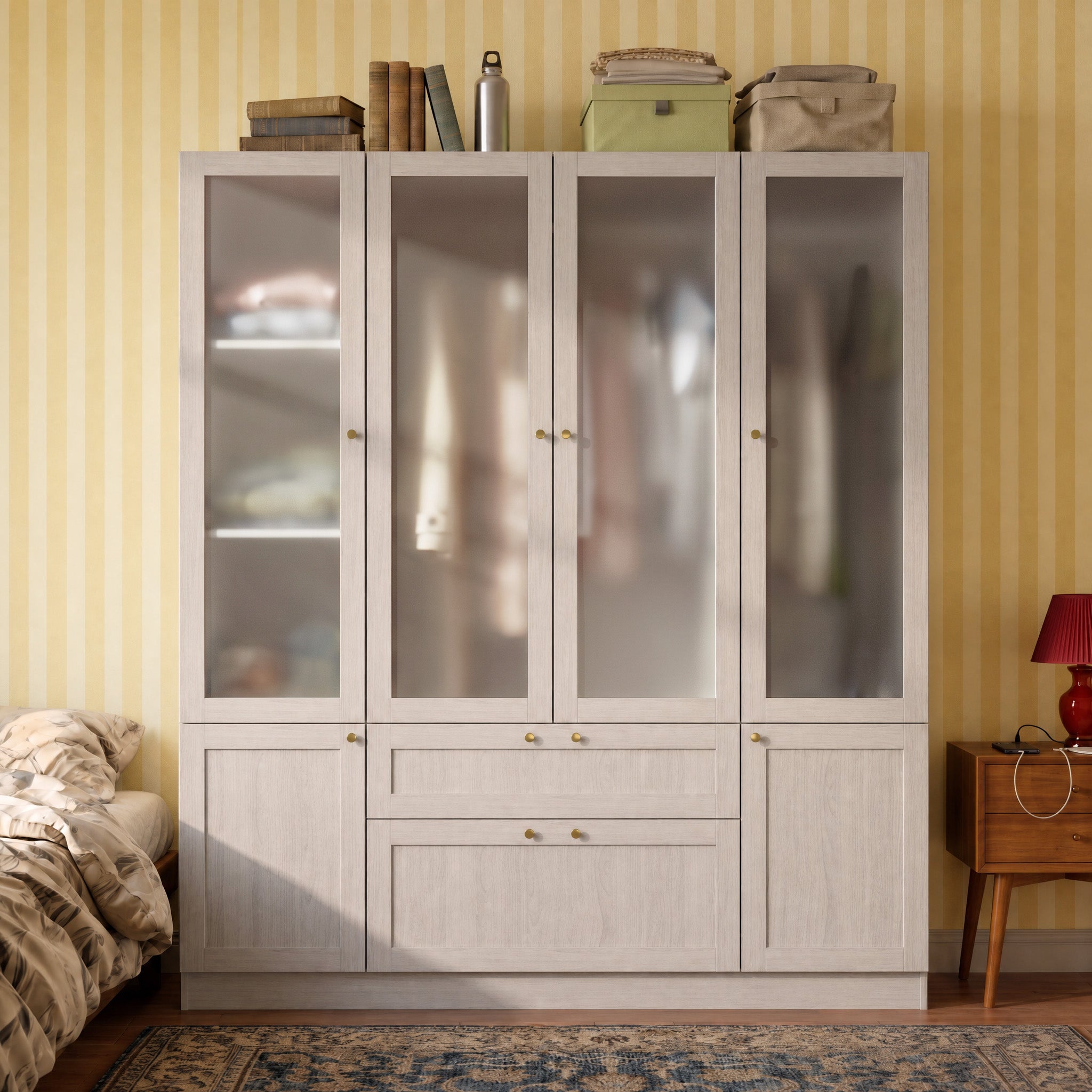
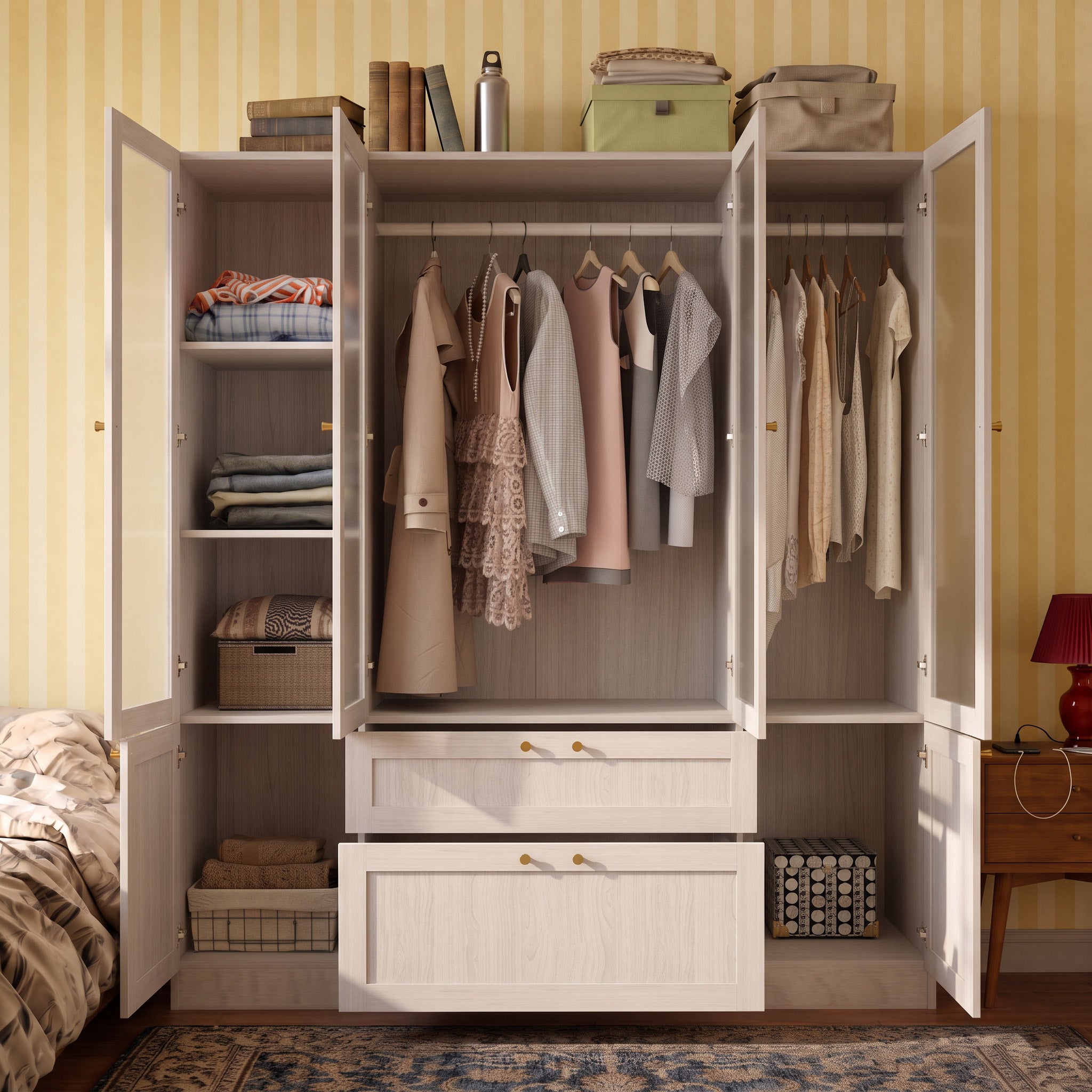
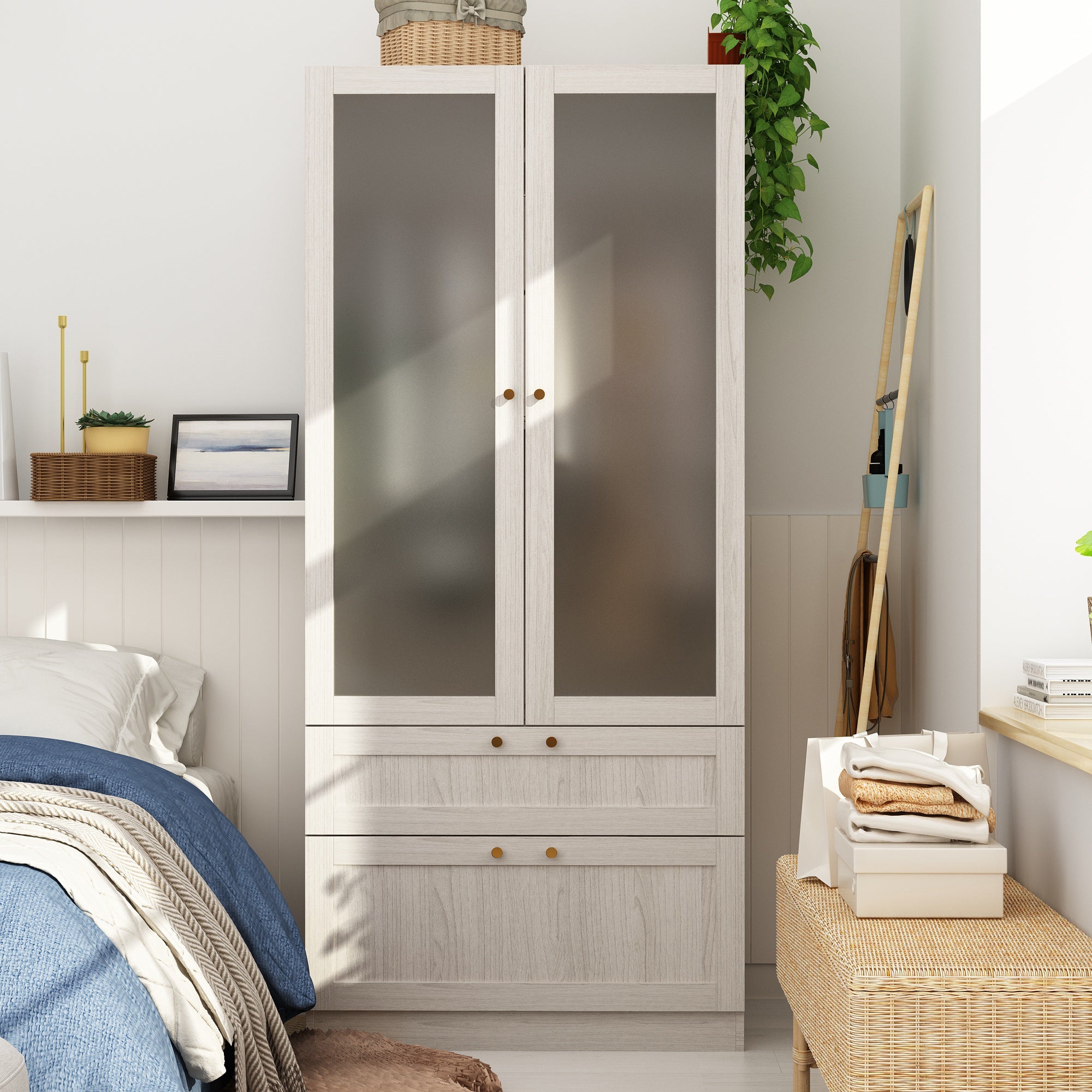
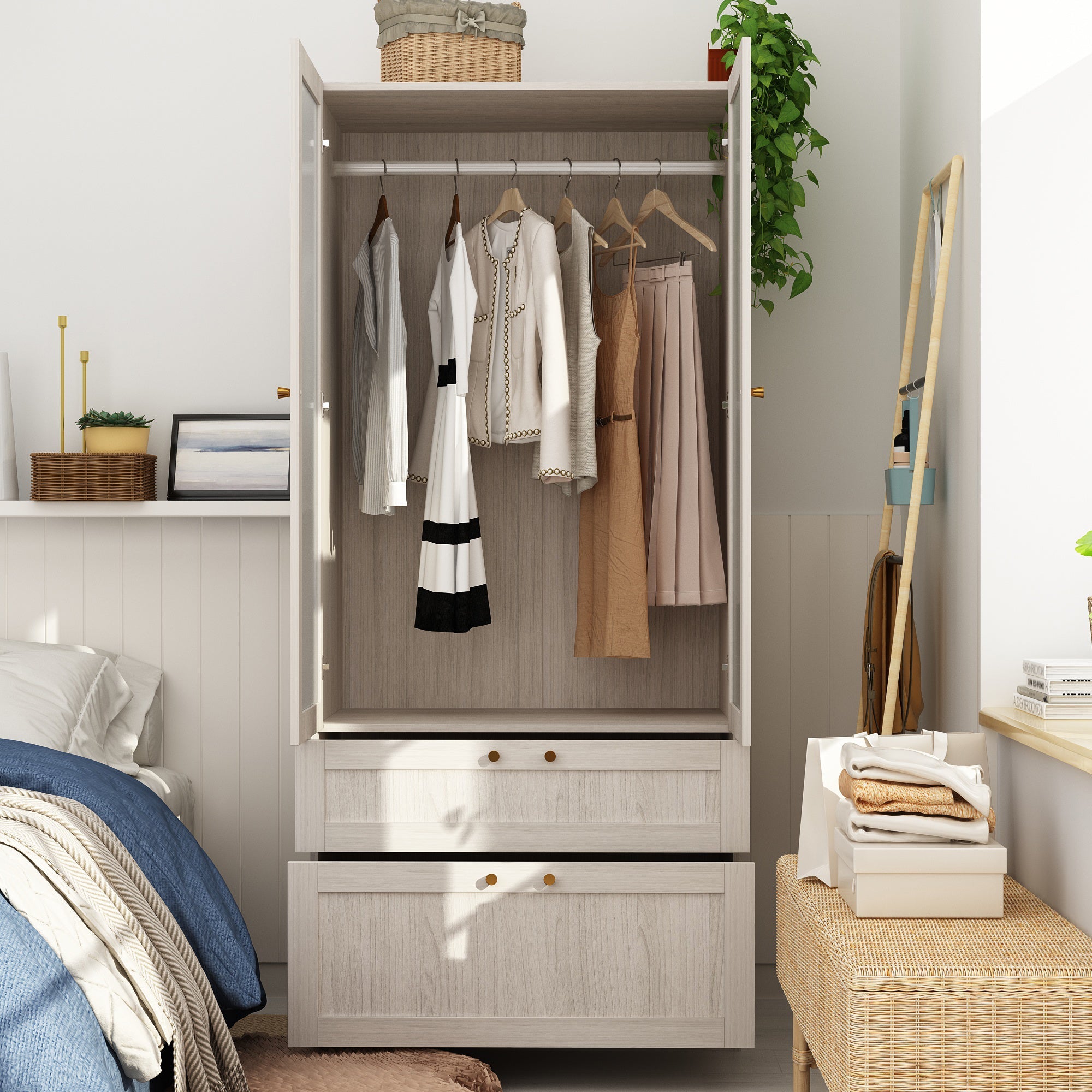
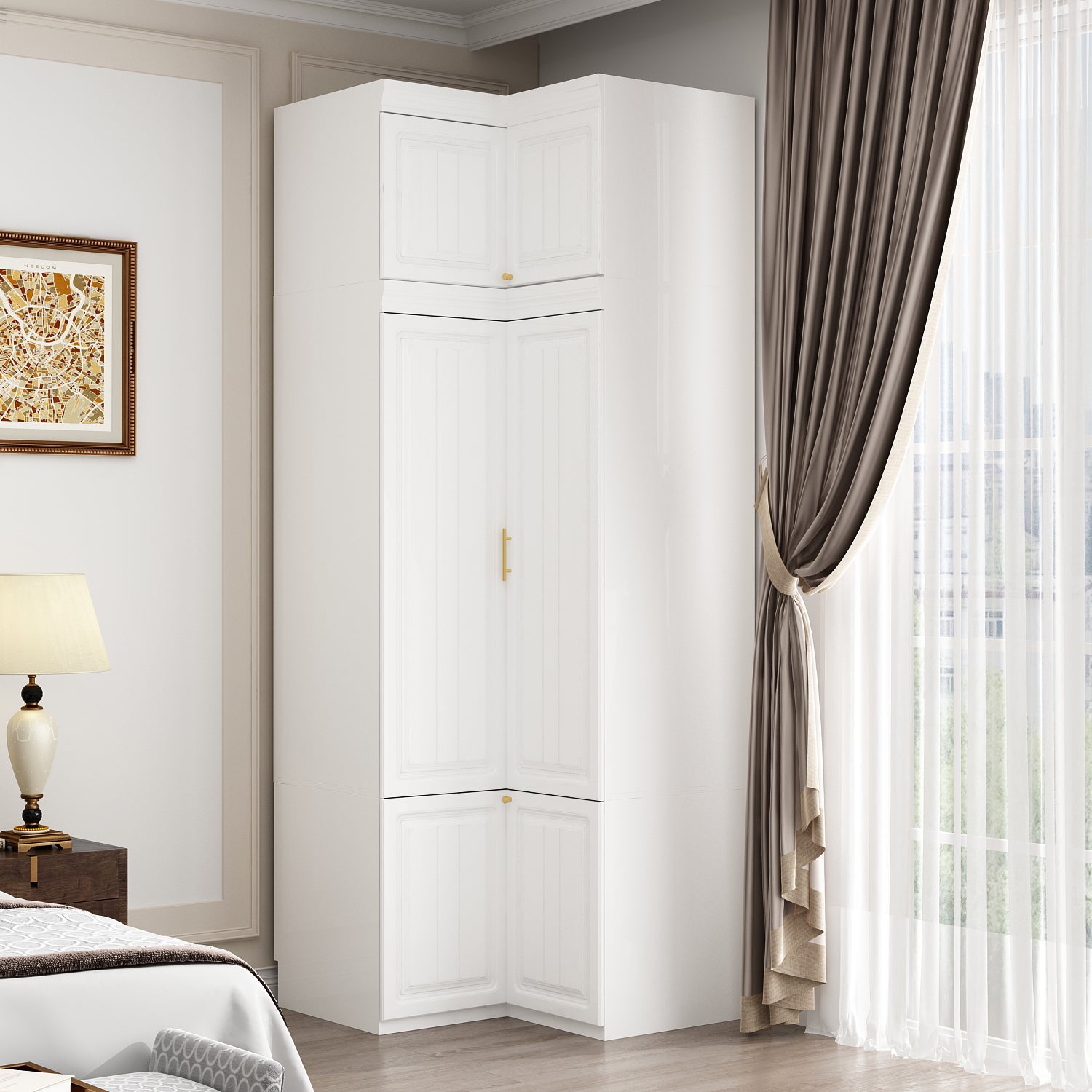
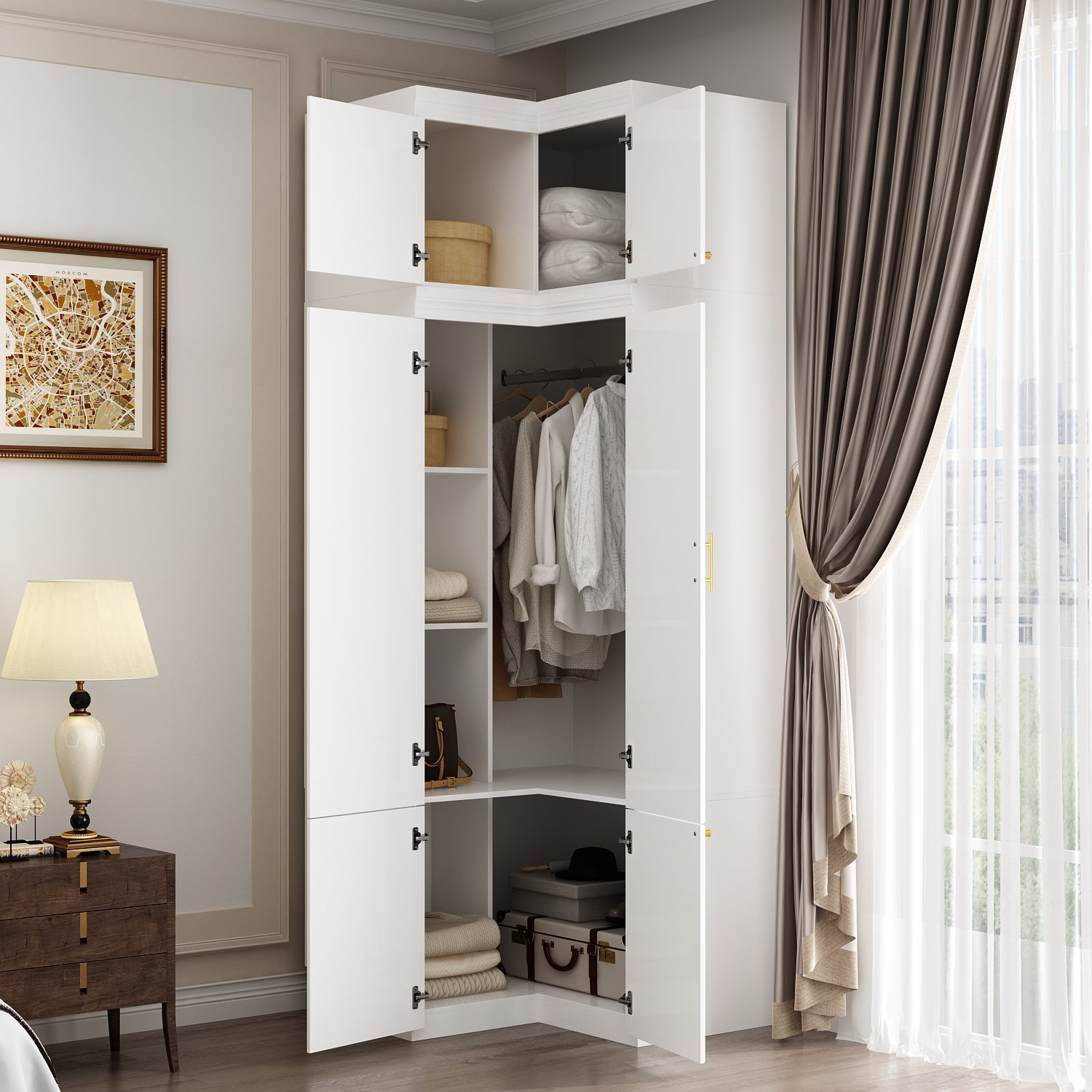
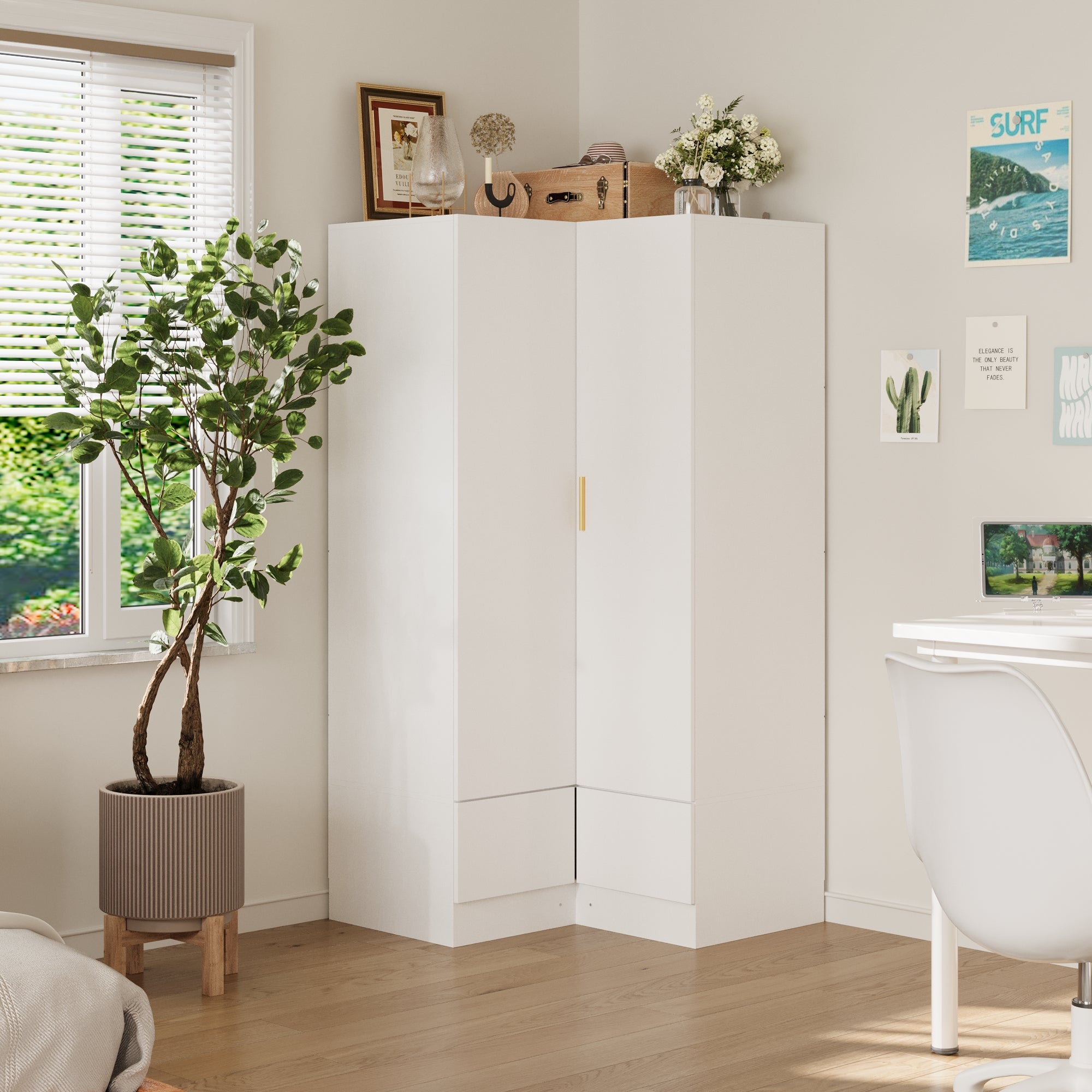
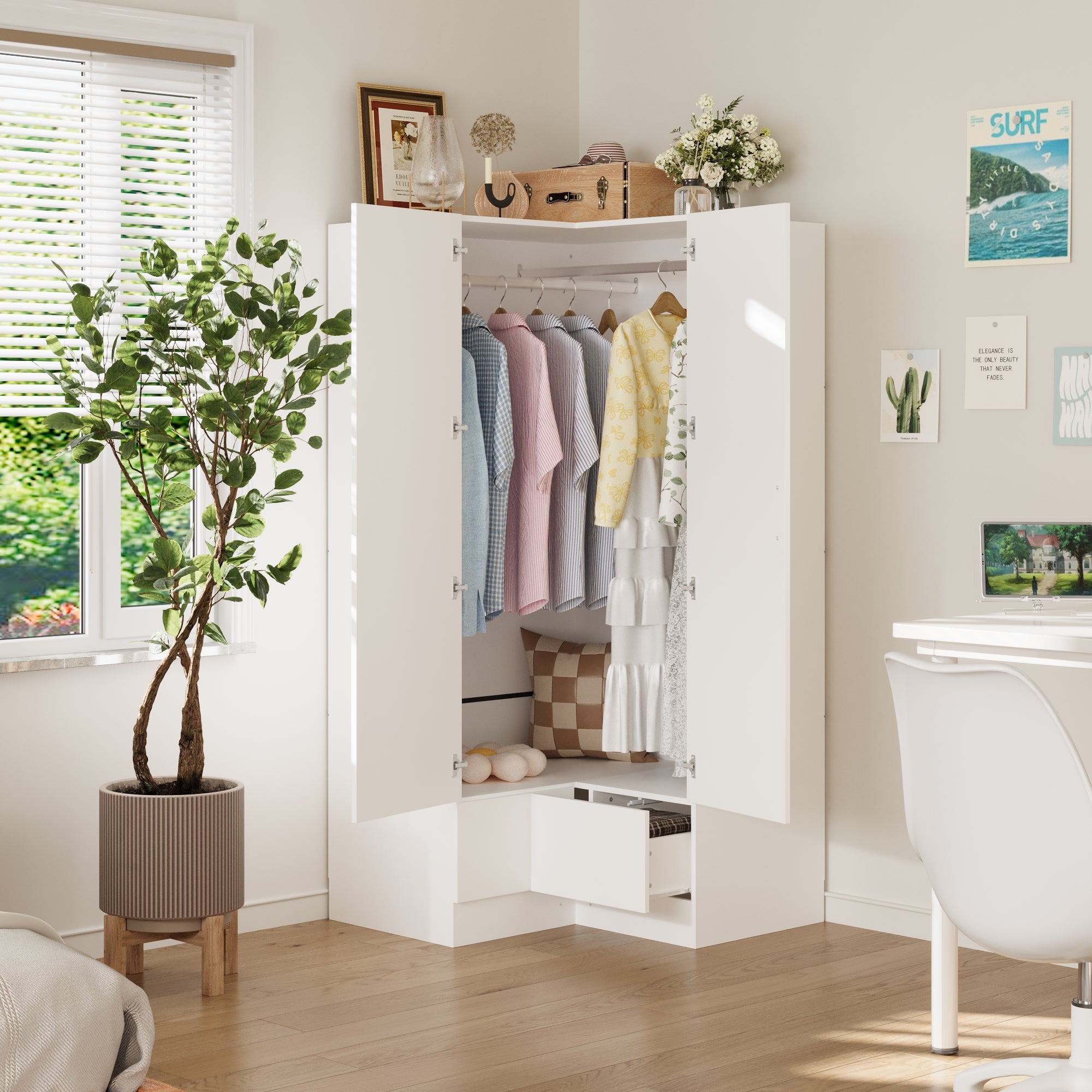
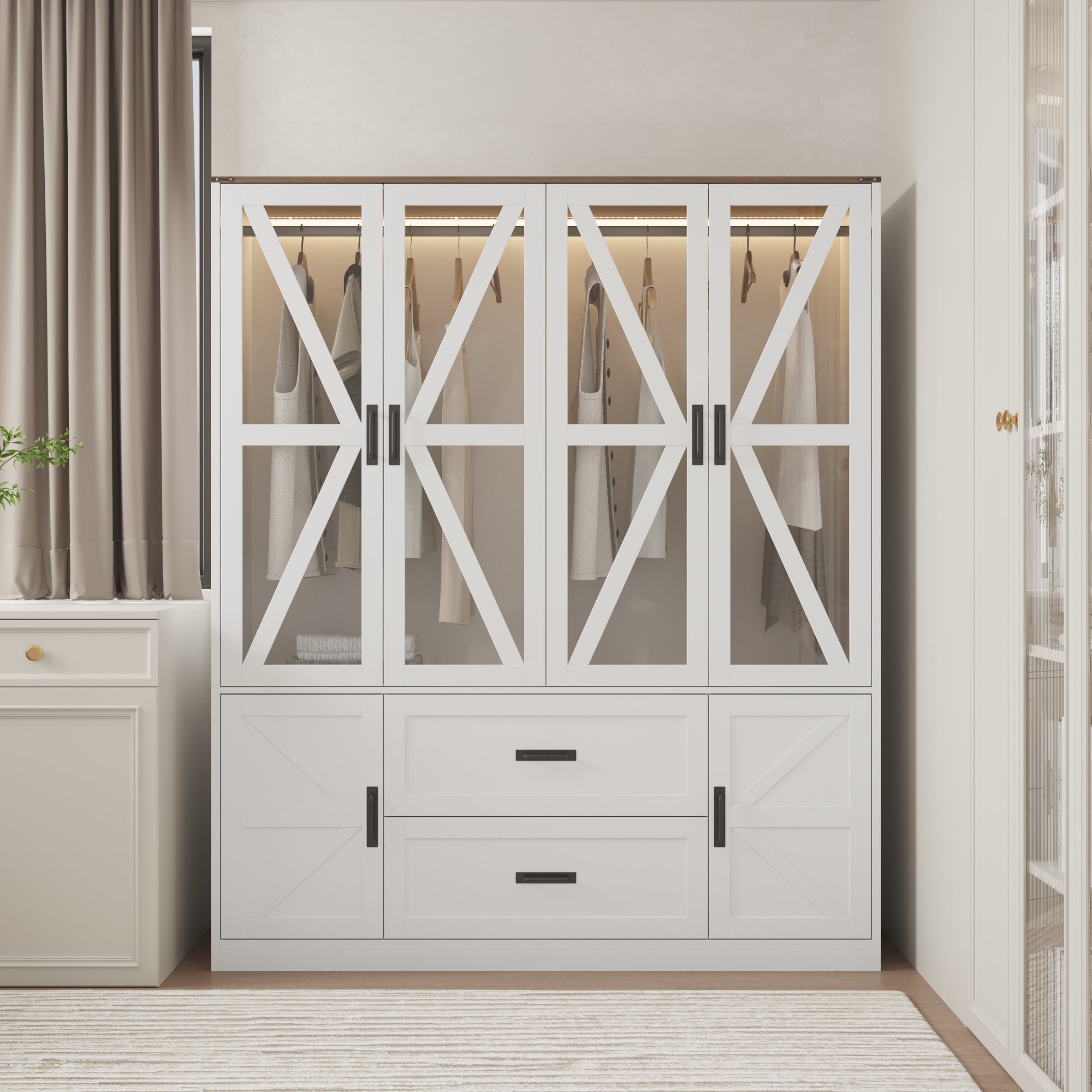
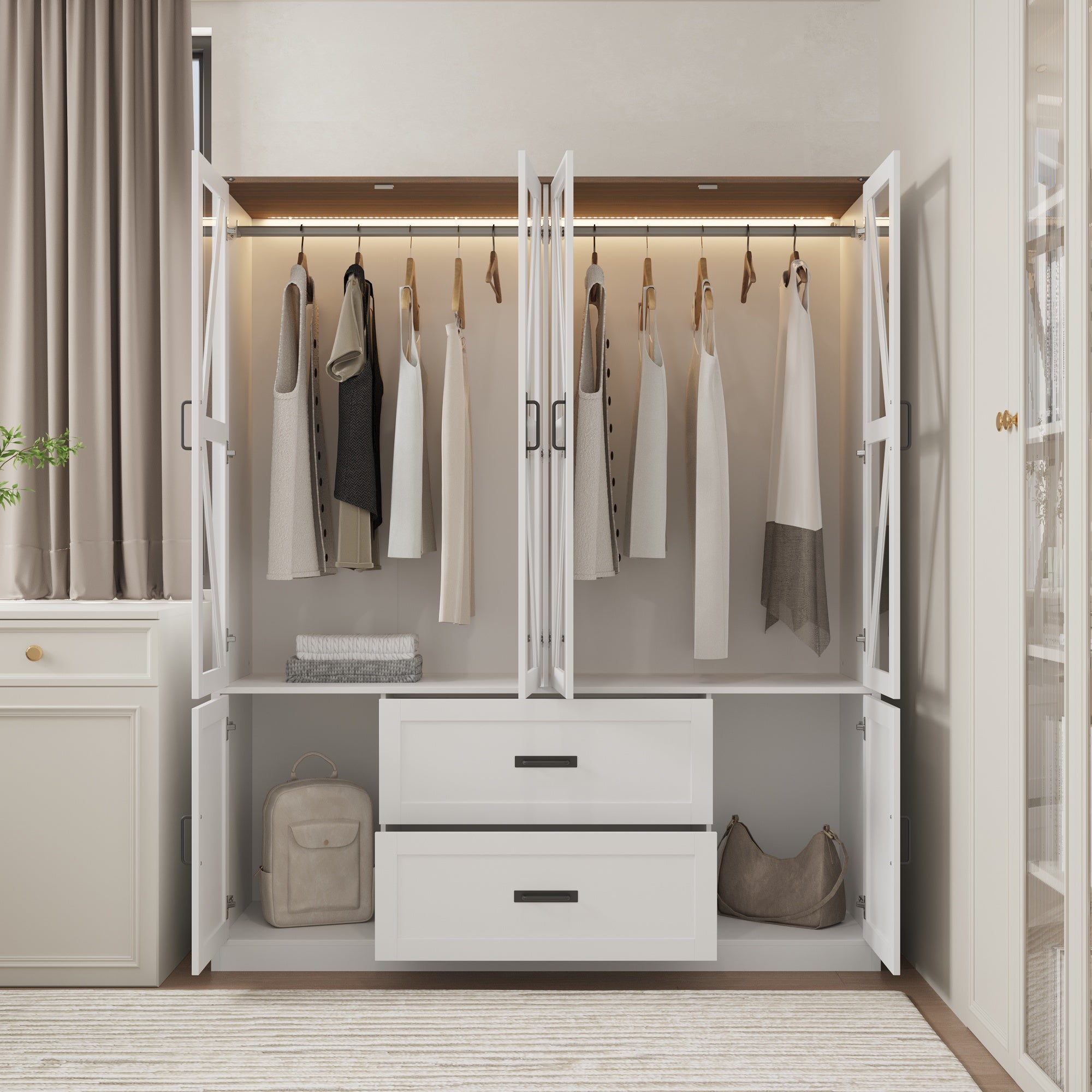
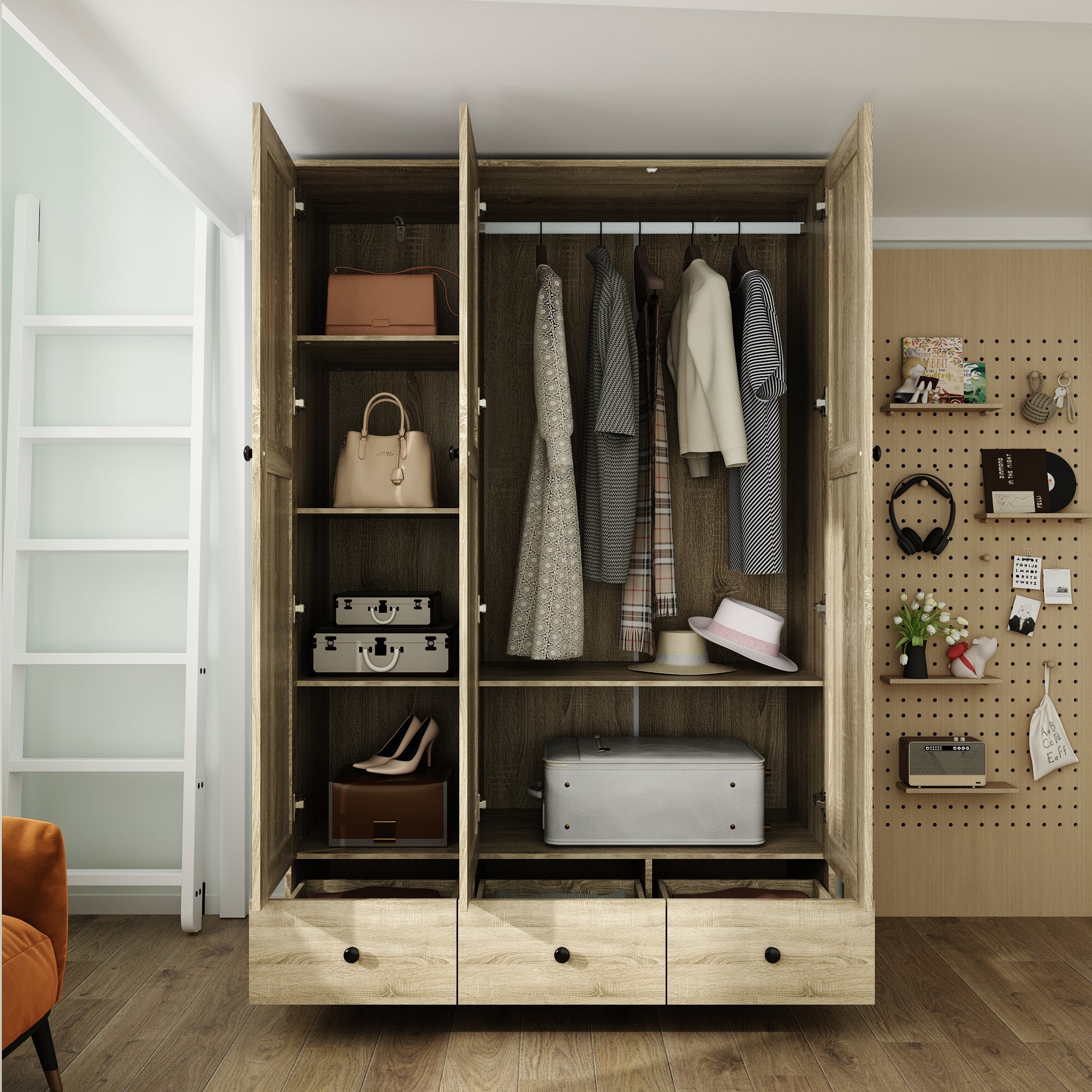
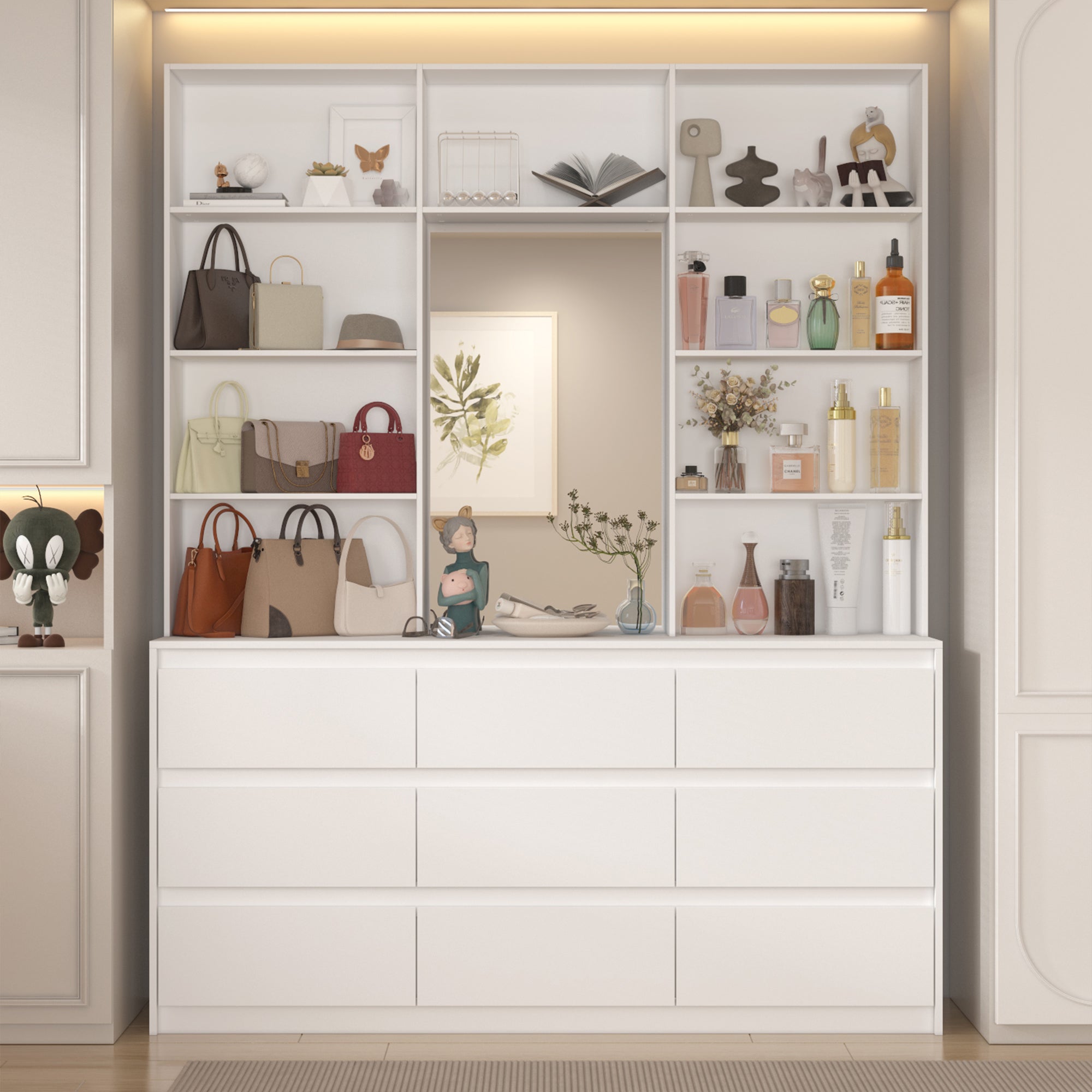
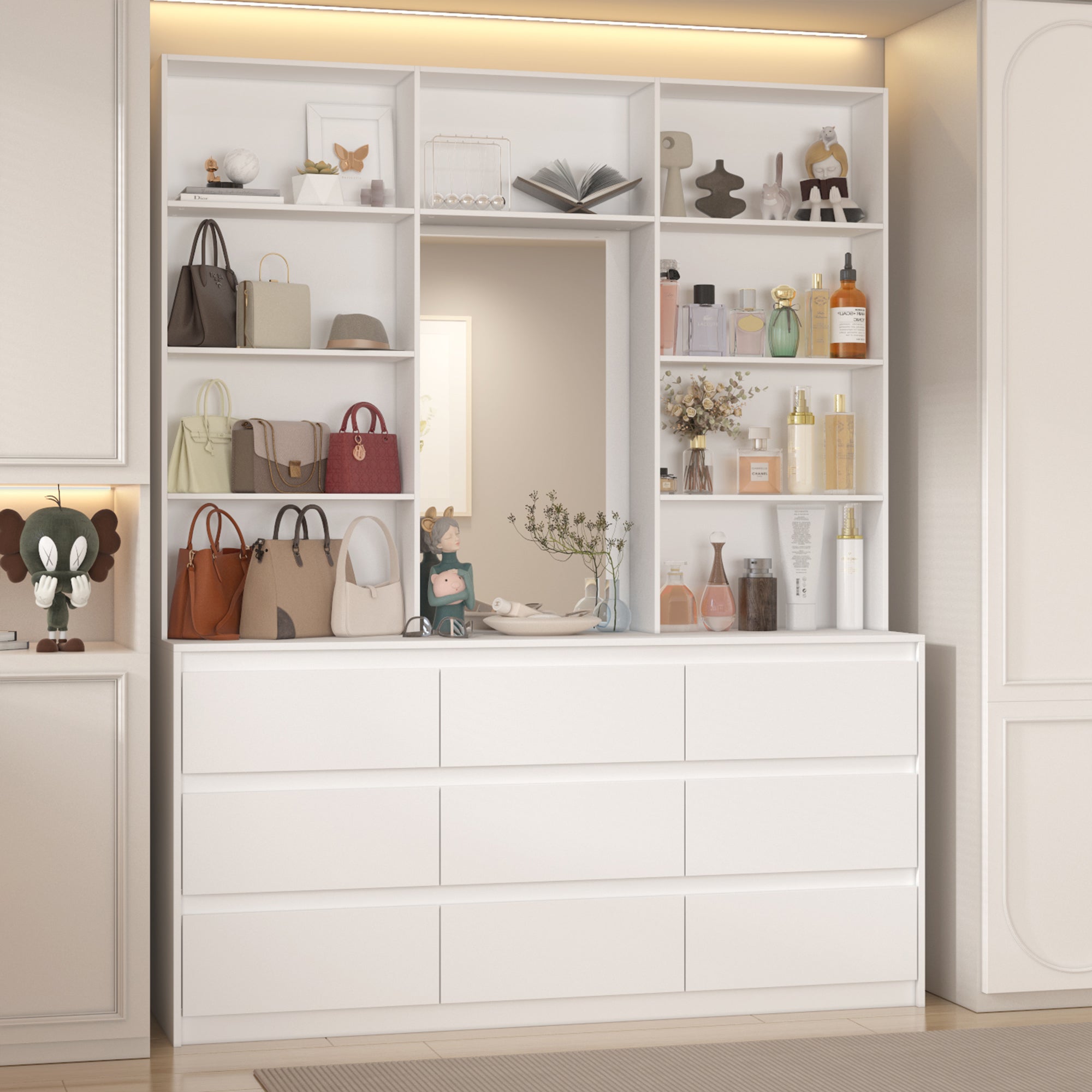
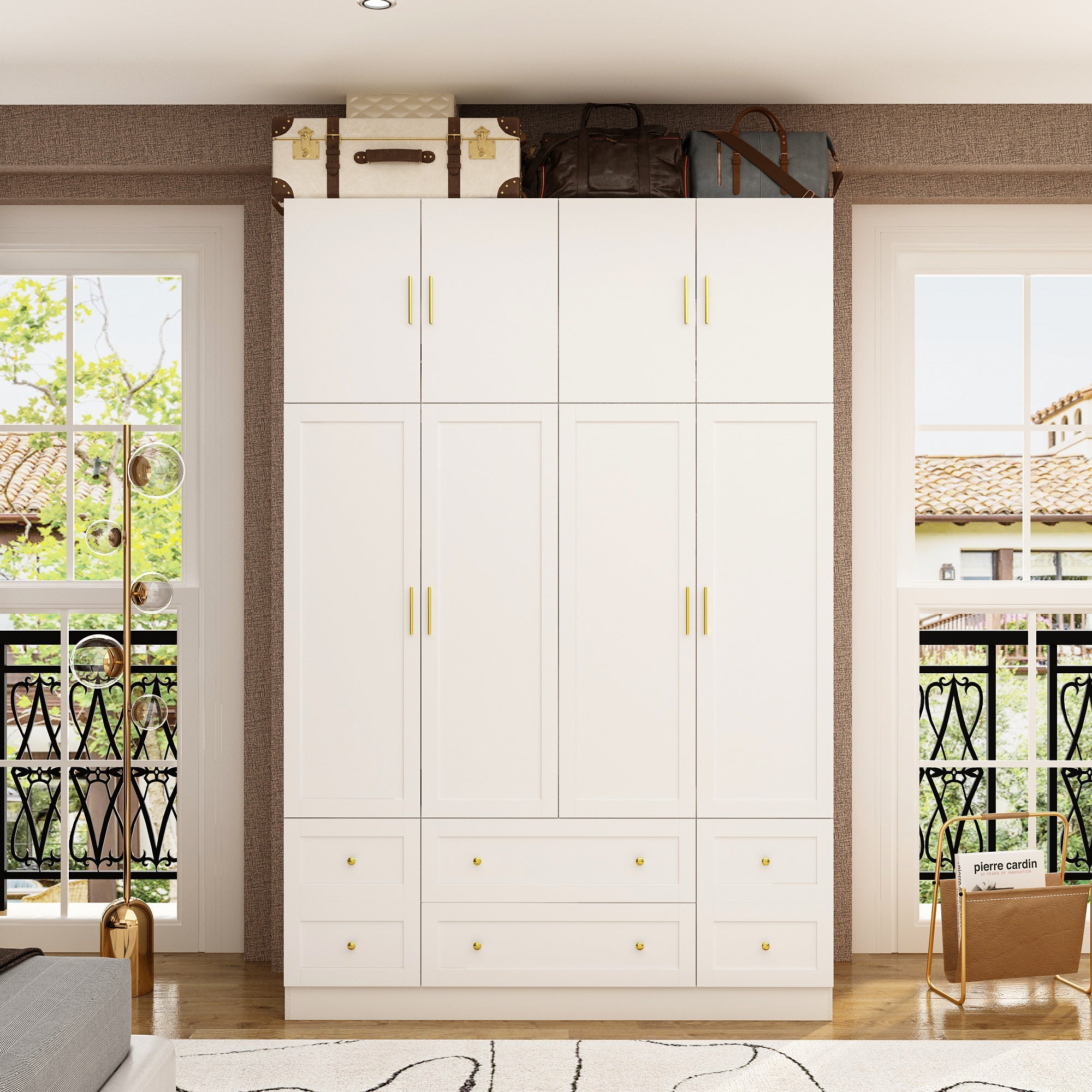
A corner display case is one of those furniture pieces that seems obvious in hindsight—yet most people overlook the potential of their room corners entirely. These specialized cabinets fit snugly into 90-degree angles, transforming dead space into a striking showcase for everything from fine china to retail merchandise.
Whether you’re hunting for a way to display collectibles in your living room or need a secure fixture for high-value products in your store, understanding what makes these cabinets tick will help you make a smarter purchase. This guide covers the essentials: types, features, lighting options, and practical tips for choosing and maintaining your corner display case.
Key Takeaways
- A corner display case is a space-saving cabinet designed to fit into 90° room corners while showing off collectibles, glassware, or retail products behind protective glass.
- Modern corner display cases often include tempered glass, adjustable shelves, and built-in LED lights (from simple warm white to 16-million-color RGB strips) to enhance what’s inside.
- They work equally well in homes (living room, dining room, bedroom, office) and retail spaces for high-end point-of-sale displays or luxury goods.
- Buyers should focus on size (typical heights like 65”, 70”), materials (wood, MDF, metal, glass), lighting options, and safety features like locks and an anti tipping device.
- Corner display cases can be modular and pre-assembled for easy installation, or flat-packed for budget-friendly, DIY assembly in small spaces.
What Is a Corner Display Case?
A corner display case is a cabinet specifically shaped to fit into room corners, using the full height of the wall for display and storage. Unlike standard furniture that sits flat against a single wall, these units maximize vertical space while occupying a footprint that would otherwise go unused.
Common forms include:
- Triangular front designs for true 90° corner fit
- Pentagon-style fronts with beveled edges for softer aesthetics
- L-shaped units that wrap around internal or external corners
What sets a corner display cabinet apart from a standard china cabinet or straight curio cabinet is its ability to exploit otherwise dead corner space. This makes them ideal for apartments, condos, and any room where square footage is at a premium.
Typical use cases span a wide range:
- Showcasing collectibles, trophies, and memorabilia
- Displaying fine china, crystal glasses, and wine bottles
- Housing toy collections, books, or plants
- Presenting retail merchandise like jewelry, electronics, and eyewear
Even compact footprints—around 15 to 22 inches per side—can provide four to five tiers of vertical display. A standard dimension you’ll encounter is roughly 20 inches long by 20 inches wide by 38 inches high for countertop models, while freestanding units often reach 65 to 70 inches or taller.

Types and Styles of Corner Display Cases
Corner display cases come in a wide range of materials, finishes, and configurations to match different interiors and budgets. Understanding the main categories helps narrow down your options quickly.
Glass-Heavy Designs
A glass display cabinet with tempered glass doors and sides offers maximum visibility from multiple angles. These modern designs suit contemporary interiors and retail displays where clear sightlines are essential. The nearly all-glass construction creates a floating effect that makes items appear to hover in space.
Wood and MDF Corner Curios
Traditional and transitional spaces often call for manufactured wood or solid wood frames. Popular finishes include:
|
Finish |
Best For |
|---|---|
|
White |
Modern, minimalist, or coastal rooms |
|
Black |
Contemporary or industrial spaces |
|
Cherry |
Traditional dining room or bedroom |
|
Oak |
Classic, warm interiors |
|
Wenge |
Dark, sophisticated modern style |
|
A corner curio cabinet in warm wood tones pairs naturally with existing dining room furniture, bookcases and display cabinets, and media consoles. |
|
Metal-Framed Corner Cabinets
Slim aluminum or steel trim creates a loft-friendly, contemporary aesthetic. These frames are lightweight yet strong, and they often pair with mirrored backs for a brighter, more open feel. Metal-framed units are a best seller for office spaces and modern entryway displays.
Open vs. Enclosed Designs
|
Feature |
Enclosed Cabinet |
Open Shelving |
|---|---|---|
|
Dust protection |
Excellent |
Minimal |
|
Security |
Lockable options |
None |
|
Visual weight |
More substantial |
Lighter, airier |
|
Best for |
Fragile items, collectibles |
Books, plants, photos |
|
Fully enclosed cabinets with glass doors protect items from dust and curious hands. Open corner shelving units function more like decorative bookcases or plant stands—great for items you handle frequently. |
|
|
Height and tier examples to keep in mind: 65 to 70-inch tall cabinets typically offer four to five adjustable shelves, while countertop models might have two to three tiers.
Key Features to Look For
Certain features make a corner display case more functional, safe, and visually striking for everyday use. Prioritizing these elements ensures you get lasting value from your purchase.
Tempered Glass Panels and Doors
Tempered glass doors are a must for safety. Tempered glass is significantly stronger than standard glass, and if it does break, it shatters into small, less dangerous pieces. Museum-grade specifications often call for glass at least 4mm thick to withstand heavy loads and impacts—a standard worth seeking in both home and commercial settings.
Adjustable Glass Shelves
Adjustable glass shelves let you customize spacing for items of varying heights. One shelf can accommodate a tall vase while another holds shorter figurines or glassware. This flexibility is essential if your collection changes over time or includes pieces of different sizes.
Lockable Doors
If you’re storing items of value—rare collectibles, vintage wine bottles, or high-end merchandise—look for a storage cabinet with locks. Lockable tempered glass doors deter theft in retail environments and keep curious children or pets away from fragile items at home.
Mirror Backs
A mirrored back enhances depth and brightness, especially useful in darker corners or for small items like figurines and crystal. The reflection doubles the visual impact of what’s inside and bounces light throughout the cabinet.
Cable Management
Integrated cable management or concealed channels for lighting wires keep the finished display looking clean. Nobody wants power cords dangling visibly—look for units with routing channels built into the frame.
Safety and Stability Features
For tall units, safety features are non-negotiable:
- Anti tipping device (straps or brackets for wall anchoring)
- Adjustable leveling feet for uneven floors
- Sturdy wall anchors rated for the cabinet’s weight
These are especially critical for units over 65 inches tall in homes with children or in seismically active areas.
Corner Display Cases with Lighting
Lighting is one of the biggest upgrades for a corner display case. The right illumination transforms simple storage into a room’s focal point, drawing the eye and highlighting your most prized possessions.
Built-In LED Strip Lighting
LED strips running along the cabinet frame or under shelves provide even illumination with low energy use and minimal heat. Compared to halogen alternatives, LED lights can reduce energy consumption by up to 80 percent—a meaningful difference if your case stays lit for hours daily.
Spotlights and Puck Lights
Top-mounted spotlights or puck lights direct attention to key pieces like trophies, art glass, or limited-edition figures. This focused approach creates drama and makes certain items stand out from the rest of the display.
RGB and Smart Lighting Options
Modern RGB options produce millions of colors and multiple modes (static, fade, flash), controlled via remote or smartphone app. Use these to match seasonal decor, create ambience for entertaining, or simply change the mood of a room without rearranging anything.
Motion and Human Body Sensors
Some units include sensors that automatically turn lights on when someone approaches. This conserves energy while adding a high-tech touch—particularly useful in retail settings where you want the display to “wake up” as customers walk by.
Color Temperature Guidelines
|
Room Type |
Recommended Temperature |
|---|---|
|
Living room, dining room |
Warm white (2700K–3000K) |
|
Retail, office |
Neutral to cool white (4000K–5000K) |
|
Bedroom |
Warm white (2700K) |
|
Practical tip: Route power cables discreetly along baseboards or through the wall to the nearest outlet. Many units include small holes or channels in the back for this purpose. Secure loose wires with adhesive clips to avoid tripping hazards. |
|

Home Uses: Living Room, Dining Room, Bedroom, and Office
Corner display cases can be tailored to different rooms in a home, maximizing space without overcrowding. Here’s how they fit into common settings.
Living Room
A lighted glass corner curio becomes a natural conversation piece, especially when it functions like a display storage cabinet with LED lights and glass doors. Use it to display collectibles, travel souvenirs, framed photos, or plants. Match the cabinet’s finish to existing furniture—cherry wood for traditional spaces, white or black for modern decor—to create a cohesive look.
Dining Room and Kitchen
A corner china cabinet is a classic choice for storing and showing dinnerware, crystal glasses, wine bottles, and bar accessories. Position it near the dining table for easy access during meals and entertaining. Some homeowners use a corner cabinet to elevate everyday items into a curated display.
Bedroom and Playroom
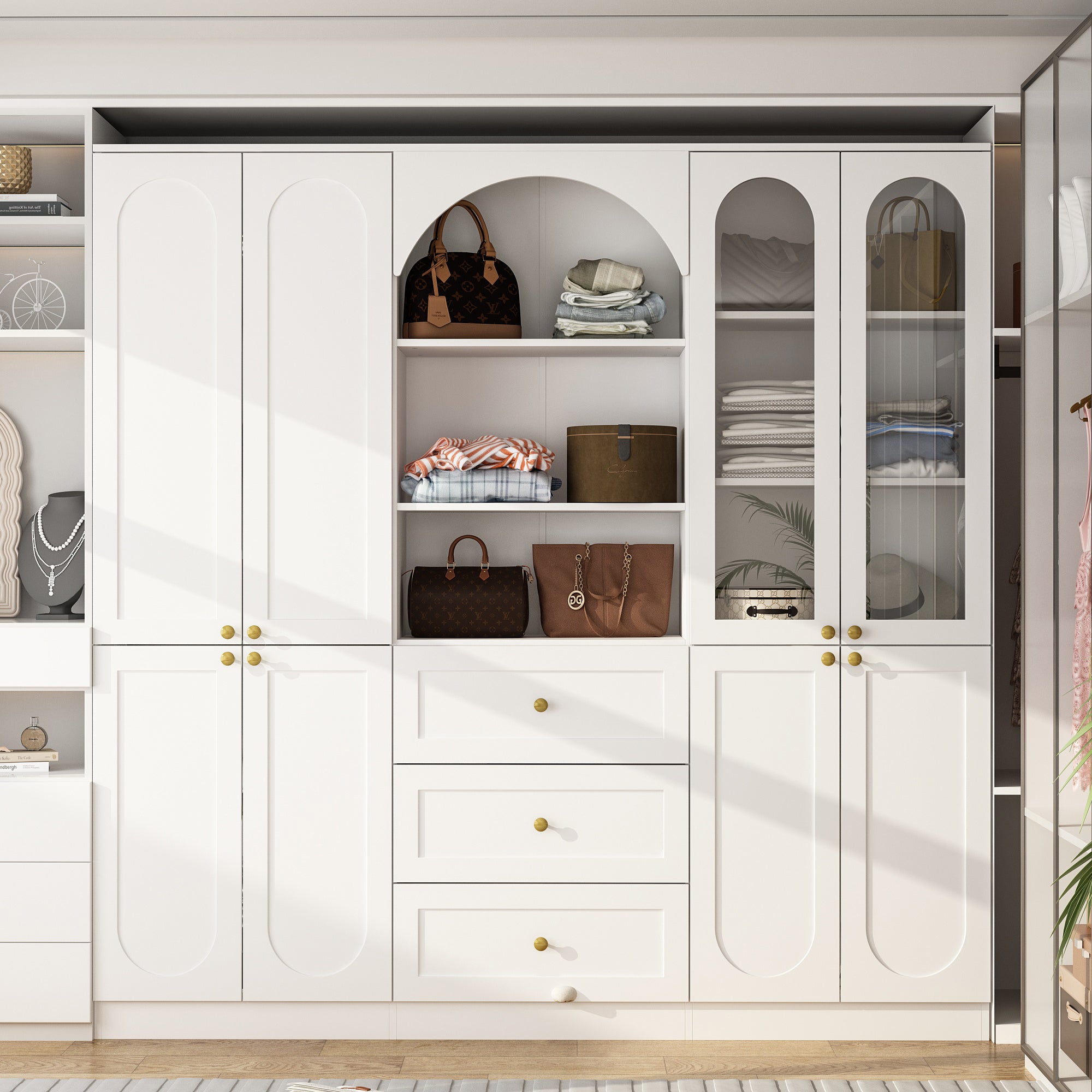
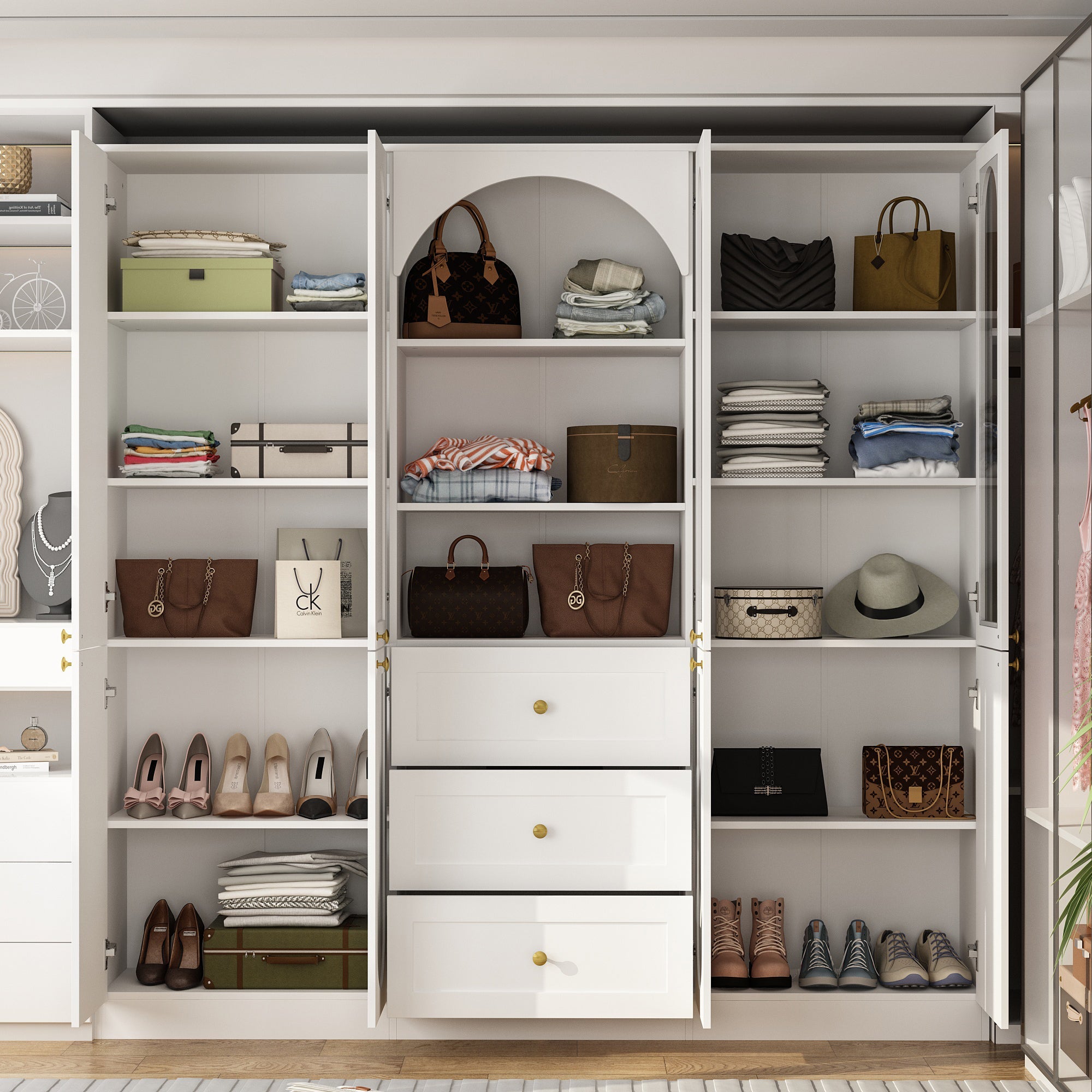
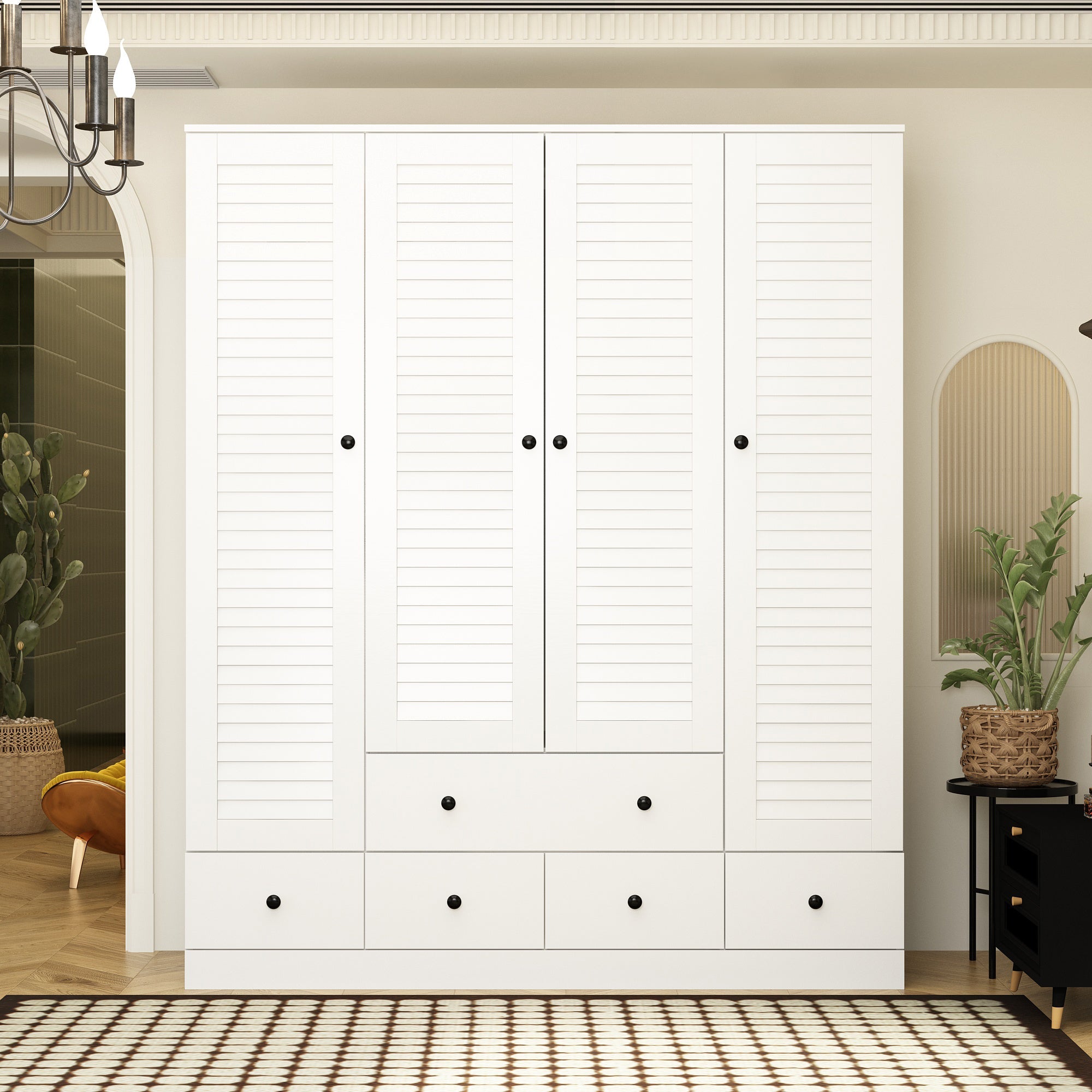
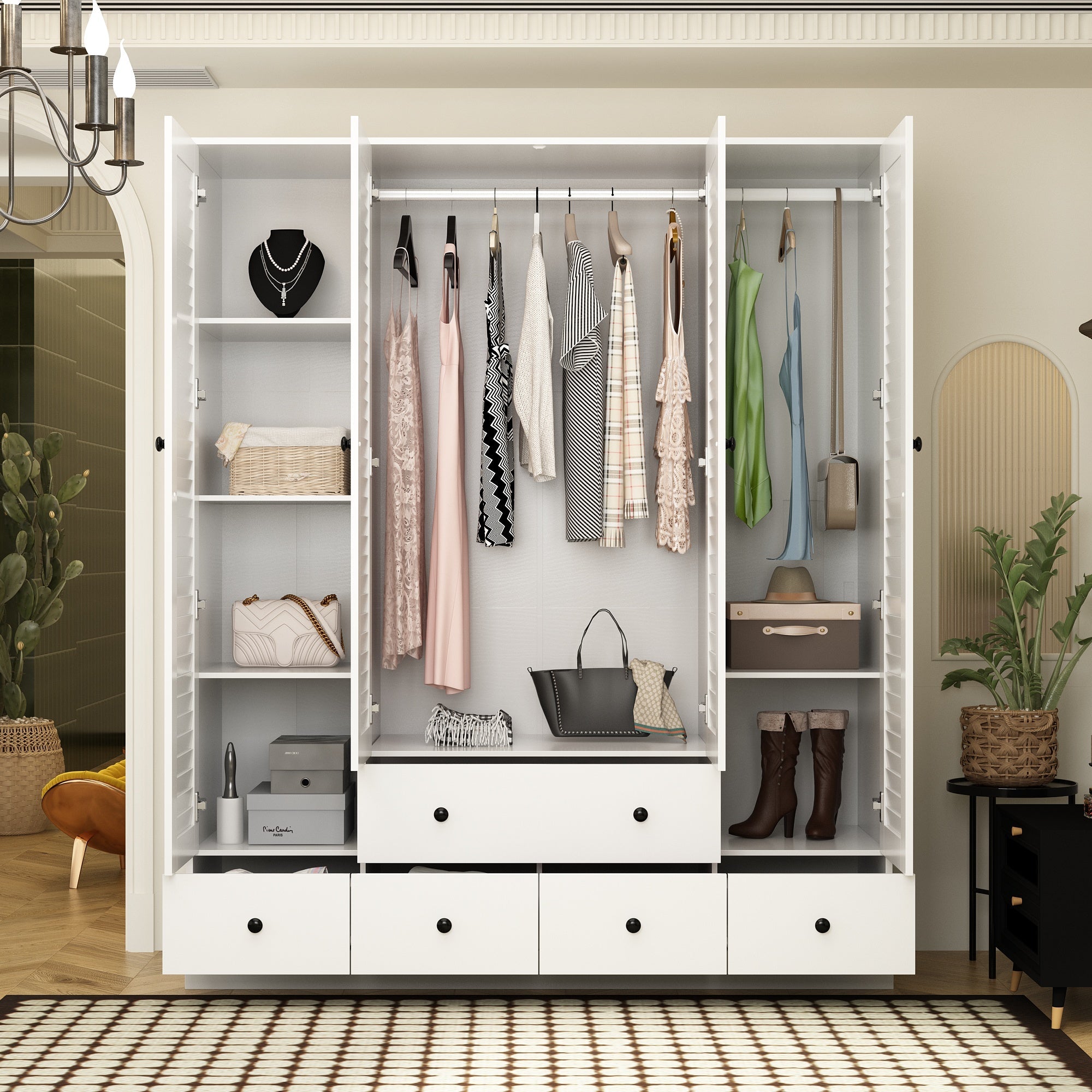
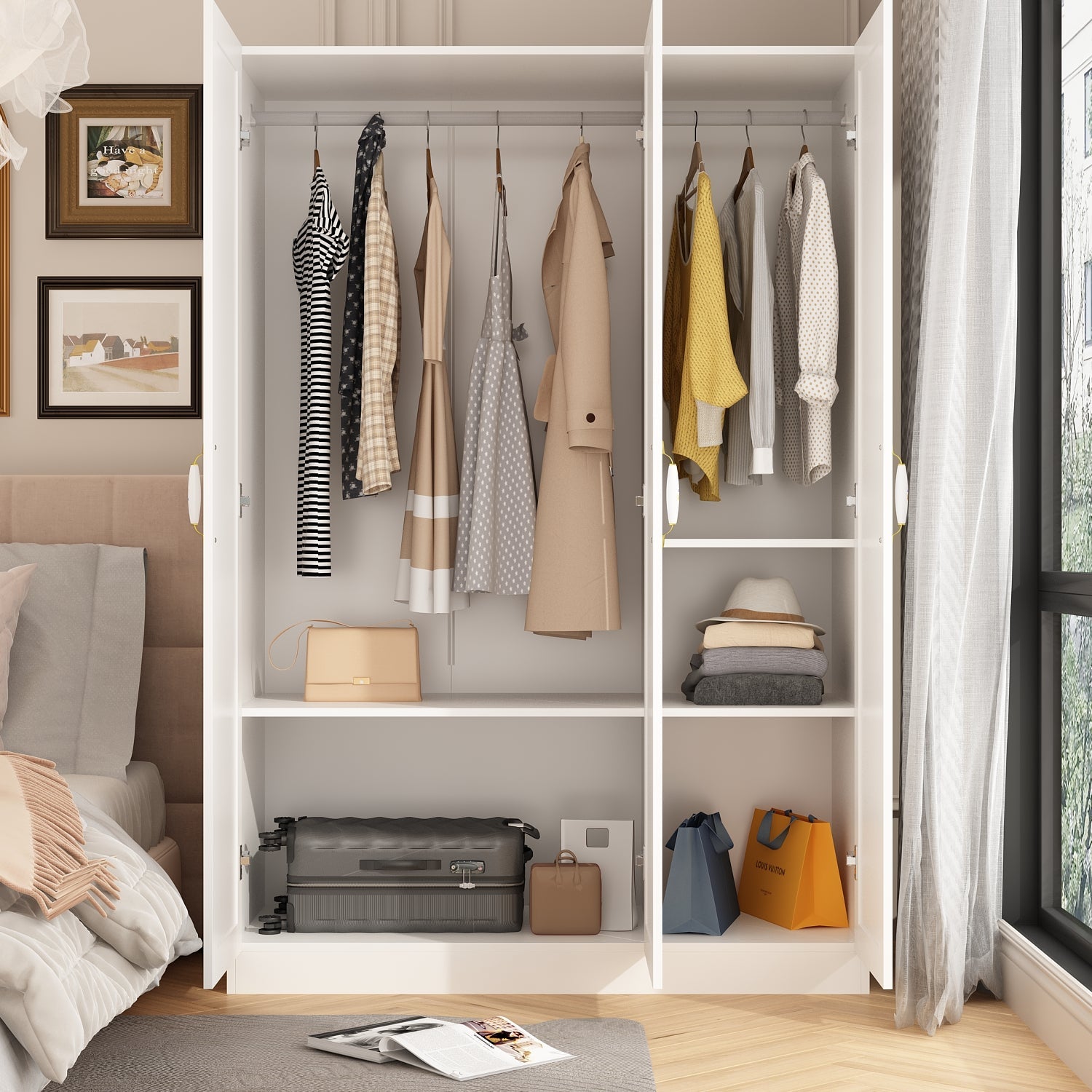
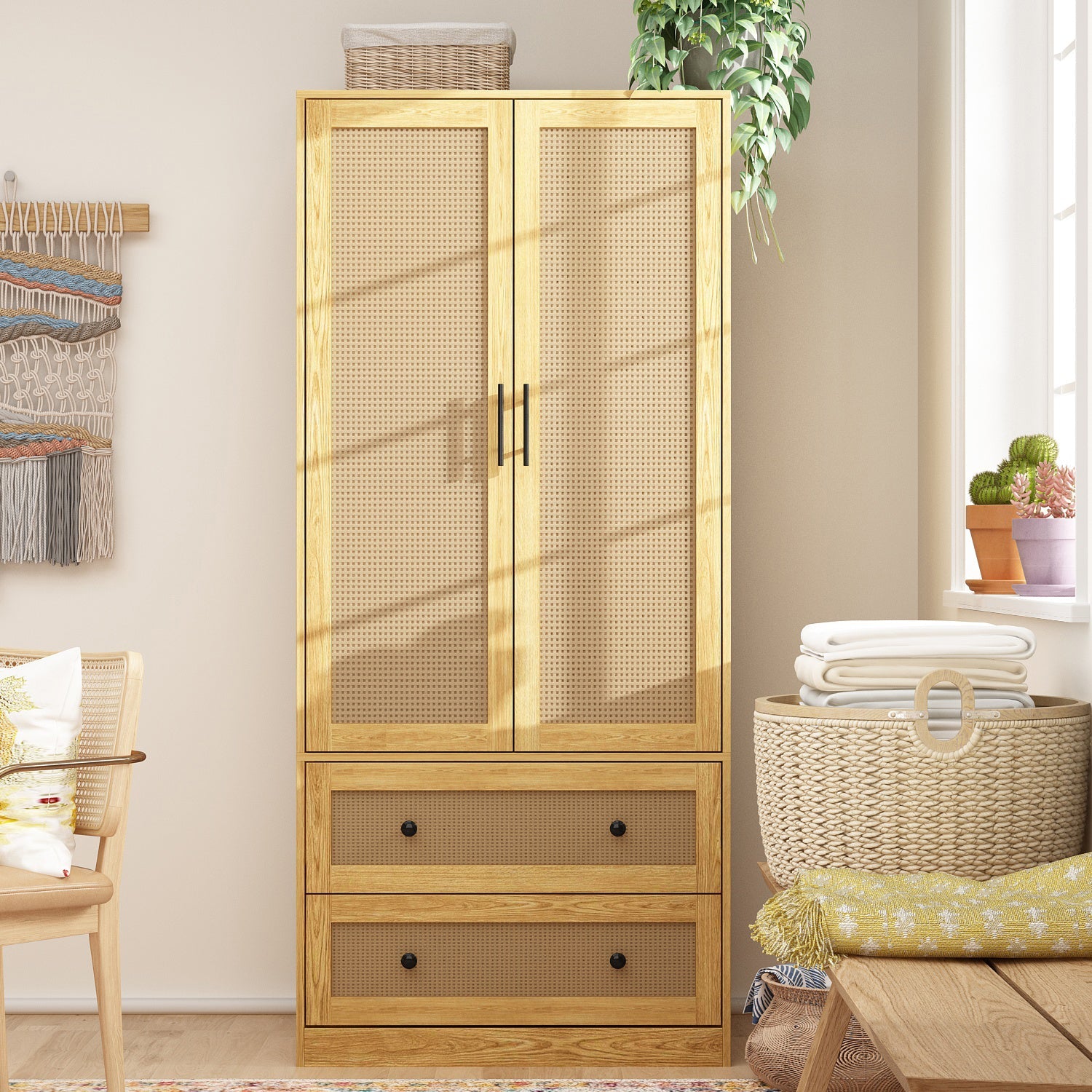
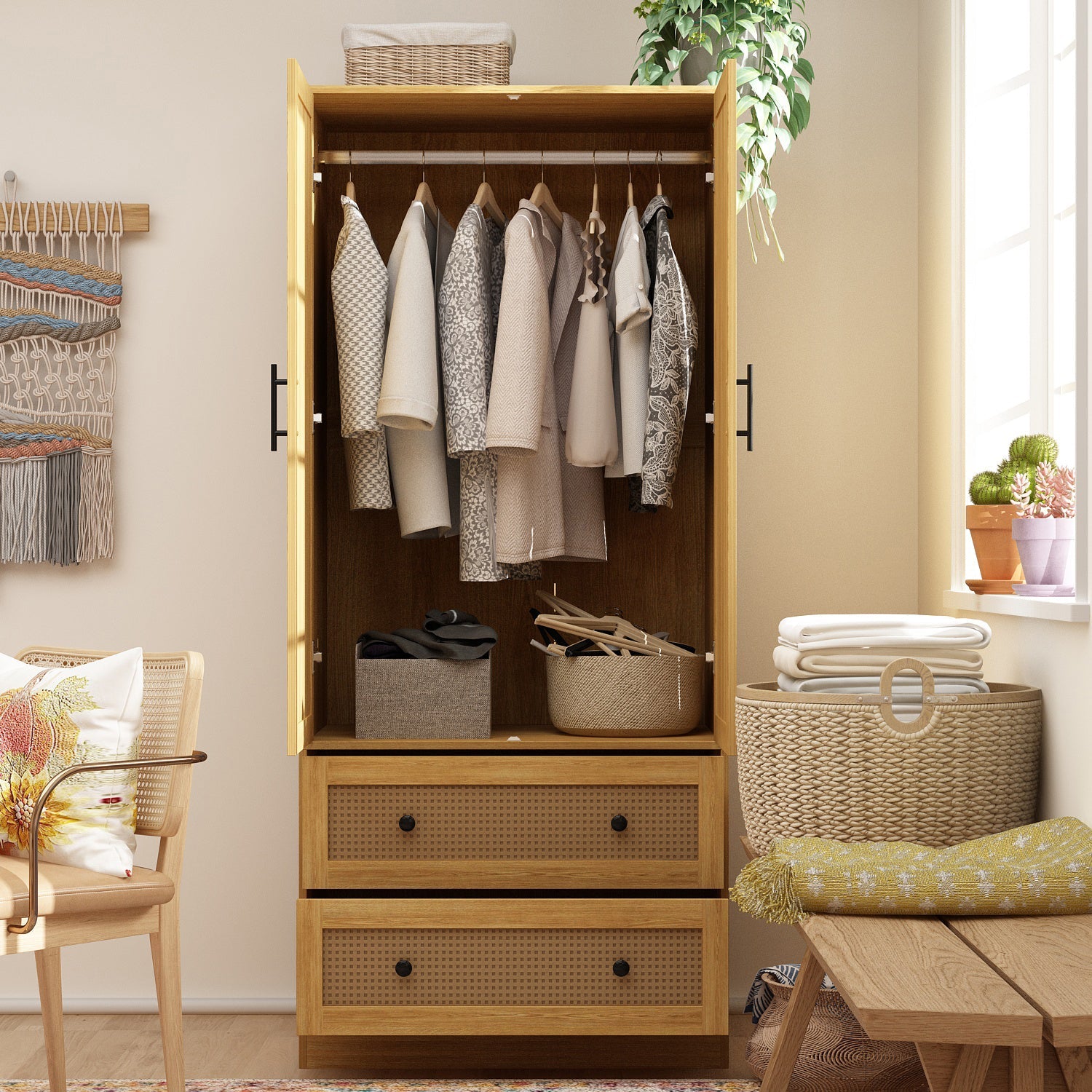
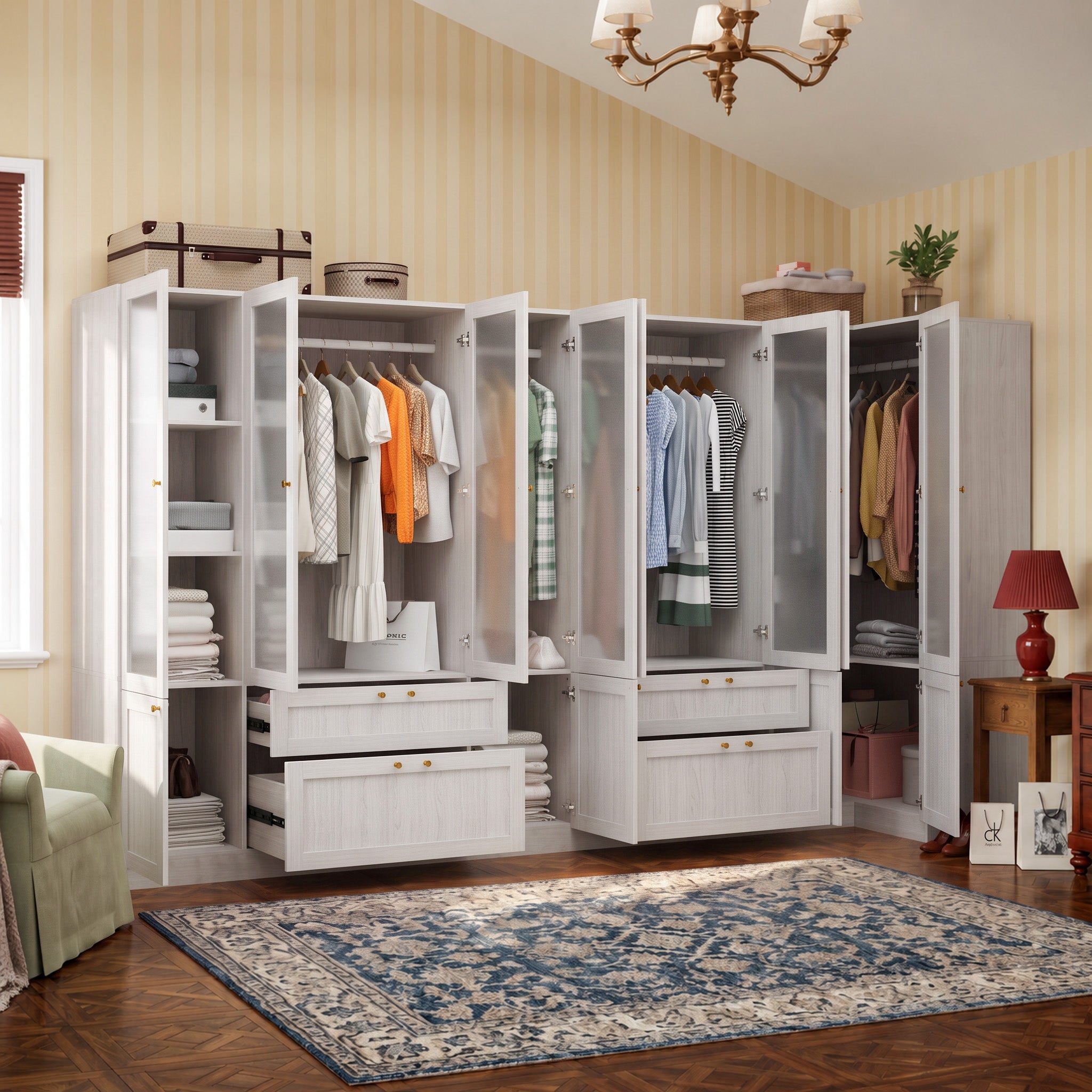
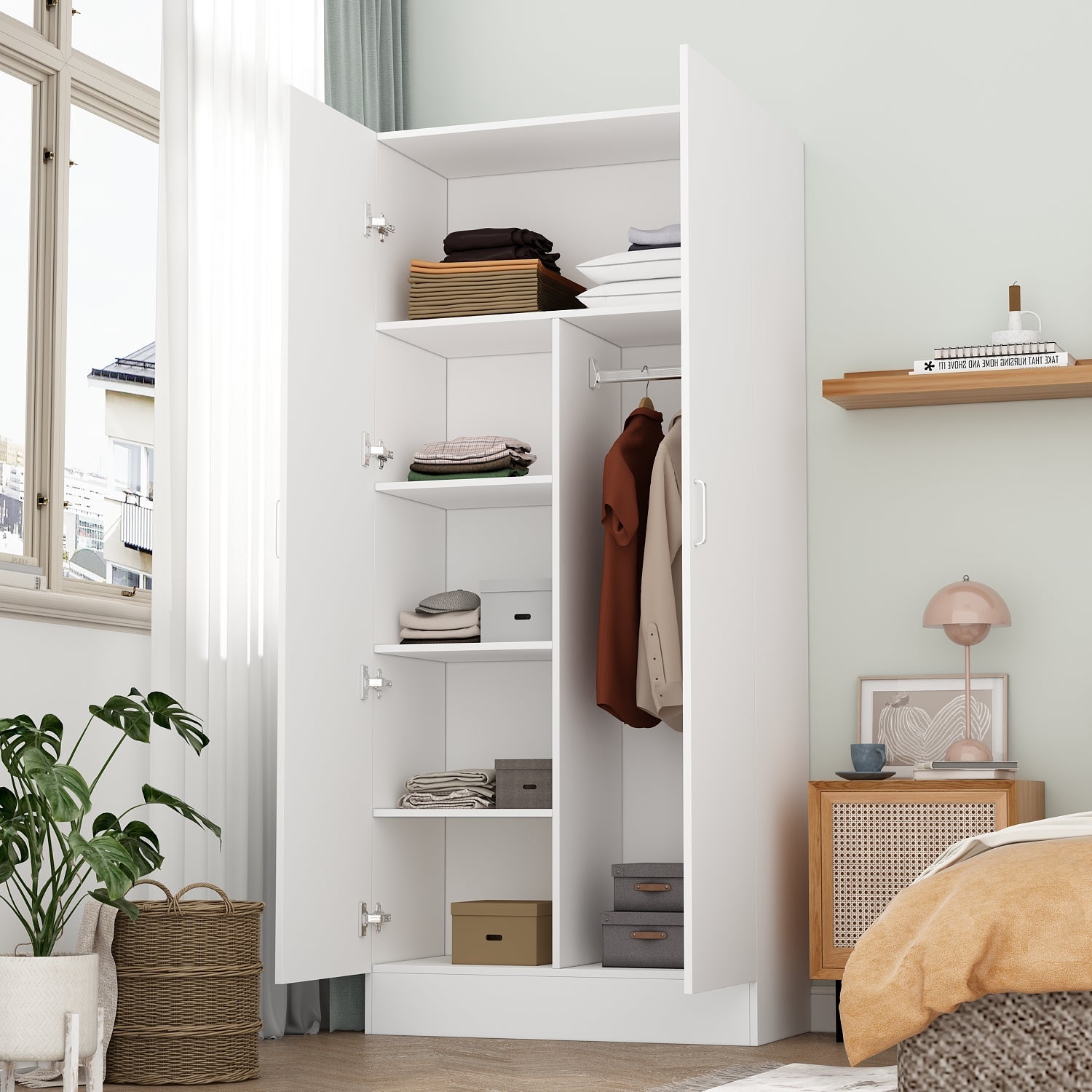
Enclosed units with glass doors protect books, toys, action figures, and memorabilia from dust and curious pets or kids, complementing larger armoires and wardrobes that handle bulk clothing storage in the same room. A bedroom corner display offers ample storage for jewelry, perfume collections, or vintage accessories without cluttering dresser tops.
Home Office
Tall corner cabinets hold reference books, awards, and decorative objects, reducing clutter on desks and open shelving. An office display case with adjustable shelves adapts as your collection of books, trophies, or signed items grows.
Coordination tip: Match cabinet height and color with nearby bookcases or media consoles. A 65 to 70-inch white or black unit pairs well with most modern furniture, while wood tones complement traditional or transitional rooms.
Retail and Commercial Corner Display Cases
In shops, salons, and showrooms, corner display cases help create modular, space-efficient product presentations. They turn underutilized corners into revenue-generating zones.
Layout Integration
Corner units can connect with straight display counters to form U-shaped or L-shaped layouts around a checkout area or entrance. This configuration maximizes visibility and encourages customers to browse multiple angles of merchandise.
Features for Commercial Use
|
Feature |
Benefit |
|---|---|
|
Lockable tempered glass doors |
Security for high-value items |
|
Adjustable glass shelves |
Flexible product arrangement |
|
Integrated LED or top lighting |
High-impact visual display |
|
Rear access panels |
Easy restocking without disturbing front display |
Typical Products Displayed
Corner cases in retail commonly showcase:
- Jewelry and watches
- Electronics and accessories
- Cosmetics and skincare
- Eyewear and optical products
- Collectibles, figurines, and premium gift items
Assembly and Durability
Many commercial-grade corner units come pre-assembled or partially assembled, reducing downtime during store setup or remodels. Knock-down models, assembled with just a Phillips screwdriver and hammer via threaded inserts, cut shipping costs and enable repeated setups for trade shows.
For high-traffic environments, choose durable laminate finishes and aluminum trim that resist scratches and fingerprints. These materials hold up far better than bare wood or acrylic in busy retail settings.

How to Choose the Right Corner Display Case
Selecting the right cabinet involves balancing space, style, budget, and what you plan to display. A systematic approach saves time and prevents costly mistakes.
Measure Your Space
Start by measuring both wall lengths meeting at the corner and ceiling height. Allow clearance for crown molding, baseboards, and any overhead fixtures like ceiling fans or pendant lights.
Match Style and Finish
- Modern interiors: Sleek glass and metal frames
- Traditional rooms: Warm wood tones like cherry or oak
- Minimalist spaces: Matte white or black manufactured wood
The goal is to match or complement existing decor, not compete with it.
Estimate Shelf Capacity
Group items by height and depth before shopping. Ensure at least one or two shelves offer enough vertical spacing for taller pieces. Adjustable glass shelves give you room to change things later.
Budget Tiers
|
Tier |
Description |
Example |
|---|---|---|
|
Entry |
Open corner shelves, basic finishes |
Simple wood or MDF construction |
|
Mid-range |
Enclosed MDF and glass curios |
Adjustable shelves, basic lighting |
|
Premium |
Fully framed glass, integrated lighting, locks |
Commercial-grade or custom units |
Prioritize Wisely
When budget is limited, focus on:
- Safety features (tempered glass, anti-tip brackets)
- Lighting options (even basic LED strips make a difference)
- Adjustable shelves for long-term flexibility
Decorative details can wait—functionality and safety come first.
Assembly and Delivery
Consider assembly requirements. Are you comfortable building flat-pack furniture? Or would you rather pay more for a fully assembled case? Factor in delivery options, especially for tall or heavy units that may require two-person lift.
Corner Display Case Care, Maintenance, and Safety
Proper maintenance keeps glass clear, hardware working smoothly, and the cabinet stable for years. A few simple habits make all the difference.
Cleaning Guidance
|
Surface |
Recommended Cleaner |
Tool |
|---|---|---|
|
Glass panels and shelves |
Non-abrasive glass cleaner |
Soft microfiber cloth |
|
Wood frames |
Wood-specific cleaner or damp cloth |
Soft cloth |
|
Laminate surfaces |
Mild all-purpose cleaner |
Non-scratch sponge |
|
Avoid abrasive scrubbers on glass—they leave scratches that accumulate over time. |
|
|
Hardware Checks
Regularly inspect and tighten:
- Shelf supports and clips
- Door hinges
- Handles and locks
- Leveling feet
Do this especially during the first few weeks of use, as new furniture often settles.
Annual Safety Inspection
Check anti-tip straps or wall anchors at least once a year. Retighten screws and replace any worn components. This is particularly important in homes with children or pets.
Safe Loading Practices
- Distribute weight evenly across each shelf
- Avoid overloading upper shelves
- Place heavier items on lower levels to reduce tipping risk
Cable Management
Route cables from LED lighting away from walkways. Secure them along baseboards or behind furniture with adhesive clips to avoid tripping hazards and maintain a clean look.
FAQ
How do I secure a tall corner display case so it doesn’t tip over?
Use the included anti-tipping kit or universal wall anchors. Attach one bracket to the cabinet frame and the other to a wall stud with appropriate screws. Position the cabinet, mark anchor points on the wall at the correct height, pre-drill if necessary, then tighten the strap or bracket to remove slack. Always place heavier items on bottom shelves to lower the center of gravity, and check anchors after moving or re-leveling the cabinet.
Can I add lighting to a corner display case that doesn’t come with it?
Most enclosed cabinets can accept aftermarket LED strip or puck light kits. These attach with adhesive backing or small screws along the interior frame or under shelves. Choose low-heat, low-voltage LED kits with a plug-in transformer. Test the lighting before final cable management, and avoid overloading outlets by checking total wattage against the circuit’s rating.
What should I display in a glass corner cabinet versus an open corner shelf?
Use enclosed glass corner cabinets for dust-sensitive or fragile items such as porcelain, crystal, scale models, and signed memorabilia. Open corner shelves work better for everyday objects like books, plants, framed photos, and frequently handled decor. Combining both types in one room creates a layered look—protected valuables in glass, casual decor on open shelving.
How much weight can the shelves of a typical corner display case hold?
Standard glass shelves in home curio cabinets often support around 15 to 25 pounds per shelf, while reinforced commercial shelves may handle more depending on thickness and supports. Check the manufacturer’s specifications for exact limits. Distribute weight evenly across each shelf instead of concentrating it in one spot, and place heaviest items on the lowest shelves or cabinet floor.
Is a mirrored back necessary in a corner display case?
A mirrored back is optional but helpful in dim corners or for displaying small, detailed items because it reflects light and shows multiple angles at once. In very bright rooms, clear or solid backs may be preferable to avoid glare and reflections, especially if the cabinet faces windows. Choose based on room lighting and personal preference—mirrors add brightness and depth, while solid or glass backs offer a simpler, cleaner look.
Which Product Is Right for You?
Compare key features side by side and find the right fit.