










166 products
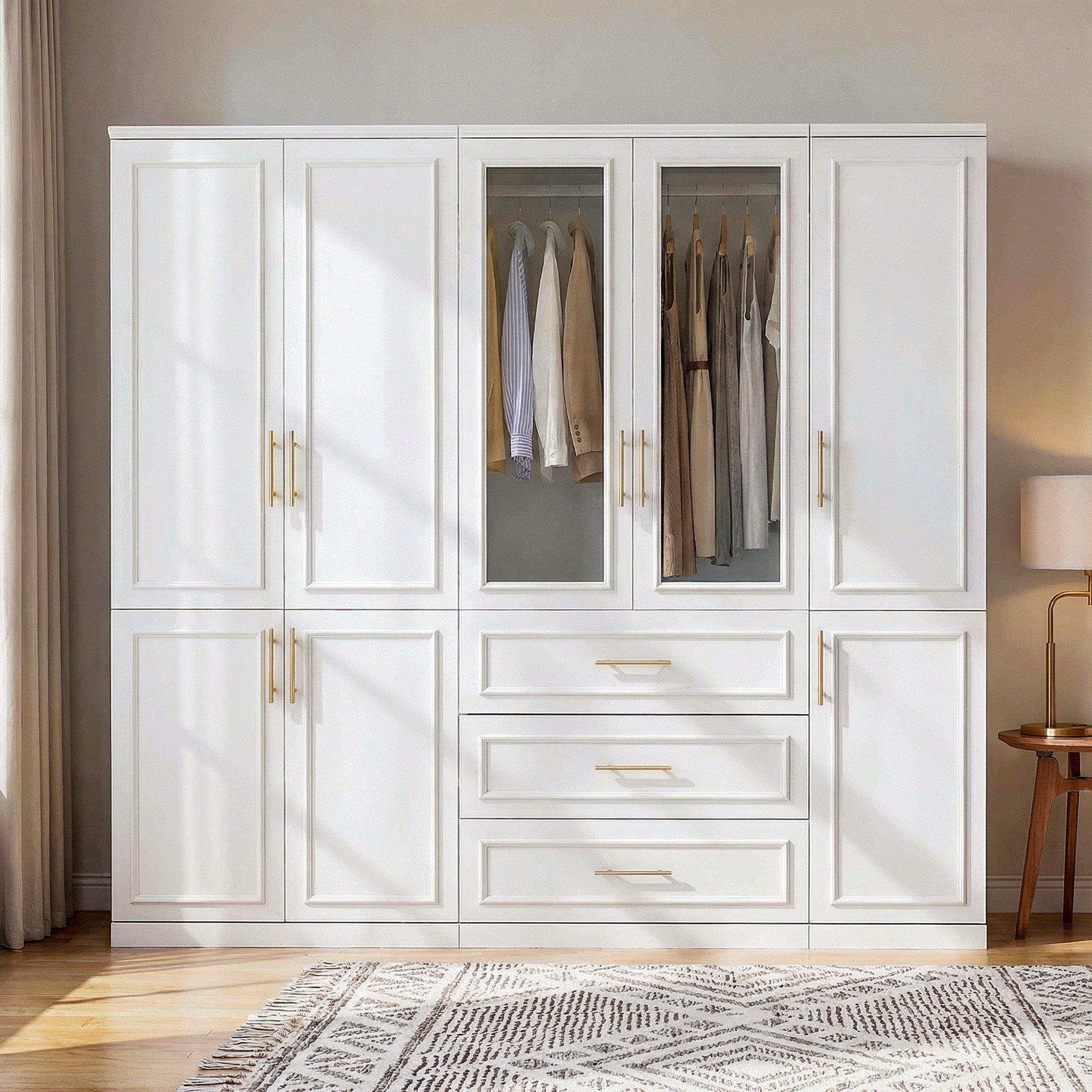
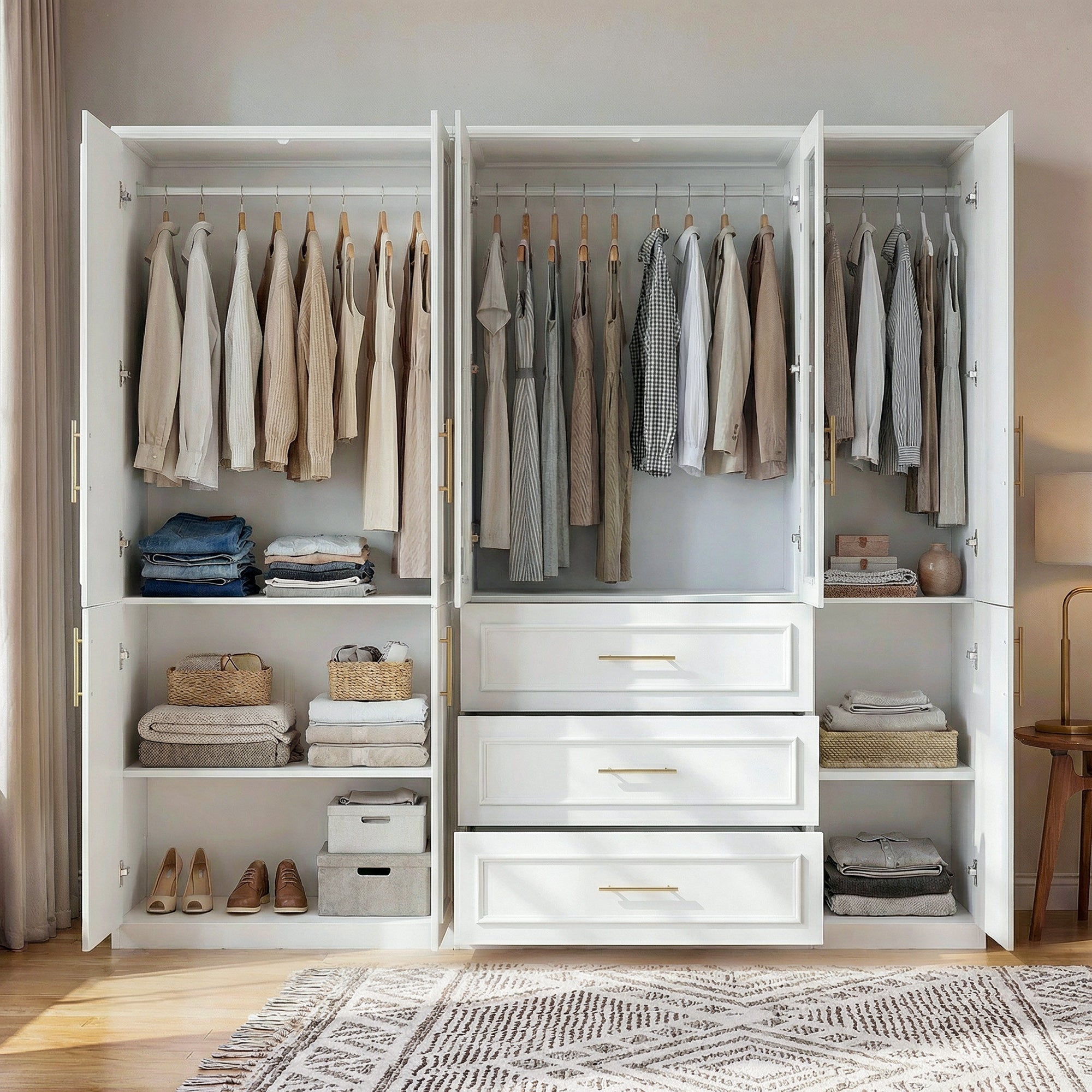
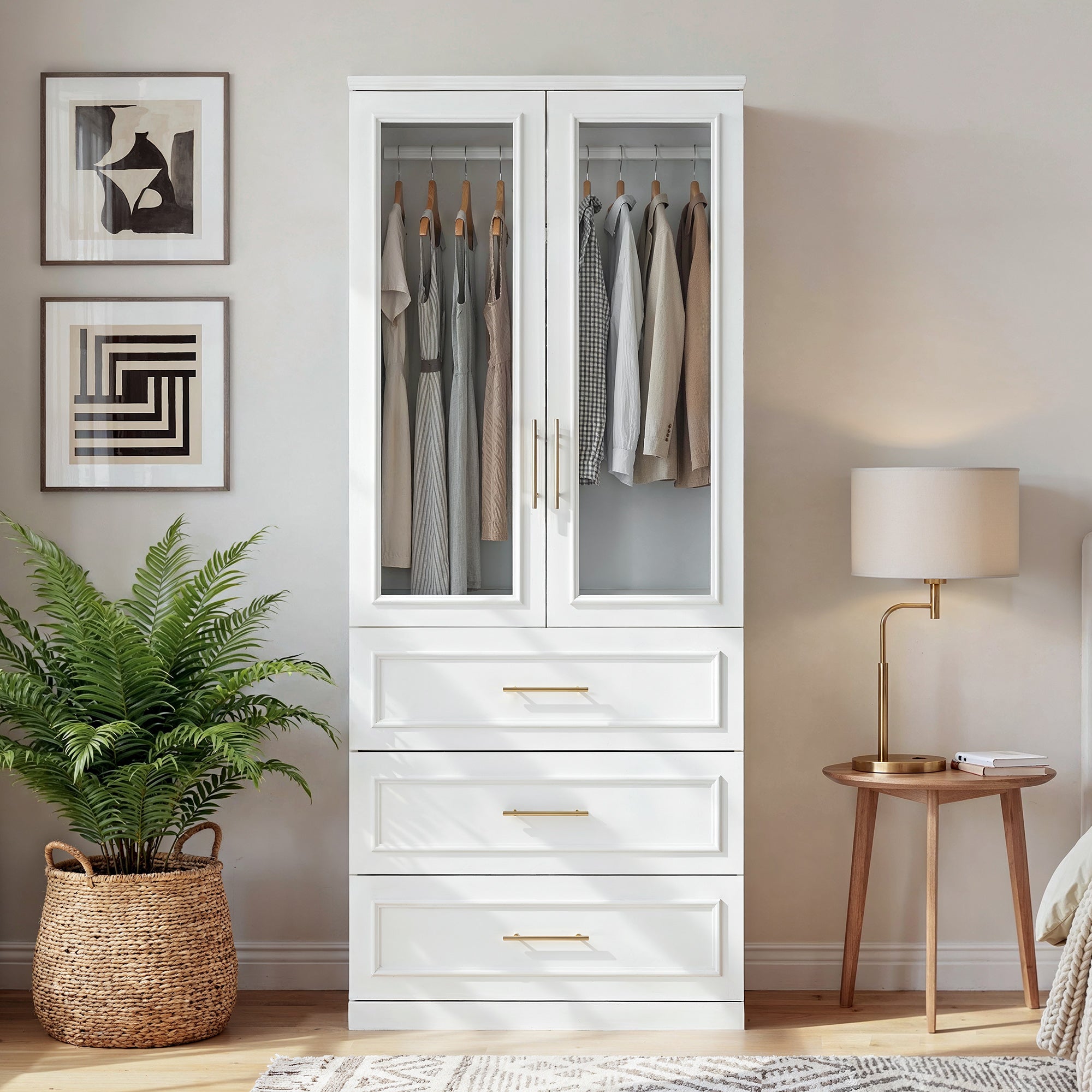
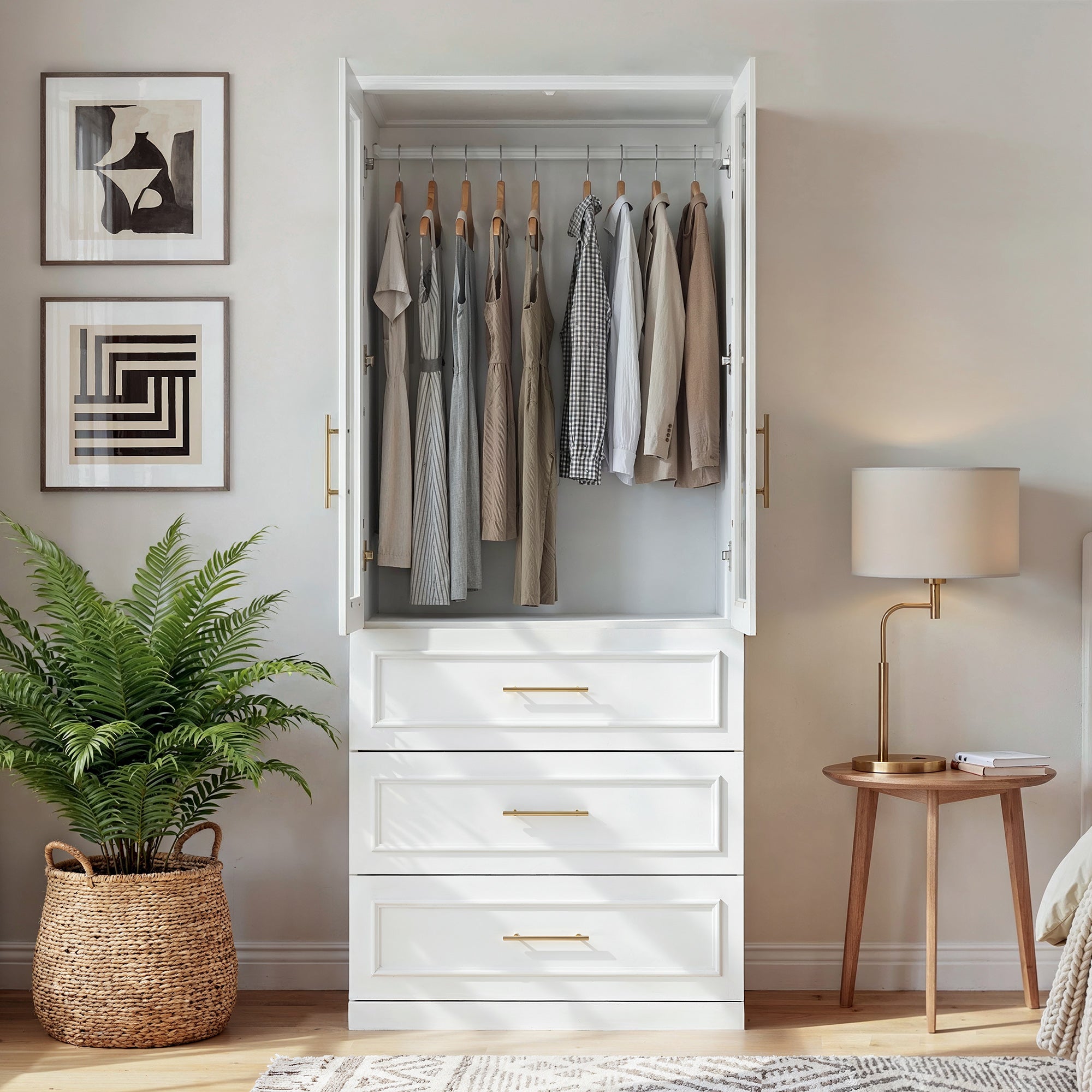
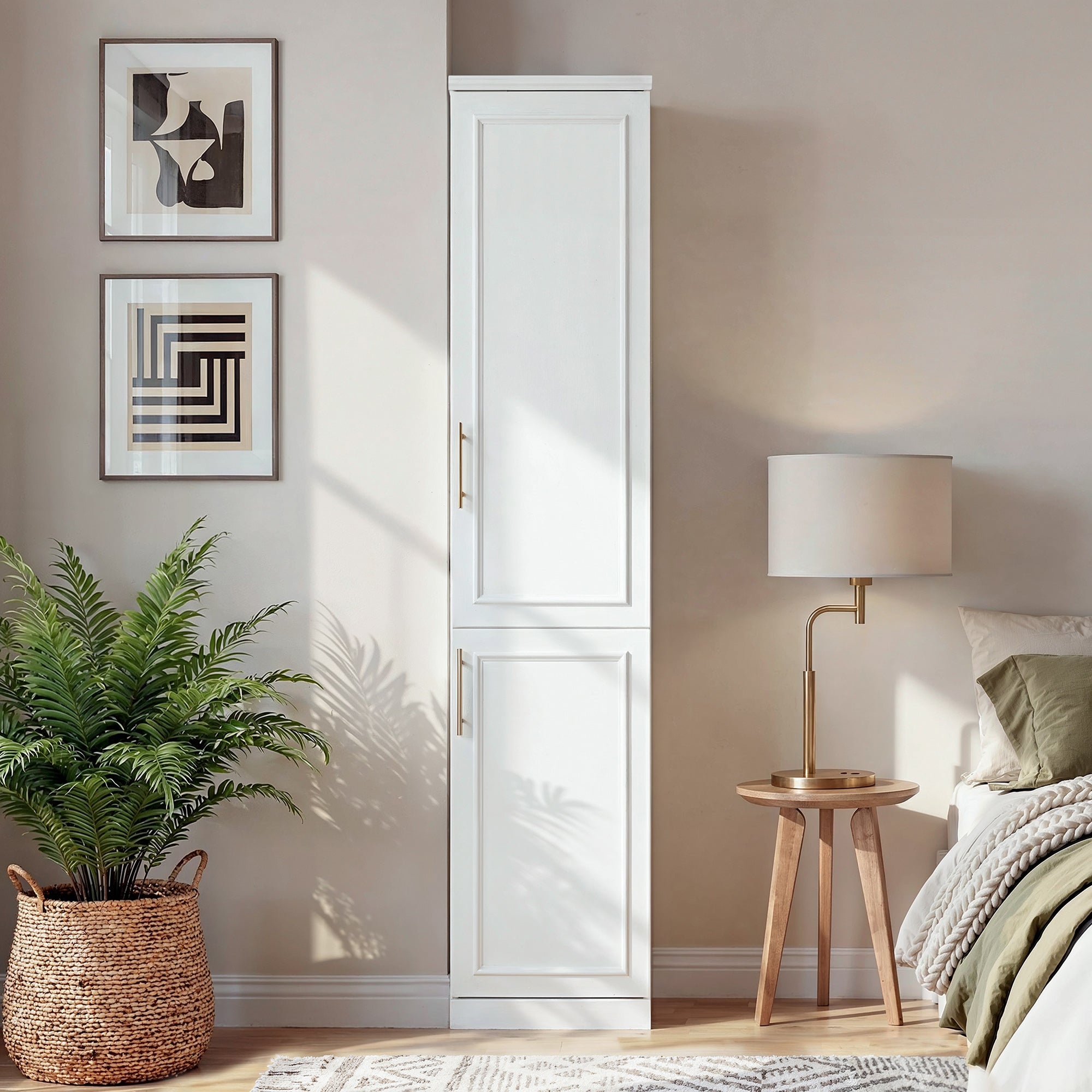
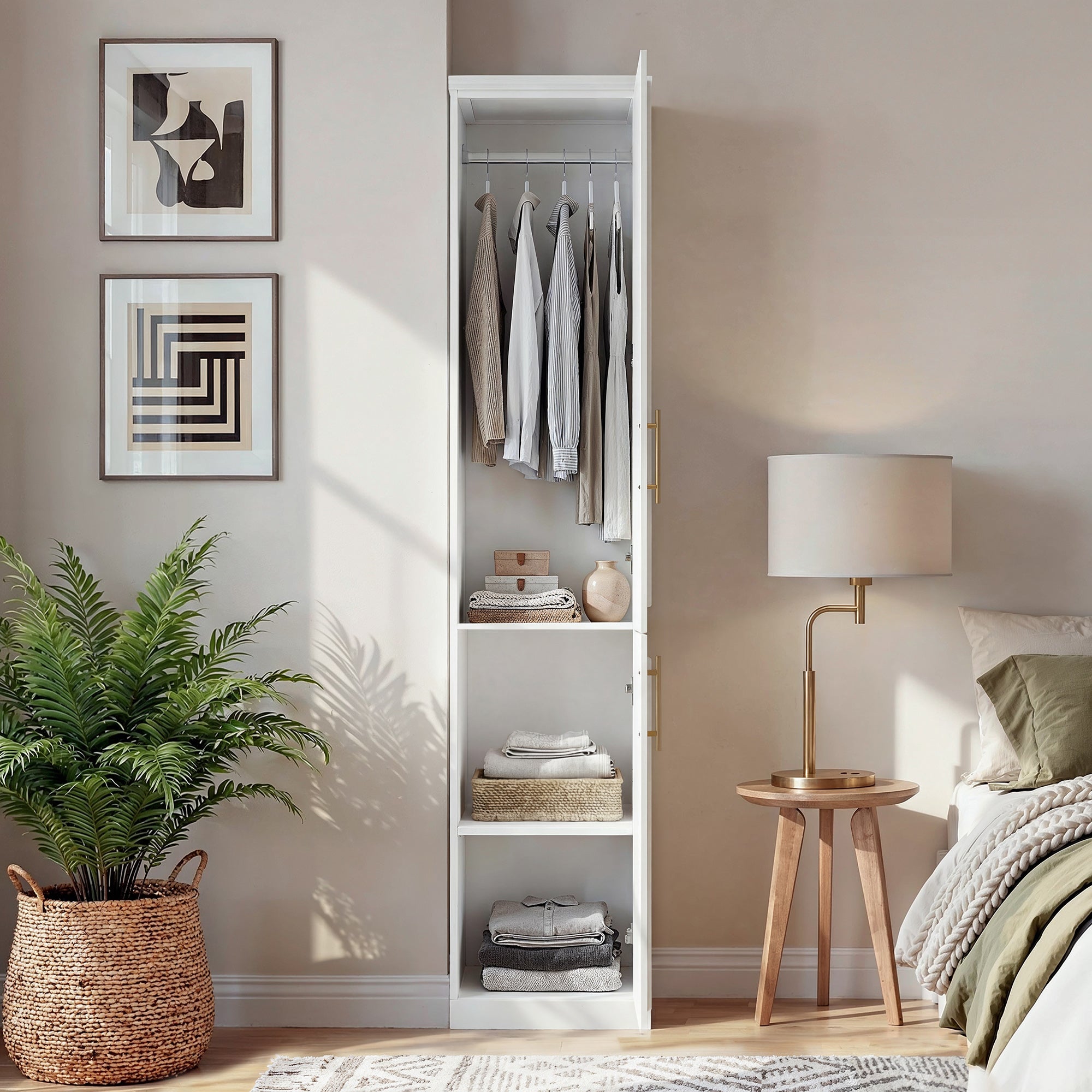


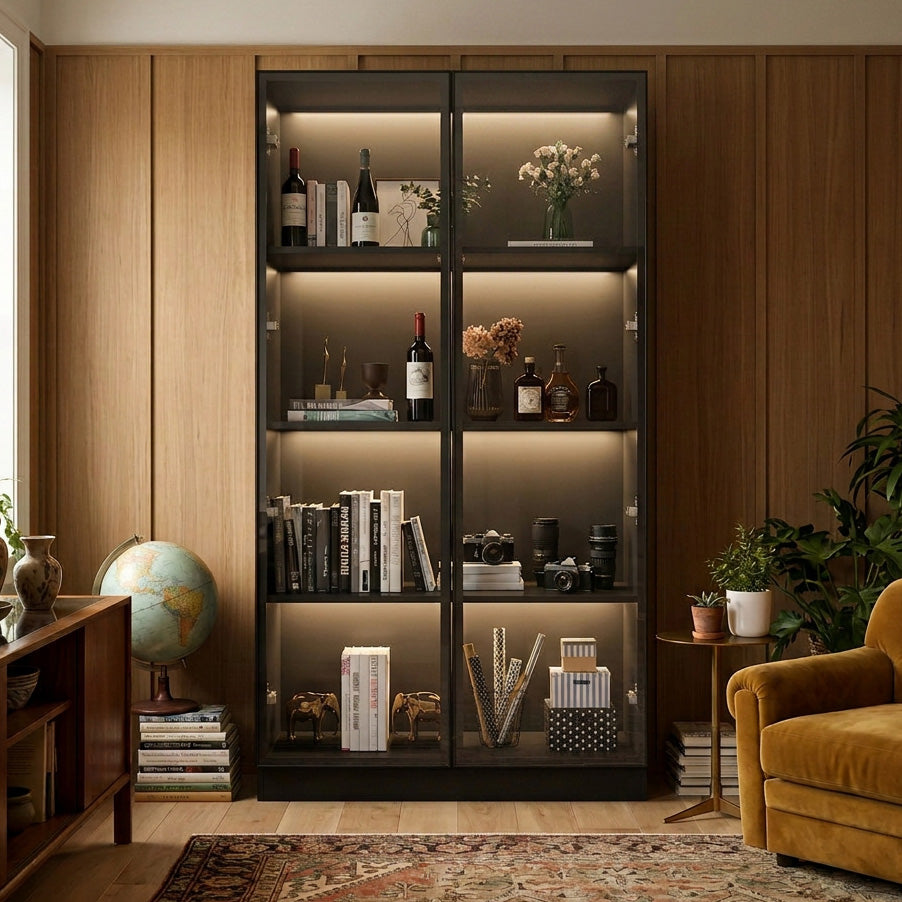
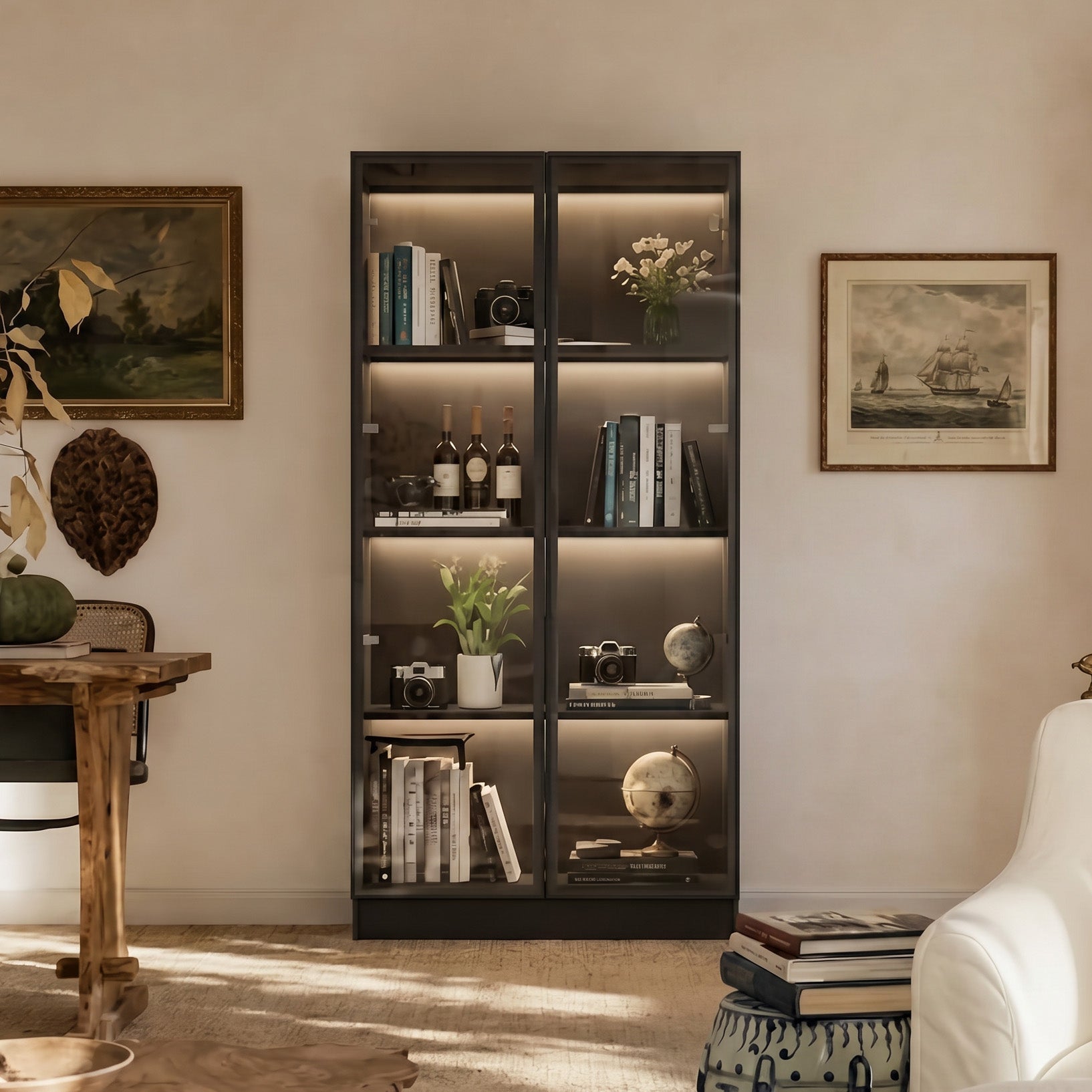


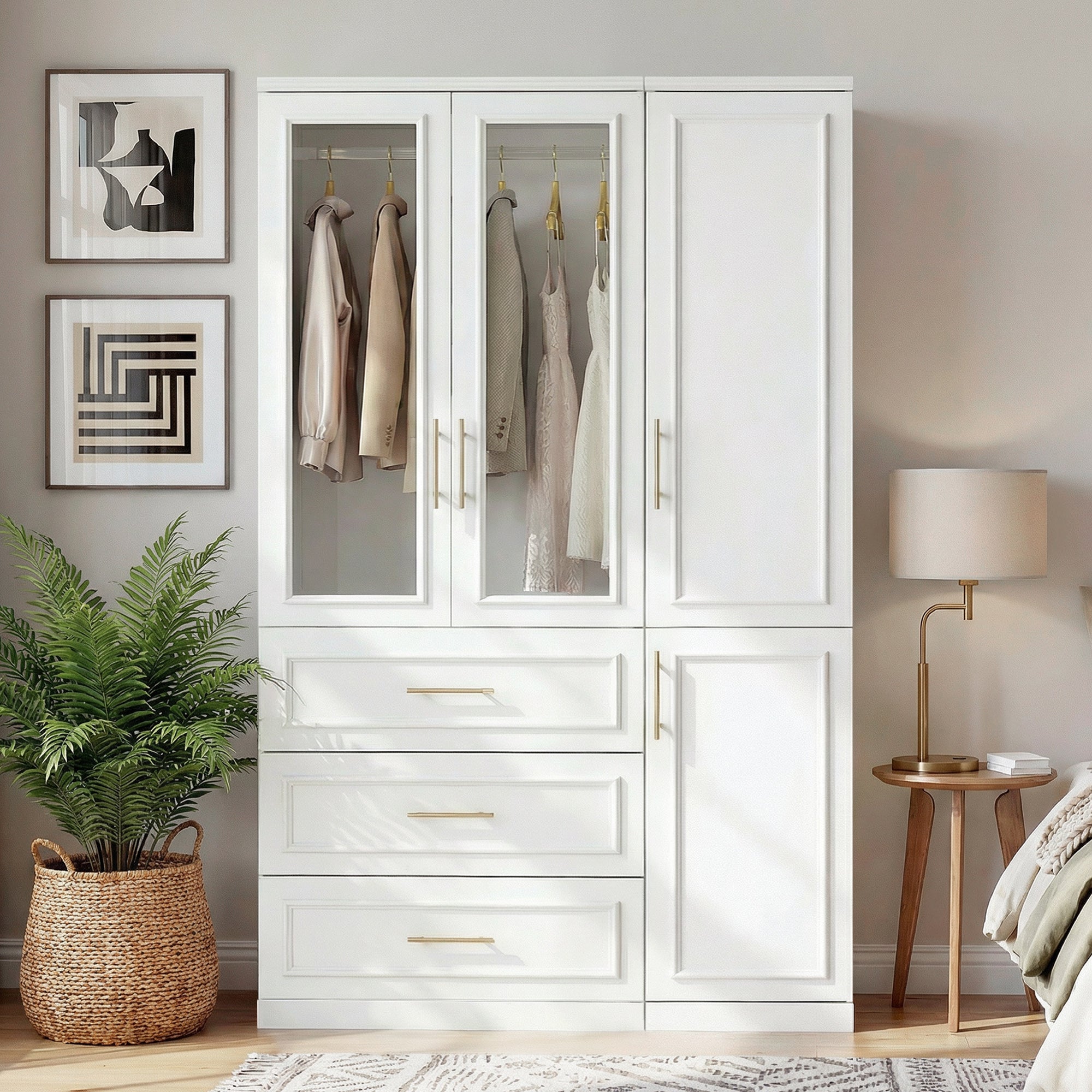
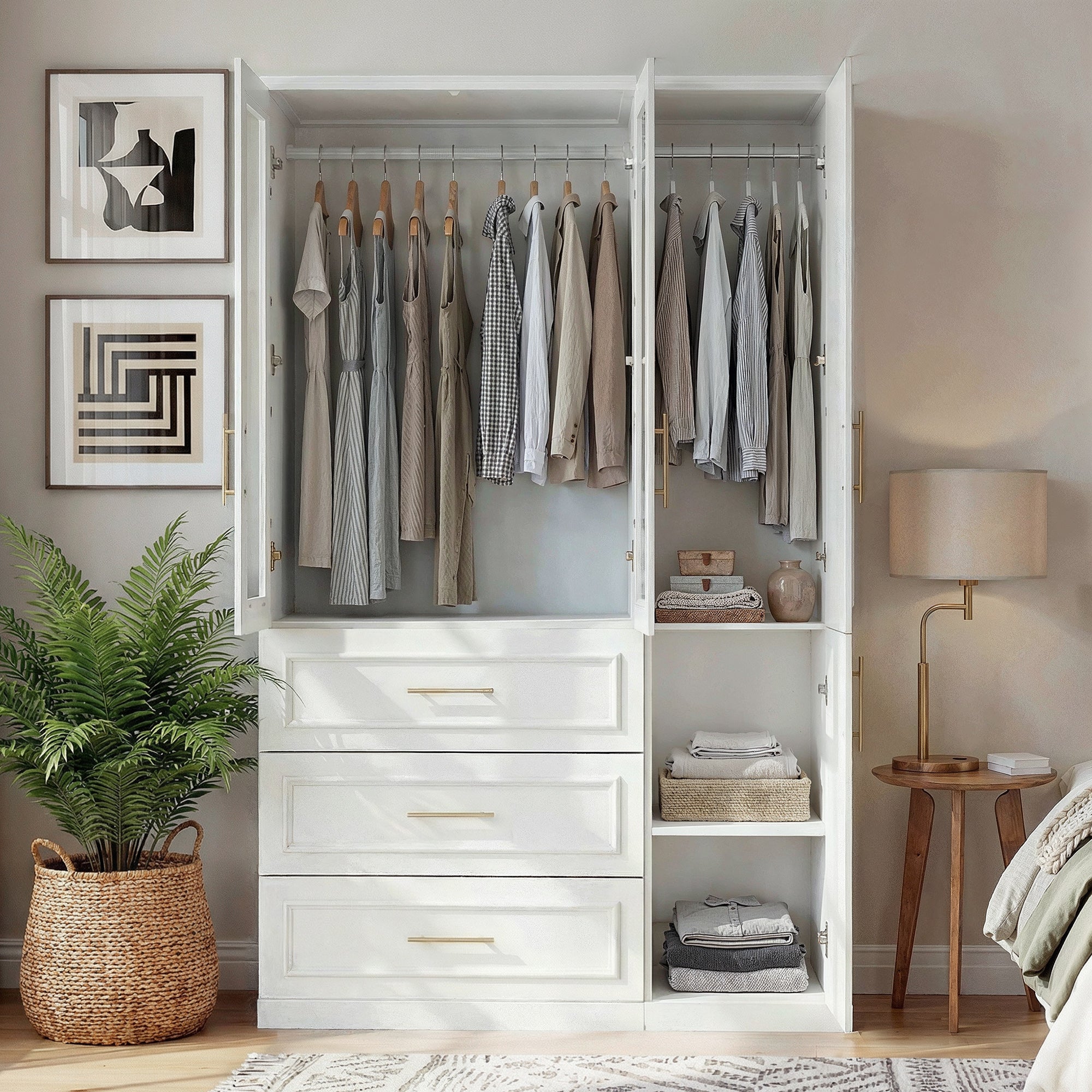
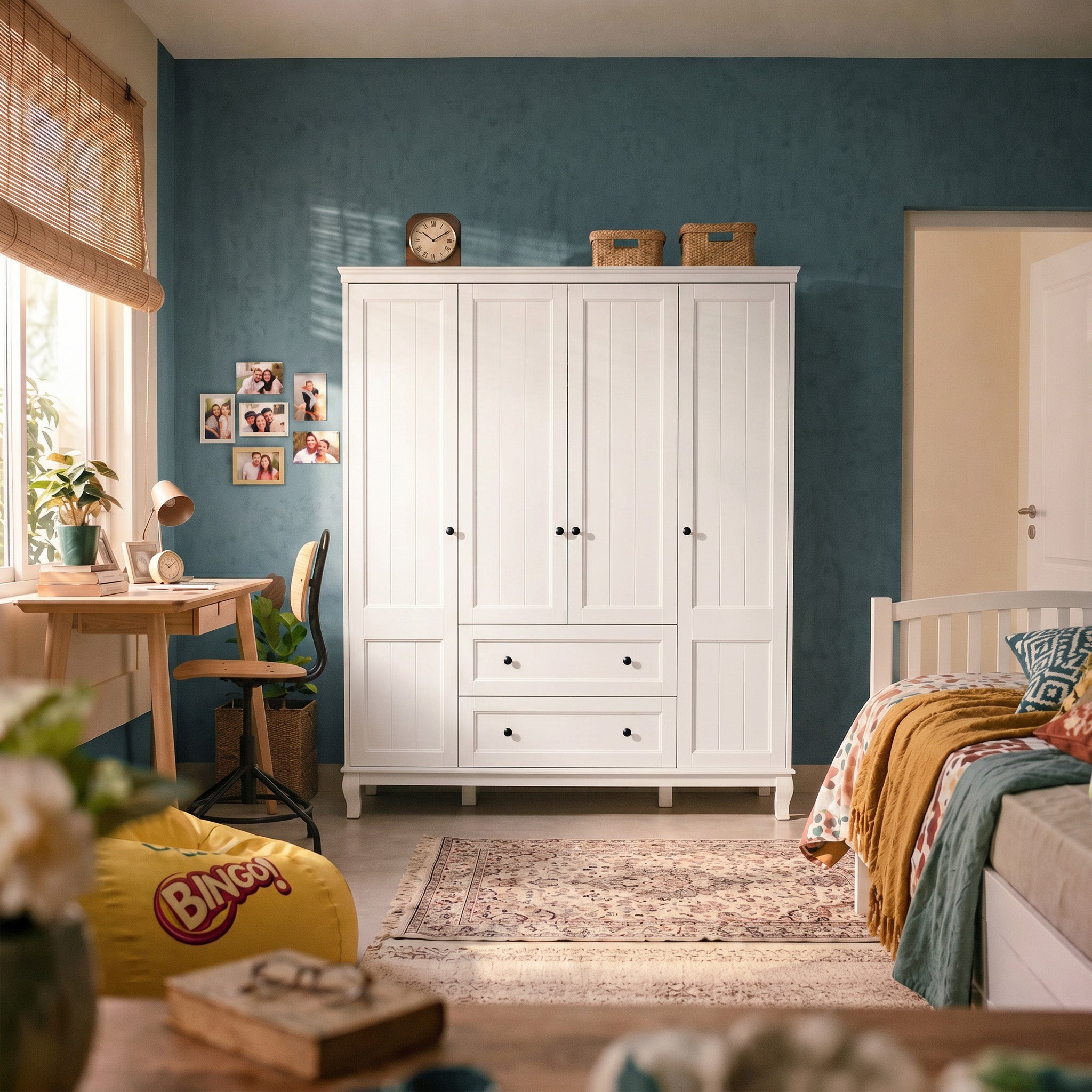
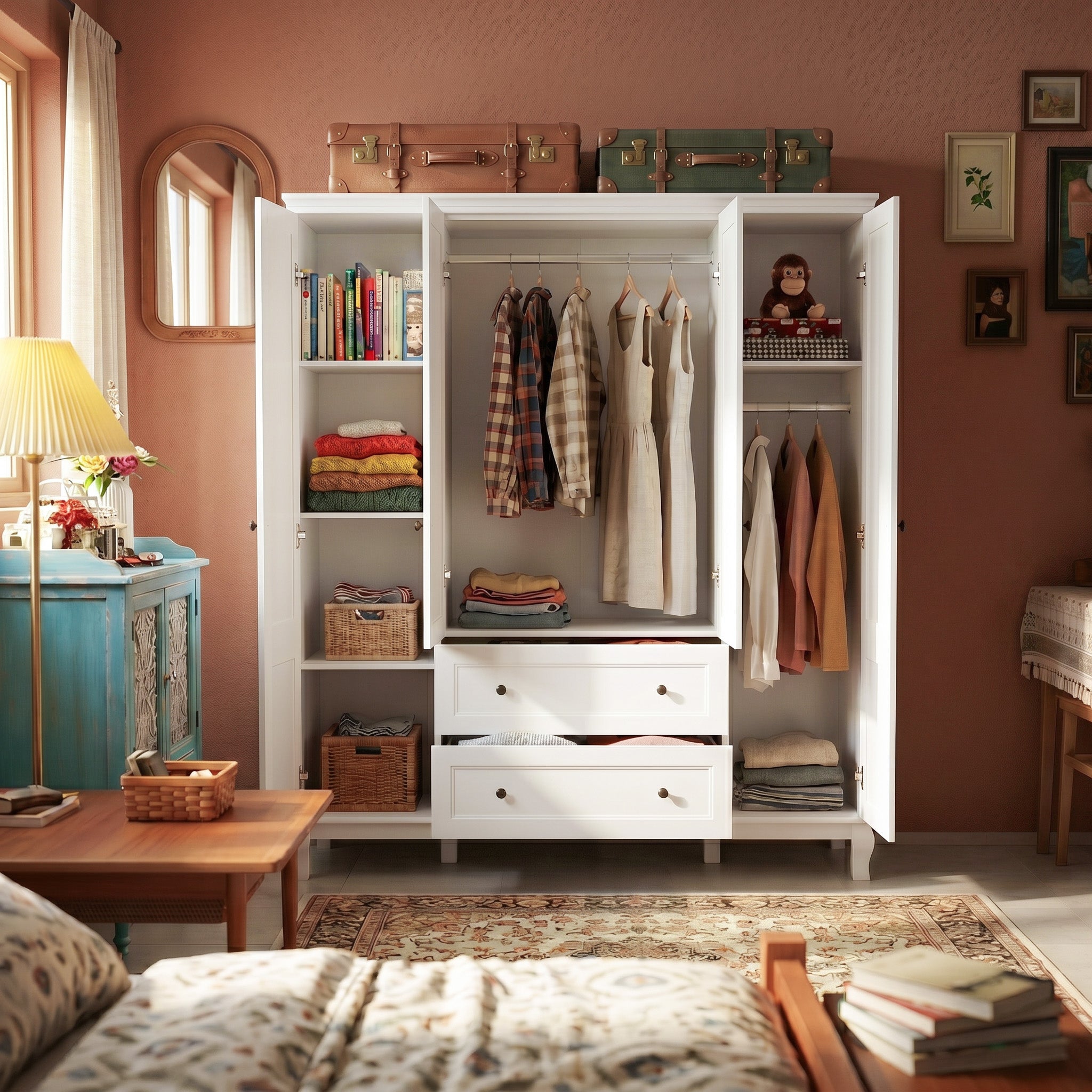
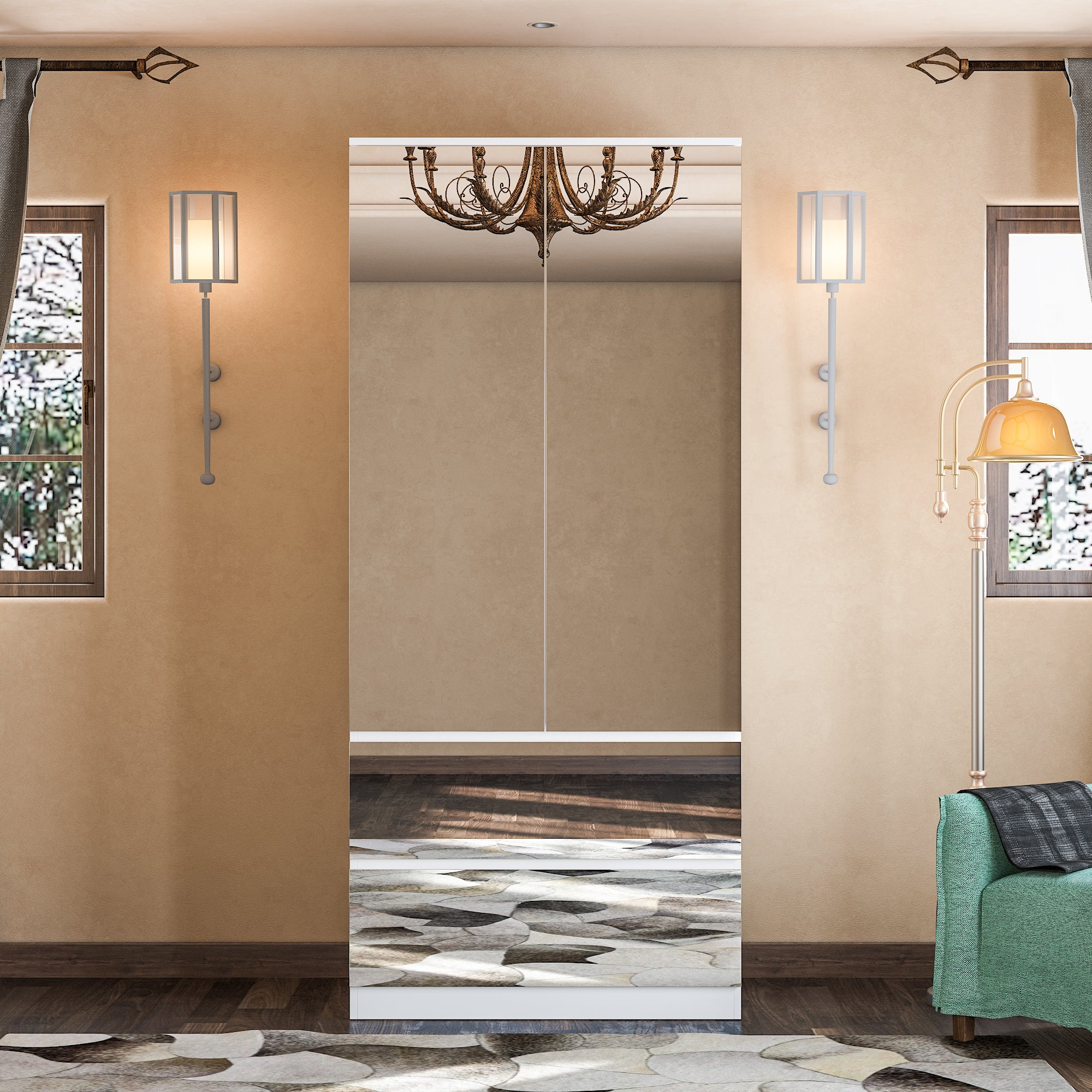
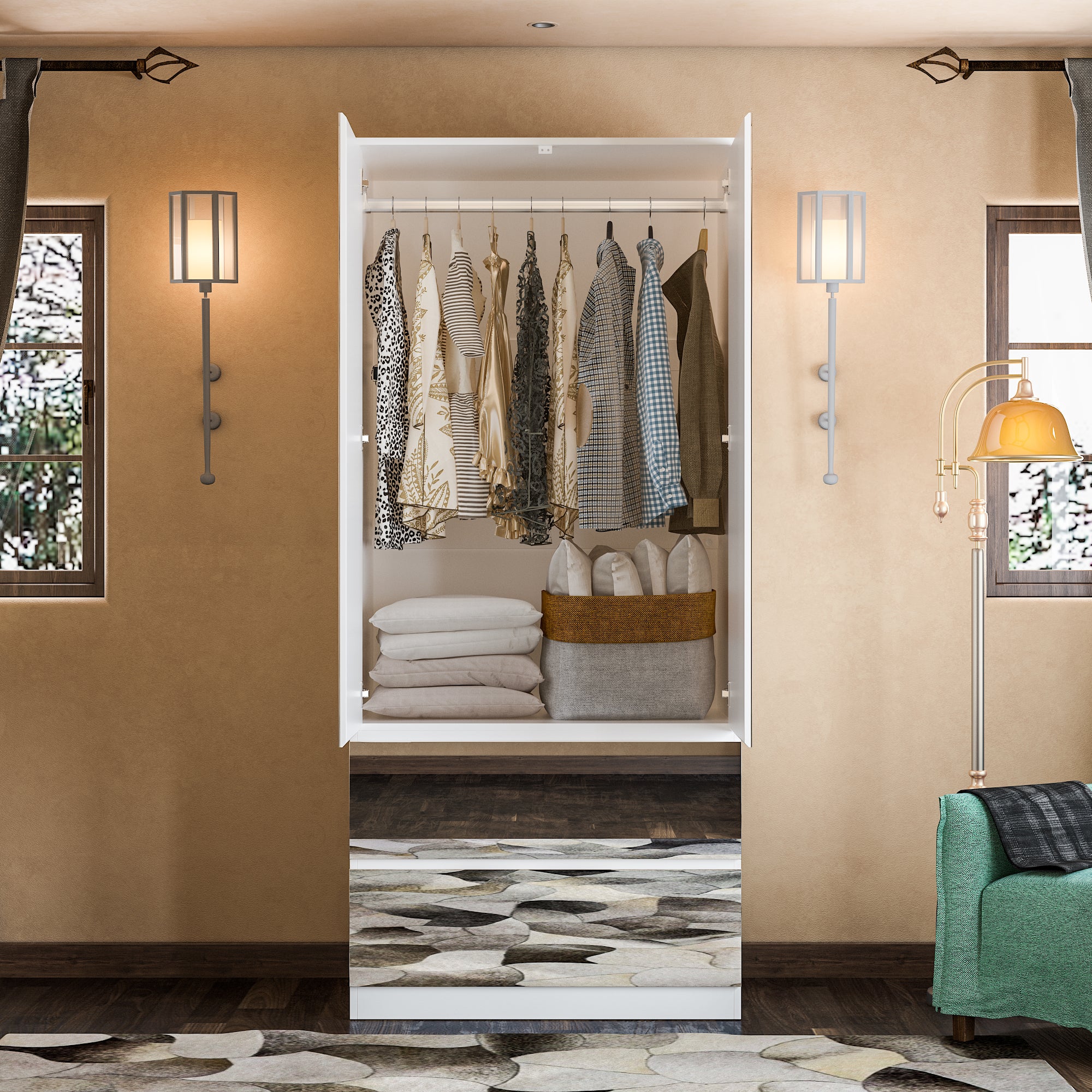
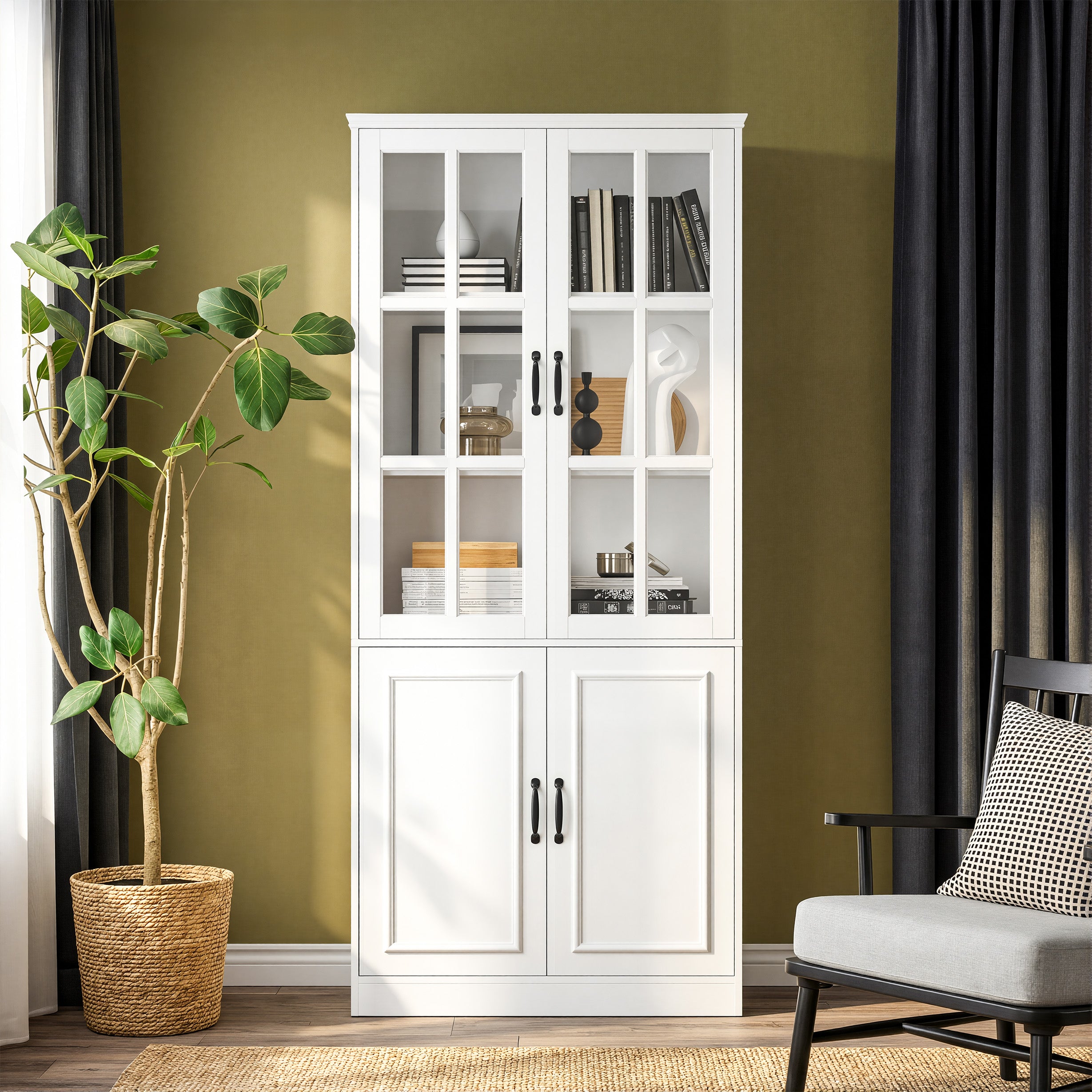

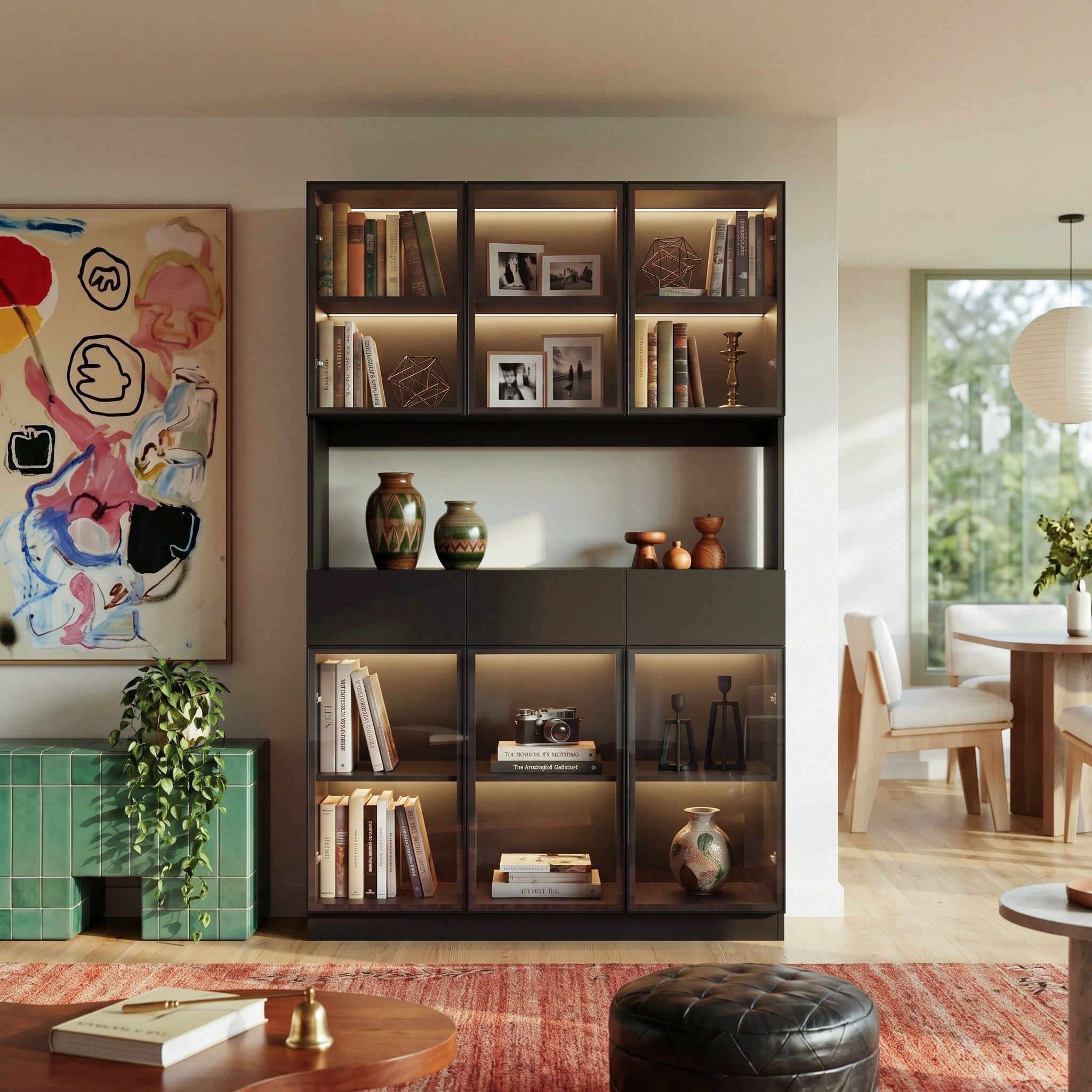
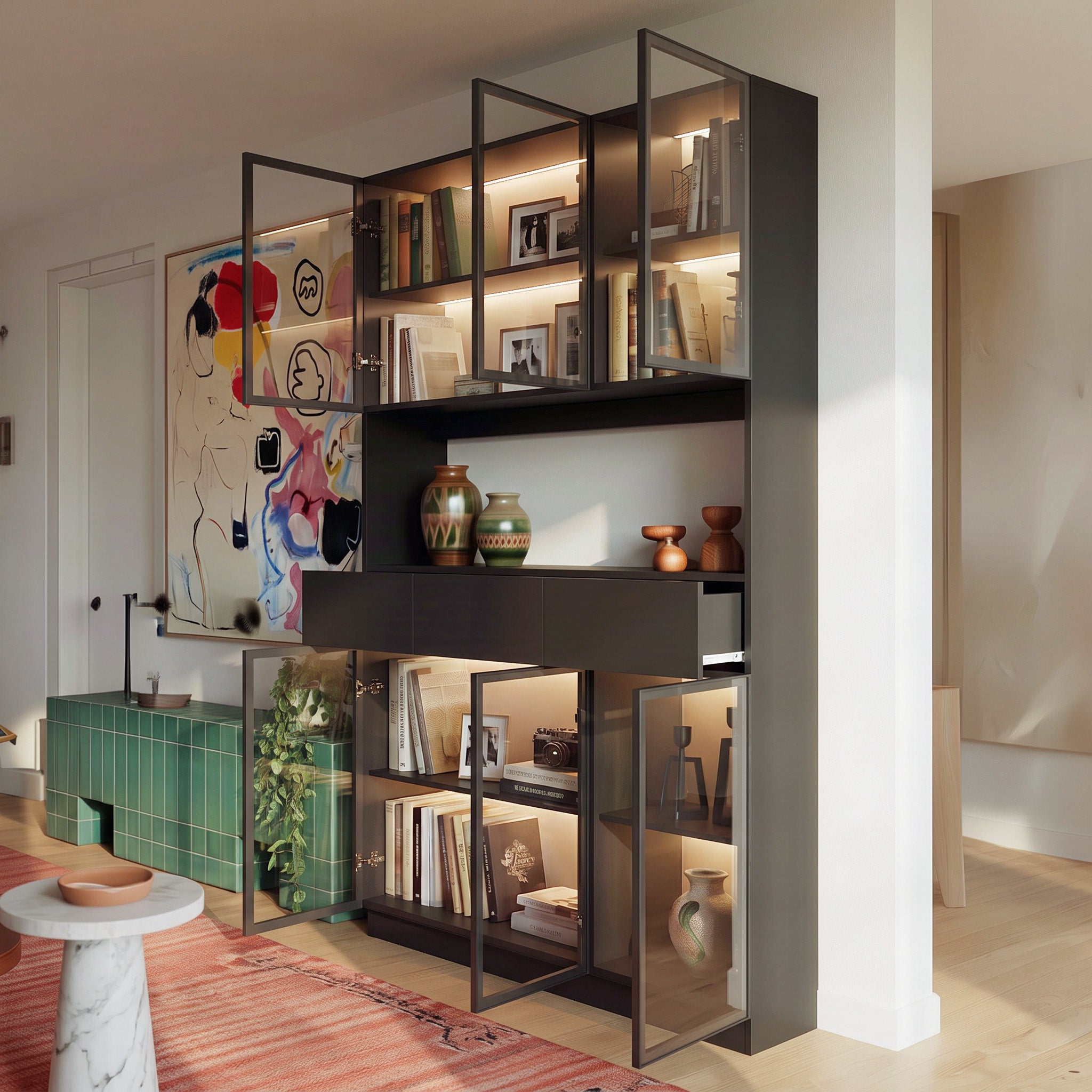
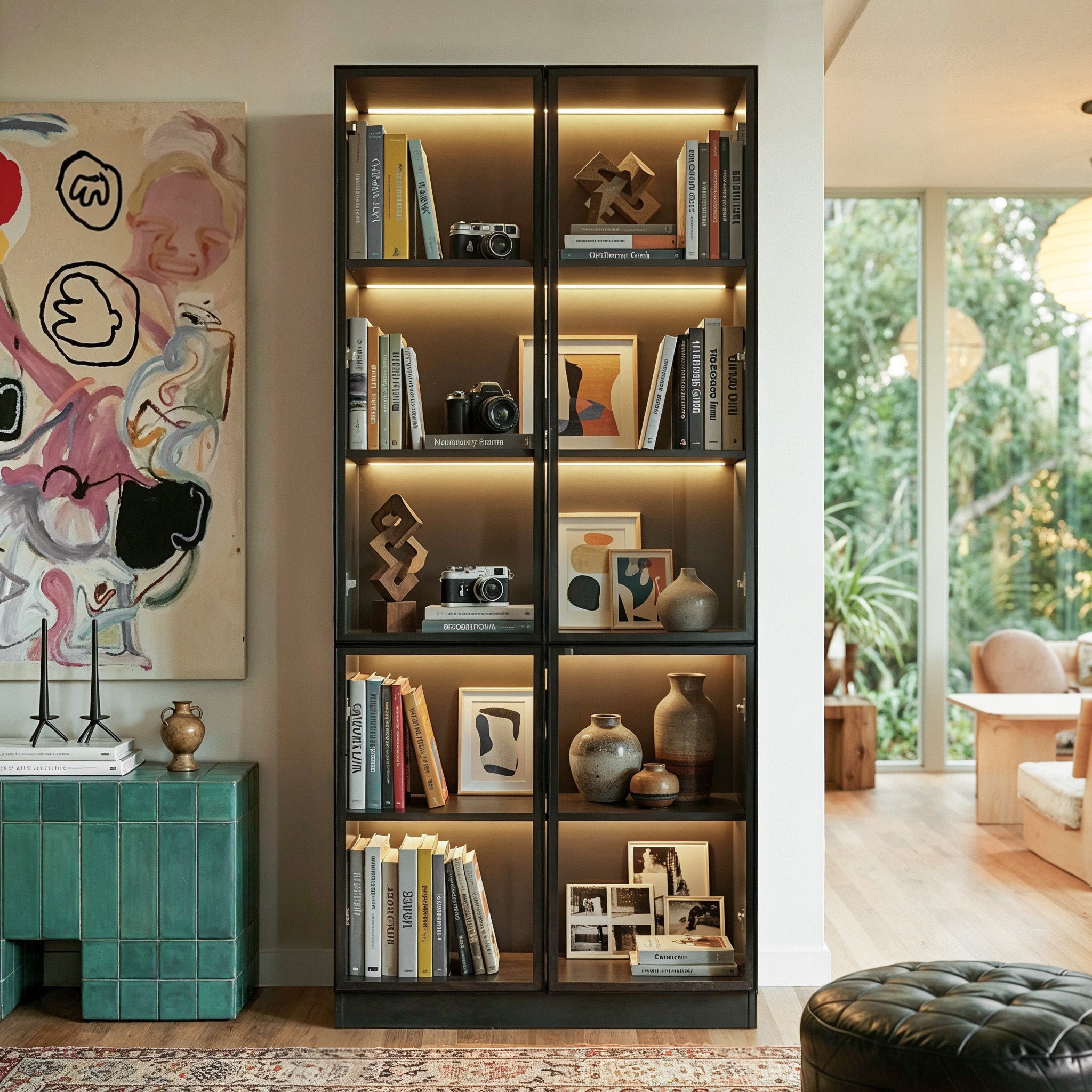
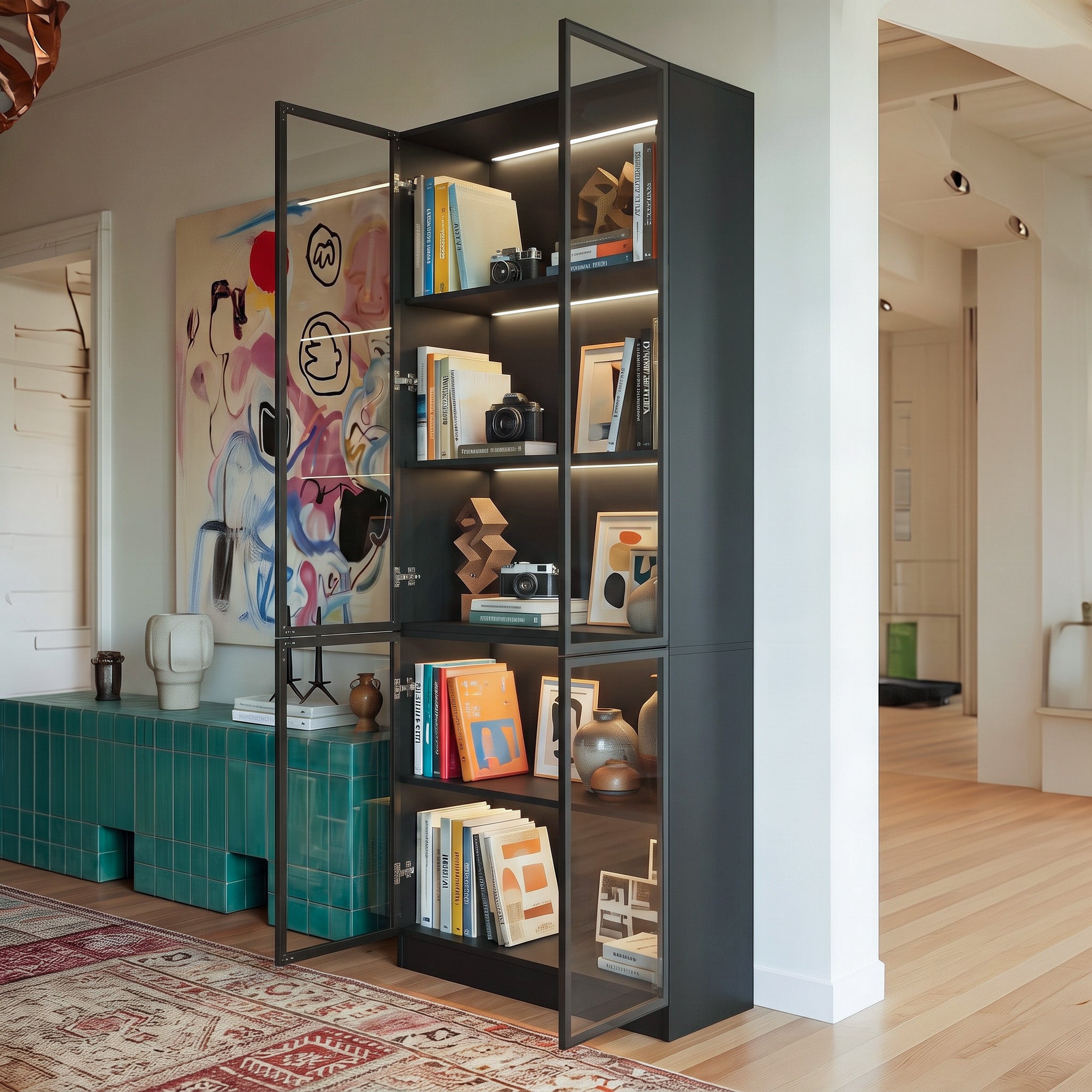
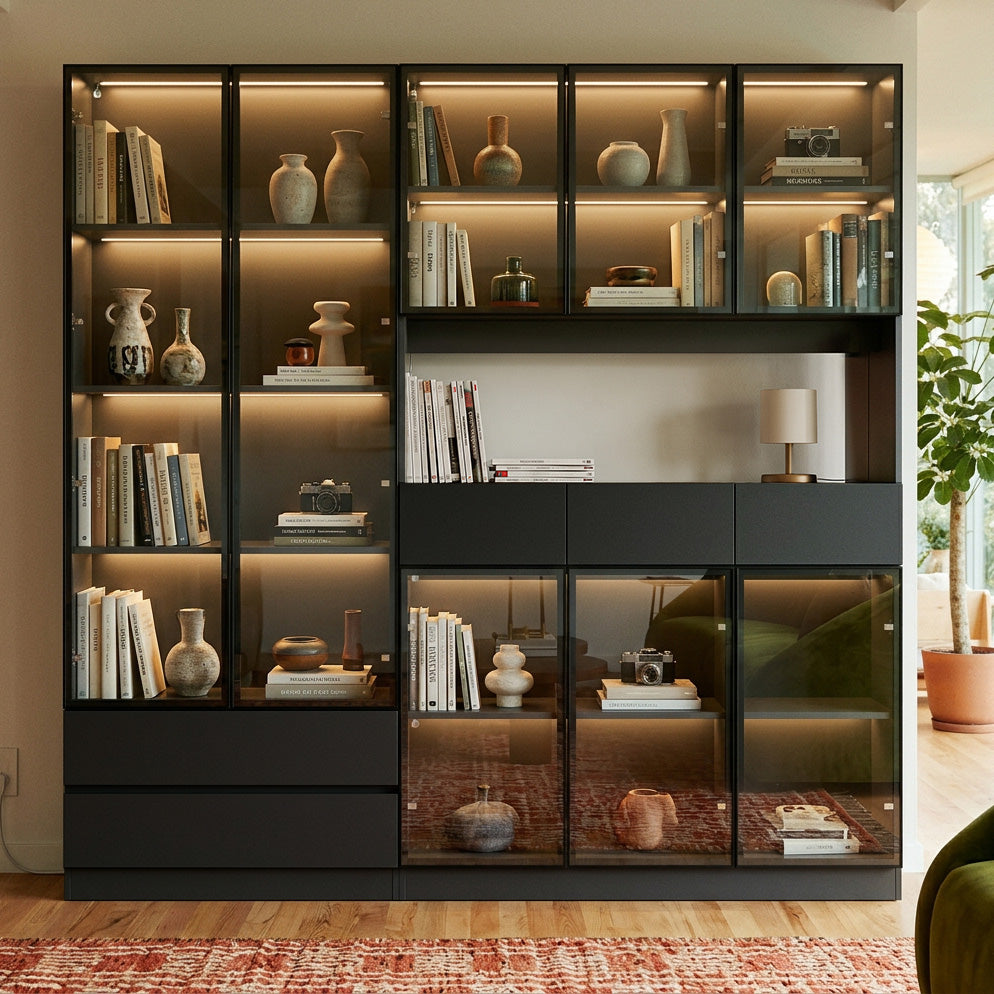
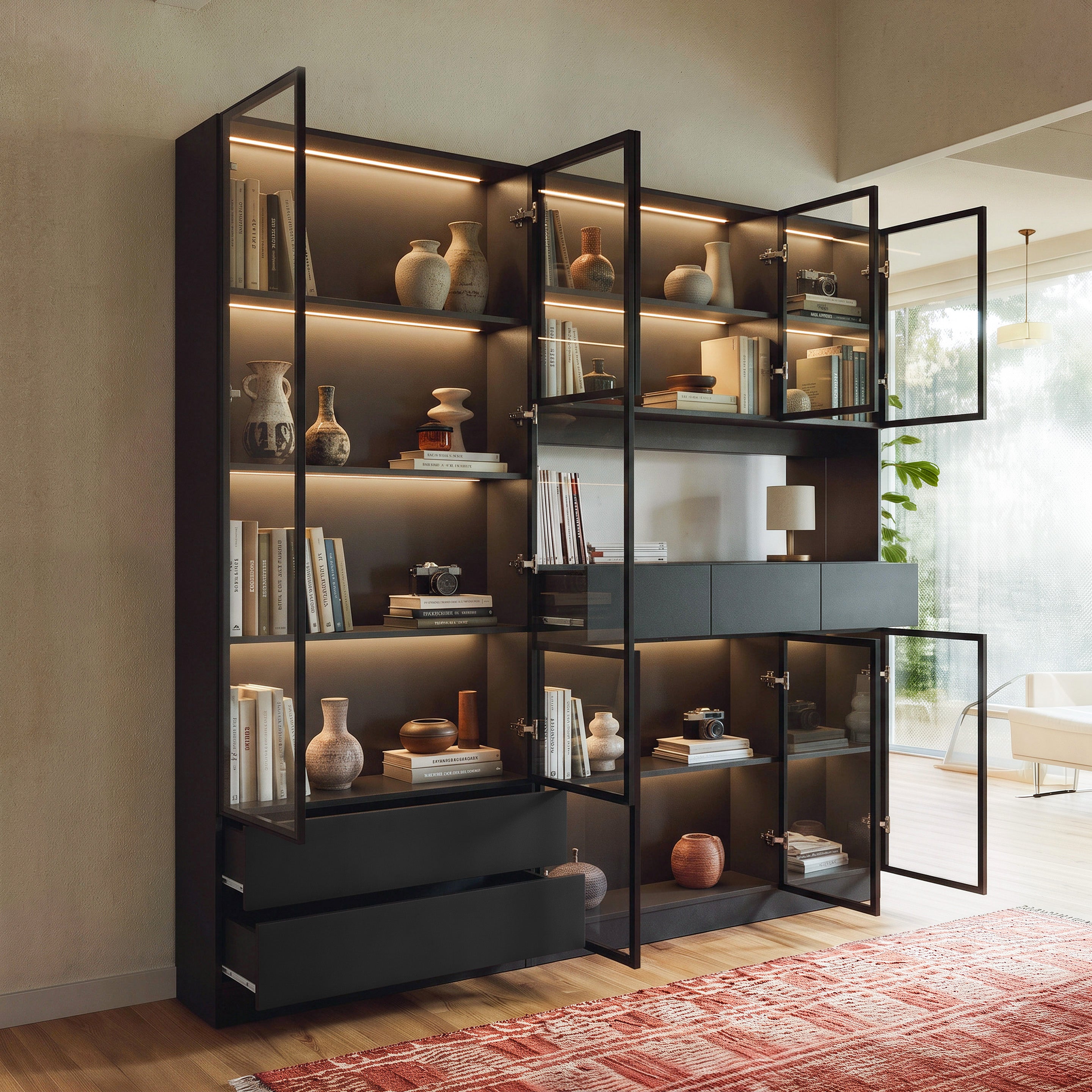
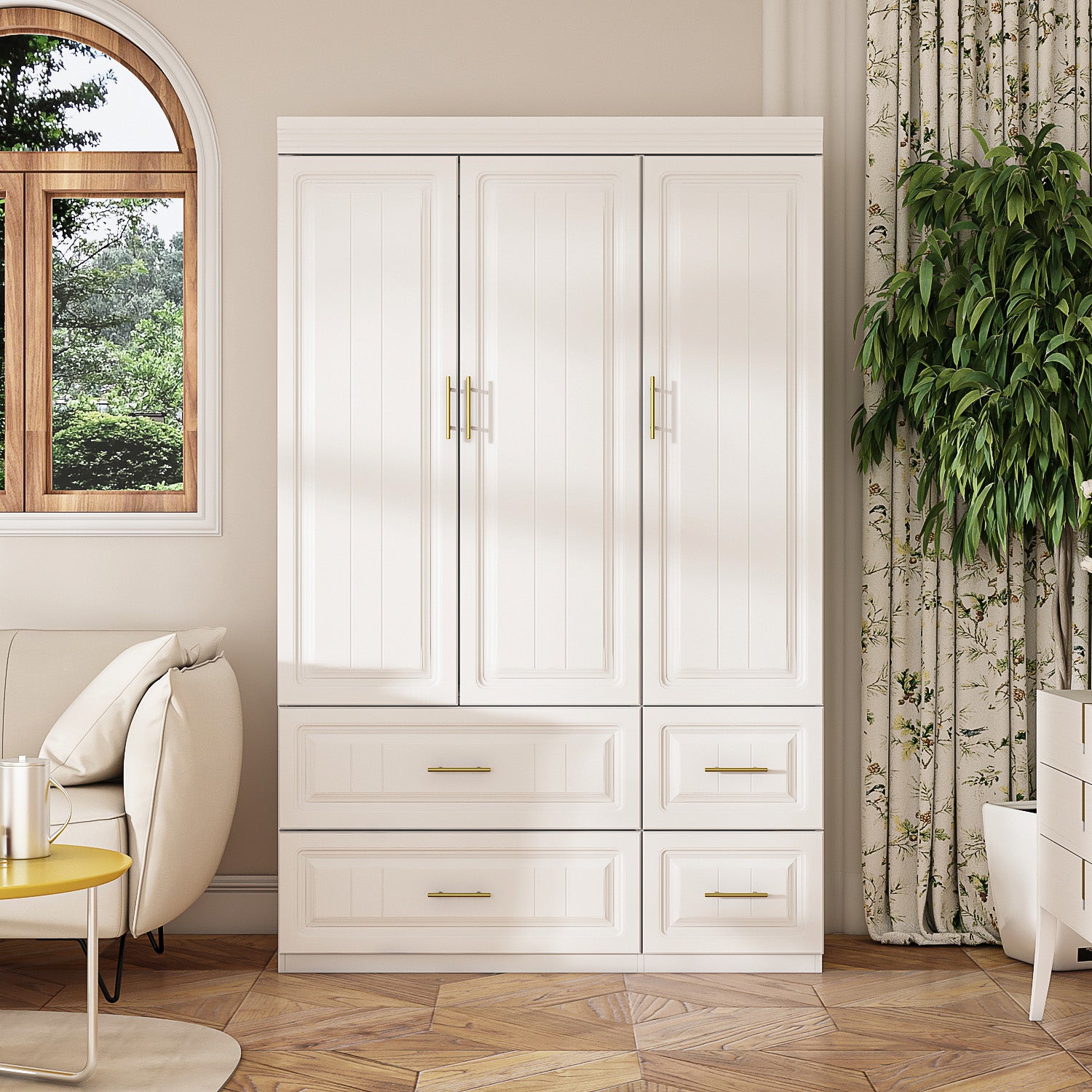
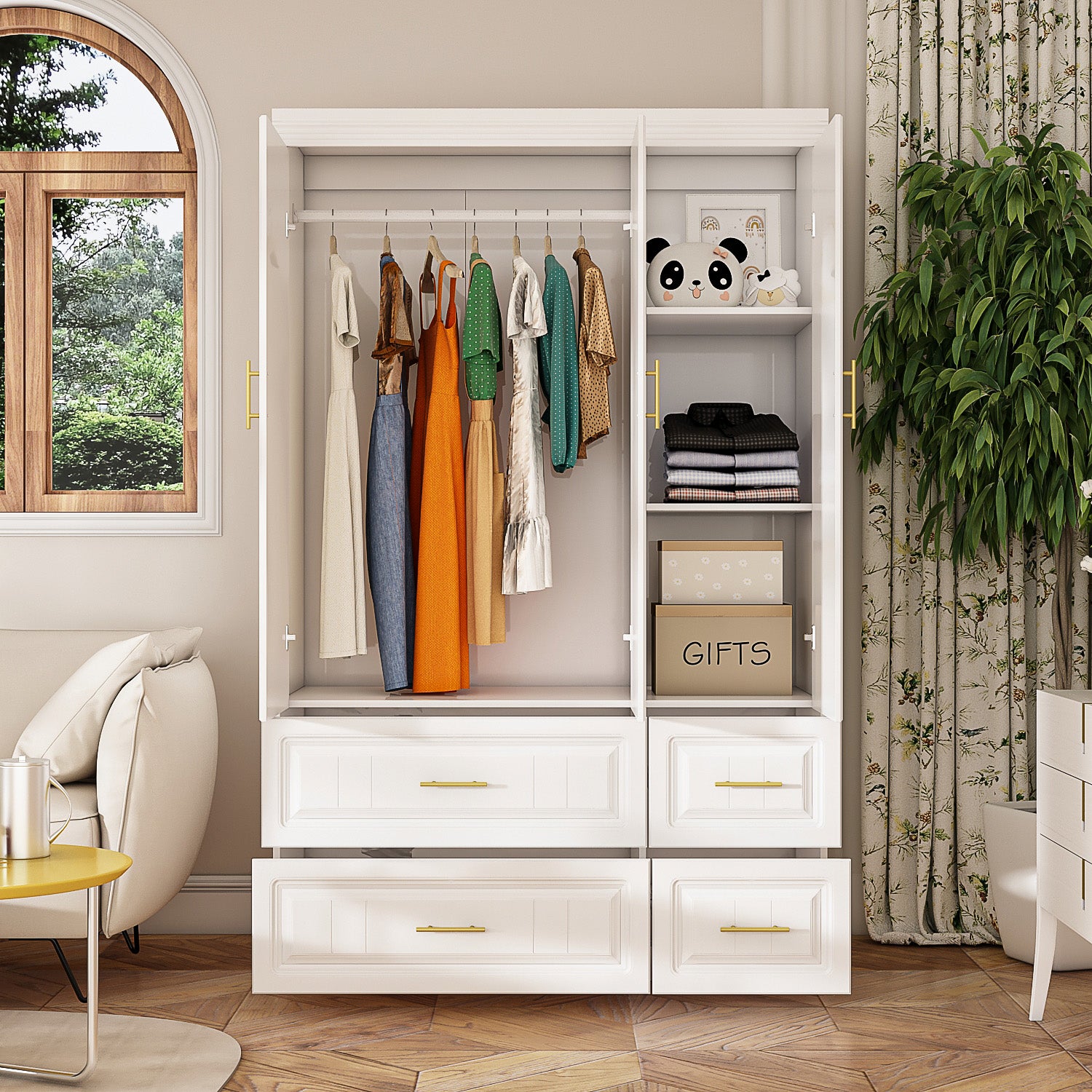

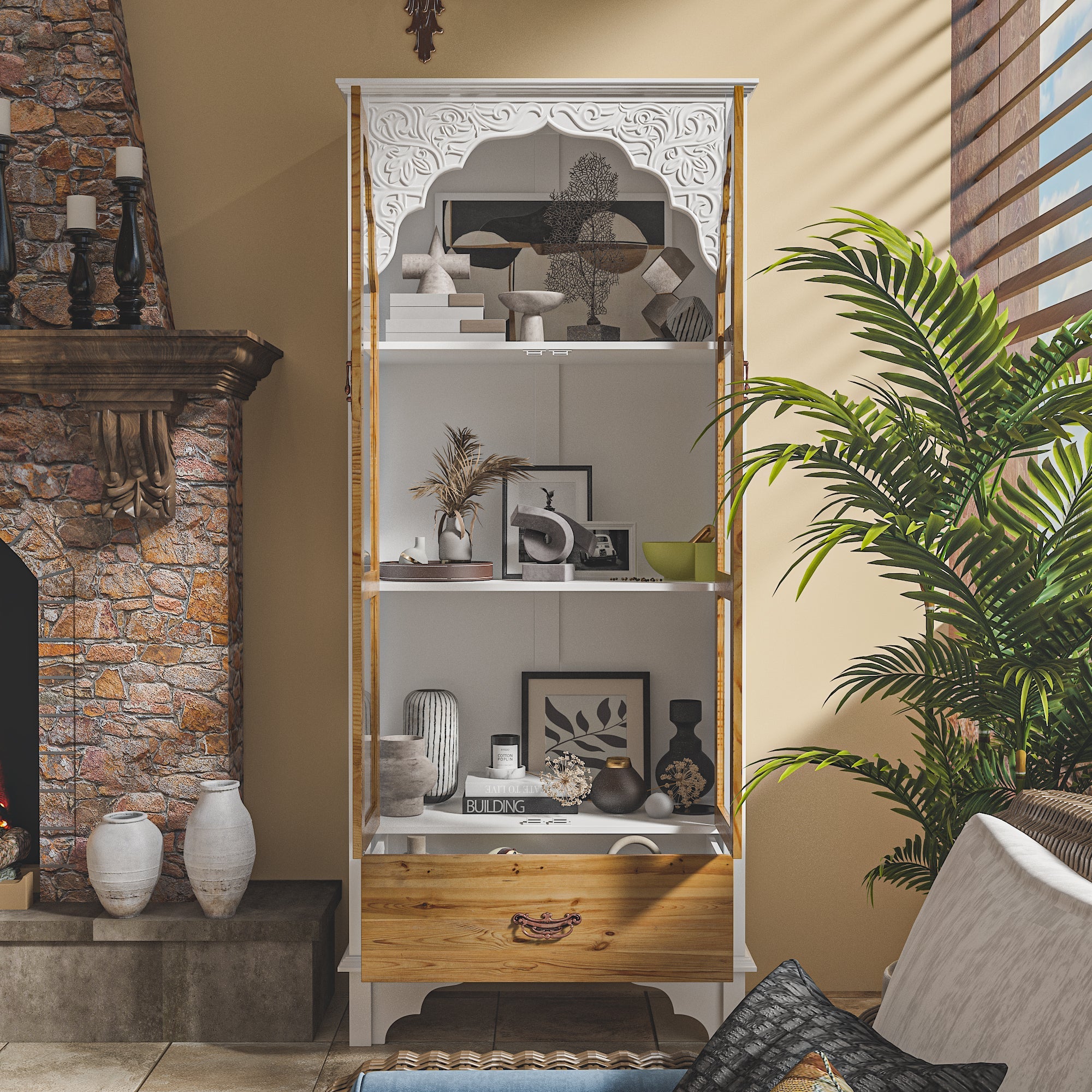
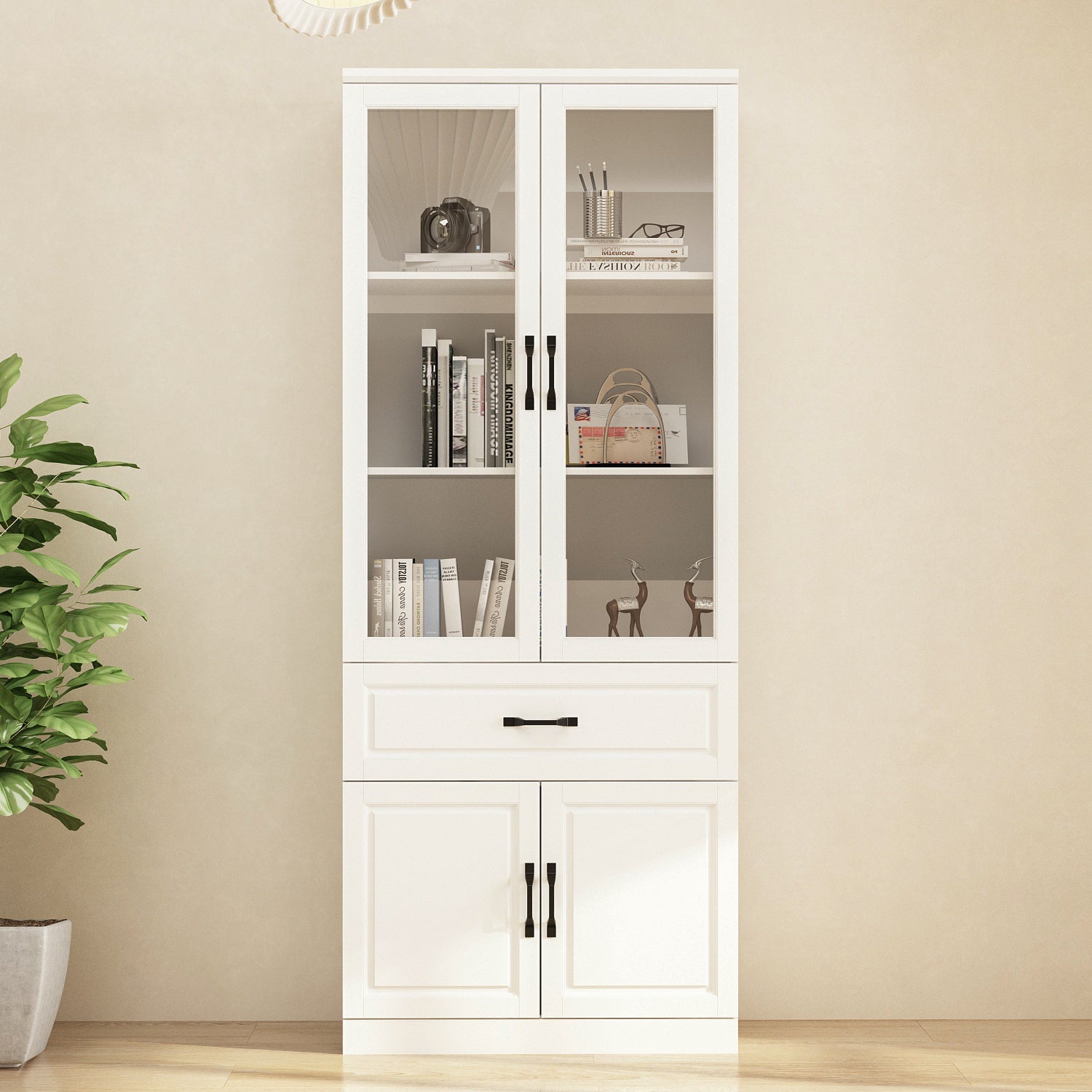
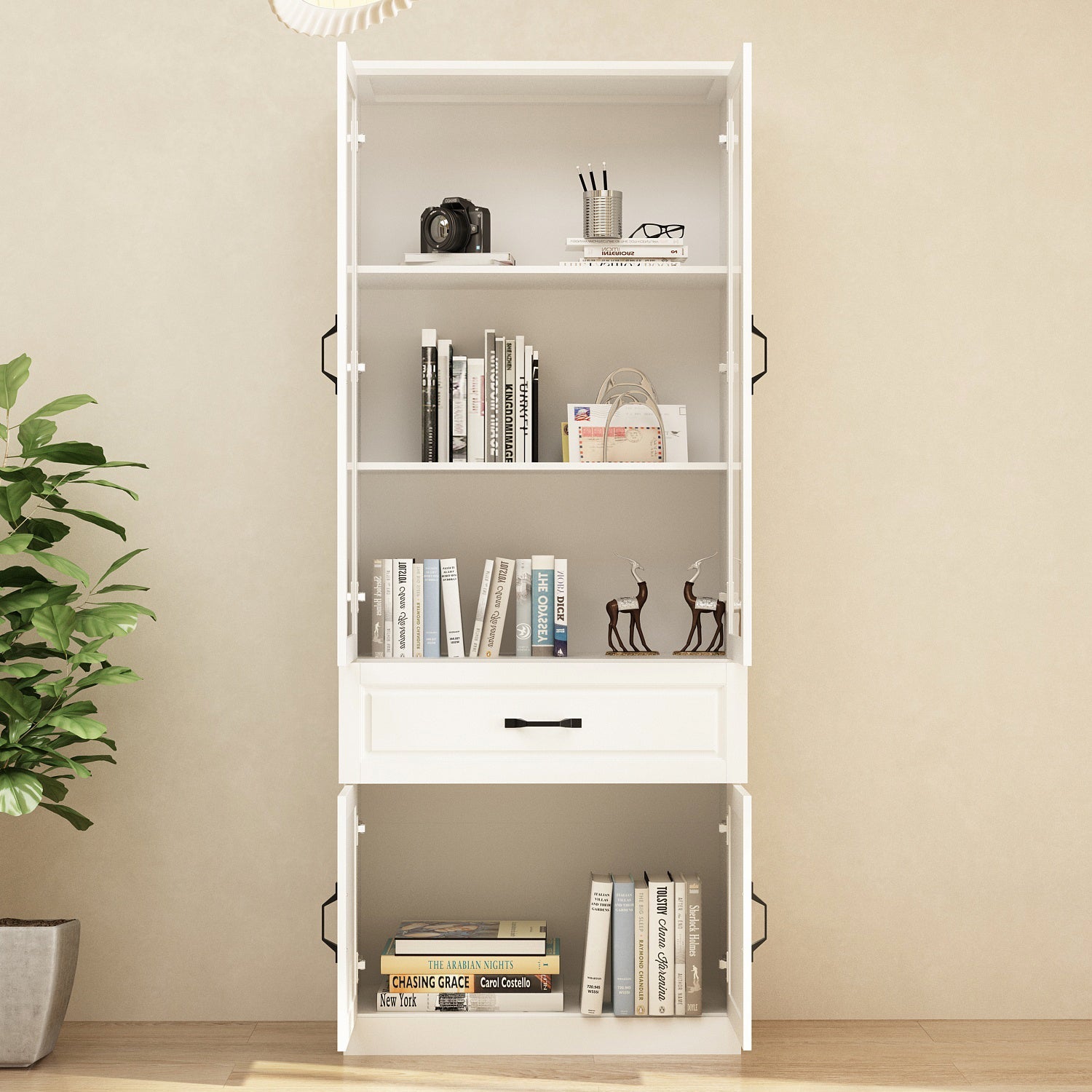
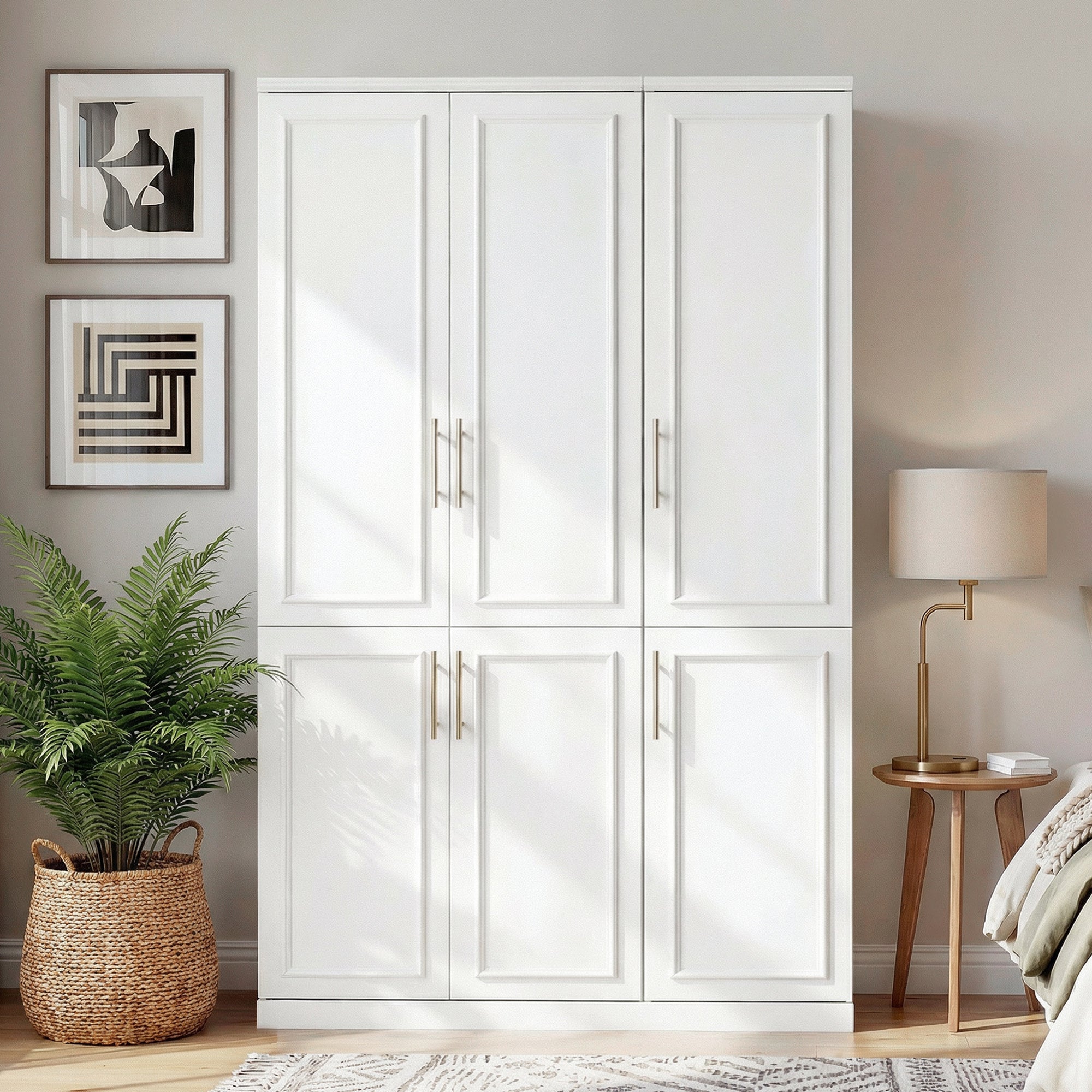
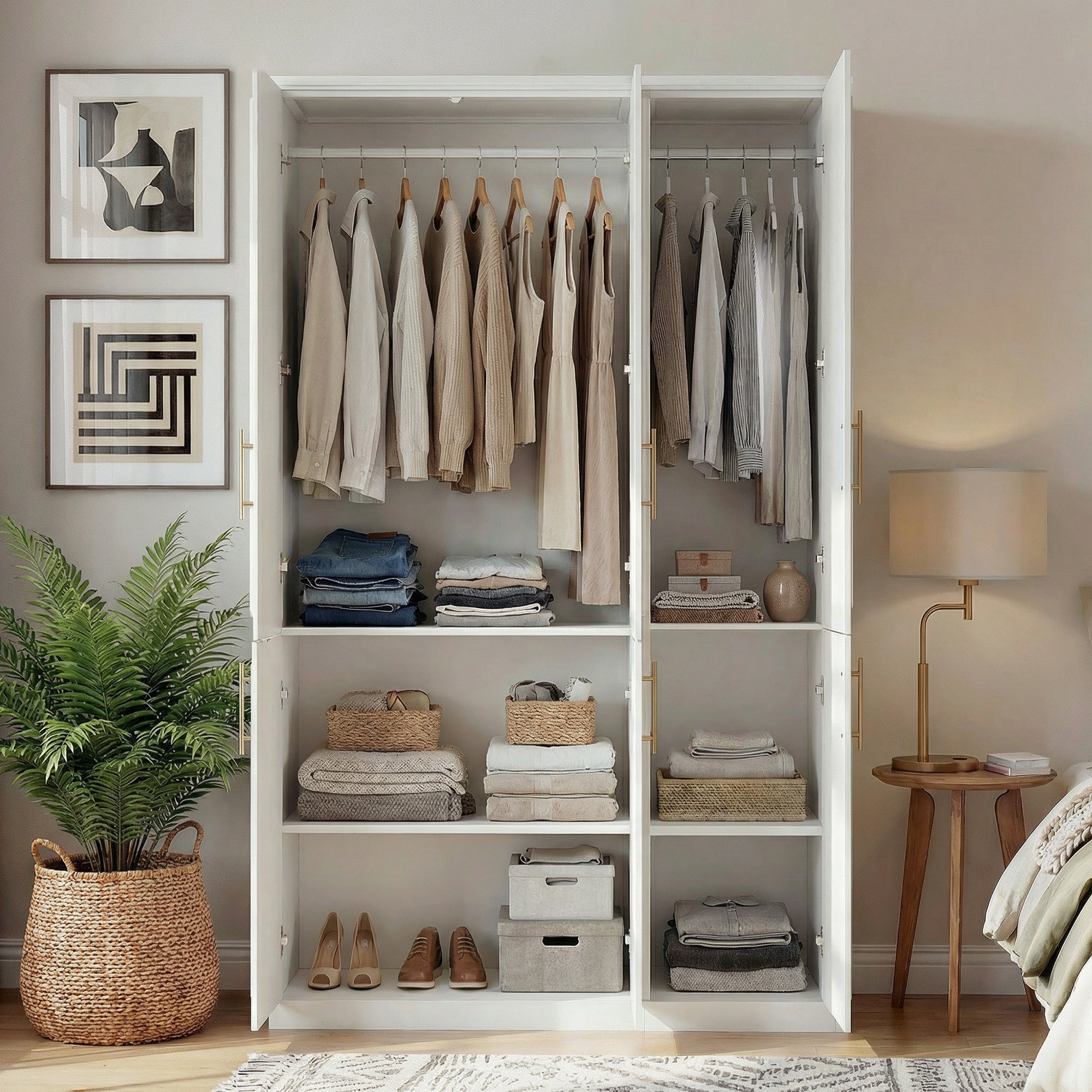
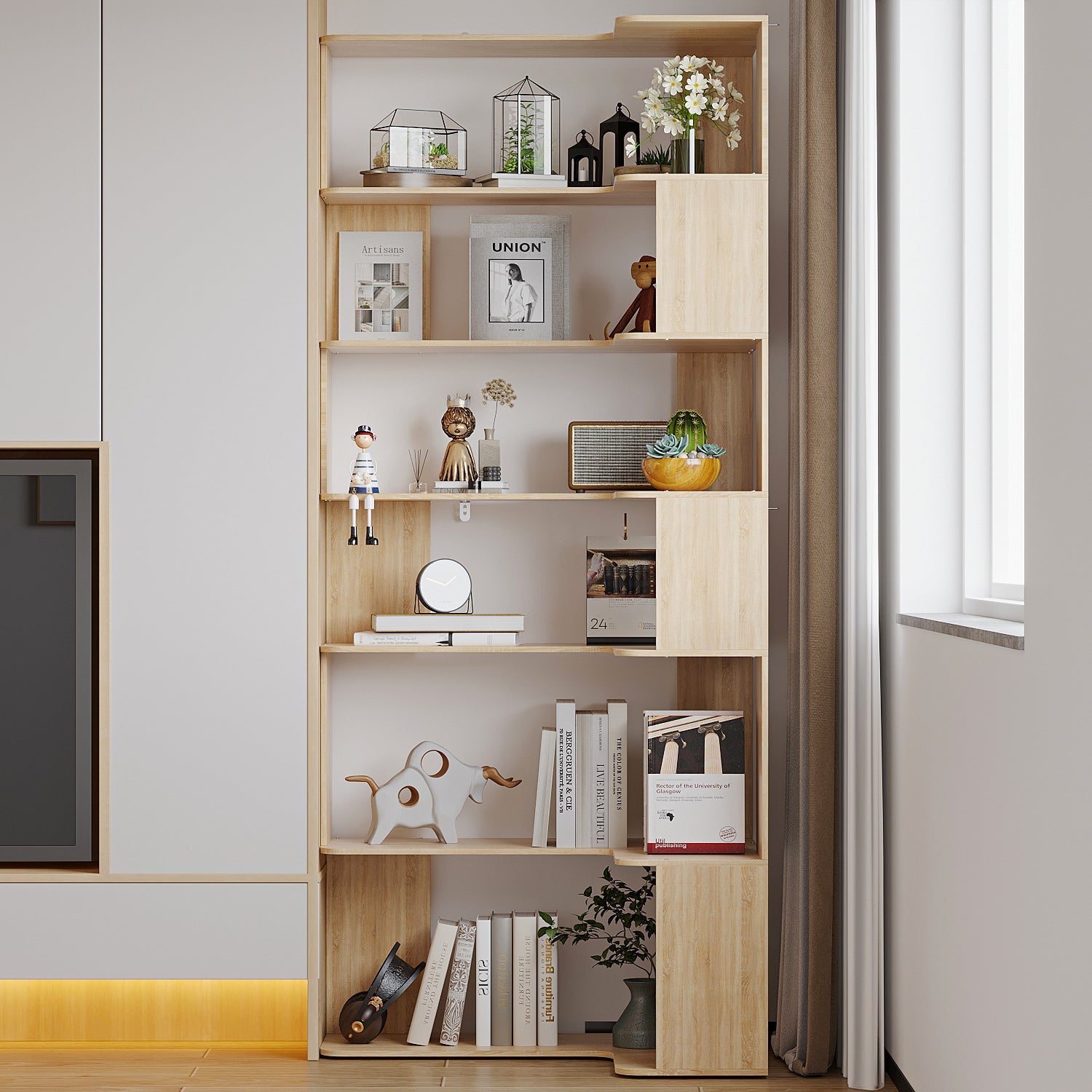
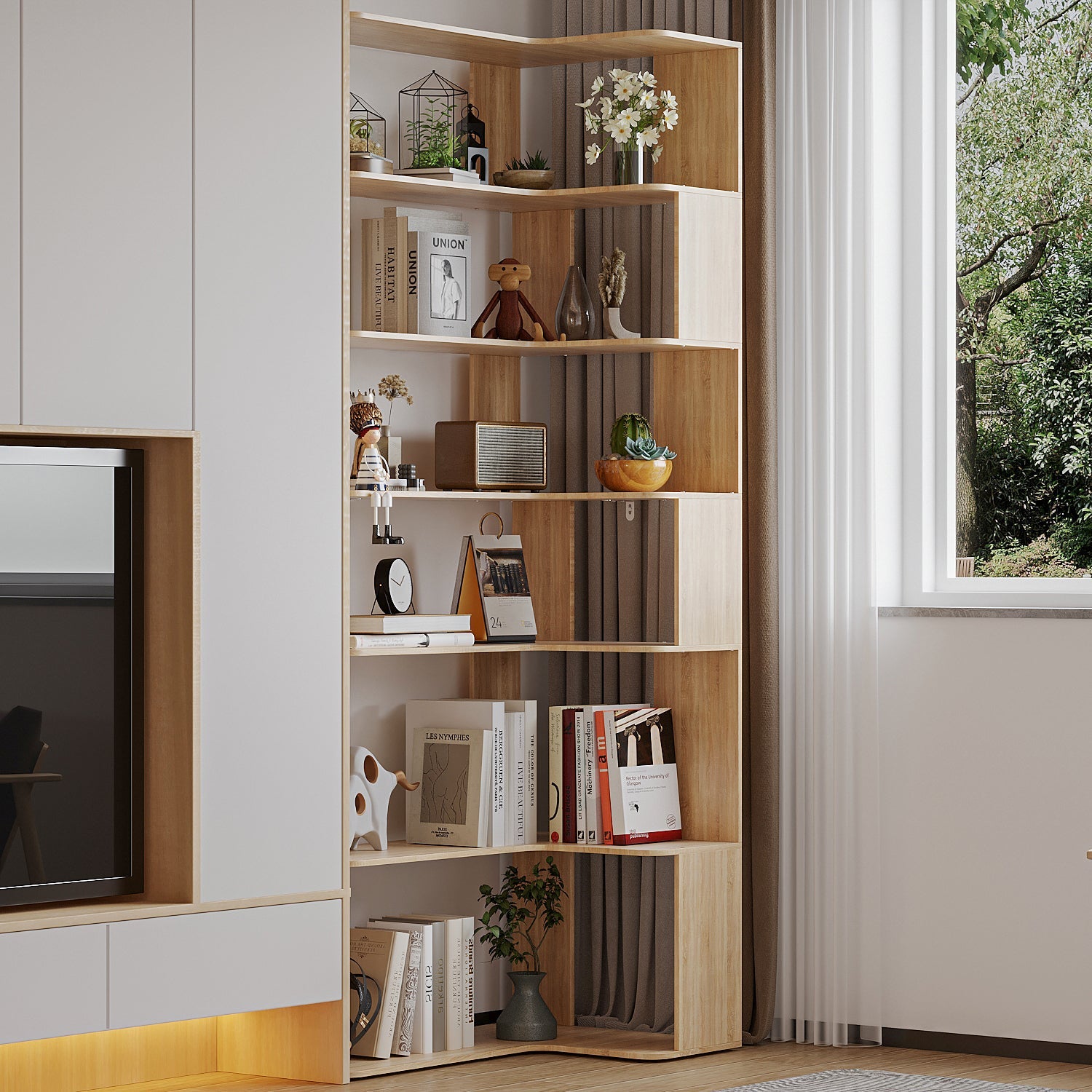
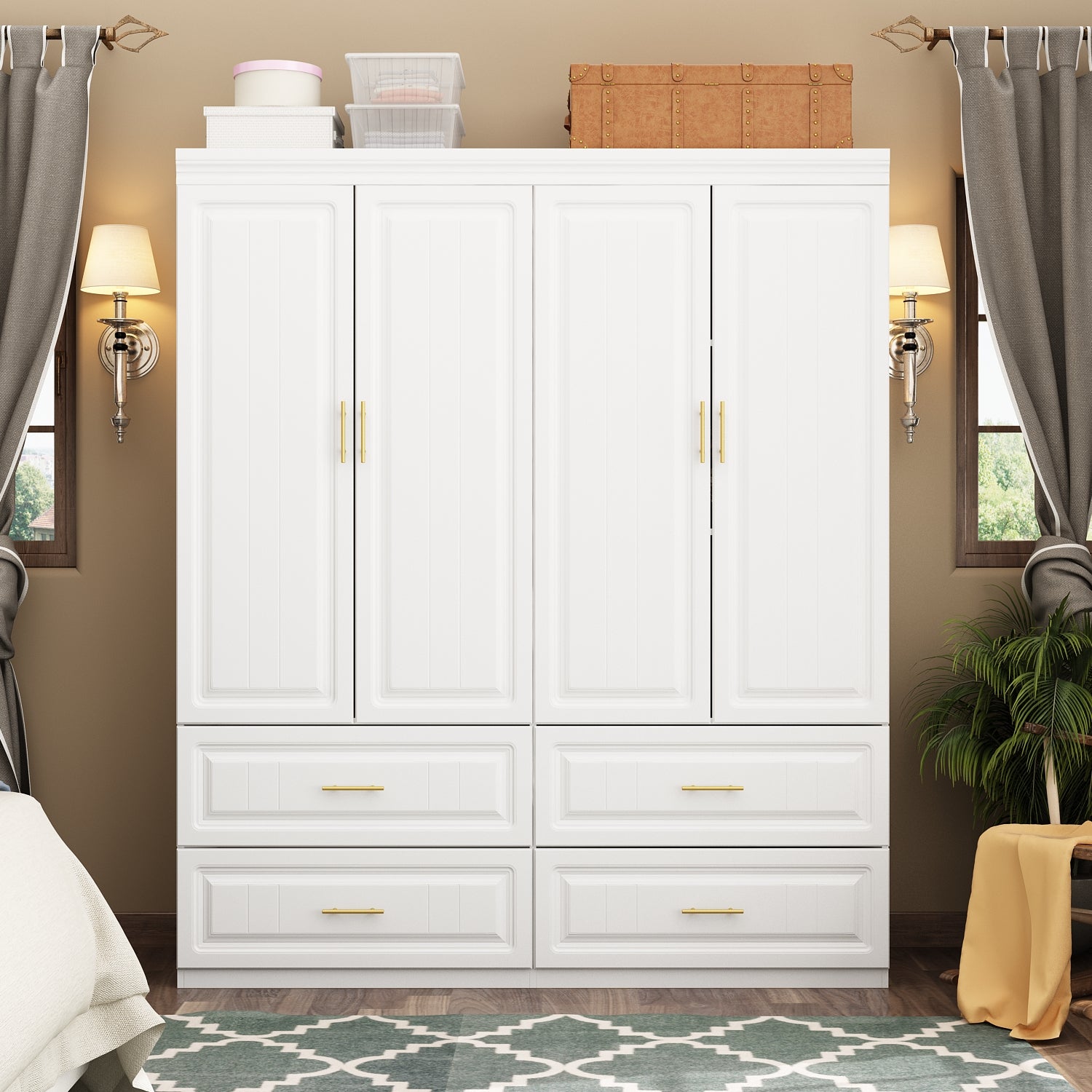

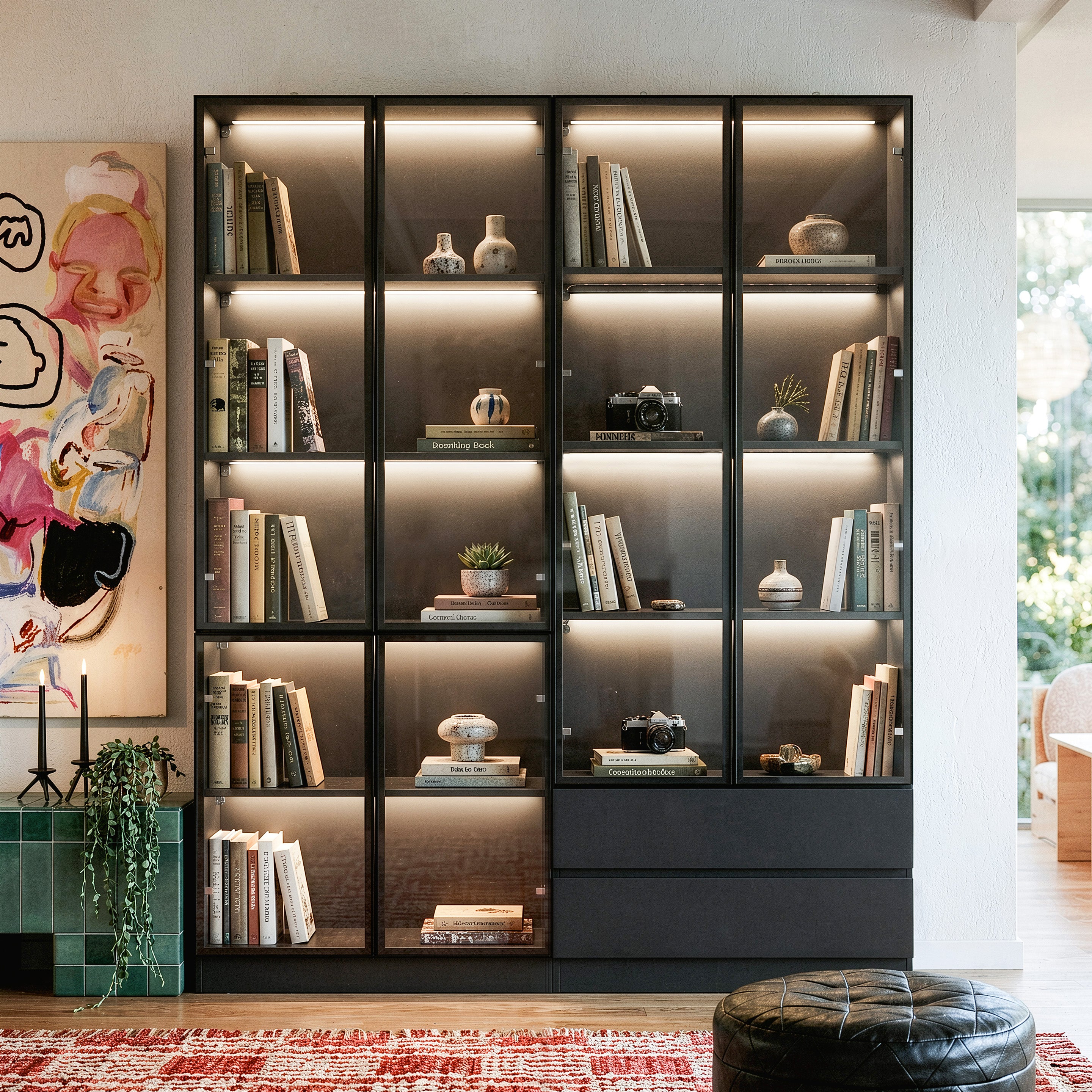
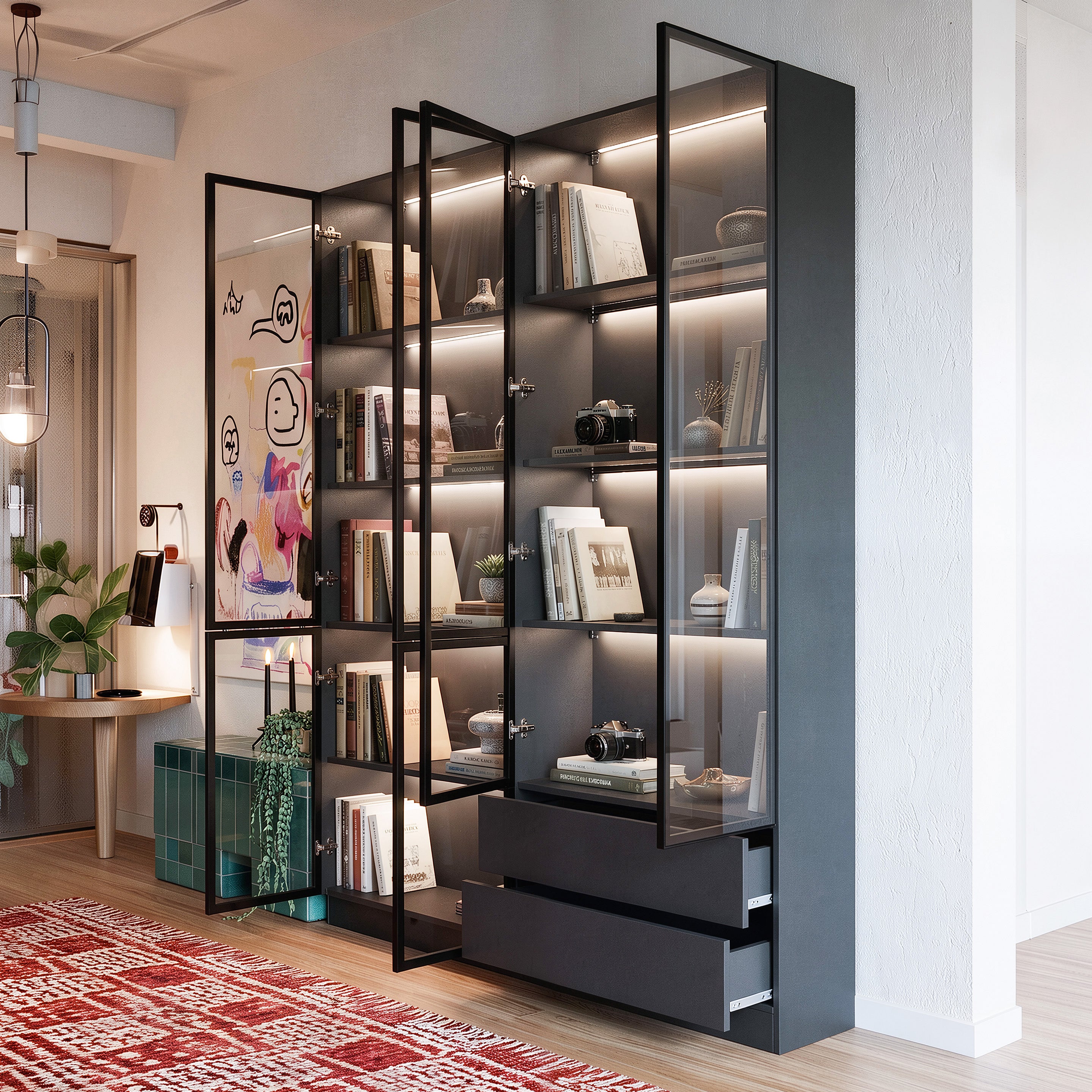
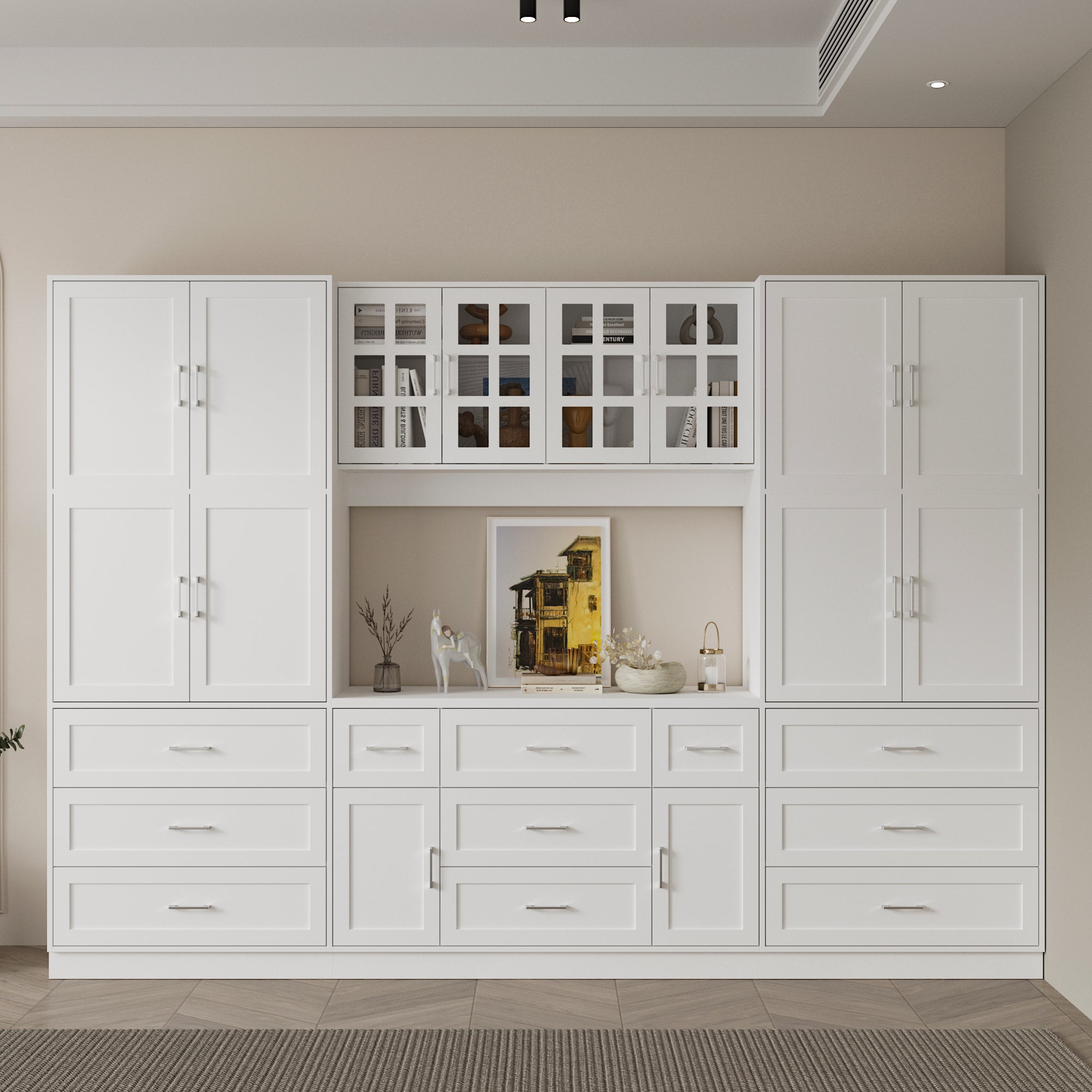
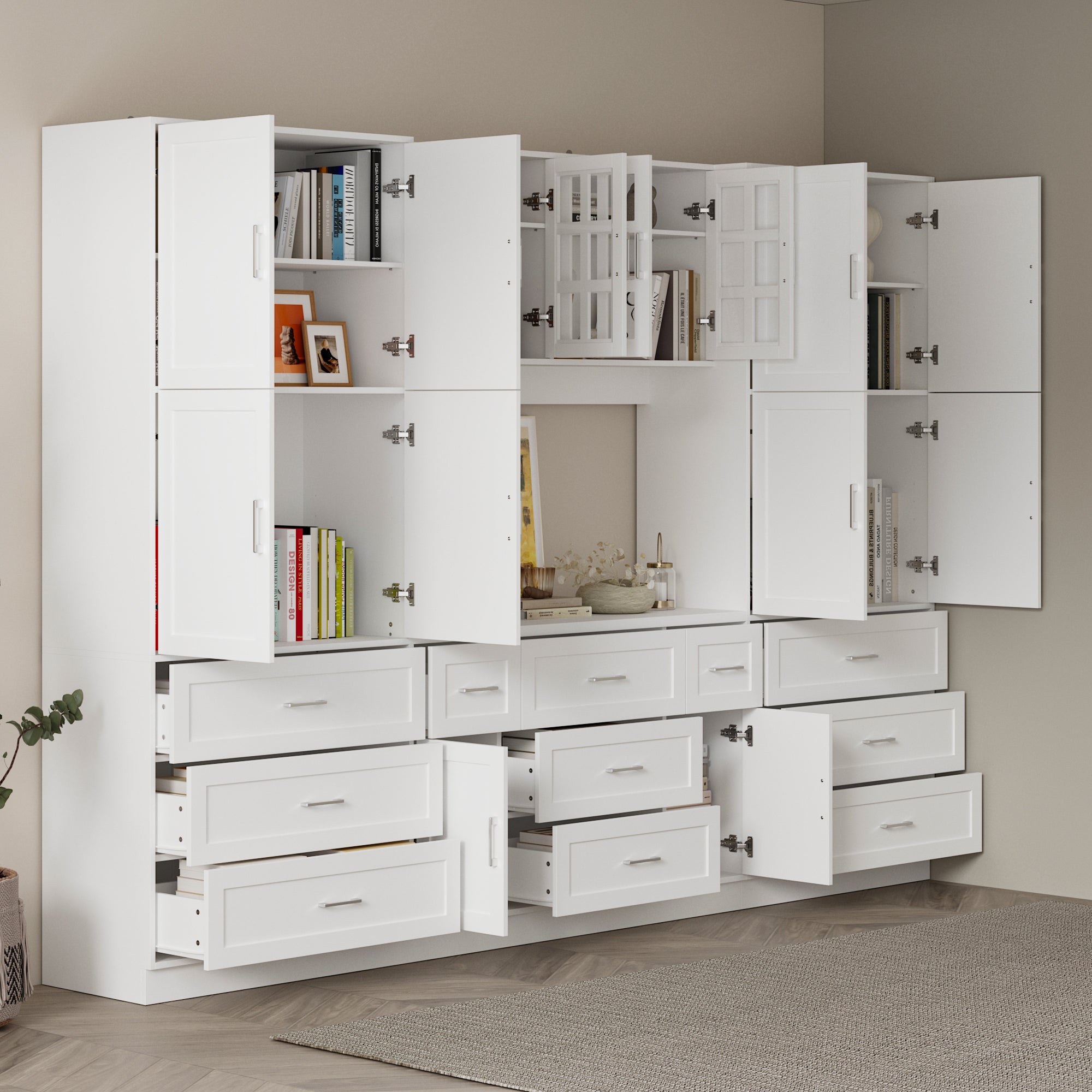
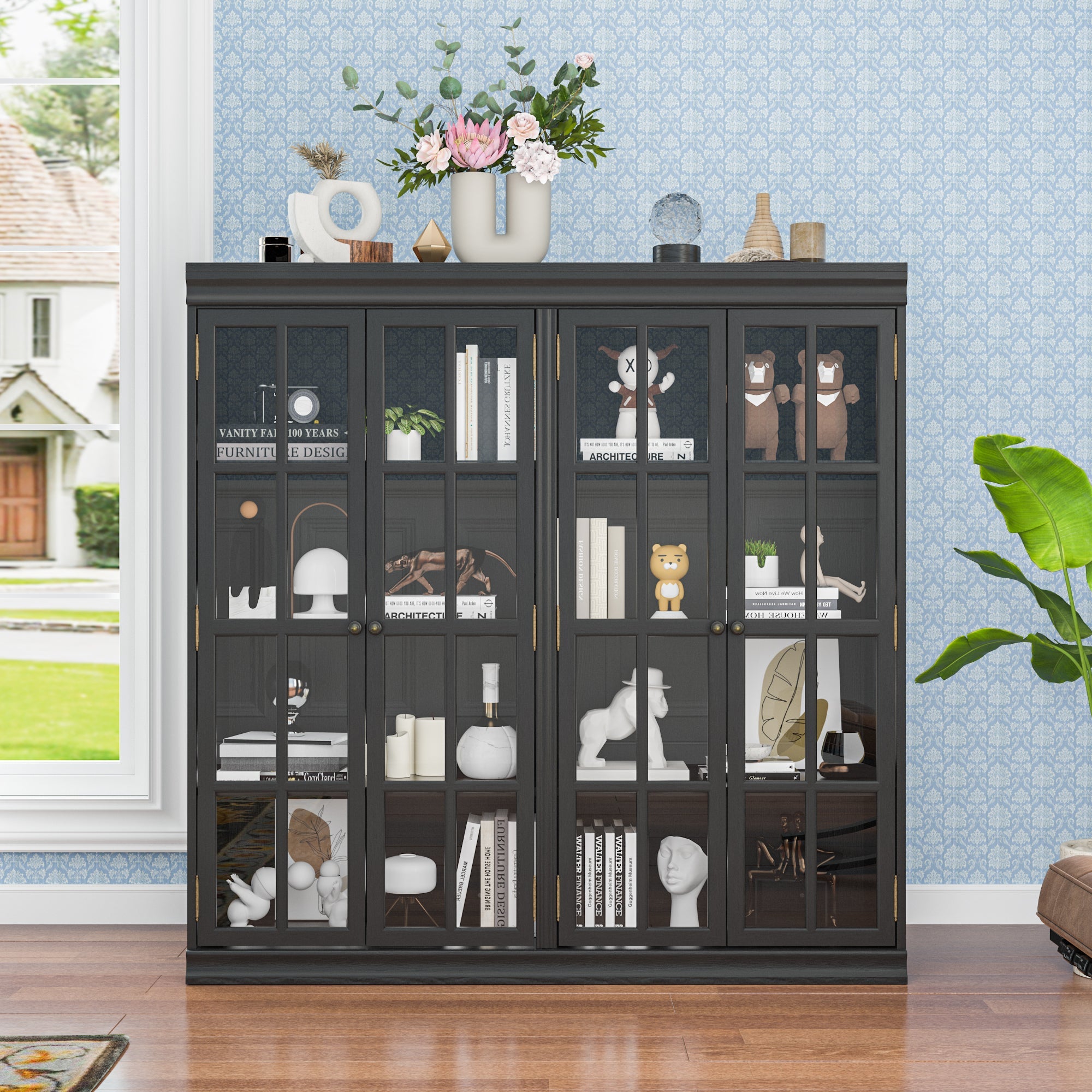
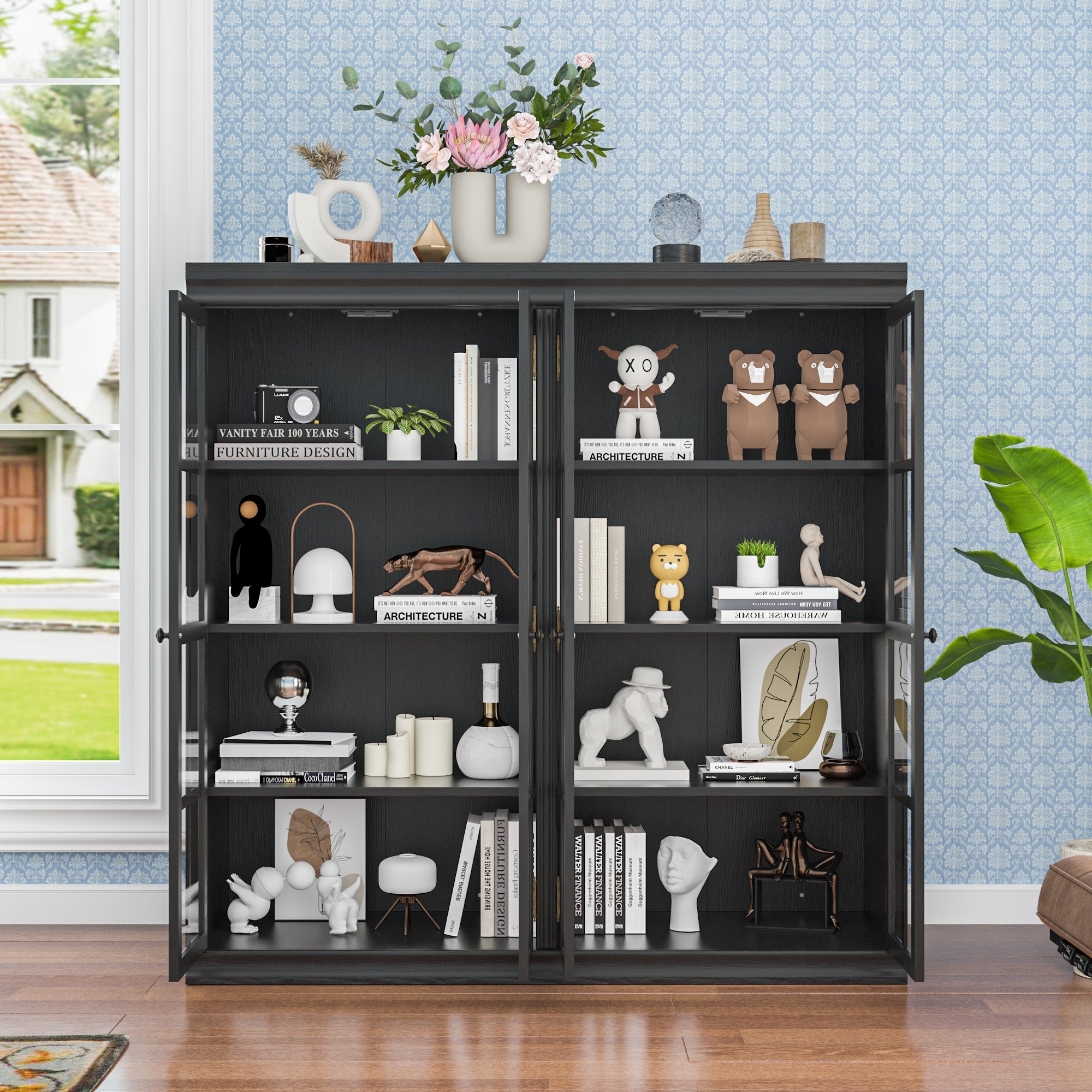
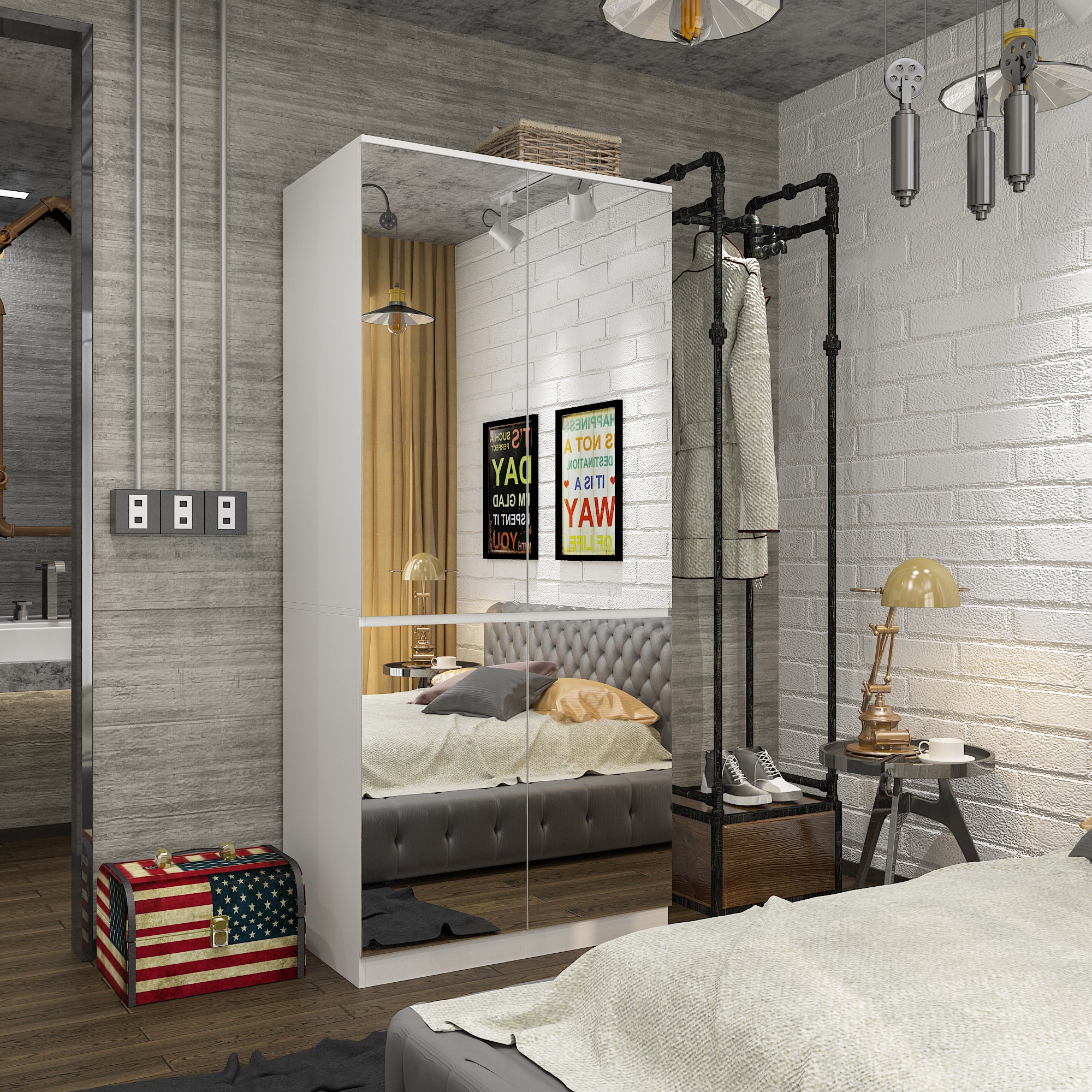
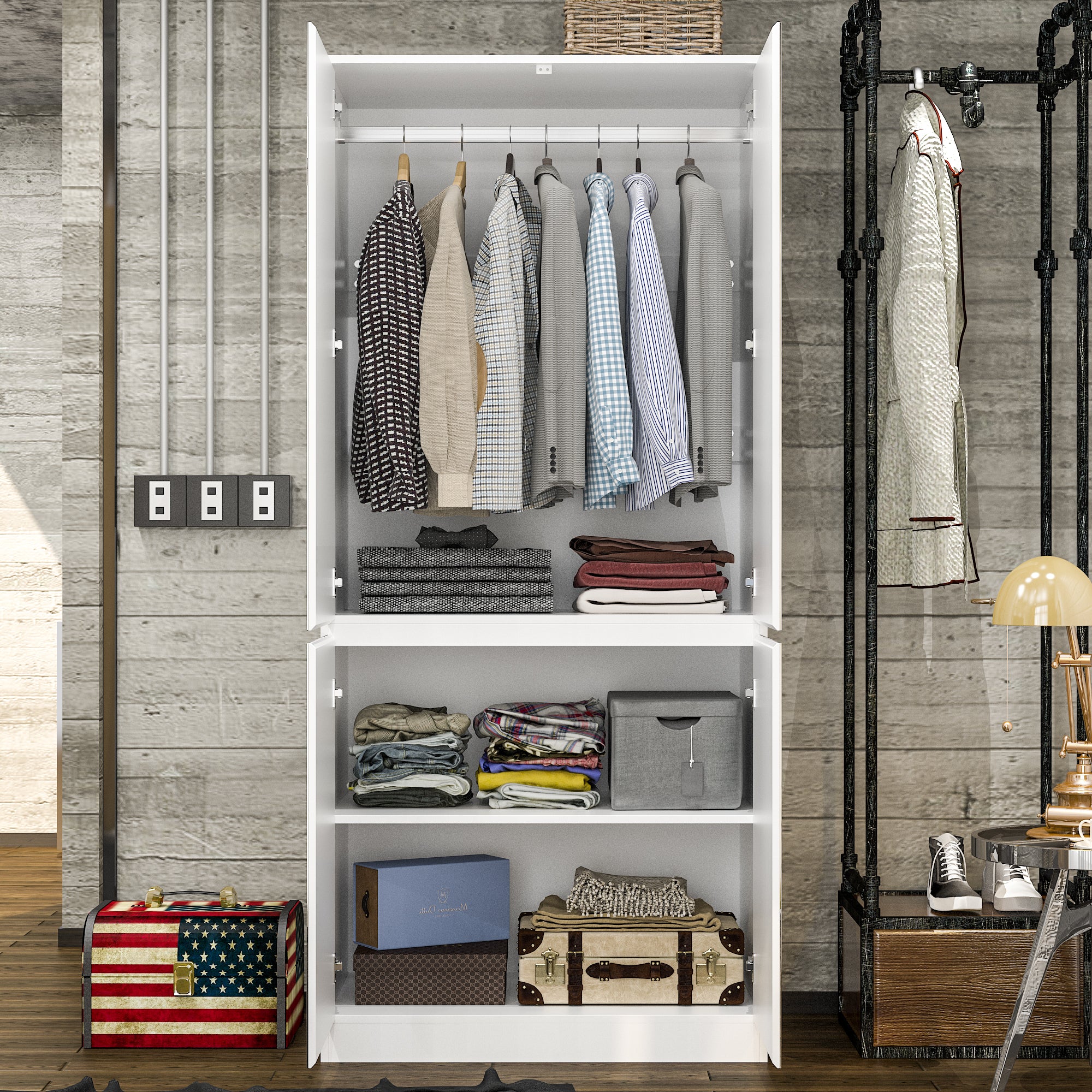

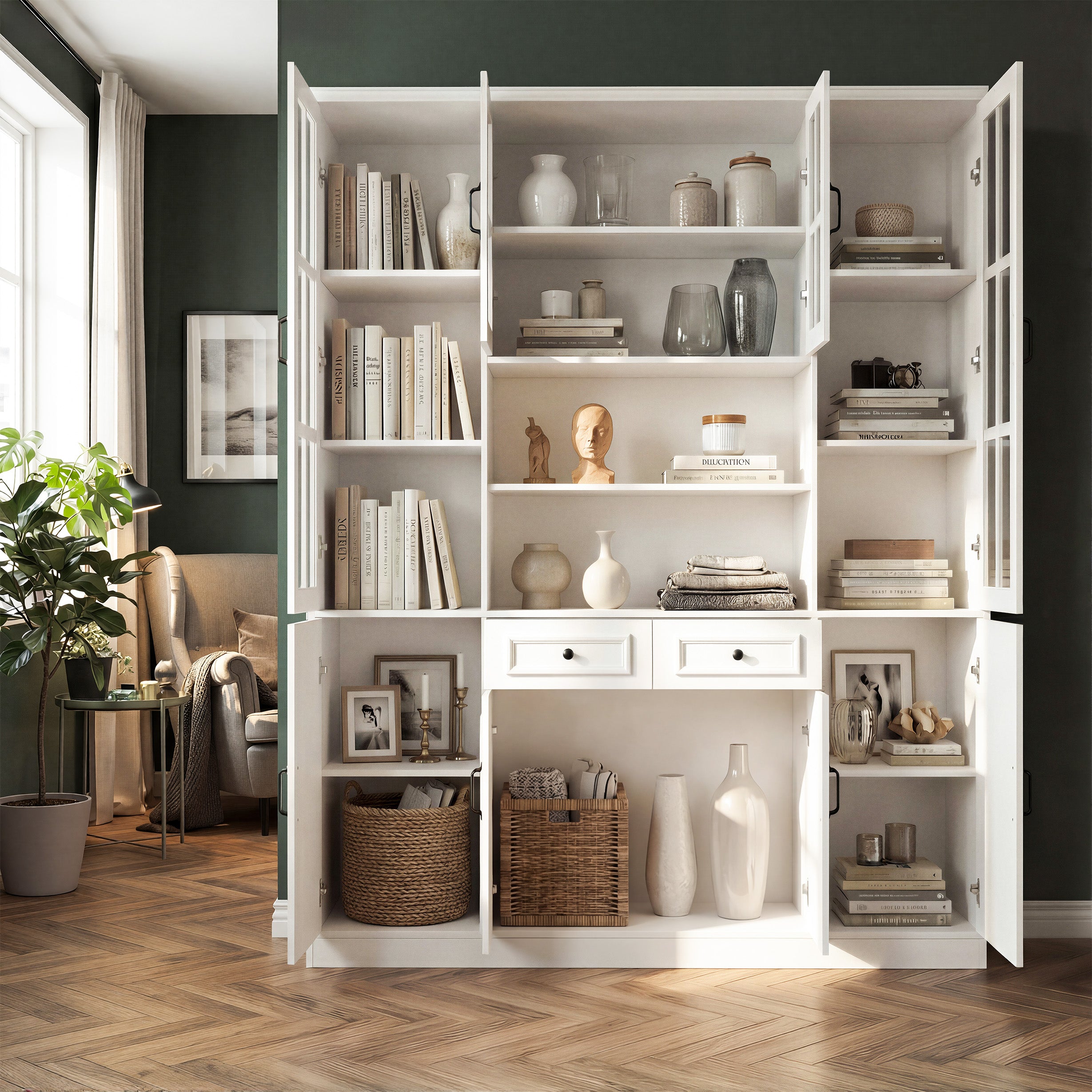
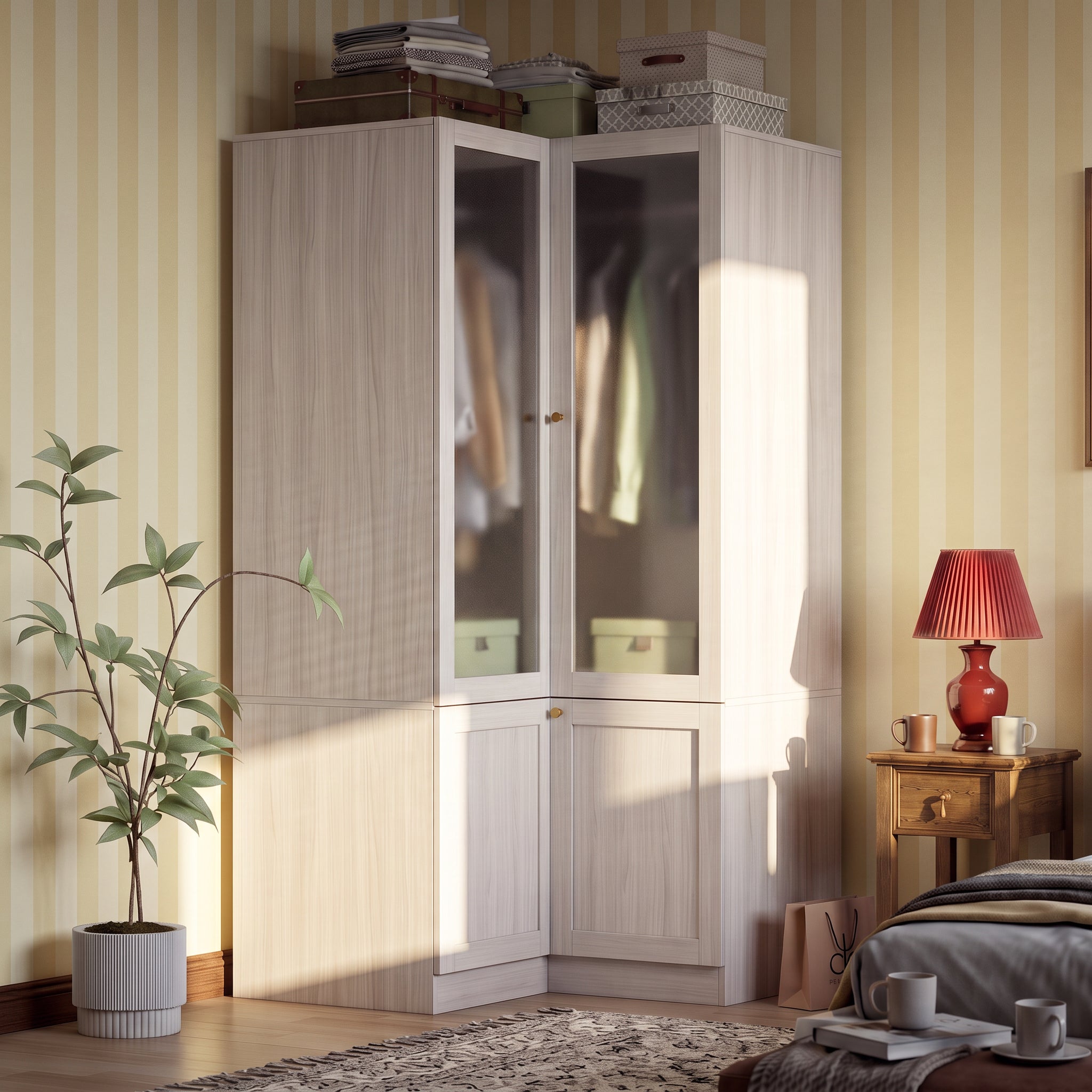
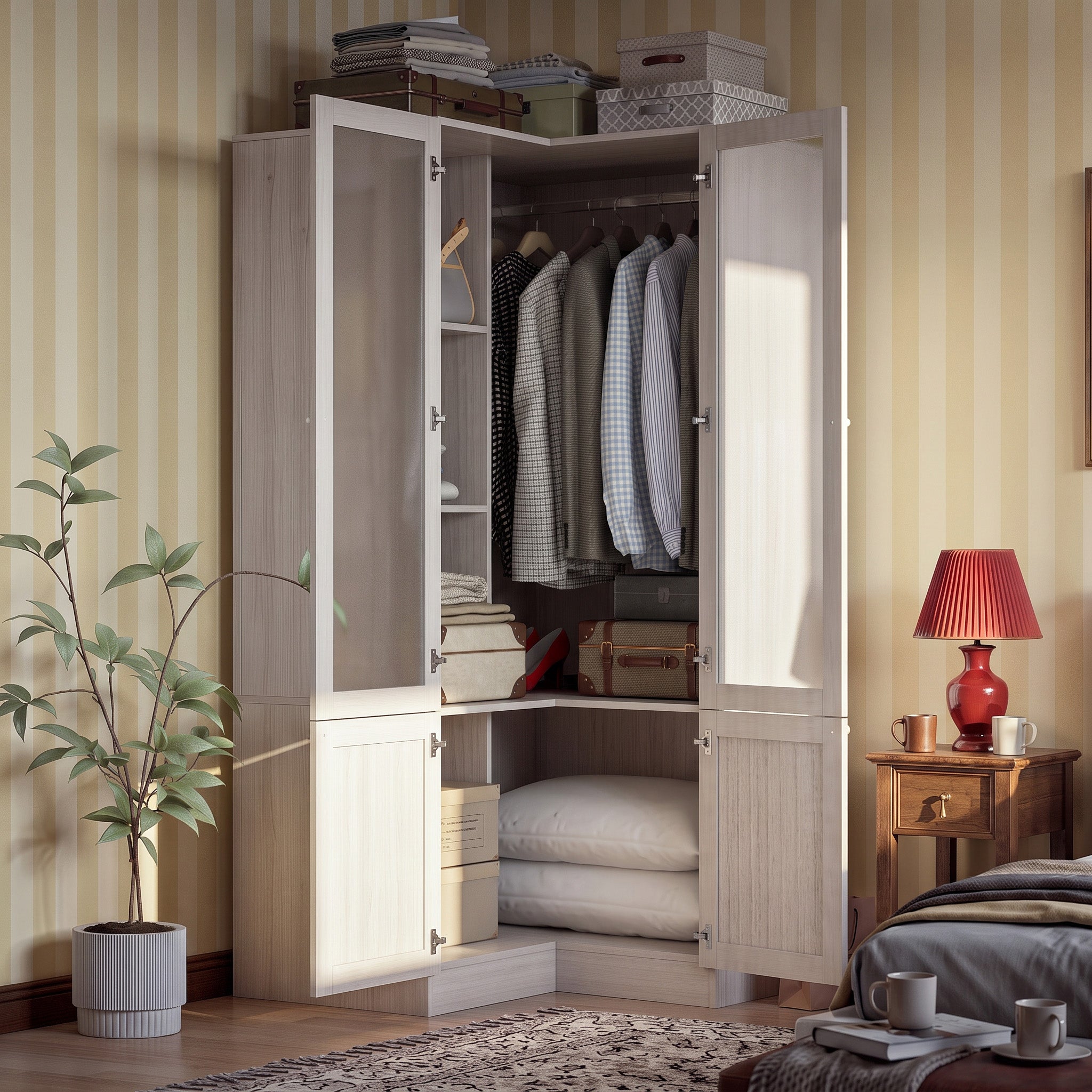
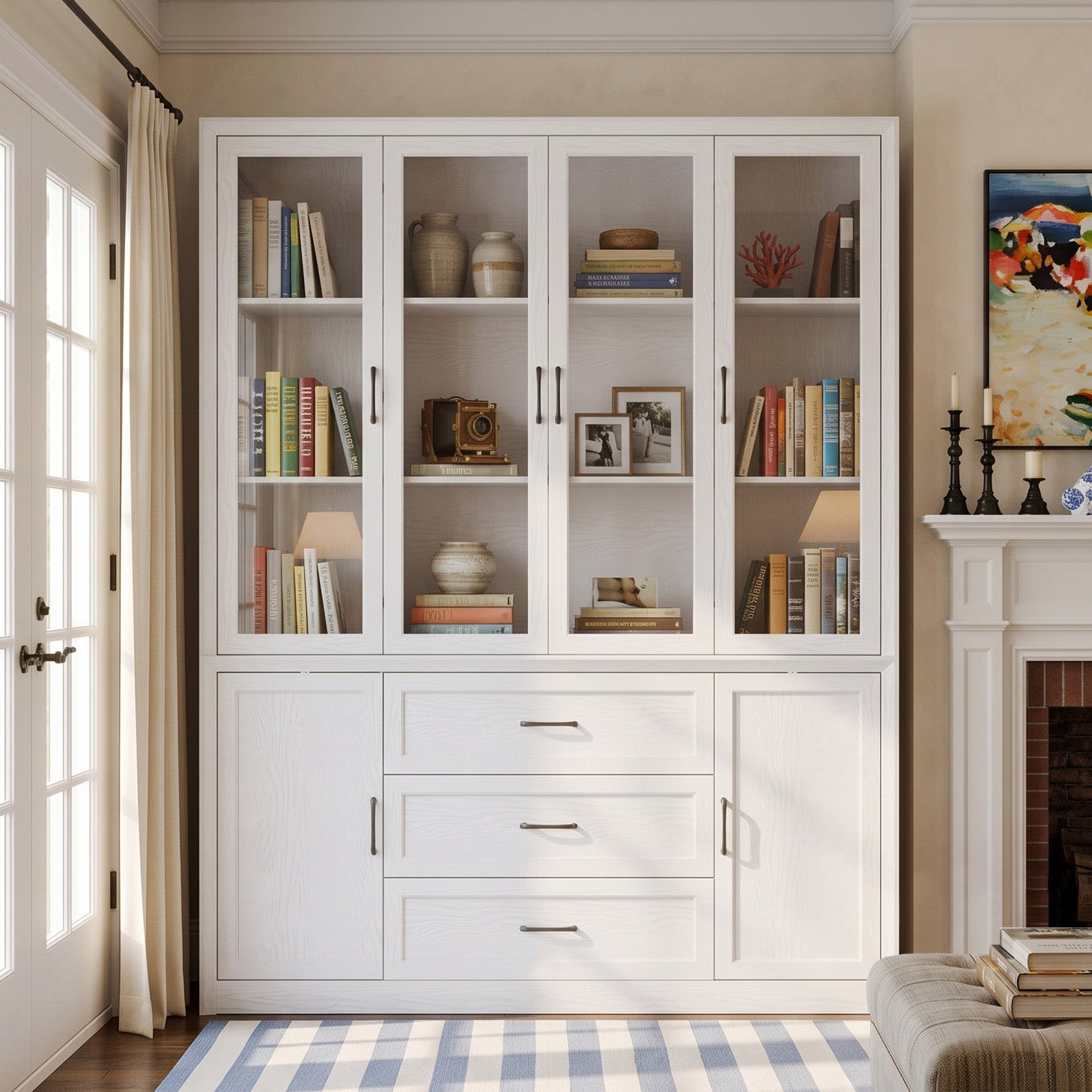


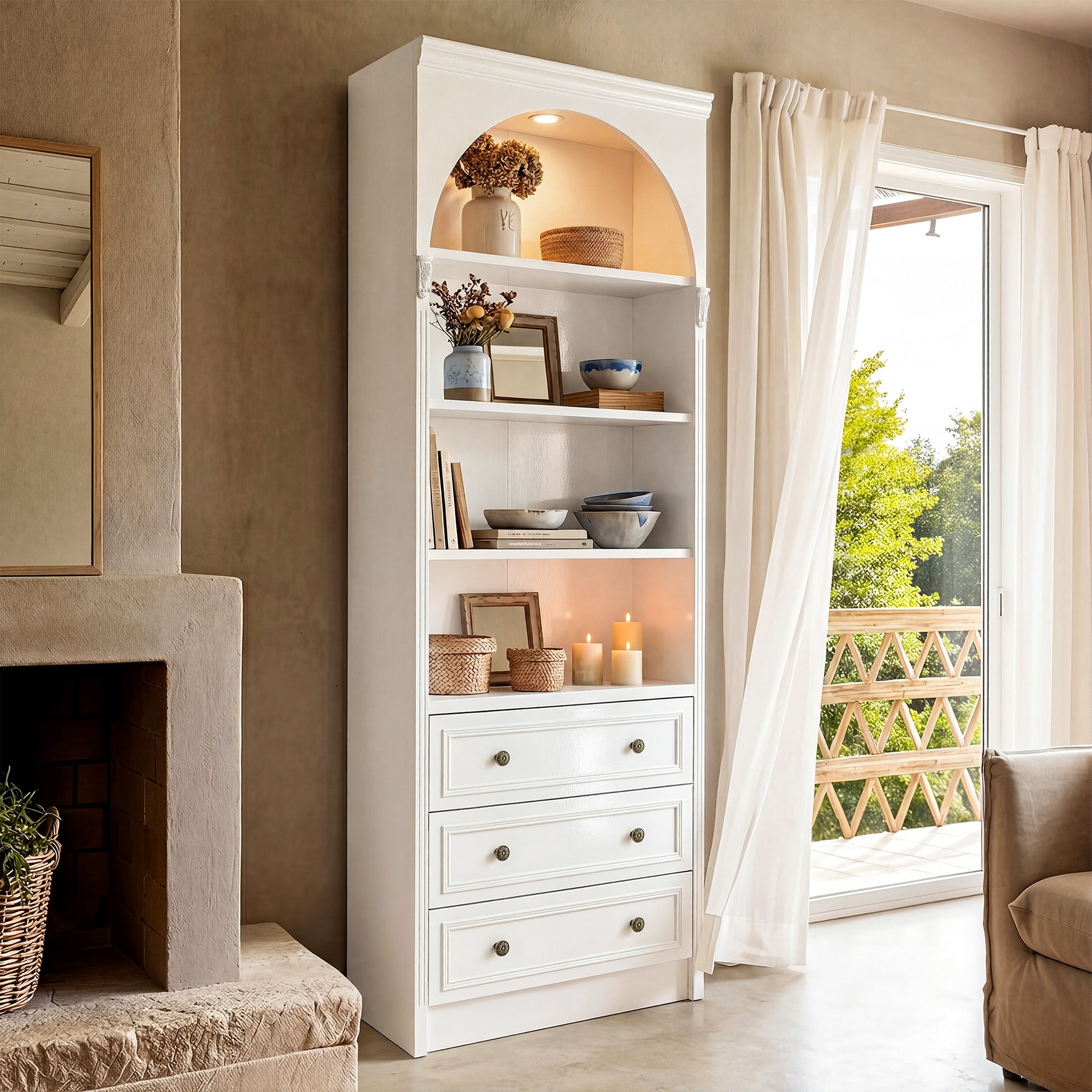
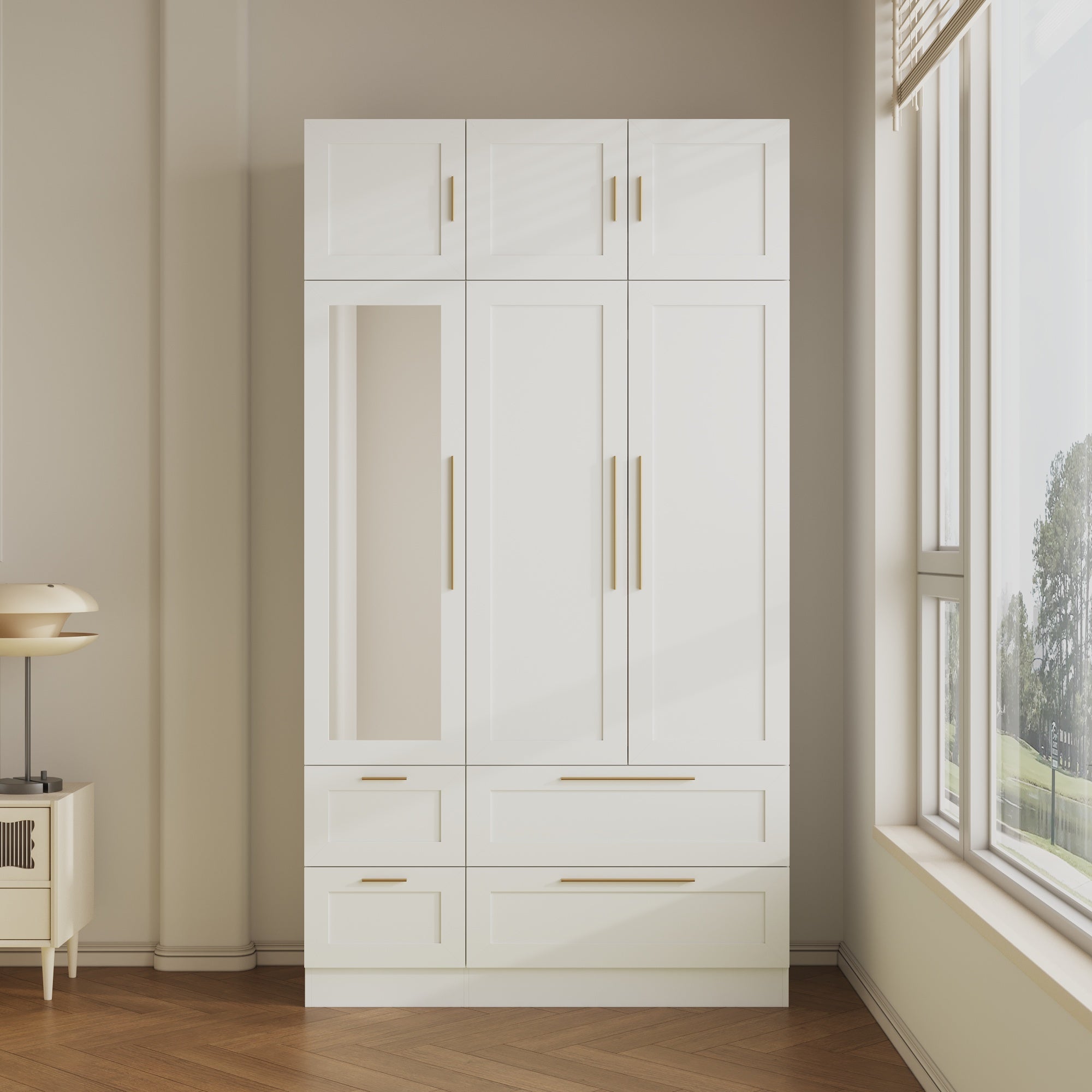
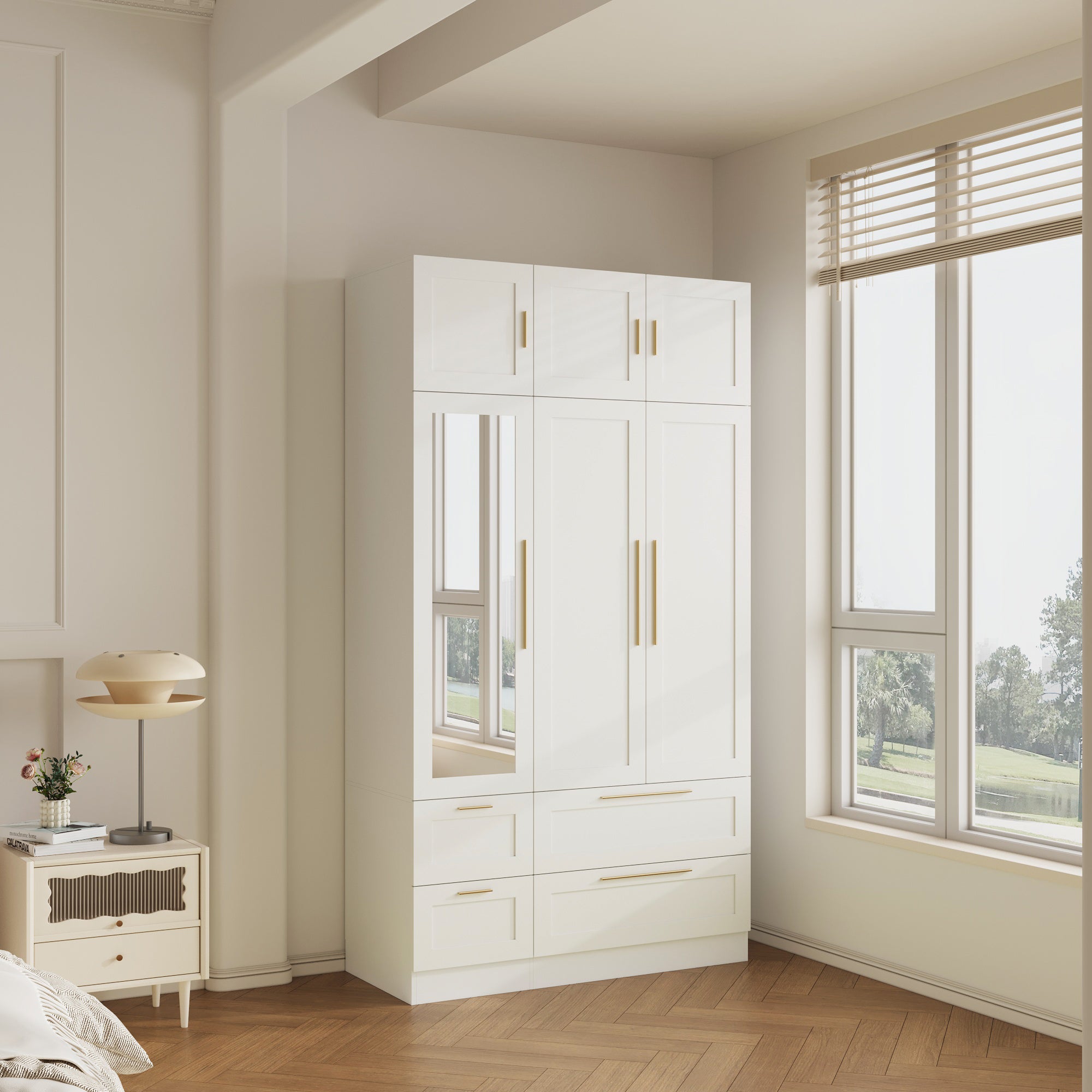
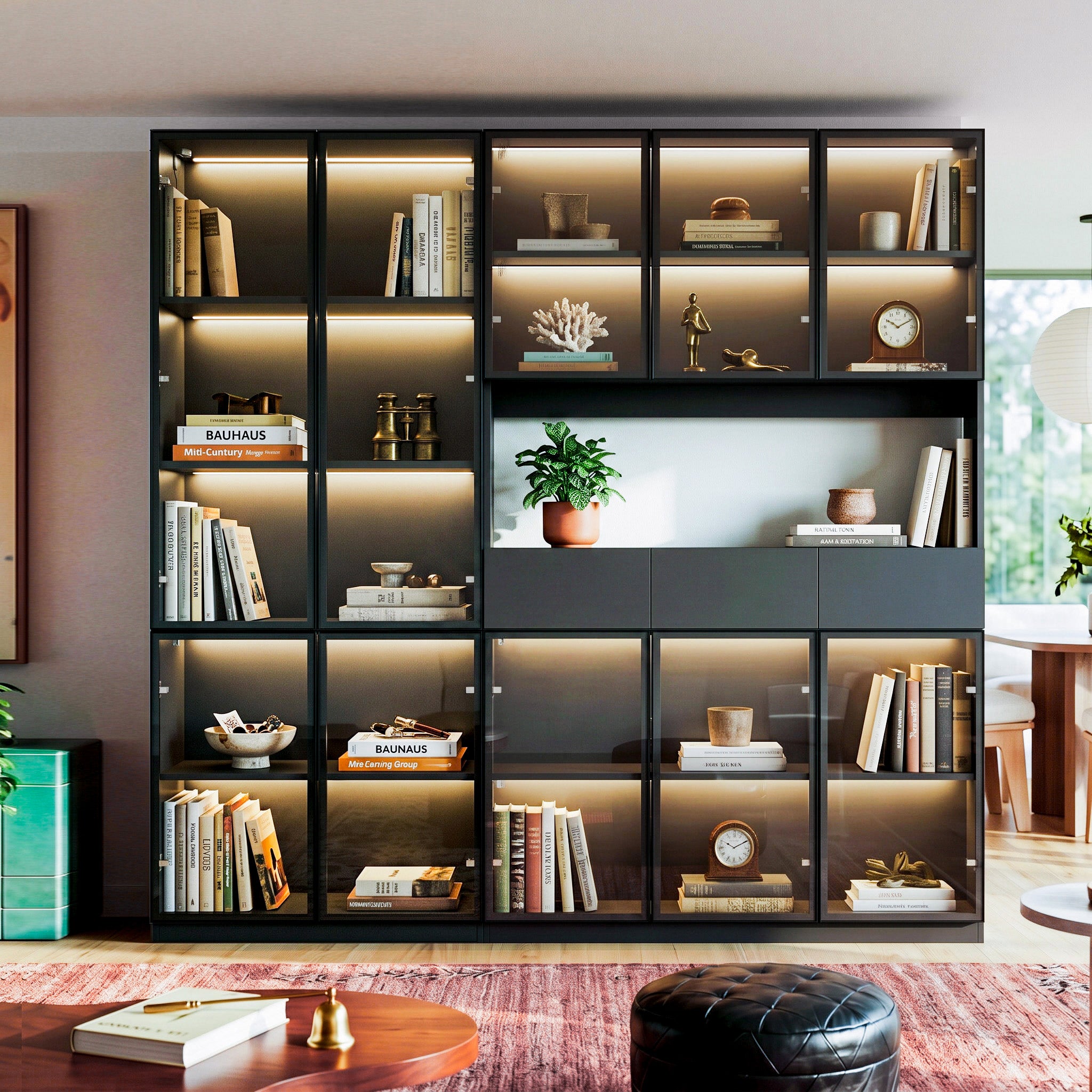
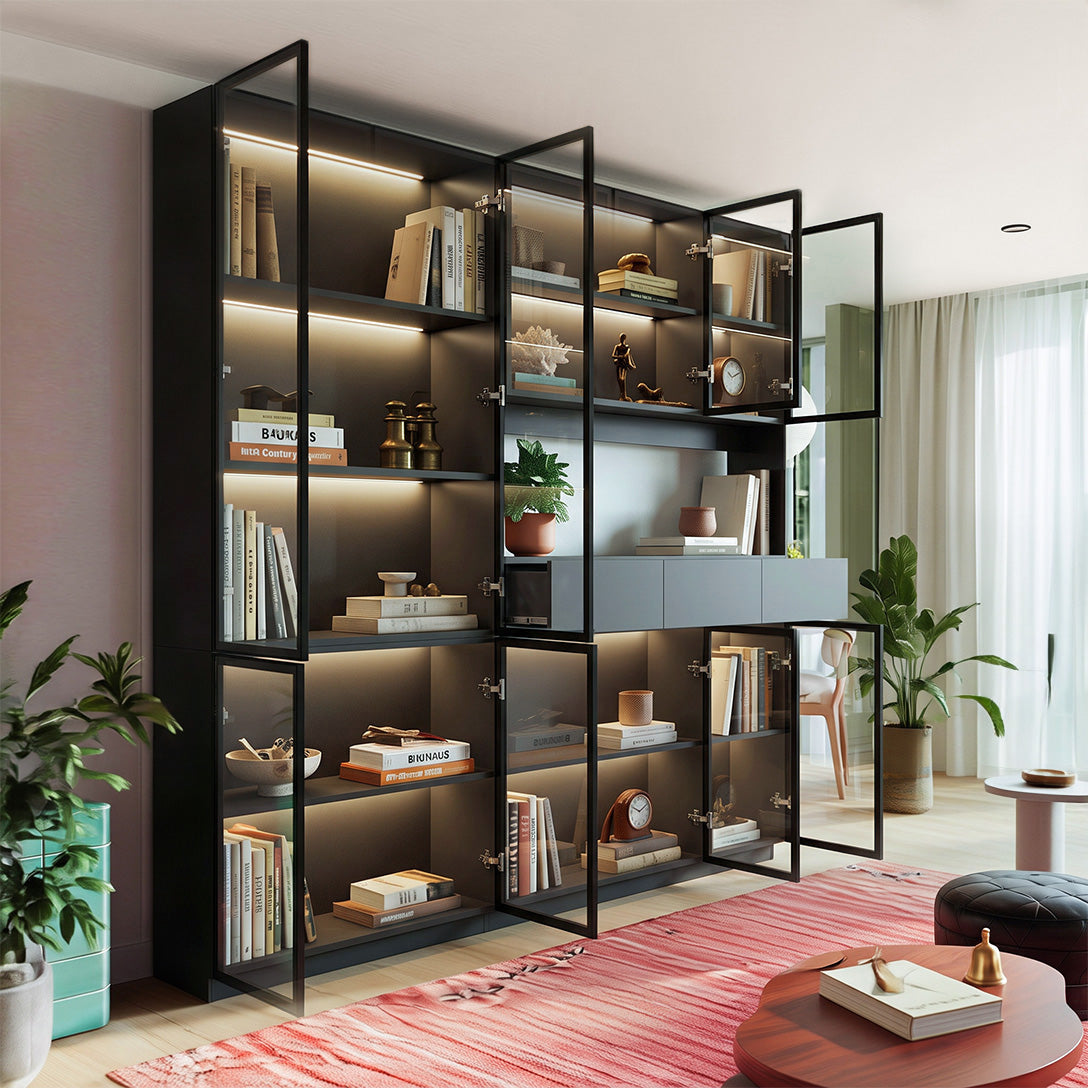
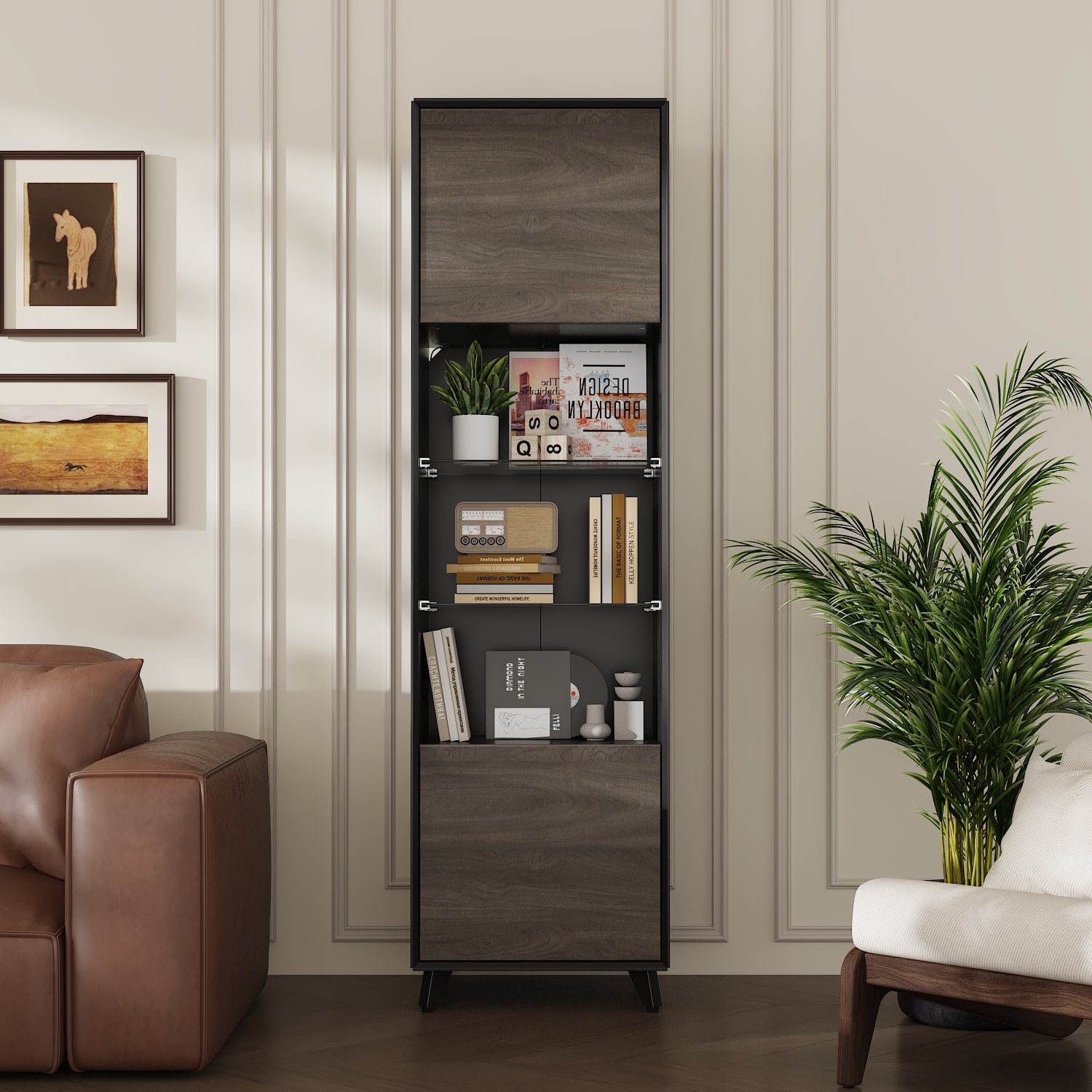
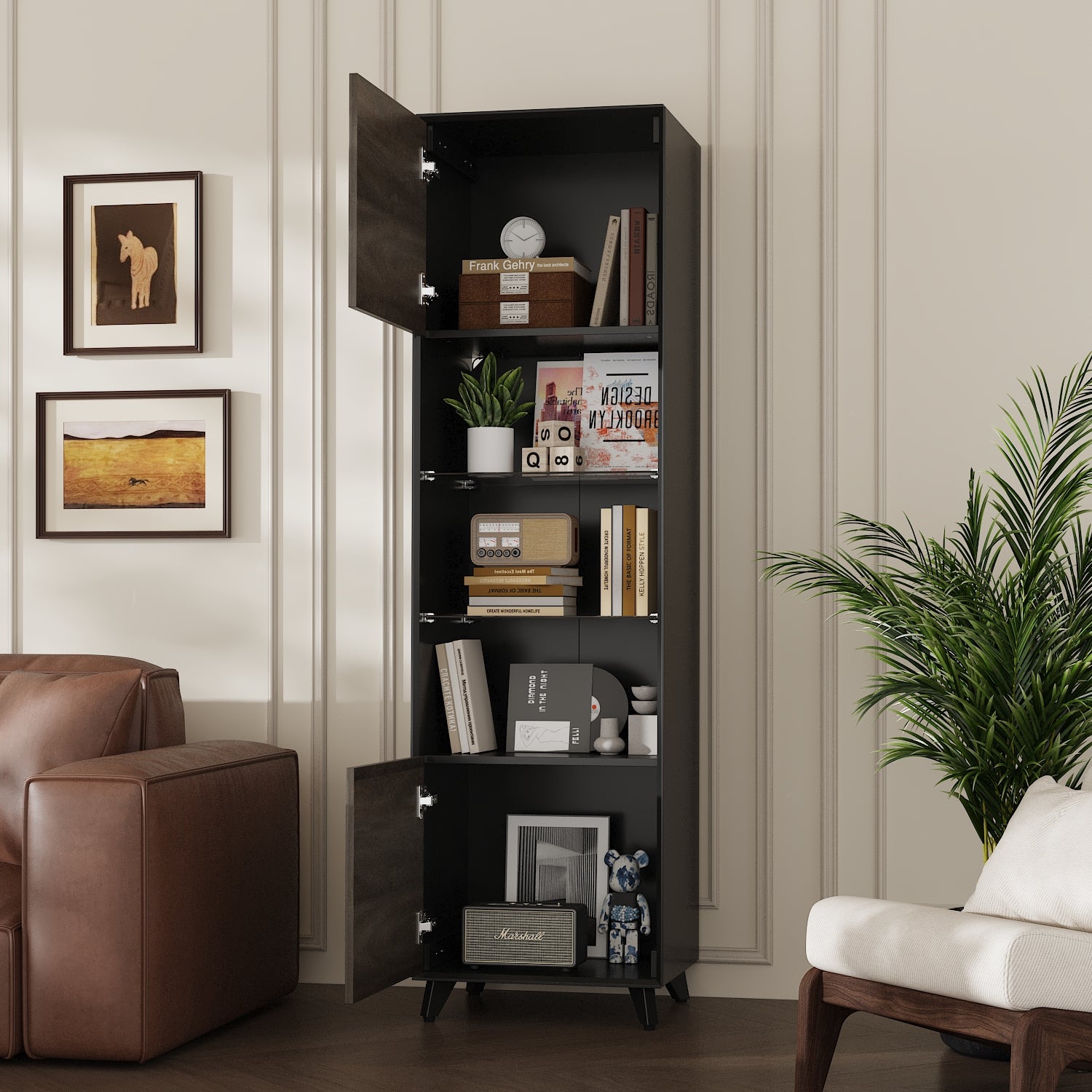

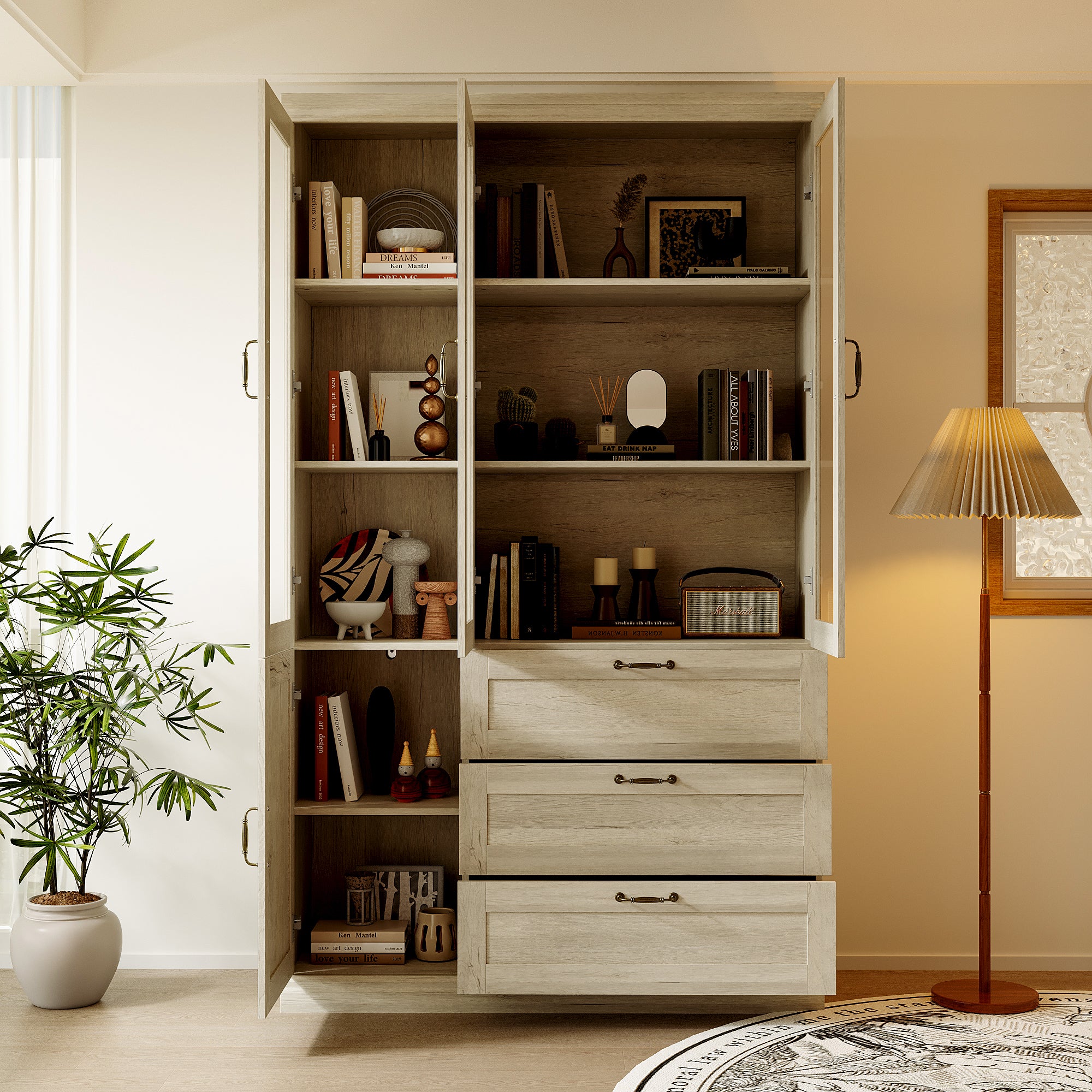


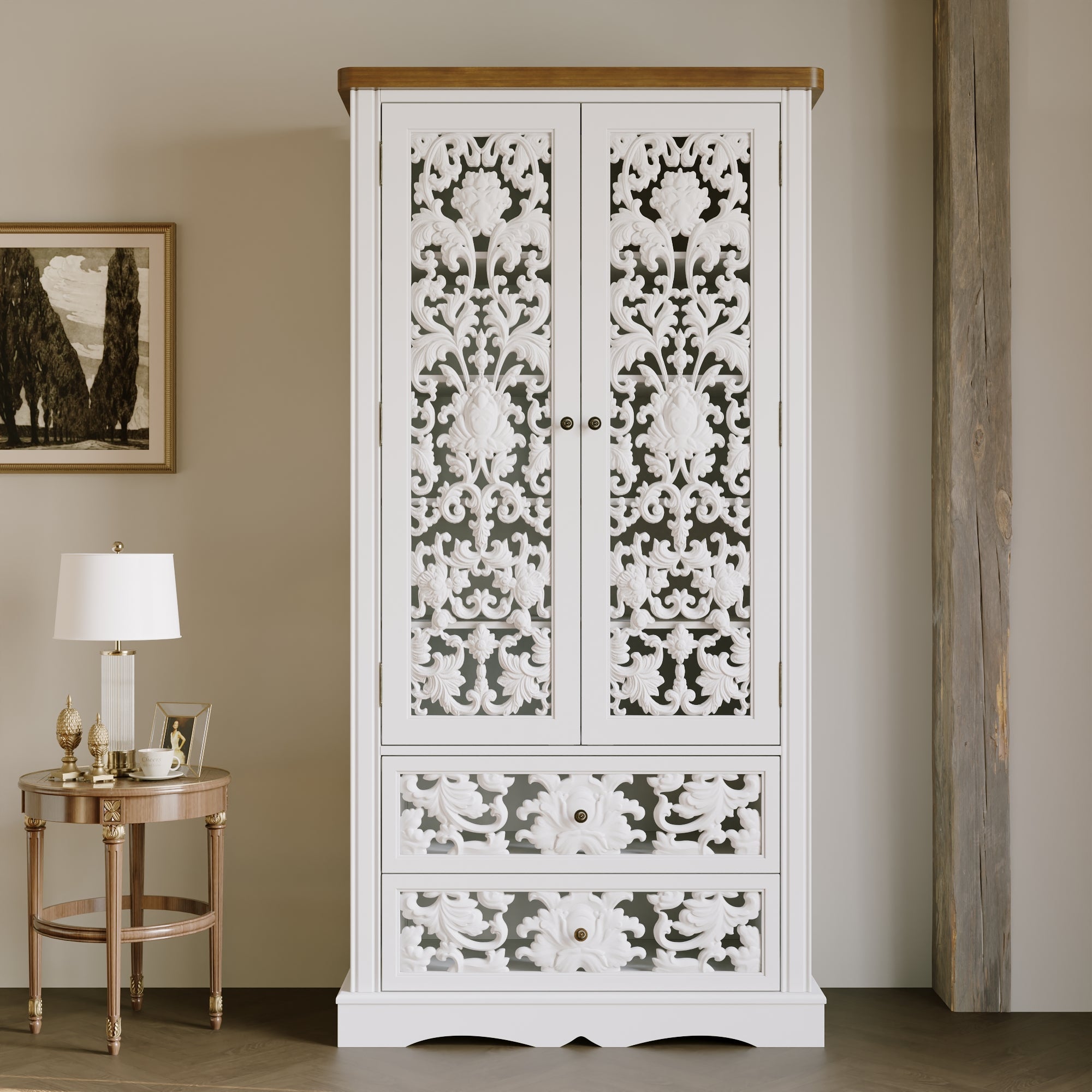
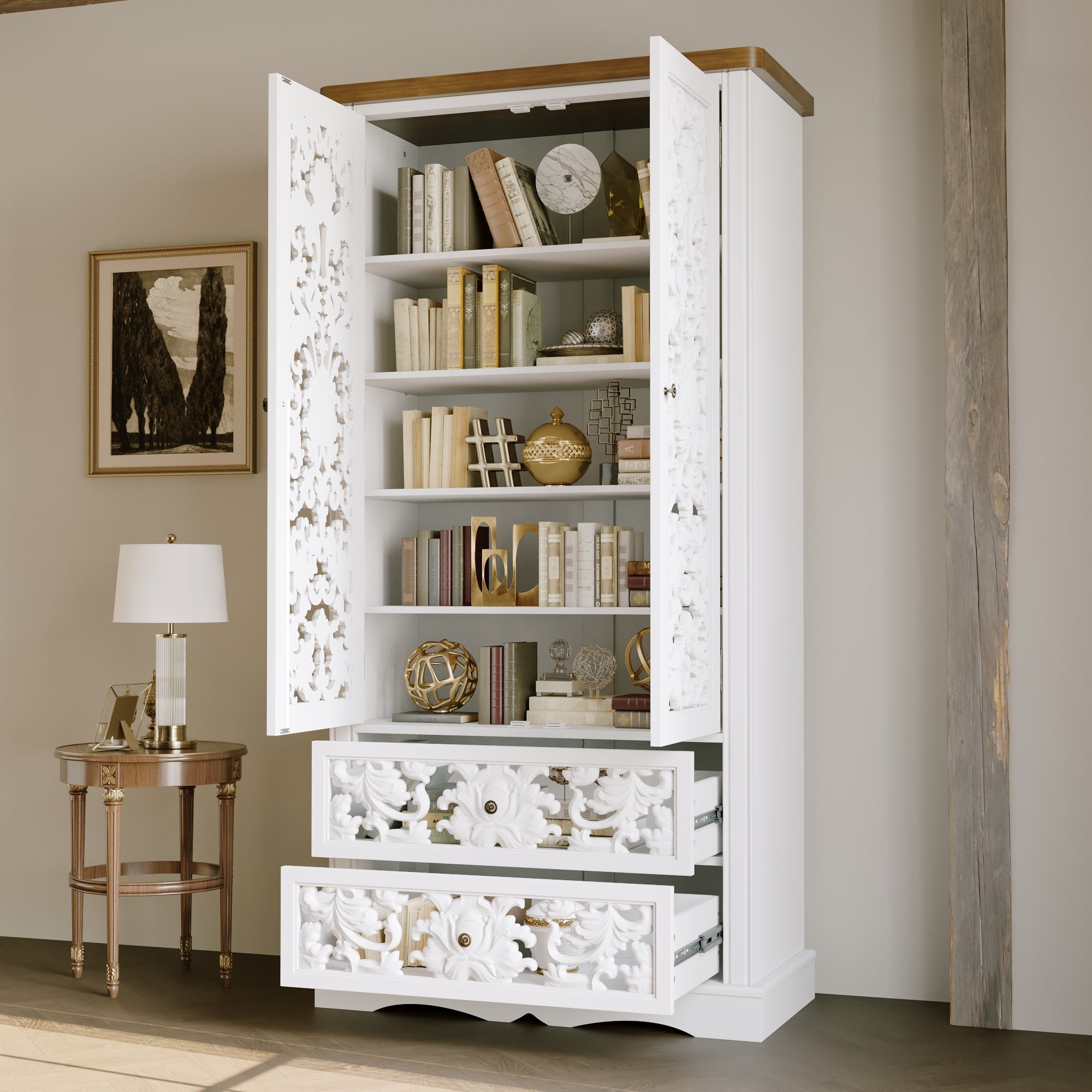
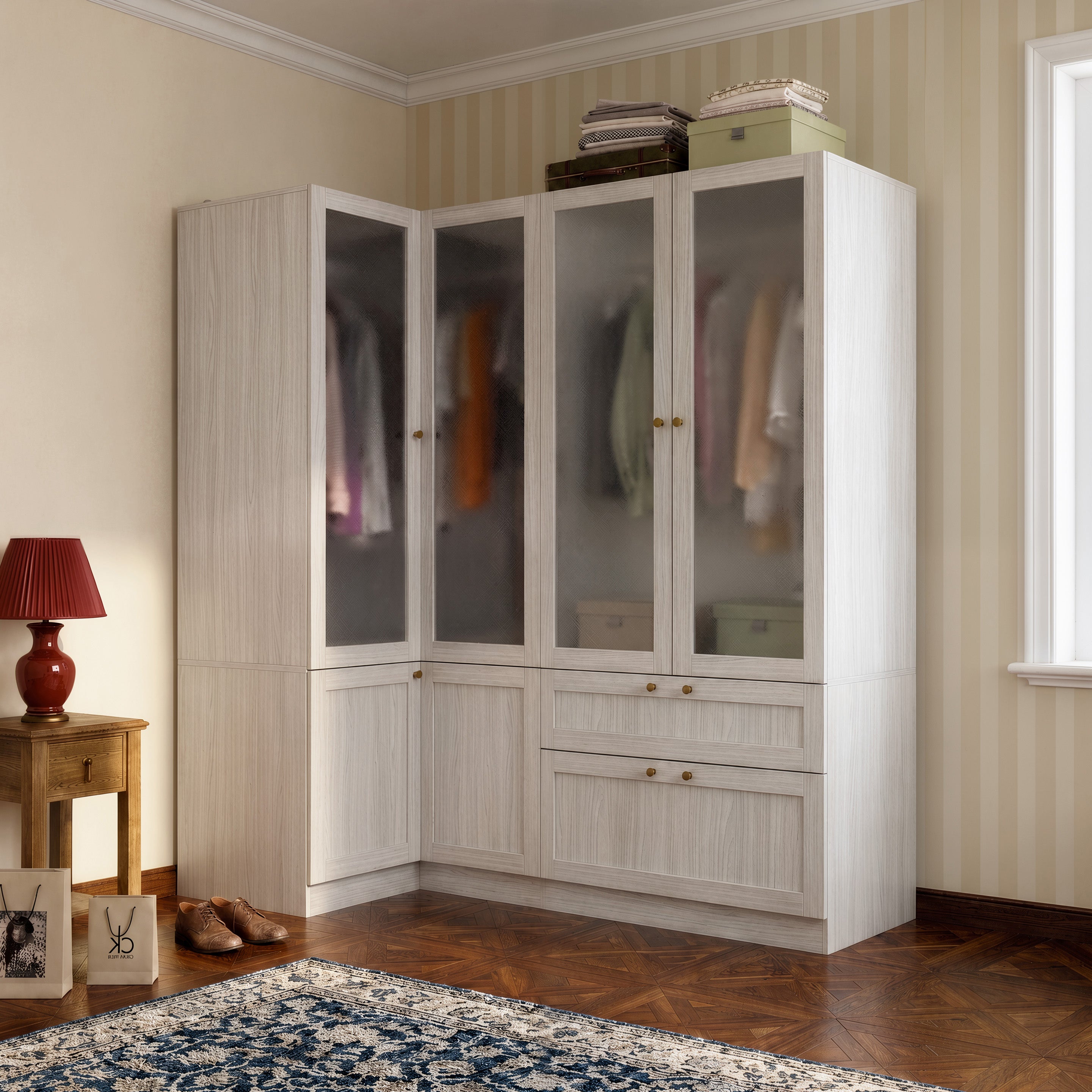
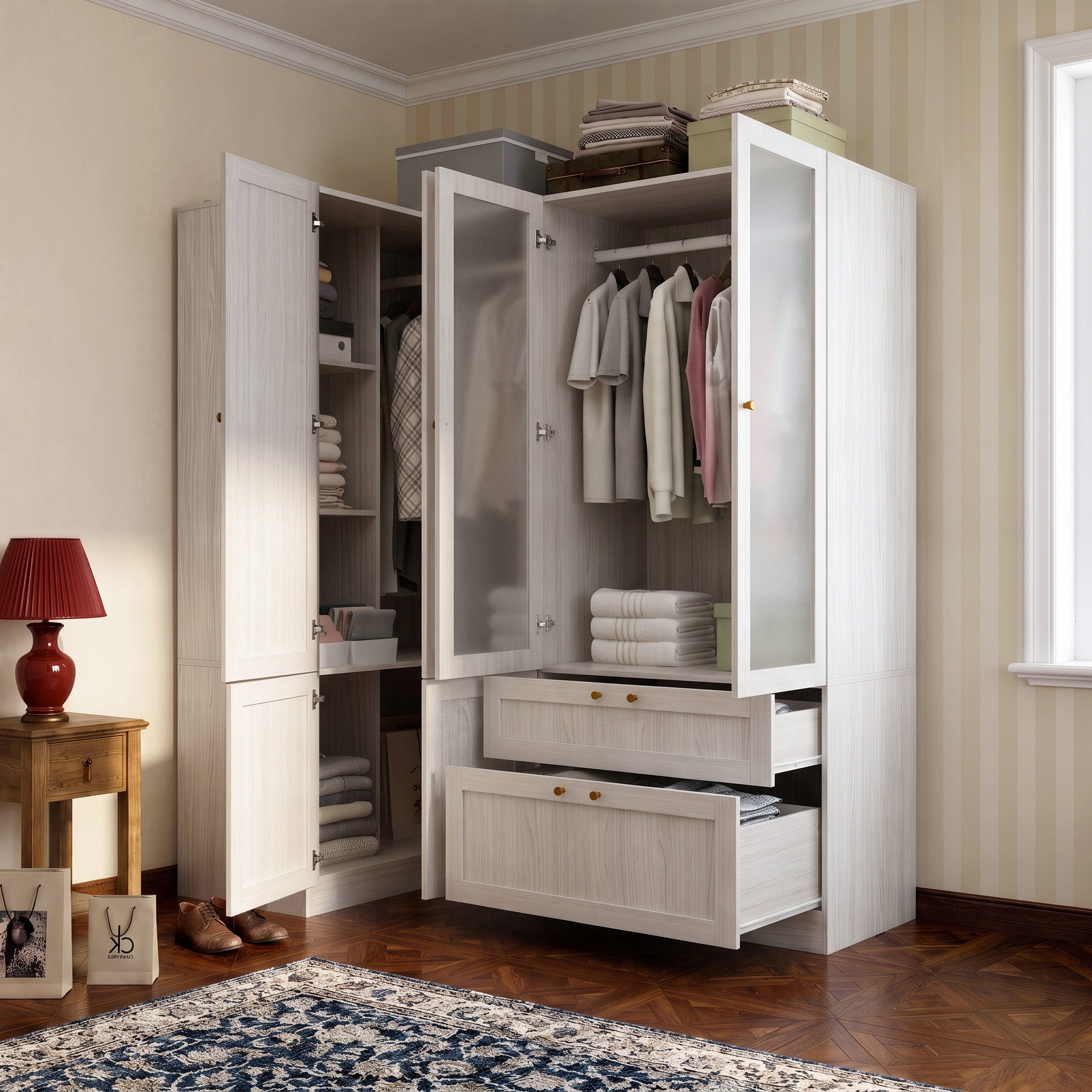
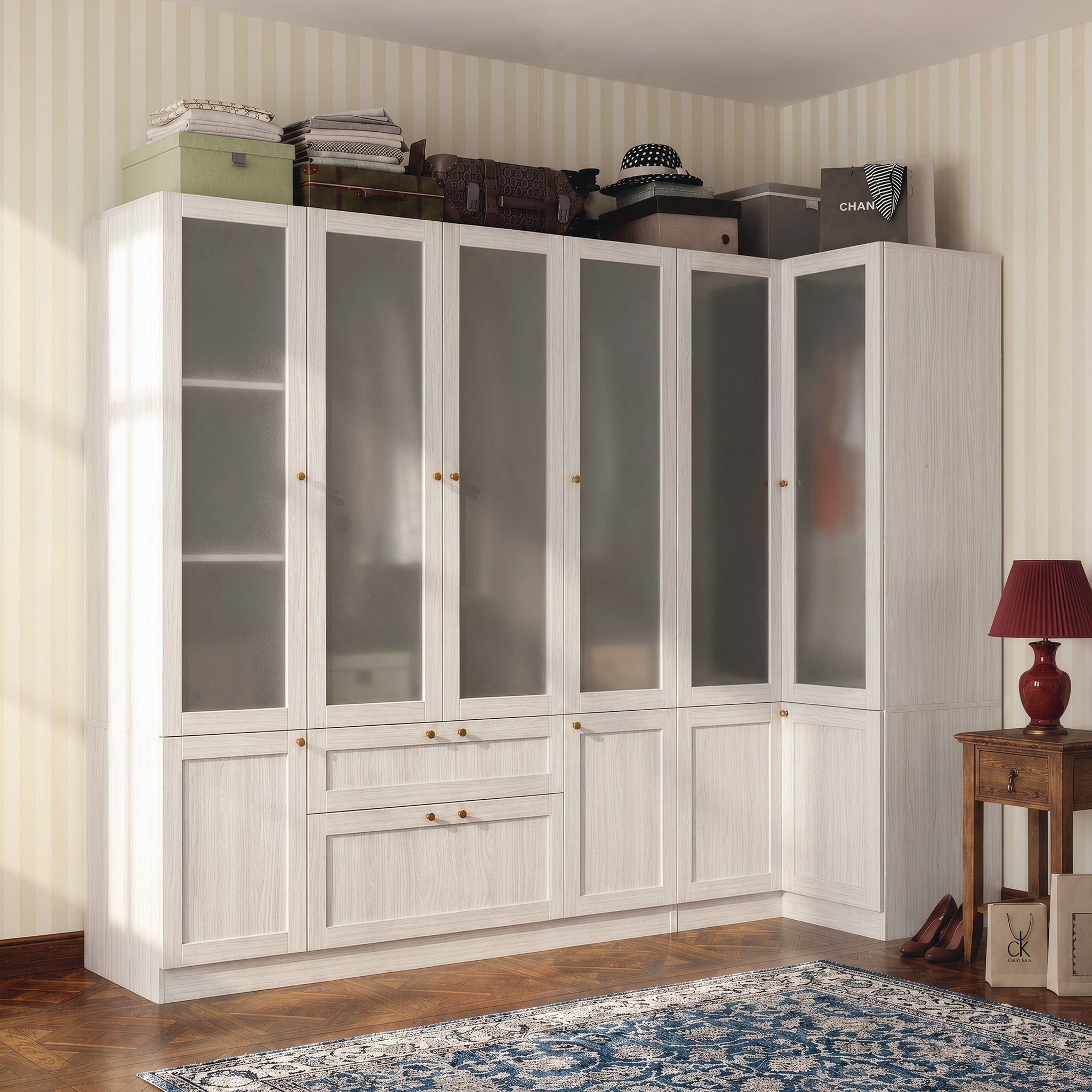
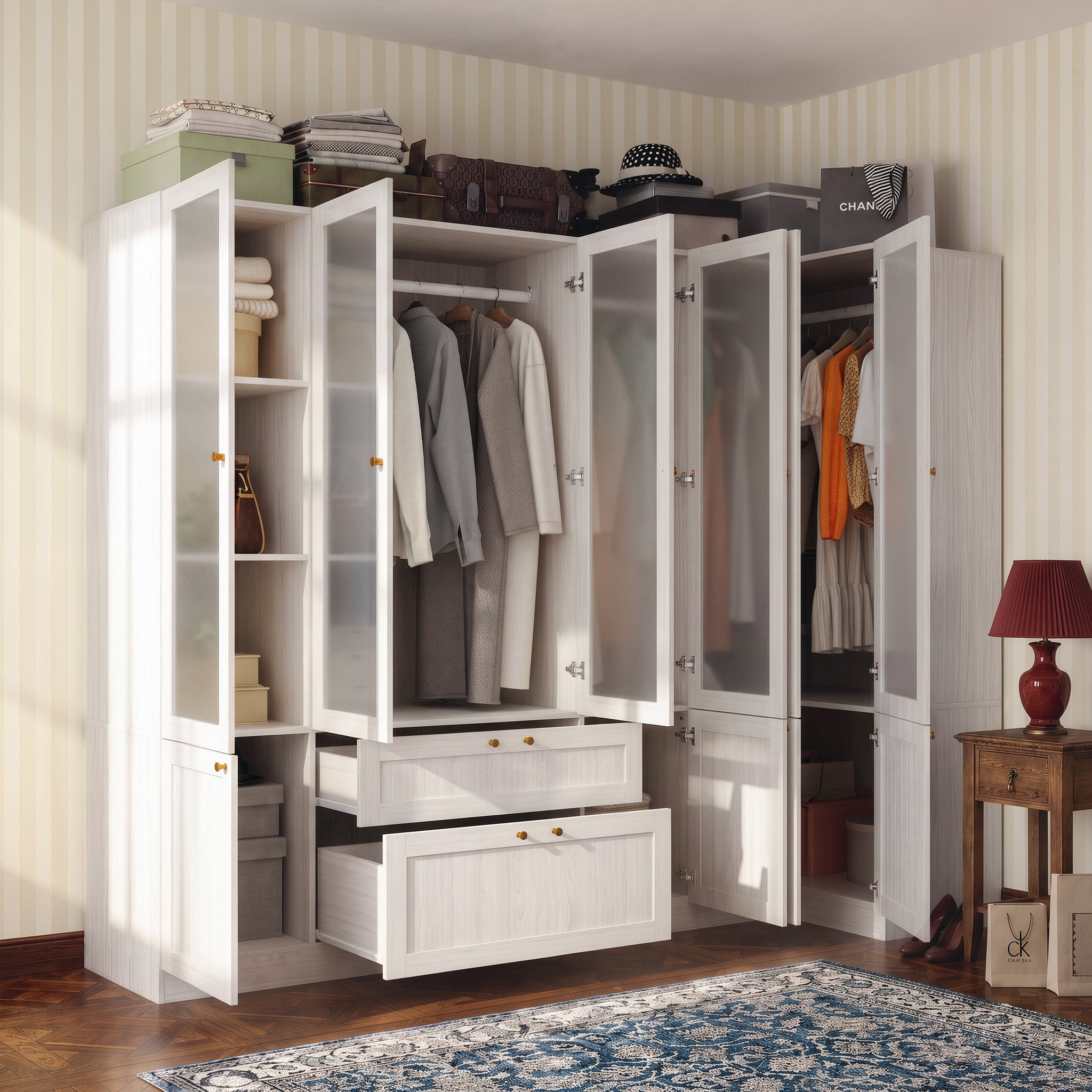
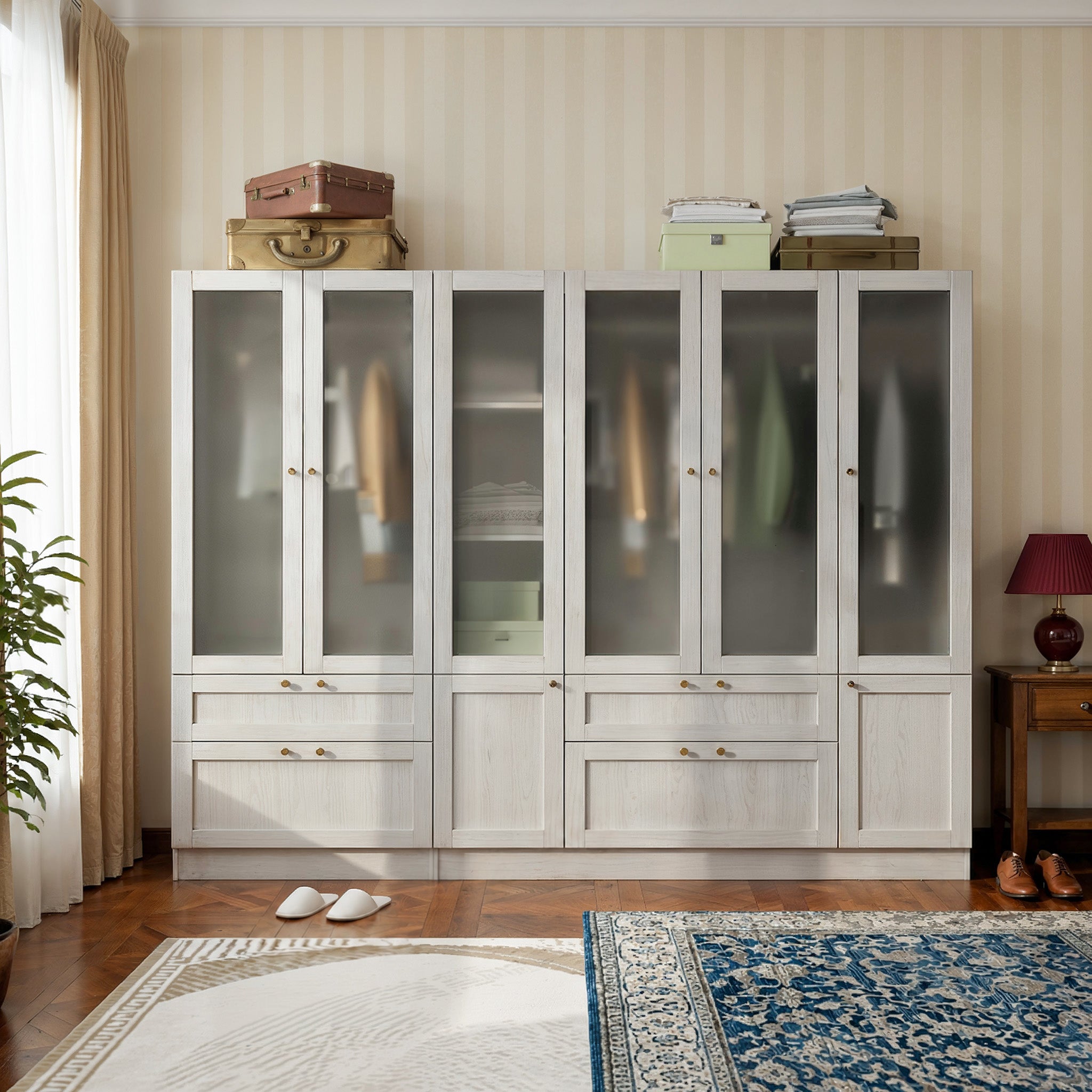
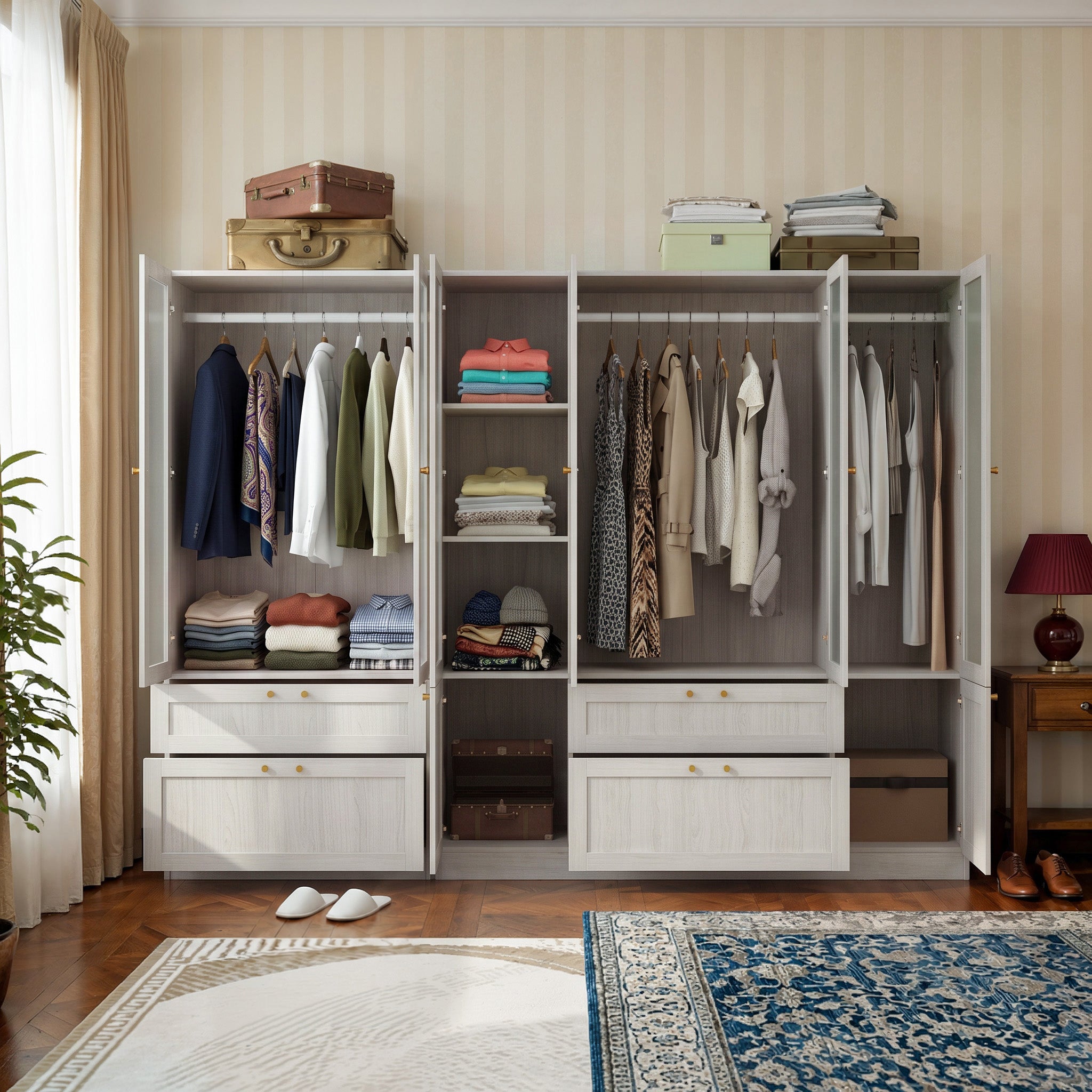
Whether you're reorganizing a cluttered living room or looking for smarter ways to manage your dining area, modular storage cabinets offer one of the most versatile and design-forward solutions on the market today. Unlike traditional built-ins or standalone furniture, modular systems let you configure, expand, and adapt your storage as your lifestyle evolves.
What Are Modular Storage Cabinets?
Modular storage cabinets are individual units designed to work together as a system. Each piece — whether a base cabinet, open shelf, drawer unit, or hutch — is built to connect or stack with other components from the same line. The result is a fully customized storage wall or freestanding arrangement that looks intentional and polished, not pieced together.
Modular storage units come in an enormous range of styles, sizes, and finishes. From sleek, minimalist designs in white lacquer to warm, craftsman-style pieces in solid walnut or oak, there's a system to match virtually any interior aesthetic. The flexibility of mix-and-match configurations is what sets them apart from conventional cabinetry.
Why Choose Modular Storage Furniture?
Modular storage furniture delivers several advantages over fixed cabinetry or one-size-fits-all shelving:
Scalability. Start with a single unit and add more as your needs grow. Moving to a larger home? Bring your system with you and reconfigure it to fit the new space.
Customization. Choose the combination of open shelves, closed doors, drawers, and display sections that works for how you actually live. Hide what you want hidden, display what you want showcased.
Cost-efficiency. Instead of paying for a complete custom build upfront, you can invest incrementally — buying additional modules over time as your budget allows.
Resale and adaptability. Freestanding modular systems can be repurposed as your needs change, complementing more traditional pieces like armoires and wardrobes. A media console can become a home office credenza; a bedroom storage tower can migrate to a mudroom.
Wood Modular Storage: The Timeless Choice
Among the most popular material options, wood modular storage remains the go-to for homeowners seeking warmth, durability, and classic appeal. Solid hardwoods like oak, maple, and walnut bring natural grain variation and age beautifully over time. Engineered wood and MDF options offer a more budget-conscious entry point while still delivering a refined look.
When shopping for wood modular storage, pay attention to:
Joinery quality. Dovetail joints and mortise-and-tenon construction signal higher-quality craftsmanship. Cam-lock systems, common in flat-pack furniture, are more affordable but may loosen over time.
Finish consistency. In a modular system, you'll often add pieces over months or years. Verify that the manufacturer maintains consistent finish batches or offers touch-up options.
Wood species and grain direction. For a cohesive look, try to source modules from the same production run or request swatches before purchasing additional units.
Pottery Barn Modular Storage: A Benchmark for Quality and Style
When it comes to stylish, high-quality modular systems for the home, Pottery Barn modular storage has become a widely recognized benchmark. The brand's modular lines — most notably the Modular System and the Entryway Collection — are designed around clean proportions, solid construction, and a neutral palette that complements a broad range of interior styles.
Pottery Barn modular cabinets are typically crafted from kiln-dried hardwood and hardwood plywood, offering durability that stands up to daily use. Their modular lines often include base cabinets with adjustable shelving, tower units, hutch toppers, and specialized inserts for things like charging stations, file drawers, or wine storage.
Pottery Barn storage units are particularly well suited for homeowners who want a curated, coordinated look without the expense of fully custom cabinetry. Because each component within a line is designed to work together, you can build out an entire wall of storage that looks architecturally integrated rather than assembled from disparate pieces.
Key features that make Pottery Barn a popular choice include:
- Consistent finish options (including painted, white, navy, and natural wood tones) that allow seamless expansion over time
- A range of sizing from compact apartment-friendly modules to large floor-to-ceiling configurations
- Options for open shelving, glass-front doors, solid panel doors, and drawer combinations
- Hardware in brushed nickel, antique brass, and matte black to coordinate with existing fixtures
That said, Pottery Barn sits at a premium price point. If budget is a primary concern, brands like IKEA (PAX and BESTA systems), West Elm, Crate & Barrel, and Room & Board offer comparable modular approaches at various price tiers.
Modular Dining Room Storage: Function Meets Elegance
The dining room is one of the most underserved spaces when it comes to storage planning. Yet it's also one where thoughtful organization makes a tangible difference in how a home functions — from storing table linens and serving pieces to housing a bar cart's worth of glassware and bottles.
Modular dining room storage solves this by letting you build a buffet, sideboard, or full hutch arrangement that fits your specific space and collection. A typical modular dining configuration might include:
Lower base cabinets for concealed storage of bulky items like platters, mixing bowls, and seasonal table settings. Deep drawers work especially well for linens and napkins.
Open upper shelves or glass-front cabinets for displaying fine china, glassware, decorative objects, or curated collections on bookcases and display cabinets. Upper hutch units that sit atop lower buffet cabinets create the look of a built-in without the permanent commitment.
Bar or display modules with wine glass racks, bottle storage, or stemware dividers for homes that entertain frequently.
When configuring modular dining room storage, consider the visual weight of the arrangement relative to your table and chairs. A floor-to-ceiling configuration works well in rooms with high ceilings and generous square footage; in smaller spaces, keeping the storage at a consistent 36–42 inch counter height maintains an open, airy feel.
Tips for Choosing the Right Modular System
Measure twice, plan three times. Before purchasing any modular storage unit, map out your wall dimensions, noting doors, windows, outlets, and vents. Many brands offer online room planners or downloadable planning grids to help you visualize configurations.
Think in zones. Group modules by function — display, concealed storage, drawers — and arrange them in a way that makes intuitive sense for how you access items daily.
Mix open and closed. A combination of open shelves and closed cabinet doors creates visual rhythm while also giving you the flexibility to display curated items while keeping everyday clutter out of sight.
Consider the flooring and ceiling. Toe kicks on base cabinets help a modular system feel intentional rather than freestanding. If ceiling height allows, adding upper units or filler panels to run storage to the ceiling dramatically increases both storage capacity and visual impact.
Plan for growth. Choose a modular line that has remained in production for several years and shows no signs of being discontinued. This protects your investment and ensures you can add matching units down the road.
Final Thoughts
Modular storage cabinets represent one of the most practical and design-forward investments you can make in your home. Whether you're drawn to the warmth of wood modular storage, the curated aesthetic of Pottery Barn modular cabinets, or simply need a flexible solution for modular dining room storage, the key is to choose a system built with quality materials and a consistent design language that will serve you for years to come.
The best modular storage furniture doesn't just store your belongings — it organizes your space, expresses your style, and adapts as your life changes. Take the time to plan thoughtfully, and you'll end up with a result that feels as considered and permanent as any custom built-in.
Which Product Is Right for You?
Compare key features side by side and find the right fit.