










The Dynamic Seated Workstation: Why Desk Clearance Enables Daily Movement
Remaining stationary throughout long working sessions often leads to physical tension and sluggishness. Incorporating structured physical activity directly from an office chair offers a practical approach to staying active without disrupting daily workflow. Successfully executing exercises for sitting at desk all day depends heavily on physical room geometry, particularly the unobstructed envelope beneath the primary work surface.
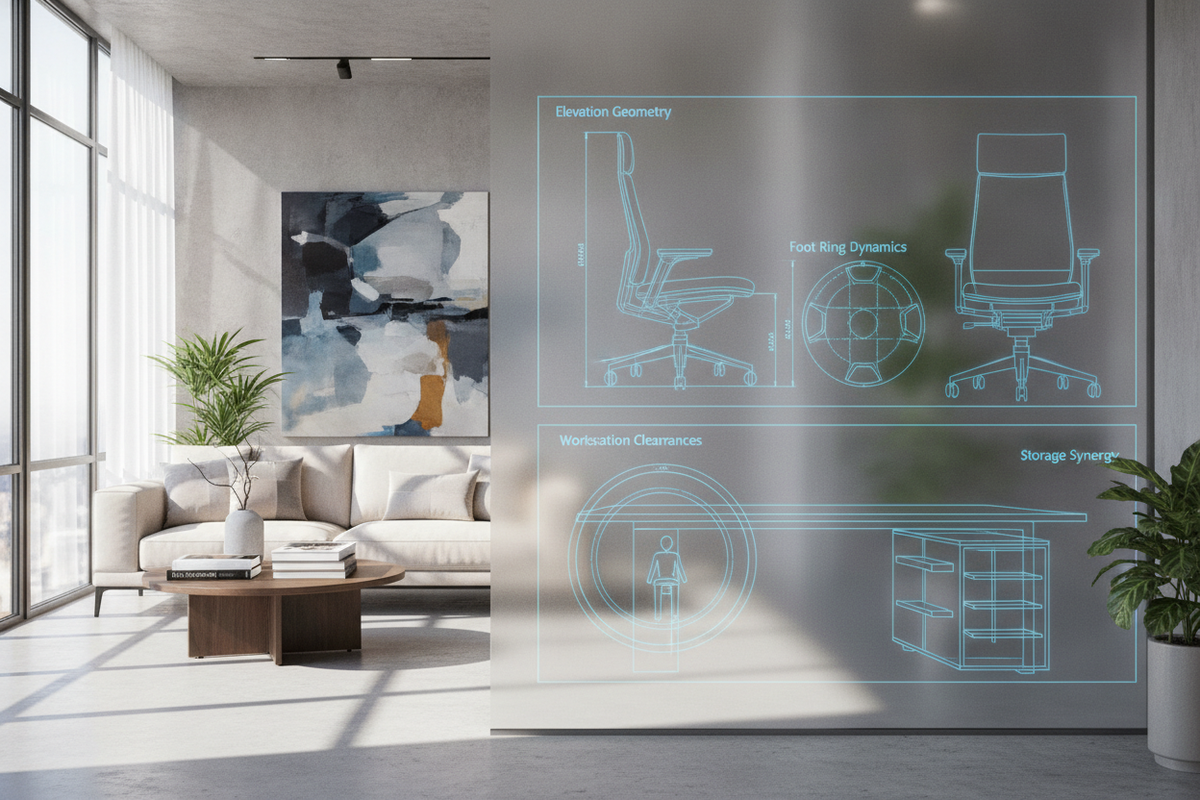
When selecting a workstation, considering the open span beneath the tabletop is essential for accommodating leg extension and knee movement. A spacious foundation, such as the all desk product, establishes a broad clearance zone free from bulky low-hanging center drawers, giving the legs sufficient room to perform deliberate movement sequences comfortably.
Lower-Body Seated Kinetic Routines: Legroom Dynamics and Foot Envelopes
Seated lower-body mobility routines focus on gentle joint articulation and muscle activation while remaining positioned in an office chair. Performing these subtle movements throughout the day helps counteract prolonged stillness:
- Seated Calf and Shin Raises: Plant both feet flat on the floor, lift the heels upward to engage the calf muscles, hold momentarily, lower smoothly, and then lift the toes toward the shins while keeping the heels anchored.
- Under-Desk Leg Extensions: While seated tall, extend one leg forward until straight, pause briefly at parallel height to engage the quadriceps, and slowly return the foot to the floor before alternating sides.
- Ankle Mobility Rotations: Lift one foot slightly off the carpet or floor mat, tracing smooth circular motions in clockwise and counterclockwise directions to encourage ankle flexibility.
- Seated Glute and Hamstring Presses: Place the feet flat on the ground shoulder-width apart, gently pressing downward through the heels to engage the posterior chain without standing up.
These exercises to do when sitting at a desk all day require adequate forward depth and horizontal clearance. If wastebaskets, loose wiring, or low modesty panels block the footwell, range of motion becomes restricted, making dedicated under-desk spatial management a vital component of seated physical routines.
Upper-Body and Torso Mobility: Desktop Surface Stability and Postural Alignment
Maintaining spinal flexibility and upper-body comfort requires deliberate posture resets alongside lower-limb movement. A rigid, unencumbered writing surface provides a stable tactile reference point during seated stretching intervals. Integrating a structured desk all guide approach helps declutter active working zones, ensuring arms, shoulders, and wrists have ample room to stretch outward.
Seated Torso Rotations
Sit upright with an elongated spine, gently rotate the upper torso toward one side, resting the opposite hand against the outer thigh or the edge of the desk for light support, pause gently, and repeat in the opposite direction.
Scapular Retractions
Rest the forearms lightly on the desktop or chair armrests, draw the shoulder blades backward toward each other without shrugging the shoulders upward, hold the contraction briefly, and release smoothly.
Wrist and Forearm Flexor Resets
Extend one arm forward with the palm facing upward, gently guide the fingers downward using the opposite hand to stretch the inner forearm, and alternate with a downward-facing palm to stretch the outer wrist extensors.
Workstation Organization Archetypes: Keeping Mobility Zones Free from Clutter
Executing exercises to do when sitting at a desk all day becomes challenging when personal items, office accessories, and hardware encroach upon personal clearance zones. Harmonizing desk layout with dedicated storage keeps the primary seating footprint clear.
In multipurpose living areas or study suites, applying principles from a sitting desk guide allows the workstation to blend seamlessly with surrounding seating while keeping floor space open for movement. Similarly, organizing vertical space using comprehensive strategies found in a sitting guide shifts files, tech peripherals, and supplies away from the floor into wall-adjacent cabinetry, maintaining an open perimeter around the task chair.
Daily Movement Cadence: A Practical Decision Framework for Desk-Bound Days
Building consistent habits is easiest when pairing seated mobility sets with regular workday intervals. Balancing focused computer tasks with short physical resets creates a sustainable rhythm without breaking concentration:
- Morning Focus Interval: Begin the day by setting chair height so that feet rest flat, completing one round of ankle rotations and seated calf raises after reviewing initial morning tasks.
- Midday Posture Check: Perform scapular retractions and seated torso rotations between meetings to reset upper-body alignment and open the chest area.
- Afternoon Mobility Block: Complete alternating under-desk leg extensions and wrist flexor resets to refresh lower and upper limbs during prolonged writing or analysis periods.
- End-of-Day Spatial Reset: Clear paperwork, push peripheral cables into management channels, and return the under-desk footwell to an open state, ready for dynamic seated movement the following morning.


Leave a comment
This site is protected by hCaptcha and the hCaptcha Privacy Policy and Terms of Service apply.