










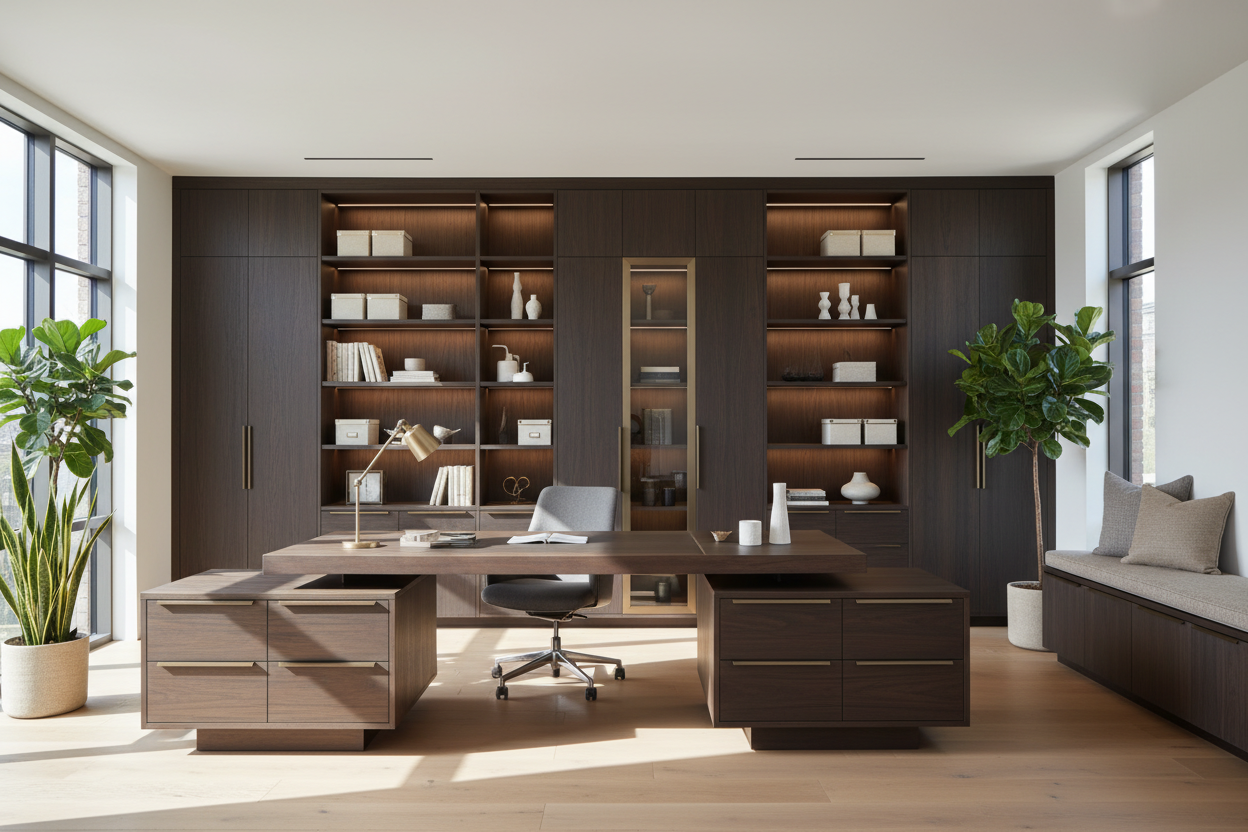
A chaotic desk is the quickest way to stifle creativity. As designers, we often see clients invest heavily in an ergonomic chair or a statement mahogany desk, yet they treat office storage as a utilitarian afterthought. This is a missed opportunity. The right cabinetry and shelving do not merely hide clutter; they define the architectural flow of the room and anchor the visual weight of your workspace. Whether you are curating a dedicated executive suite or carving out a niche in a living area, the goal is to balance accessibility with sophisticated concealment.
Key Features to Consider Before Buying
- Material Integrity: Distinguish between high-pressure laminate (durable, cost-effective) and wood veneer (rich texture, requires humidity control).
- Weight Capacity: Ensure the home office storage shelf is rated for heavy loads like design books or printer paper, not just decorative objects.
- Modularity: Look for systems that allow you to adjust shelf heights or add components as your filing needs grow.
- Hardware Quality: Test the drawer runners. Soft-close, full-extension glides are non-negotiable for a luxury feel and daily ease of use.
- Cable Management: Integrated grommets and hidden channels behind the unit are essential for maintaining a clean visual line.
Curating Materials and Visual Weight
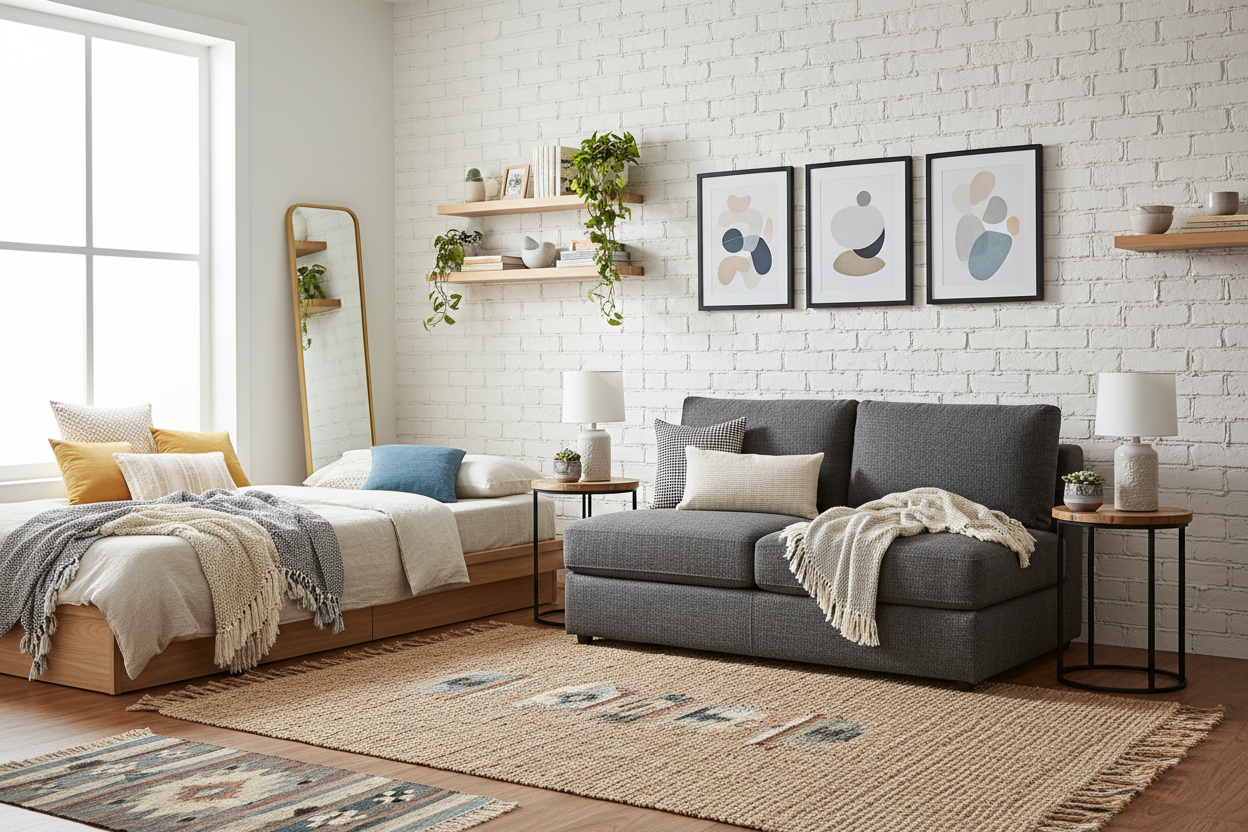
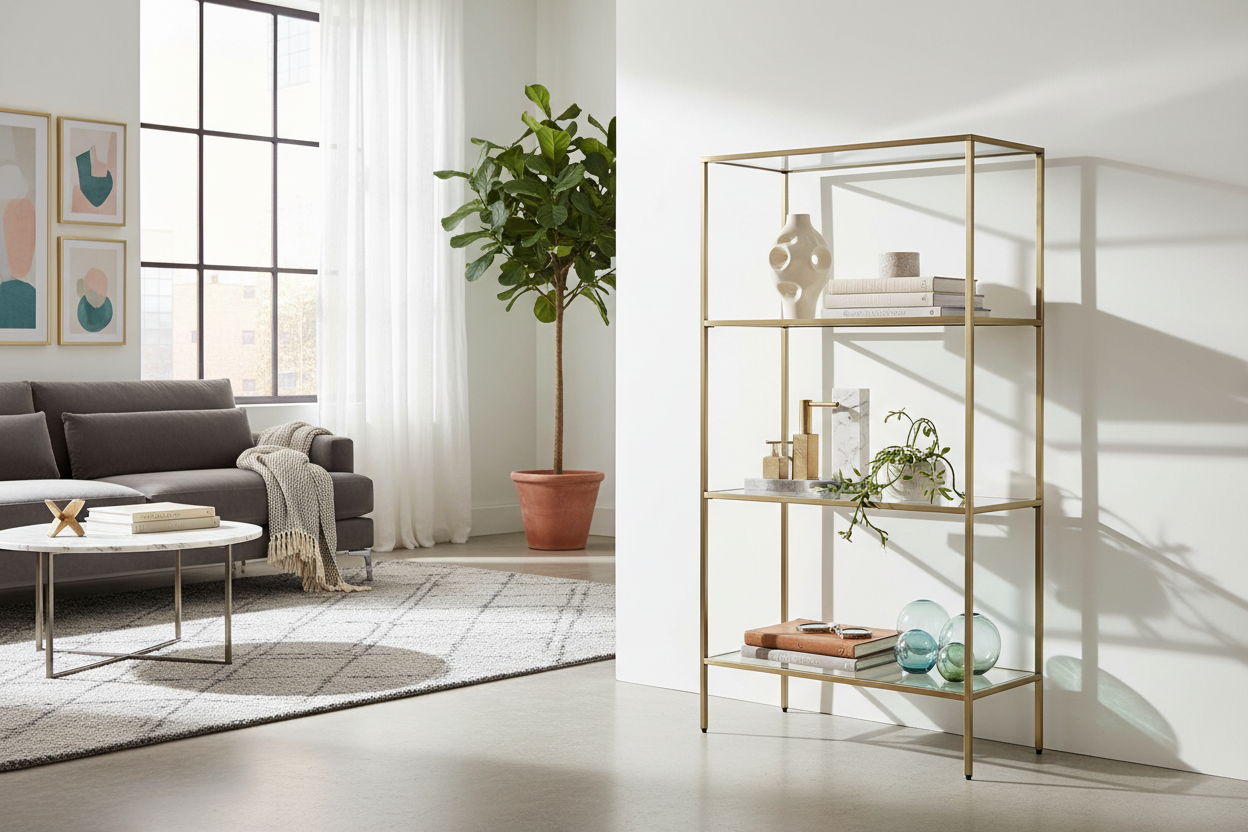
When selecting office units, consider the silhouette and how it interacts with the room's lighting. Heavy, dark wood cabinets can make a small room feel claustrophobic. For a lighter, more modern aesthetic, I often recommend floating units or pieces with slender metal legs to increase the visible floor area. This trick of the eye makes the room feel expansive.
If you are aiming for a warm, transitional look, walnut or white oak veneers offer a tactile quality that synthetic materials cannot replicate. However, be mindful of the finish. A matte or satin finish hides dust and fingerprints far better than high-gloss lacquer, which demands constant maintenance in a high-touch environment.
The Vertical Advantage: Shelving Strategies
Floor space is premium real estate. To maximize storage in office environments without crowding the circulation path, you must think vertically. Floor-to-ceiling joinery is the gold standard for a bespoke look, but modular home office storage shelves can achieve a similar effect if scaled correctly.
When styling these shelves, apply the "60/40 rule." Dedicate 60% of the space to functional storage (books, binders, boxes) and 40% to decorative negative space or curated objects. This prevents the "wall of stuff" effect that feels overwhelming.
Integrating Open vs. Closed Storage
A successful layout usually requires a hybrid approach. Use closed cabinetry for the unglamorous essentials—routers, surge protectors, and archival files. Reserve your open home office shelving and storage for items that inspire you or require frequent access. This dichotomy keeps the workspace looking curated rather than sterile.
My Personal Take on Office Storage
I learned a hard lesson about home office storage shelf depth early in my career during a renovation for a client in Tribeca. We ordered a stunning, custom Italian shelving unit that looked incredible on the floor plan. However, I hadn't accounted for the specific "cable bend radius" of the client's high-performance printer.
When we pushed the printer back, the power cord required an extra two inches of clearance that the shallow shelf didn't provide. The printer hung awkwardly over the edge, ruining the sleek silhouette we paid thousands for. Now, I always measure the equipment plus the plug depth before specifying a unit. It’s those unpolished, practical details—like checking if a drawer can actually fit a legal-sized file tab without bending it—that determine if a piece of furniture is a joy or a nuisance to live with.
Conclusion
Investing in quality storage is an investment in your mental clarity. By choosing pieces that offer durable materials, proper ergonomics, and a balance of open and closed compartments, you transform your office from a place of work into a space of inspiration. Look beyond the box; seek out furniture that serves your workflow while elevating your home's design language.
Frequently Asked Questions
What is the ideal depth for office storage shelves?
For standard books and binders, a depth of 10 to 12 inches is sufficient. However, if you plan to store printers or large archival boxes, look for units with a depth of at least 16 to 18 inches to prevent overhang.
How do I mix mismatched office furniture?
Cohesion comes from tone, not matching sets. If your desk is a warm oak, you can pair it with painted charcoal or matte black storage units. The contrast creates a curated, designer look. Just ensure the hardware (handles and knobs) shares a similar finish, like brushed brass or matte black, to tie the room together.
Is custom built-in storage worth the cost over freestanding units?
Custom built-ins offer the best space optimization, particularly in awkward alcoves or rooms with sloped ceilings. However, high-quality modular freestanding units offer flexibility. If you are renting or plan to move in the next few years, invest in high-end modular pieces that can adapt to a new space.

Leave a comment
This site is protected by hCaptcha and the hCaptcha Privacy Policy and Terms of Service apply.