










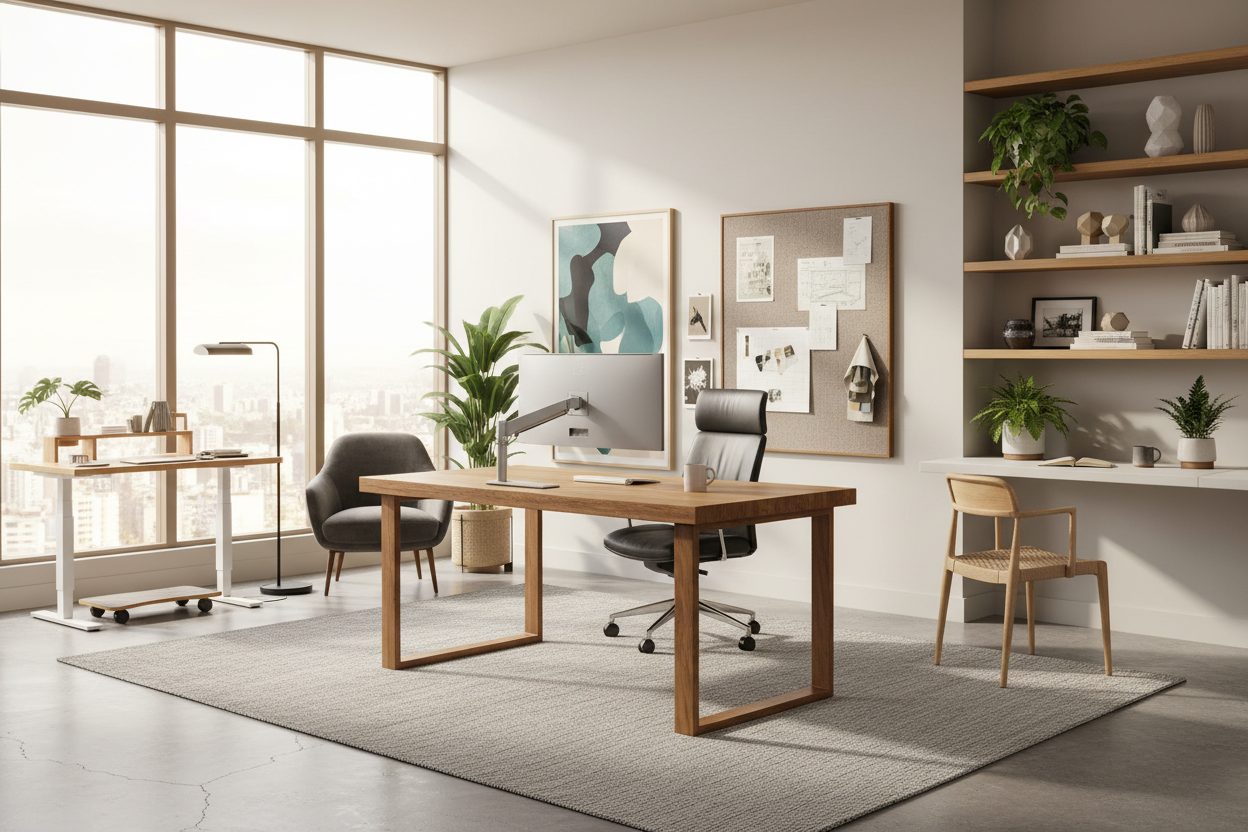
There is a profound difference between a surface you occasionally use to sort mail and a dedicated workspace designed for deep focus. As an interior designer, I often see clients treating their workspace as an afterthought, resulting in clutter and discomfort. The right design approach transforms a functional necessity into the anchor of your room. Whether you are carving out a niche in a studio or outfitting a dedicated study, exploring the right desks ideas is the first step toward a balanced, productive environment.
Key Features to Look For
Before committing to a purchase, review this checklist to ensure your choice meets both functional and aesthetic standards:
- Scale and Proportion: Ensure at least 30 inches of clearance behind the desk for chair movement.
- Material Tactility: Consider how the surface feels against your skin (e.g., cold glass vs. warm wood).
- Cable Management: Look for integrated grommets or modesty panels to hide visual noise.
- Ergonomics: The standard desk height is 29–30 inches; ensure your chair armrests slide underneath.
- Storage Integration: Decide if you need deep file drawers or shallow pencil drawers based on your workflow.
Choosing the Right Material: Texture and Durability
When curating office desk ideas for home, the material choice dictates the longevity and vibe of the piece. Solid hardwoods like walnut or white oak offer heirloom quality and can be refinished over time, making them a wise investment for home office design desk layouts. Unlike veneer, which can chip and reveal the particle board underneath, solid wood develops a patina that tells a story.
However, do not overlook alternative materials. For a modern, industrial office desk idea, concrete or linoleum-topped desks provide incredible durability and a matte finish that reduces eye strain from overhead lighting glare. If you are exploring office desk top ideas, remember that high-gloss finishes often act as magnets for fingerprints and dust, requiring constant maintenance.
Space Planning and Layout Flow
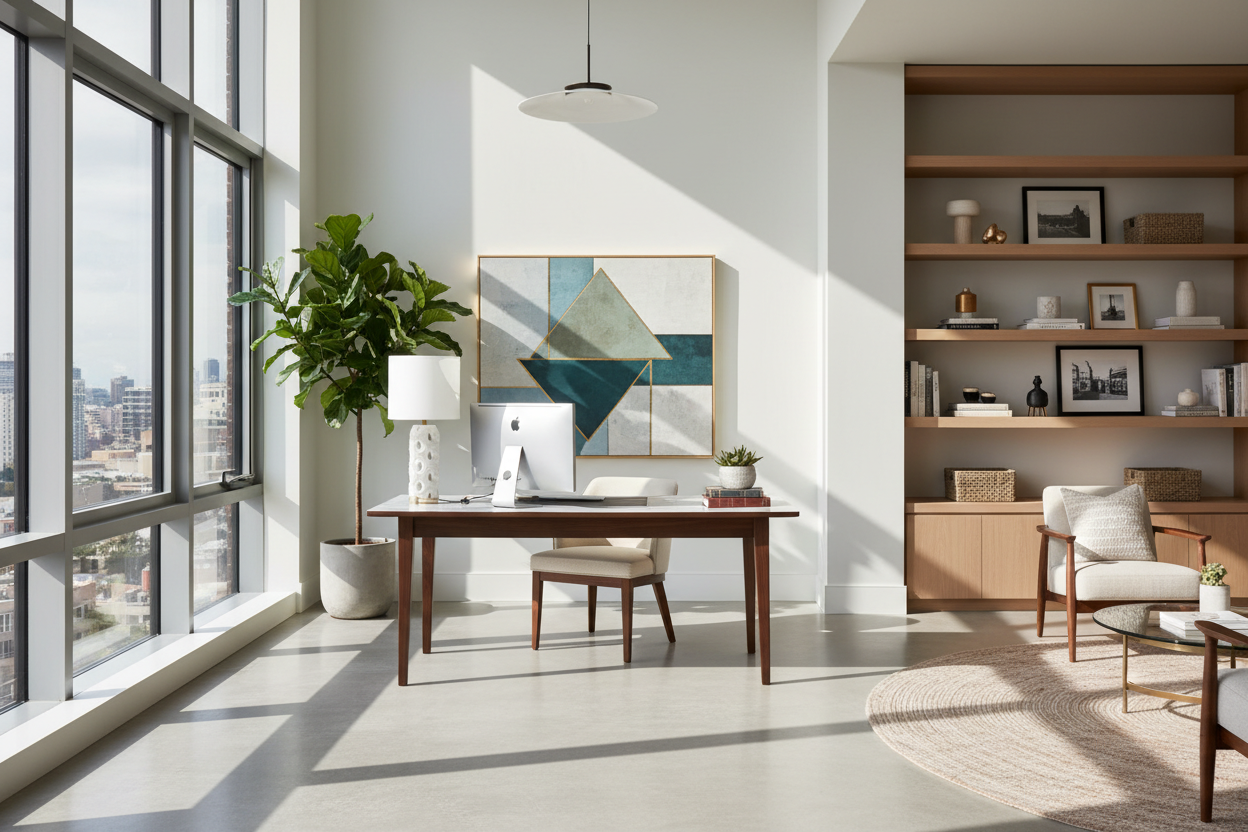
The placement of your furniture is just as critical as the piece itself. A common mistake in home desk ideas is pushing the desk directly against a wall. If space permits, I always recommend 'floating' the desk. Facing the room—or better yet, a window—improves command of the space and prevents the claustrophobic feeling of staring at drywall.
For tighter footprints, consider home office ideas desk configurations that utilize vertical space. Ladder desks or wall-mounted secretaries maximize floor area while maintaining a sophisticated silhouette. When browsing desks pinterest for inspiration, notice how the best setups maintain a 'triangle of flow' between the desk, storage, and the doorway.
Ergonomics Meets Aesthetics
Work desk ideas must bridge the gap between comfort and style. A beautiful mid-century modern writing desk might look stunning, but if it lacks the depth for a monitor and a keyboard, it fails as a work office desk ideas solution. You need a minimum depth of 24 inches for laptop use, and 30 inches if you use an external monitor, to prevent eye fatigue.
Furthermore, desk office design ideas should account for 'visual weight.' In a small room, a heavy pedestal desk can feel oppressive. Opt for a design with slender legs or an open frame to allow light to pass through, keeping the room feeling airy.
My Personal Take on Desk Selection
I learned a hard lesson early in my career regarding desk home office ideas. I once specified a stunning, architectural glass-top desk for a client’s high-rise apartment. Visually, it was perfect—it disappeared into the room and highlighted the view. However, two weeks later, the client called me with a complaint I hadn't anticipated: temperature.
The glass was freezing cold against her forearms during early morning emails, making it uncomfortable to work for more than twenty minutes. Additionally, because it was transparent, every single wire from her lamp and laptop charger was visible, creating a chaotic look beneath the surface. We ended up having to commission a custom leather blotter just to make it usable. Now, I always warn clients that while glass looks sleek, it lacks the warmth and wire-hiding capabilities of wood or leather-wrapped surfaces.
Conclusion
Selecting the right desk is about balancing the architectural needs of your room with the ergonomic needs of your body. By focusing on quality materials, proper scale, and thoughtful placement, you can create a workspace that invites creativity rather than clutter. Treat your desk not just as furniture, but as a tool for your success.
Frequently Asked Questions
What is the ideal desk size for a dual-monitor setup?
For dual monitors, you should look for desk ideas for office setups that are at least 55 to 60 inches wide. This allows enough space for both screens without them overhanging the edges, while leaving room for accessories and writing space.
How do I style a desk without it looking cluttered?
To achieve a curated look, use the rule of three. Group accessories (like a lamp, a plant, and a tray) in odd numbers. Utilize trays to corral loose items like pens and paperclips, ensuring the primary work surface remains clear.
Are standing desks worth the investment for a home office?
Absolutely. Modern work office desk ideas heavily favor sit-stand mechanisms. If the industrial look of a standing desk clashes with your decor, look for models where the mechanical legs are shrouded in wood veneers or integrated into traditional cabinetry styles.

Leave a comment
This site is protected by hCaptcha and the hCaptcha Privacy Policy and Terms of Service apply.