










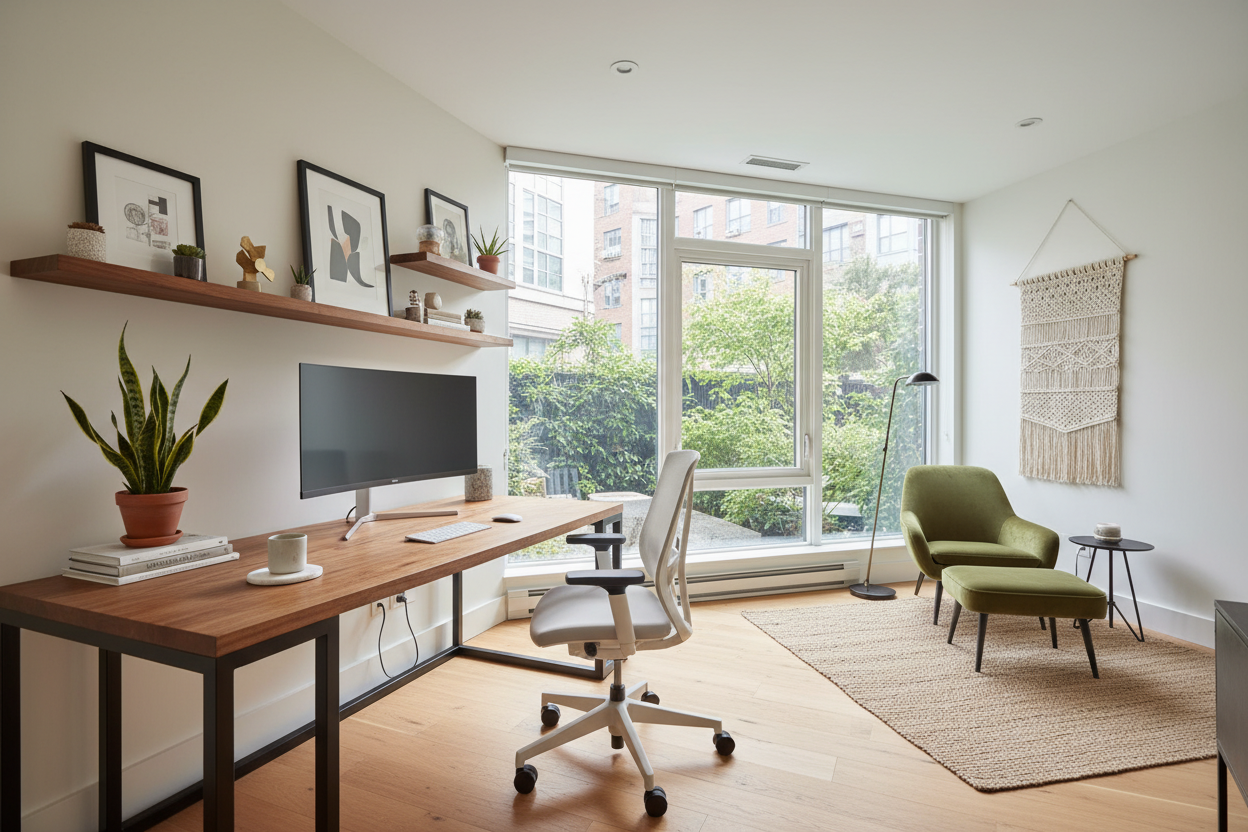
Designing a home office goes far beyond simply pushing a table against a wall. It is about creating an environment that balances cognitive focus with visual serenity. Many homeowners struggle to find that sweet spot where functionality meets high-end aesthetics, often resulting in cluttered, uninspiring corners. Whether you are carving out a niche in a master bedroom or outfitting a dedicated study, the right approach to desk room ideas can completely alter your workflow and the room's architectural character.
Key Features to Look For
- Spatial Flow: Ensure at least 48 inches of clearance behind the desk for chair movement.
- Material Integrity: Prioritize solid hardwoods or high-grade veneers over hollow-core laminates for longevity.
- Lighting Layers: Combine ambient overhead lighting with focused task lighting to reduce eye strain.
- Ergonomics: Look for a desk height between 28-30 inches, or adjustable options for sit-stand flexibility.
Mastering Layout and Orientation
As a designer, the first thing I assess is the "command position." Placing your desk facing the door—rather than staring at a blank wall—offers a sense of authority and openness. If you are looking for desk inspiration that maximizes natural light, position the desk perpendicular to a window. This prevents the glare that occurs when a window is directly behind you and the stark contrast of a window directly in front.
Zoning for Focus
In open-plan homes, visual zoning is critical. Use an area rug to anchor the furniture, defining the workspace as distinct from the living area. This simple addition adds texture and acoustic dampening, which is vital for maintaining focus.
Choosing Materials with Substance
The tactile experience of your workspace matters. When browsing office desk inspiration, look past the silhouette and examine the grain. Walnut and oak offer warmth and hide dust better than glass or high-gloss lacquer finishes. While glass desks can make a small room feel larger due to their transparency, they often feel cold to the touch and require constant cleaning to maintain that pristine office desk inspo look found in magazines.
Ergonomics Meets Aesthetics
Desk ideas for work must prioritize the human body. However, ergonomic furniture doesn't have to look industrial. Look for chairs with hidden lumbar support upholstered in performance velvets or leathers that complement your desk's finish. The goal is to maintain a residential feel while providing commercial-grade support. A common oversight in work desk inspiration is neglecting legroom; ensure the desk's apron (the structural piece under the top) doesn't restrict your thigh clearance.
Styling the Desktop Landscape
Clutter is the enemy of design. For sophisticated work desk inspo, embrace the concept of "negative space." You do not need to fill every square inch. A singular, sculptural lamp and a leather desk blotter can serve as functional decor. When considering desktop design ideas, think about verticality—use floating shelves above the desk to house reference books and greenery, keeping the primary work surface clear for active projects.
My Personal Take on Desk Room Ideas
I learned a hard lesson early in my career regarding surface texture. I once specified a gorgeous, reclaimed barn-wood desk for a client who was an illustrator. Visually, it was a masterpiece—rustic, textured, and full of character. However, within three days, the client called me. The uneven surface made it impossible for him to draw or even write a note without his pen puncturing the paper.
We had to swap it out for a smooth, satin-finish maple desk immediately. Now, whenever I consult on workspace design, I always run my hand across the surface to check for "writing drag." If you are doing computer work exclusively, heavy texture is fine. But if you ever put pen to paper, that smooth finish is non-negotiable, no matter how trendy the rough-hewn look is.
Conclusion
Your workspace should be a reflection of your personal style and a tool for your success. By investing in quality materials, respecting the flow of the room, and curating your accessories, you can build a space that invites you to sit down and create. It is time to stop settling for a makeshift setup and design a space that works as hard as you do.
Frequently Asked Questions
What is the ideal depth for a home office desk?
For a standard setup with a laptop or single monitor, 24 inches is sufficient. However, if you use multiple monitors or require space for spreading out documents, aim for a depth of 30 inches to prevent the screen from being too close to your eyes.
How do I hide cords in a floating desk arrangement?
Cord management is vital for a clean look. Look for desks with built-in grommets or hidden channels. If your desk lacks these, mount a cable raceway to the underside of the desk and run cables down a single leg, securing them with velcro ties matching the leg's color.
Can I mix wood tones between my desk and floor?
Absolutely. In fact, matching them perfectly can look flat. The key is to keep the undertones consistent (e.g., warm walnut with warm oak). Alternatively, create contrast—a dark espresso desk looks striking against light maple floors.


Leave a comment
This site is protected by hCaptcha and the hCaptcha Privacy Policy and Terms of Service apply.