










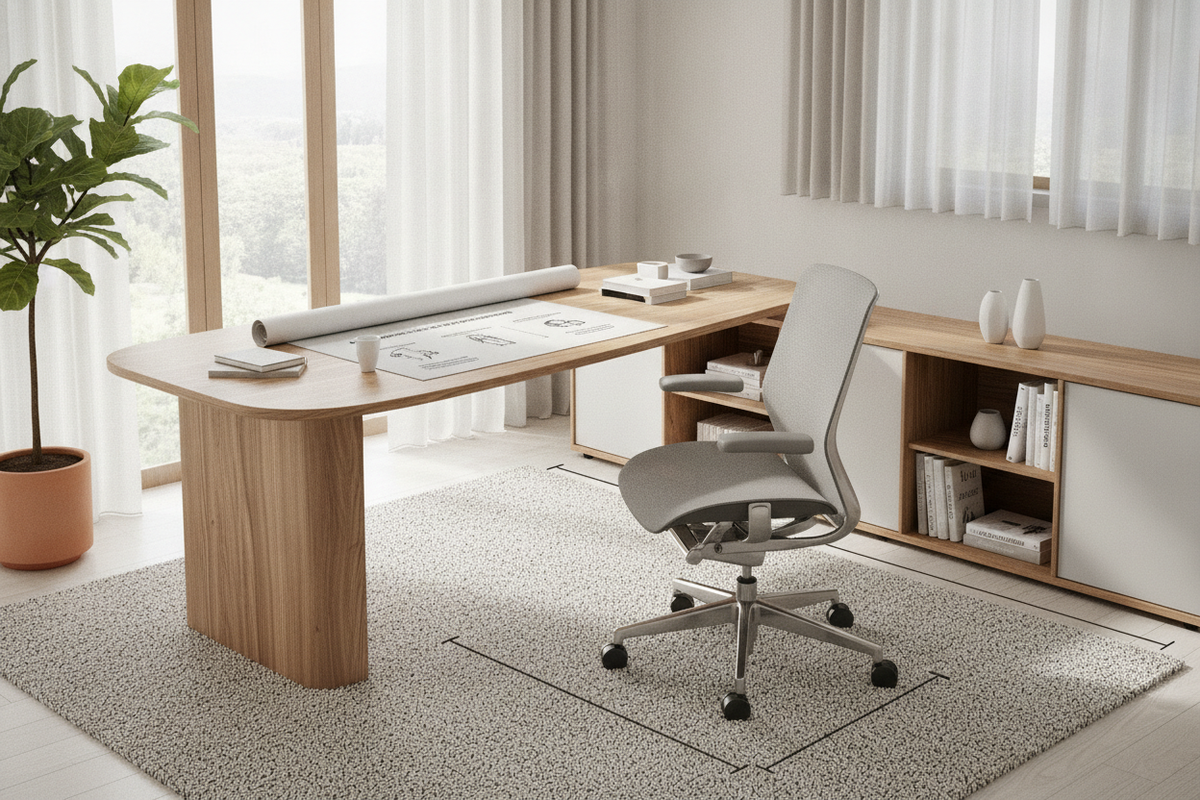
Workstation Pairing Archetypes: Synchronizing Ergonomic Desk and Chair Mechanics
Creating an effective workspace requires treating the seat and table as an interconnected unit rather than isolated furniture choices. An ergonomic chair desk pairing succeeds when the physical dynamics of the chair match the architectural profile of the desk. When configuring an ergonomic office chair desk chair, the primary interface to consider is the relationship between the seat pan, armrests, and the underside of the work surface. Chairs with multi-directional adjustable armrests allow the user to pull close to the tabletop without colliding with the desk apron or drawers.
A well-matched ergonomic desk and chair combination encourages natural movement throughout the workday. When evaluating an ergonomic office desk product alongside an ergonomic working chair, verify that the desk height range accommodates both seated posture and standing transitions. When the desk edge aligns smoothly with forearm elevation, shoulder tension diminishes and posture remains relaxed across extended working sessions.
Spatial Clearance Geometry: Seating Envelopes, Knee Wells, and Footprint Planning
Proper layout planning balances the perimeter of the desk against the functional travel path of the seating. High-performance ergonomic chairs for office environments require generous clearance behind and underneath the workstation to accommodate smooth swivel motions and dynamic reclining. If a desk lacks adequate knee well width or depth, even the most advanced computer chair ergonomic features cannot function as intended.
Corner and L-shaped configurations offer expansive surface territory while preserving floor area in compact rooms. Integrating an office computer desk product creates defined operational zones, allowing your ergonomic desk with chair setup to maintain dedicated primary monitor positioning alongside secondary writing or organizing wings. Ensure that under-desk crossbars and storage modesty panels do not obstruct leg extension or foot placement.
Material Profiles and Tactile Harmony: Balancing Mesh, Upholstery, and Desk Surfaces
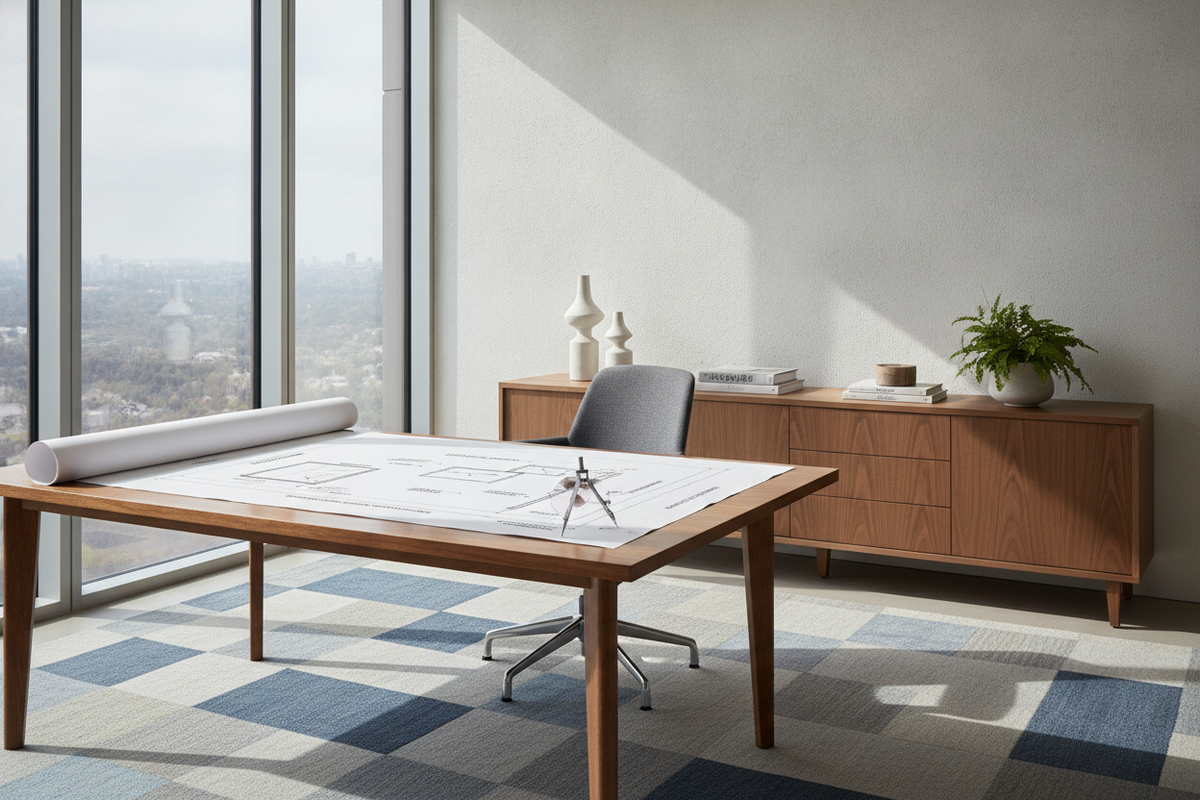
Visual and tactile cohesion elevates a home office from a purely utilitarian corner into an inviting personal studio. Selecting an ergonomic chair with desk setup requires thoughtful material coordination between breathable task textiles, soft-touch arm caps, engineered wood tabletops, and powder-coated steel framing.
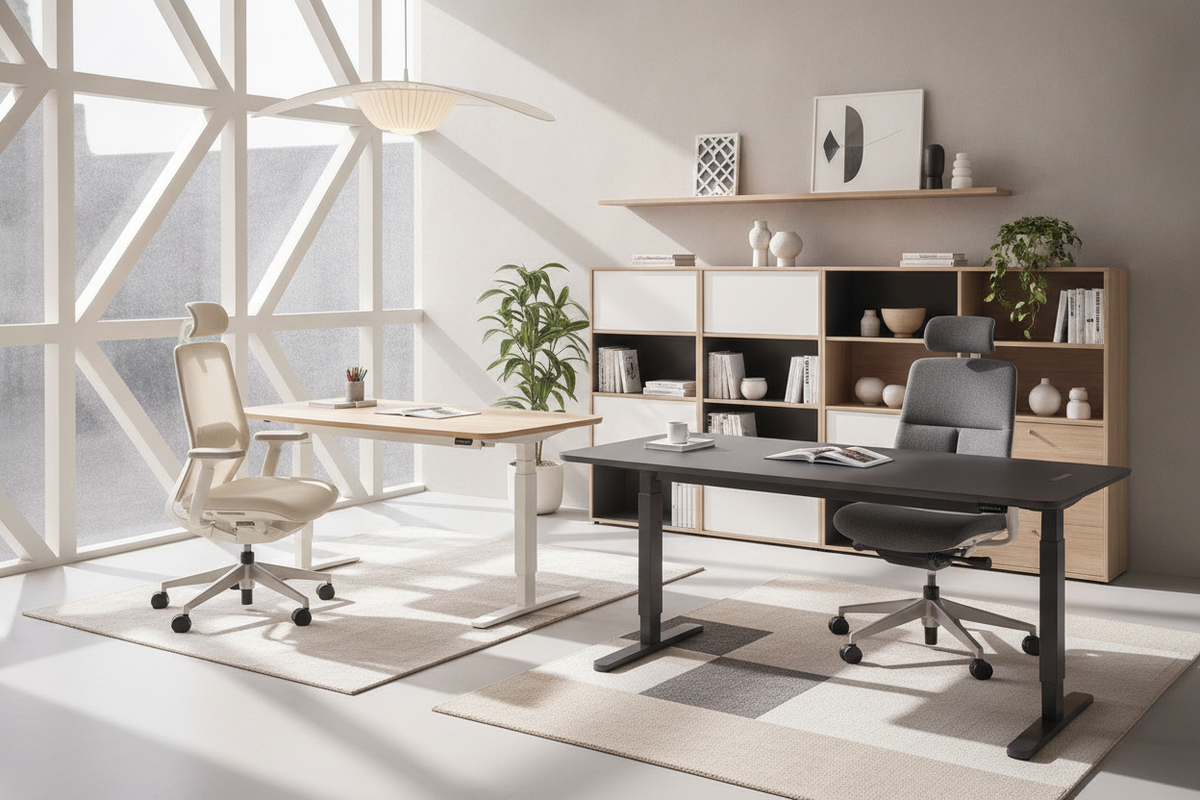
- Breathable Mesh Seating: Pairs effortlessly with sleek laminate surfaces, metal accents, and glass-top writing surfaces for an airy, contemporary appearance.
- Cushioned Upholstery: Complements warm timber grains, textured oak finishes, and rich walnut surfaces to create a grounded, executive ambiance.
- Hybrid Designs: Feature mesh backrests with supportive foam seat pans, bridging the gap between minimalist desks and robust storage suites.
For those curating a refined aesthetic across personal work areas, exploring an expansive computer desk collection provides a broad palette of durable finishes that harmonize with various ergonomic home office chairs. Coordinating tone and frame finishes establishes visual balance, turning an ergonomic computer desk and chair ensemble into an organic focal point within the room.
Room Zoning and Layout Configurations: Alcoves, Perimeter Walls, and Floating Suites
Where a workstation sits within a floor plan directly influences daily focus, lighting balance, and room circulation. An ergonomic desk office chair setup should be oriented to harness indirect natural daylight while avoiding screen glare. Positioning your desk perpendicular to nearby windows creates a balanced light distribution that reduces visual fatigue during reading and typing tasks.
Depending on room proportions, consider these spatial arrangements:
- Perimeter Wall Placement: Anchors the workspace along an existing wall to maximize open floor space in multifunctional guest rooms or shared living zones.
- Recessed Alcove Nook: Maximizes underutilized architectural niches, pairing compact desks with flexible ergonomic office desk chairs for an efficient footprint.
- Floating Centerpiece: Positions the desk outward toward the room entrance, delivering an authoritative executive presence with ample rear clearance for deep chair recline.
For practical decorative techniques and budget-conscious room planning ideas, consult an insightful office computer desk guide to style functional furniture pieces without compromising architectural proportion.
Storage Synergy: Integrating Lateral Files, Credenzas, and Concealed Cabinets
A cluttered desktop disrupts physical workflow and limits arm movement. To preserve an open working envelope, pair your main ergonomic chair desk with dedicated auxiliary storage. Lateral file cabinets, mobile under-desk pedestals, and complementary credenzas keep reference materials, electronics, and accessories organized and out of the immediate task area.
When planning storage near an ergonomic desk and chair, consider the swing radius of cabinet doors and drawer extension paths. Storage units should sit outside the primary seating footprint so you can rotate or push back comfortably without striking nearby handles. For compact apartments or multi-use bedrooms, reading a computer desk office guide offers creative perspectives on using armoires and concealed desks to stow equipment cleanly after hours.
Holistic Workstation Selection Framework: Decision Matrix for Home Offices
Selecting the optimal furniture combination involves balancing personal work habits, storage demands, and room architecture. Use this systematic framework when finalizing your workstation components:
- Assess Functional Task Demands: Identify whether your workflow centers primarily on single-screen computing, dual-monitor data work, or a mix of digital tasks and physical paperwork.
- Confirm Dimensional Clearances: Verify that the desk knee well width accommodates your preferred chair base diameter, armrest span, and dynamic movement.
- Plan Cable and Hardware Routing: Choose desks equipped with integrated cable channels or grommets to prevent power leads from snagging on chair casters.
- Align Structural Finishes: Match metal leg powder coatings, drawer pulls, and wood tones across desks, shelving, and chair frames to ensure an intentional design language.
Investing the time to pair matching, proportional elements ensures that your home office supports productive daily routines, maintains visual harmony, and adapts seamlessly to changing spatial needs.

Leave a comment
This site is protected by hCaptcha and the hCaptcha Privacy Policy and Terms of Service apply.