










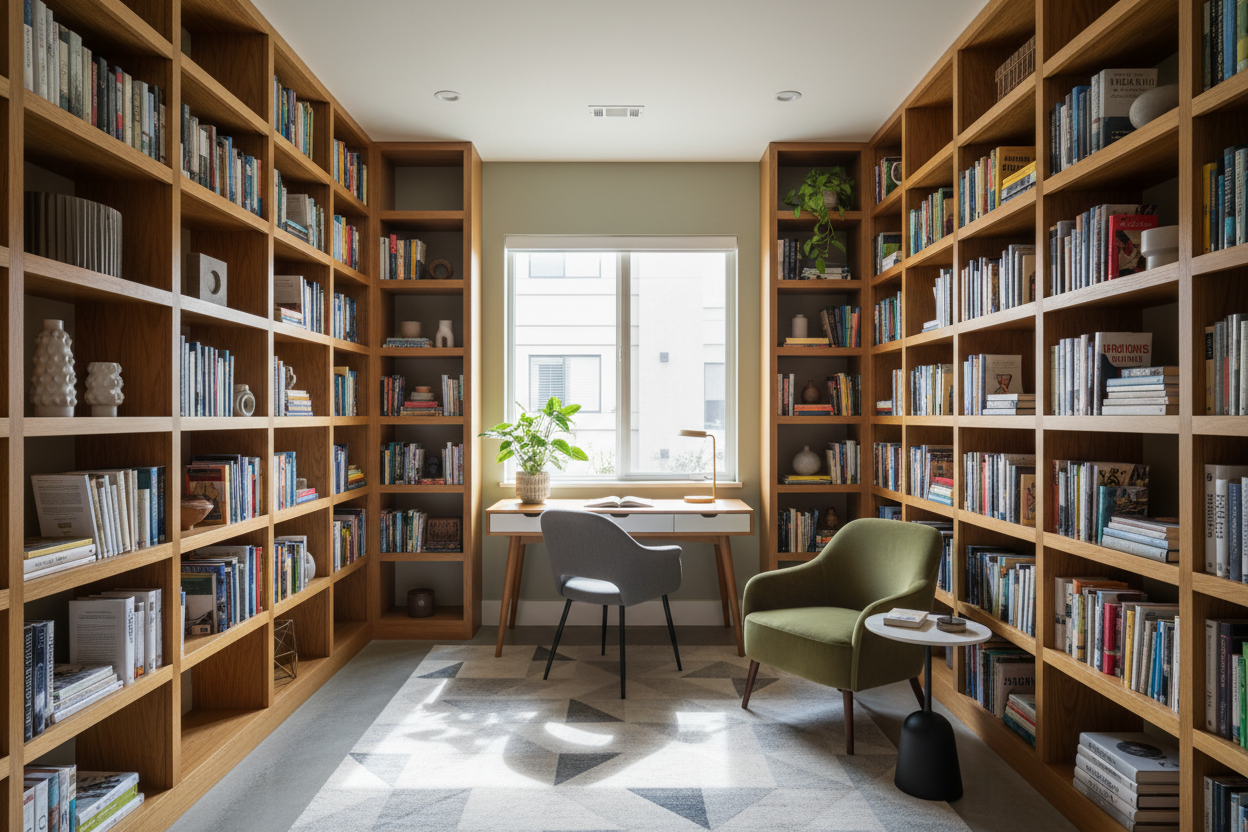
Working from home used to mean squeezing a desk into a guest room corner. Now, clients want a space that reflects their intellect and offers a quiet retreat after hours. But merging a massive book collection with daily productivity tasks often results in a cluttered, visually heavy room.
Designing a functional home library office requires balancing the visual weight of floor-to-ceiling shelving with the ergonomic needs of a modern workspace. By the end of this guide, you will know exactly how to plan your layout, select the right shelving, and avoid the common pitfalls of dual-purpose rooms.
Quick Decision Guide
- Float the desk: Whenever square footage allows, pull the desk away from the wall to create a commanding focal point and prevent the room from feeling like a storage closet.
- Mix open and closed storage: Hide ugly office supplies (printers, routers, cables) behind lower cabinet doors, reserving open shelving for books and curated decor.
- Layer your lighting: Overhead recessed lights cast harsh shadows on bookshelves. Use a mix of ambient sconces, picture lights, and a dedicated task lamp on the desk.
- Mind the clearance: Leave at least 36 inches of walkway between the edge of your desk and the bookshelves behind it to allow your office chair to roll comfortably.
Mastering the Home Office with Library Layout
The biggest challenge in any home office and library combination is preventing the furniture from swallowing the room. Books inherently add heavy visual texture. If you push all your furniture against the walls, the center of the room feels cavernous while the perimeter feels suffocating.
The Floating Desk Approach
In a medium to large room, positioning your desk in the center of the space facing the door is the most effective layout. This allows the home office library wall behind you to act as a stunning, textured backdrop. It also separates the work zone from the reading zone. You can place a comfortable armchair and a small side table in a corner, creating a distinct library home office feel.
Designing a Small Home Office Library
Not everyone has a massive spare room. If you are working with a small office library design, a floating desk might eat up too much floor space. Instead, consider a peninsula layout where the desk extends perpendicular from the bookshelves. This utilizes the corner efficiently while keeping the desk surface easily accessible. For very tight spaces, a small home office with library can utilize vertical space—taking bookshelves all the way to the ceiling draws the eye up, making the room feel taller than it actually is.
Selecting Home Office Library Furniture
Your choice of materials will dictate whether the room feels like a traditional study or a modern workspace. Wood tone, metal accents, and paint finishes all play a role in the overall aesthetic.
Built-Ins vs. Freestanding Shelving
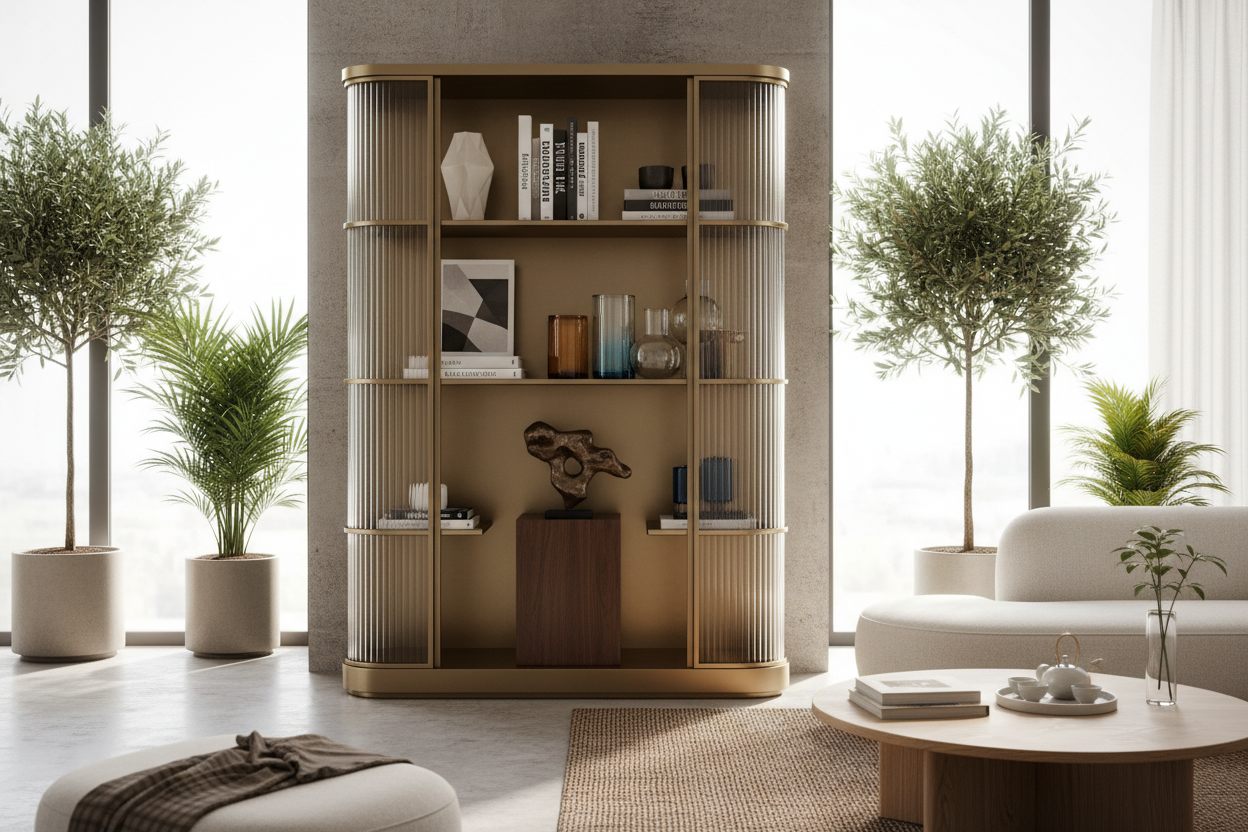
Custom built-ins are the gold standard for a luxury home office library. They maximize every inch of space and look seamless. However, they are a significant investment. If you want high-end design ideas for home library office spaces on a budget, look for modular freestanding bookcases that mimic the look of built-ins. Adding crown molding to the top of standard flat-pack bookcases is an old designer trick that creates a custom look for a fraction of the cost.
When selecting your desk, ensure the finish coordinates with—but does not necessarily match—the shelving. A modern office library often pairs matte black metal shelving with a warm walnut desk to create contrast and keep the room from feeling overly heavy.
Lessons from My Own Projects
A few years ago, I designed a stunning library office room for a client in a historic home. We went all-in on the moody aesthetic: floor-to-ceiling custom millwork painted in a deep, saturated navy blue. It looked spectacular in the portfolio photos.
But here is the honest truth about dark, moody office library decorating ideas: they absorb light like a sponge. My client called me two months later complaining that her video calls looked like she was broadcasting from a cave. We had to retrofit the room with expensive front-facing LED panels just so she could take remote meetings. I also learned that dark shelves show every single speck of dust. If you want a dark home office library background, you need to double your ambient lighting budget and invest in a good microfiber duster.
Frequently Asked Questions
How do I style a home office library wall for video calls?
Avoid cramming every shelf with books. Use the rule of thirds: one-third books, one-third decorative objects (sculptures, plants, framed art), and one-third negative space. This gives the eye a place to rest and prevents your background from looking cluttered on camera.
What is the best color for a library office?
It depends on when you use the room. If you work primarily during the day, warm neutrals, soft greens, or muted blues keep the space feeling fresh and energized. If it is primarily an evening reading retreat, richer tones like deep green, charcoal, or warm terracotta create a cozy, enclosed feeling.
Can I create a library in office spaces that are very small?
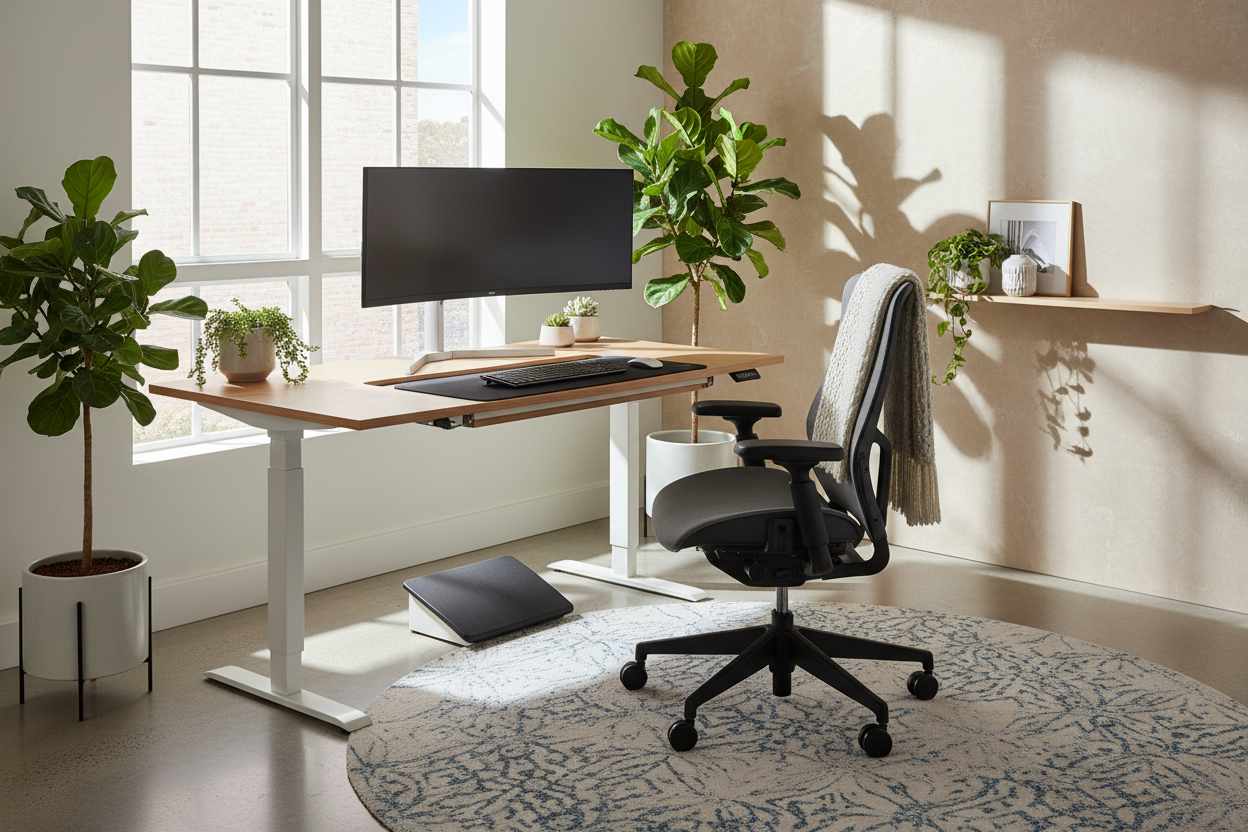
Absolutely. Small office library ideas rely on verticality. Install floating shelves above your desk and monitor, and use the back of the door for hanging storage. Keep the color palette monochromatic to reduce visual fragmentation, which helps a small space feel larger.

Leave a comment
This site is protected by hCaptcha and the hCaptcha Privacy Policy and Terms of Service apply.