












There is a pervasive myth in interior design that you must spend five figures to achieve a curated, high-end living room. As a designer, I see clients hesitate, fearing that a budget-friendly purchase guarantees a piece that will sag or squeak within a year. The reality is more nuanced. You do not need to sacrifice structural integrity for a lower price point, but you do need to know exactly what specifications to check before you buy. Finding the best cheap couch is less about luck and more about understanding the hidden mechanics of furniture manufacturing.
Key Features to Look For
- Frame Construction: Look for "kiln-dried hardwood" or furniture-grade plywood. Avoid particle board, which warps under humidity changes.
- Cushion Density: Aim for high-resiliency foam with a density rating of at least 1.8 lbs. This prevents the dreaded "pancake" effect.
- Fabric Durability: Check the "double rub" count. Anything over 15,000 is suitable for residential use; performance velvets and tight weaves last longest.
- Suspension System: Sinuous springs are the standard for affordable quality. Avoid pure webbing or mesh support, which lacks longevity.
Analyzing Material Quality and Construction
When working with a restricted budget, you are essentially managing trade-offs. The goal is to compromise on elements that don't affect longevity. For instance, a polyester blend designed to mimic linen is often more durable and easier to clean than cheap, genuine linen which stains the moment you look at it.
The Frame and Joinery
The skeleton of the sofa dictates its lifespan. In the showroom or product description, look for terms like "corner-blocked" and "glued and screwed." This type of joinery prevents the wobbling sensation that often plagues lower-tier furniture. If you are shopping for the best couches for cheap prices, tap the back and arms. If they feel hollow or flex significantly under pressure, the frame is likely cardboard or low-grade softwood.
Cushioning and Ergonomics
Visual balance is crucial, but ergonomics is where the "cheap" factor usually reveals itself. Low-cost manufacturers often skimp on foam density. A sofa might look plush in a photo but feel rock-hard or completely hollow in person. I always advise clients to look for reversible cushions. Being able to flip and rotate your seat cushions creates even wear, effectively doubling the lifespan of the upholstery.
Elevating the Aesthetic: Texture and Silhouette
To make an affordable piece read as luxury, focus on the silhouette. Simple, clean lines—think Mid-Century Modern or a classic Lawson arm—tend to look more expensive than overstuffed, puffy styles. Complex tufting or nailhead trim on budget furniture can often look messy or misaligned, giving away the price point immediately.
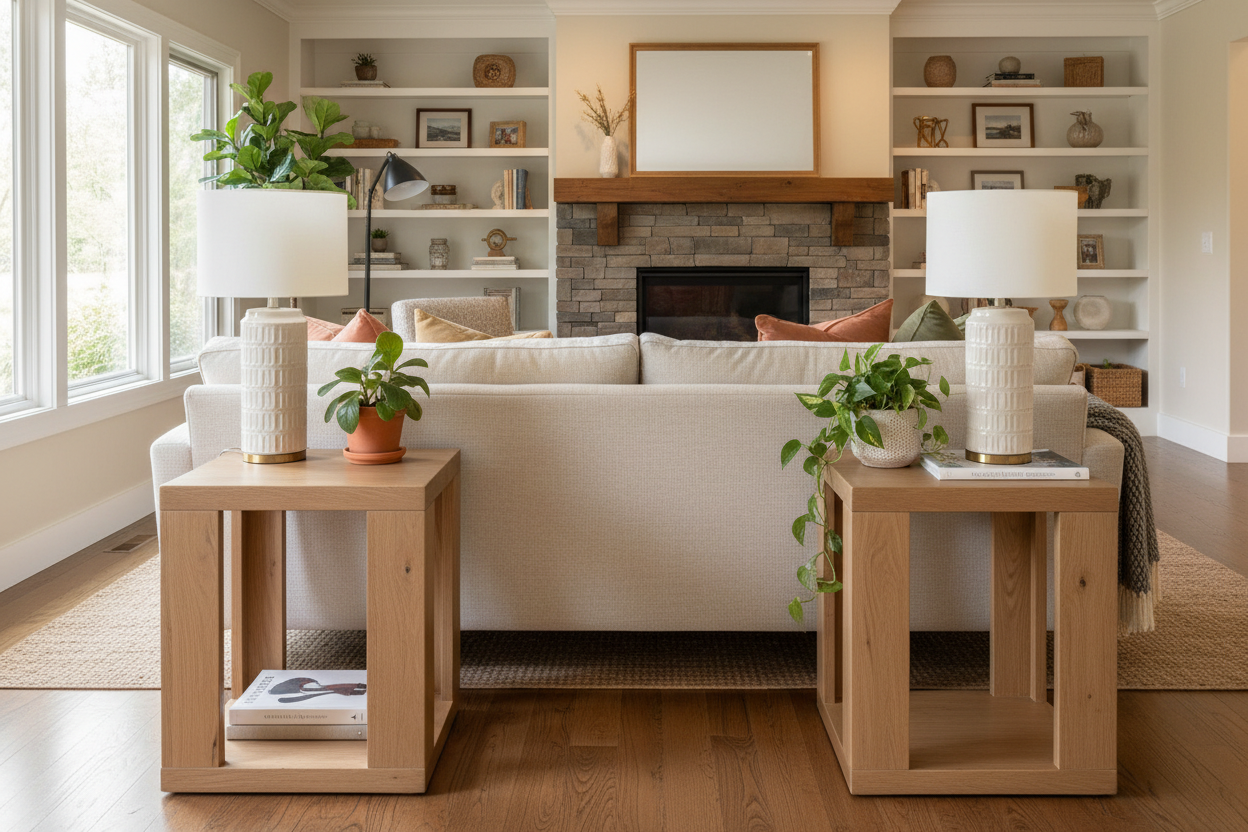
Texture is your other secret weapon. A flat, cotton twill can look utilitarian. However, a bouclé, a distressed faux leather, or a deep pile velvet absorbs light and adds depth to the room, distracting the eye from the modest price tag. When styling, anchor the sofa with a substantial rug and add throw pillows with down-alternative inserts to upgrade the overall comfort profile.
Lessons from My Own Projects
I learned the hard way about "bargain" seating during one of my first apartment staging projects. I sourced a visually stunning, emerald green velvet sofa that cost a fraction of my usual trade sources. It looked incredible in the portfolio photos. However, I ended up buying that same sofa for my guest room because I loved the look.
Within three months, I noticed a specific, irritating detail: the legs were plastic, painted to look like walnut wood. Every time the vacuum cleaner bumped them, the paint chipped, revealing white plastic underneath. Furthermore, the back cushions were filled with loose poly-fill rather than a foam core, meaning I had to aggressively fluff them every single time someone stood up, or the sofa looked sloppy. Now, when I recommend budget-friendly options, I specifically check if the legs are solid wood and if the back cushions have a chambered insert to hold their shape. It’s those unpolished details that determine whether you love the piece or regret it.
Conclusion
Designing a beautiful home is about making smart choices, not just expensive ones. By prioritizing a solid frame, durable fabric, and a timeless silhouette, you can secure a centerpiece for your living room that defies its price tag. Treat your search as a curation process, and your space will feel intentional and collected.
Frequently Asked Questions
How long should a budget-friendly couch last?
With daily use, a well-chosen budget sofa (typically in the $500–$1,000 range) should maintain its structure and appearance for 3 to 5 years. Regular maintenance, such as rotating cushions and vacuuming fabric, can extend this lifespan.
What is the best fabric for affordable couches if I have pets?
Microfiber and tight-weave performance velvets are superior choices. They are resistant to claws (snags) and are often hydrophobic, meaning spills bead up rather than soaking in immediately, making cleanup significantly easier.
Does a heavier sofa mean better quality?
Generally, yes. A heavier sofa usually indicates a solid wood frame and high-density foam. If you can easily lift one end of a three-seater sofa with one hand, the frame is likely made of lightweight, lower-quality materials that may not withstand heavy traffic.

Leave a comment
This site is protected by hCaptcha and the hCaptcha Privacy Policy and Terms of Service apply.