










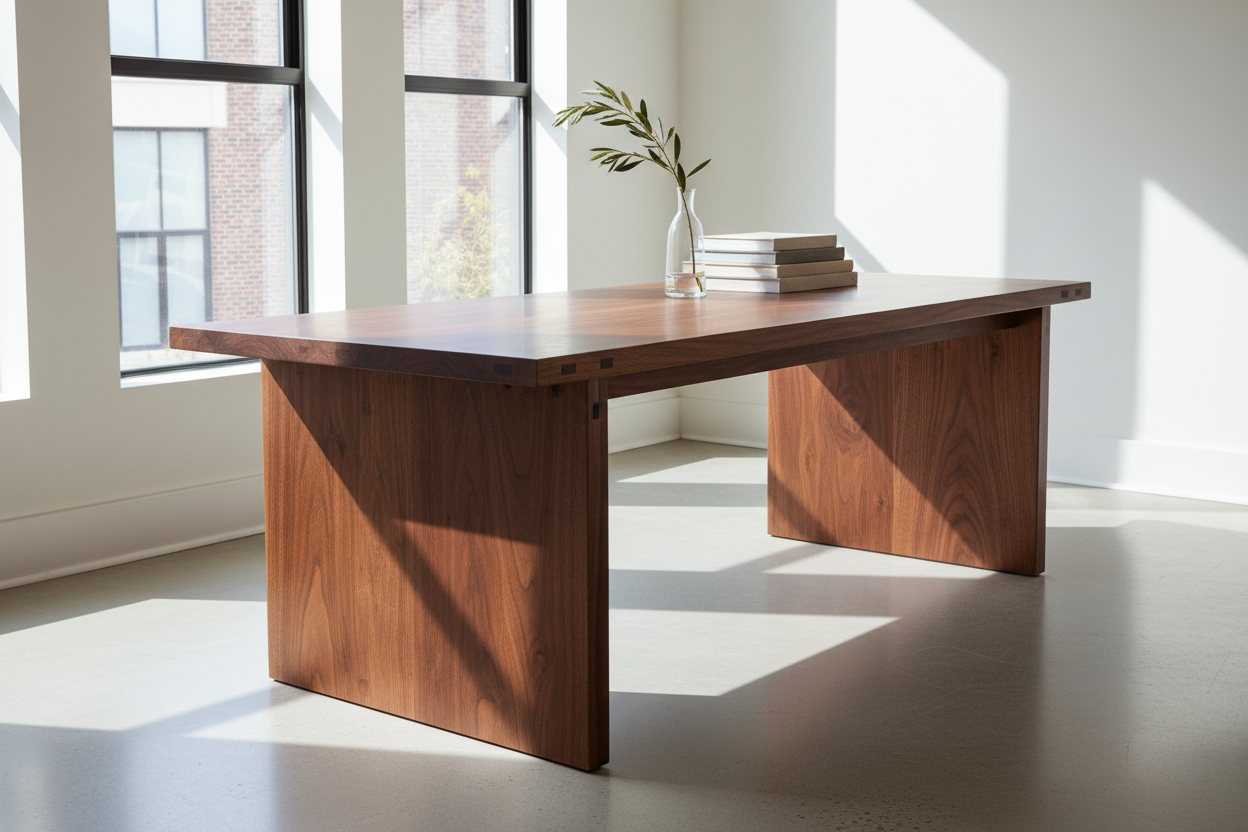
Finding the perfect centerpiece for your dining room is rarely as simple as clicking "add to cart." The best wooden dining tables are investments that anchor a home, serving as the backdrop for holiday feasts, homework sessions, and late-night conversations. If you are looking for a quick answer: the gold standard for durability and aesthetics is a table made from kiln-dried hardwoods like white oak, walnut, or maple, utilizing joinery techniques like mortise-and-tenon rather than just screws and glue.
Many shoppers get caught up in the visual appeal of a showroom piece without inspecting the structural integrity. While aesthetics matter, the best quality dining room tables combine form with heavy-duty function. You want a piece that resists wobbling when you cut a steak and doesn't show a permanent ring every time a guest forgets a coaster. Navigating the difference between a cheap veneer and a future heirloom requires looking beneath the surface finish.
Why Material Choice is Everything
I learned the hard way that not all wood is created equal. Years ago, I fell in love with a stunning, dark-stained table that fit my budget perfectly. It looked heavy and substantial. Six months later, a water glass tipped over during dinner. Despite wiping it up quickly, the moisture seeped into the seam, and the "wood" bubbled up. It was particle board wrapped in a paper-thin veneer. That experience taught me that the best solid wood dining table options are worth the extra cost because they can be repaired. If you scratch solid oak, you can sand and refinish it. If you scratch a cheap composite, the table is effectively ruined.
For those seeking good quality dining table materials, hardwoods are generally superior to softwoods. Pine is popular for that rustic farmhouse look, but it dents easily. If you have children or active pets, harder woods like maple, cherry, or teak will withstand the daily abuse much better. These materials form the backbone of the best wooden tables on the market because their density provides natural resistance to pressure and wear.
Construction: The Hidden Signs of Quality
You can identify dining table best quality markers by getting on the floor and looking up. The underside of a table tells you more than the top. You should look for corner blocks—pieces of wood bolted into the corners where the legs meet the apron. These add essential stability. If you see staples or visible glue drips, walk away. The best tables rely on wood-on-wood joinery, which accommodates the natural expansion and contraction of the material through changing seasons.
Stability is non-negotiable. Lean on the table with your full weight. It should feel grounded and immovable. Good dining tables do not shudder when bumped. This solidity is often a result of the table's weight; generally, heavier tables indicate denser wood and better construction. If you can lift one end with your pinky finger, it likely won't survive a decade of Thanksgiving dinners.
Choosing the Right Shape and Size
Even the highest quality table will fail you if it doesn't fit the room. The best large dining tables are often rectangular or oval, designed to seat eight or more people comfortably. However, you need to ensure there is at least 36 inches of clearance between the table edge and the wall (or buffet) to allow people to slide their chairs back. If your room is tight, a large rectangular table will make the space feel claustrophobic.
Round tables are fantastic for conversation and flow, eliminating sharp corners that catch hips in smaller rooms. They are often cited as the best dining room tables for social interaction because everyone faces the center. Pedestal bases on round tables also solve the issue of legroom, allowing you to squeeze in an extra chair without anyone straddling a table leg.
Design Styles That Stand the Test of Time
Trends come and go, but the best dining tables designs usually adhere to classic principles. Mid-century modern tables with tapered legs and clean lines (often in walnut) have remained popular for decades because they fit both retro and contemporary spaces. Farmhouse tables, typically characterized by chunky trestle bases and distressed finishes, offer a relaxed vibe that hides wear and tear beautifully.
Scandinavia has produced some of the best tables in terms of minimalism and functionality. These designs often feature light woods like ash or beech and focus on practical elegance. When selecting a style, consider your existing furniture. A heavy, dark industrial table might clash with delicate antique chairs. The goal is cohesion.
The Finish Factor
The finish is the shield that protects the wood. The best dining tables often offer a choice between a penetrating oil finish and a surface lacquer or varnish. Oil finishes give the wood a natural, matte look and feel. They require maintenance—you might need to re-oil the table once a year—but they allow you to spot-repair scratches easily. Lacquer or polyurethane creates a hard shell on top of the wood. This offers superior protection against liquids and heat but can be difficult to fix if the coating chips or cracks.
Factory finishes have improved significantly, and many good quality dining table manufacturers now use catalyzed conversion varnishes which are incredibly tough. Ask the retailer about the finish durability, specifically regarding heat resistance and water rings.
Making the Final Decision
Ultimately, the best dining room tables are the ones that fit your lifestyle. If your table doubles as a home office or a craft station, you need a harder surface finish. If it is strictly for formal dining, you might prioritize the grain pattern and aesthetic over bulletproof durability. Do not rush the process. Measure your space twice, check the joinery, and insist on solid materials where possible. A well-chosen wooden table will outlast the chairs around it and the flooring beneath it, becoming a permanent member of the family.
Frequently Asked Questions
How do I calculate the right size table for my room?
Measure the length and width of your dining area and subtract six feet from each dimension. This leaves a three-foot walkway on all sides, which is the ideal clearance for pulling out chairs and walking around the table comfortably.
Is solid wood always better than veneer?
Not necessarily, but generally yes for longevity. High-quality veneer over stable plywood can be excellent and less prone to warping than solid wood, but it cannot be refinished multiple times. Avoid veneer over particle board or MDF for dining tables.
What is the hardest wood for a dining table?
Hickory and Hard Maple are among the hardest domestic woods, making them incredibly resistant to dents and scratches. Oak is slightly softer but hides scratches well due to its prominent grain pattern, making it a very practical choice.

Leave a comment
This site is protected by hCaptcha and the hCaptcha Privacy Policy and Terms of Service apply.