










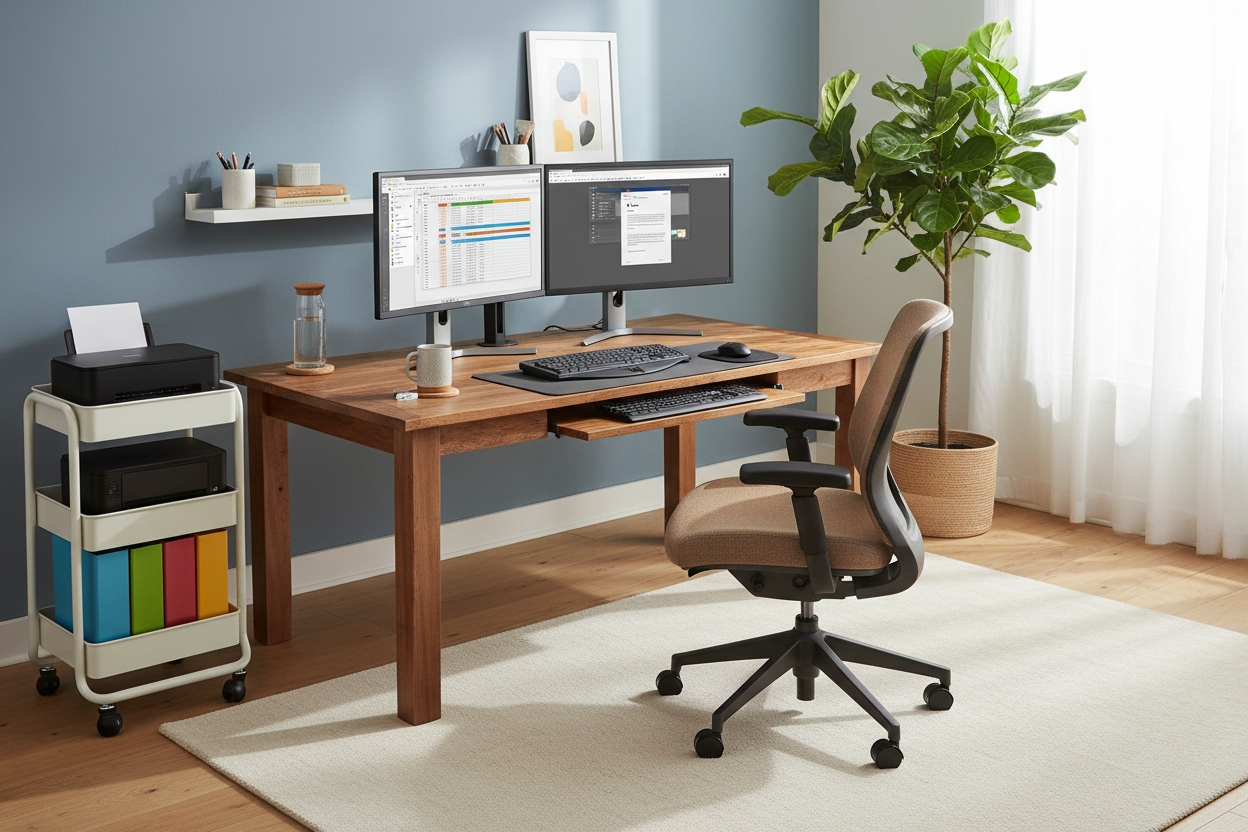
We often treat the home workspace as an afterthought—a spare table shoved into a corner or a laptop balancing on a dining chair. However, if you are dedicating serious hours to productivity, the physical environment surrounding your microsoft office for home setup is just as critical as the software itself. As a designer, I see too many homeowners sacrifice aesthetics for functionality, or vice versa, resulting in spaces that feel cluttered and uninspiring.
Key Features to Look For in a Home Workspace
Before buying a single piece of furniture, consider these foundational elements to ensure your space supports your workflow.
- Ergonomics: The chair height must allow your elbows to rest at a 90-degree angle relative to the desk surface.
- Lighting Layers: Combine ambient overhead light with task lighting to reduce screen glare.
- Surface Depth: Ensure the desk is at least 24-30 inches deep to accommodate monitors without crowding.
- Acoustics: Incorporate soft textiles (rugs, curtains) to dampen echo during calls.
Zoning Your Office for Home Use
The biggest challenge in residential design is distinguishing the "work zone" from the "living zone." When establishing an office for home use, placement is everything. Avoid high-traffic thoroughfares like the kitchen island. Instead, look for underutilized vertical space or alcoves.
The "Clofffice" Concept
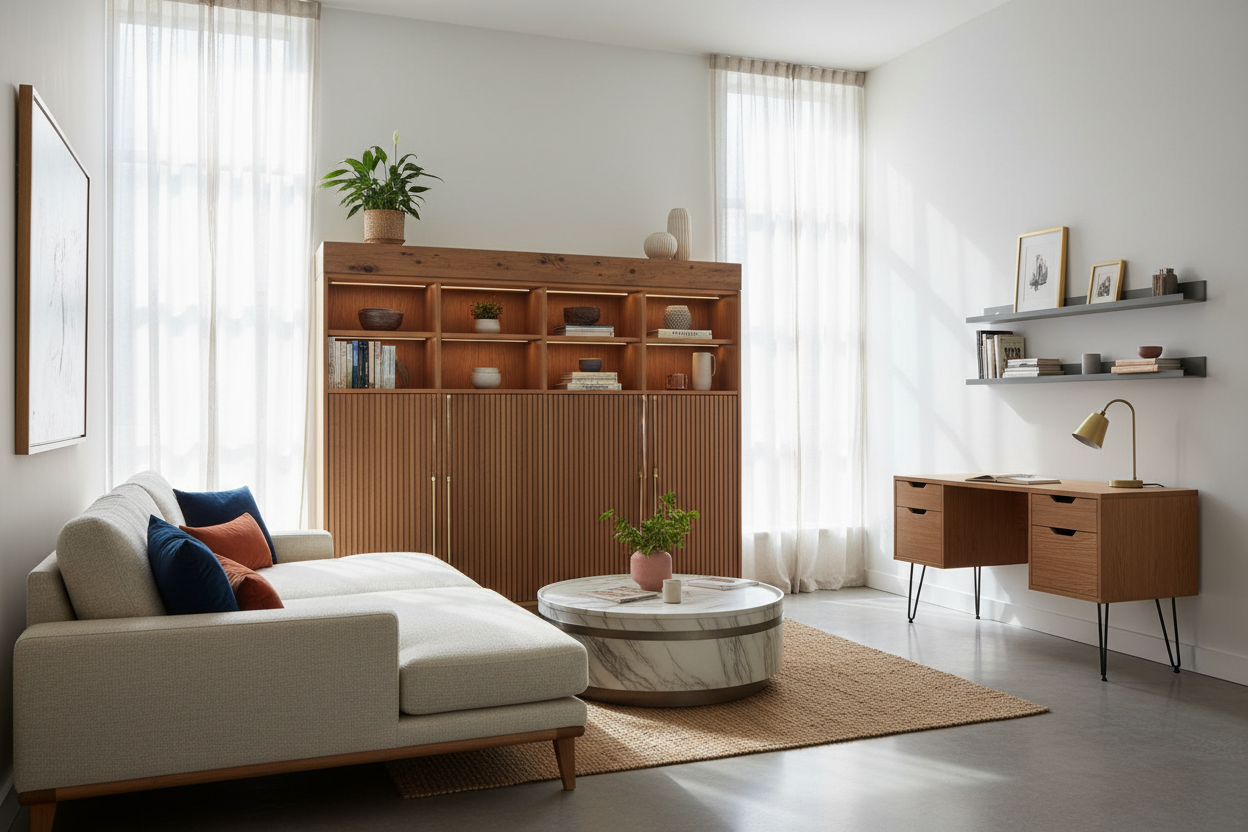
If square footage is at a premium, converting a closet into a workspace is a sophisticated solution. By removing the doors or replacing them with pocket systems, you create a dedicated niche. Use high-quality wallpaper on the back wall to create a focal point that recedes when work is done.
Selecting Furniture: Function Meets Form
Your furniture selection defines the visual weight of the room. When setting up a ms office for home environment, avoid the standard "corporate gray" aesthetic.
The Desk Silhouette
Opt for a desk with clean lines and integrated cable management. A parson’s desk or a mid-century modern writing table offers a lighter visual footprint than a bulky executive desk. If you use multiple monitors for your microsoft office for home use, consider a slight L-shape configuration to keep screens accessible without dominating the room.
Seating That Doesn't Scream "Cubicle"
You need lumbar support, but you don't need a neon-accented gaming chair. Look for task chairs upholstered in performance velvet, leather, or boucle. These materials offer the durability required for an 8-hour workday while maintaining a residential texture that blends with your existing decor.
Lighting and Visual Comfort
Poor lighting causes eye strain faster than any spreadsheet. Position your desk perpendicular to windows to maximize natural light without direct glare on your screen. Supplement this with a dimmable architectural desk lamp. The goal is to balance the cool blue light of the monitor with warm, ambient illumination.
My Personal Take on Microsoft Office for Home
I learned the hard way that "minimalism" can sometimes kill productivity. In my own home office renovation last year, I initially chose a sleek, glass-top desk because it looked airy and invisible in the room. It was a disaster for daily use.
Every time I sat down to work, my optical mouse struggled to track on the glass surface, and the lack of drawers meant my notepad and pens were constantly cluttering the visual field. Worse yet, the glass was cold to the touch in winter, making typing uncomfortable. I swapped it out for a solid walnut desk with a matte finish and two shallow drawers. The warmth of the wood immediately made the space more inviting, and the matte finish hid the inevitable coffee cup rings and fingerprints that the glass magnified. Design must always serve the user, not just the photo.
Conclusion
Creating the perfect microsoft office for home isn't just about the technology; it's about curating an environment that fosters focus. By selecting furniture with the right scale, texture, and ergonomic support, you can build a workspace that feels like a natural extension of your home rather than a corporate intrusion.
Frequently Asked Questions
How much space do I really need for a functional home office?
You don't need a dedicated room. A functional workspace can be achieved in a footprint as small as 48 inches by 24 inches, provided you utilize vertical shelving for storage.
What is the best desk height for typing?
Standard desk height is 29 to 30 inches. However, for optimal ergonomics, your keyboard should be at elbow height. A keyboard tray or an adjustable chair is essential to dial this in.
How do I hide cables in an open floor plan?
Use cable sleeves that match your wall color or desk leg finish. Additionally, magnetic cable organizers mounted to the back of the desk leg can keep cords entirely out of sight.


Leave a comment
This site is protected by hCaptcha and the hCaptcha Privacy Policy and Terms of Service apply.