










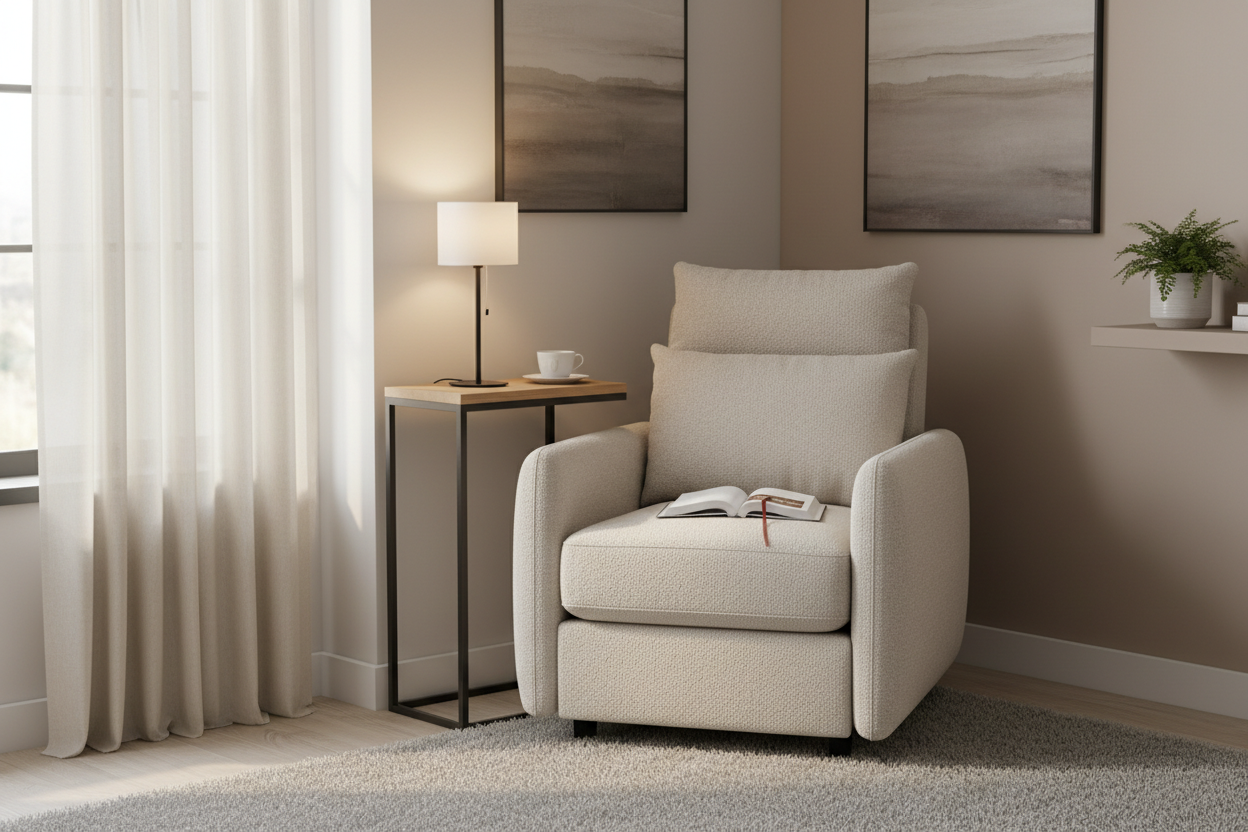
If you're struggling to fit furniture into a cramped living room, narrow hallway, or cozy bedroom, skinny end tables might be exactly what you need. These space-saving pieces offer all the functionality of traditional side tables while taking up a fraction of the floor space. They're ideal for apartments, small homes, or any room where every inch counts.
The beauty of a slim accent table lies in its ability to blend seamlessly into tight corners and narrow gaps that would otherwise go unused. Whether you need a spot for your morning coffee, a reading lamp, or just a place to set down your phone, these slender designs deliver without overwhelming your space.
What Makes a Table "Skinny" Anyway?
Most skinny end tables measure between 10 to 15 inches in depth, compared to standard end tables that typically run 18 to 24 inches deep. This narrower profile makes them perfect for sliding behind sofas, fitting into tight bedroom corners, or lining hallways without creating an obstacle course.
The width can vary considerably—some small narrow accent tables are as compact as 12 inches wide, while long narrow accent tables might stretch 30 inches or more. The key is finding the right dimensions for your specific space and needs.
Storage Options That Actually Work
One concern people often have about slim furniture is losing storage capacity. Thankfully, many skinny end tables with storage prove you don't have to sacrifice function for form. Manufacturers have gotten creative with vertical space, adding shelves, drawers, and cubbies that maximize storage without expanding the footprint.
A slim end table with storage might feature a single drawer up top for remotes and reading glasses, plus an open shelf below for books or decorative items. Some designs incorporate magazine racks on the side or small cabinets with doors to hide clutter. The vertical design philosophy means you're building up, not out.
I learned this lesson the hard way after moving into a studio apartment last year. My old chunky side tables made the space feel even more cramped, and I was constantly bumping into them. After switching to a pair of narrow tables with built-in shelves, the room instantly felt more open while still giving me places to stash my essentials.
Where These Tables Shine
Beside the bed, skinny end tables work beautifully when you don't have room for traditional nightstands. They provide just enough surface area for a lamp, alarm clock, and water glass without jutting out into walking paths. This is especially helpful in guest rooms where you want to maintain an open, welcoming feel.
Behind the sofa is another prime location. A long narrow accent table can run the length of your couch, creating a display area for photos, plants, or decorative objects while also serving as a convenient drop zone for drinks and snacks during movie night.
Hallways and entryways benefit tremendously from these slim designs. A narrow console-style table gives you a landing spot for keys and mail without blocking the flow of traffic. Add a mirror above it, and you've created a functional checkpoint before heading out the door.
Material Choices That Matter
Wood remains the most popular option for skinny end tables, with everything from rustic reclaimed timber to sleek walnut finishes available. Wood offers durability and timeless appeal, though it typically comes at a higher price point.
Metal frames with glass or wood tops create an airy, modern look that's perfect for contemporary spaces. The transparent or minimal nature of these materials helps maintain visual flow in small rooms. They're also generally easier to clean and maintain.
For budget-conscious shoppers, engineered wood and MDF options provide decent quality at accessible prices. While they may not last as long as solid hardwood, they're perfectly adequate for most homes and come in countless finishes.
Style Considerations
The slim profile of these tables lends itself particularly well to modern and minimalist aesthetics. Clean lines and simple silhouettes prevent visual clutter, which is exactly what you want when working with limited space.
That said, you can absolutely find skinny end tables in farmhouse, industrial, mid-century, and traditional styles. The key is paying attention to details like leg design, hardware, and finish. Tapered legs create a lighter feel than chunky block legs, while hairpin legs offer maximum openness beneath the table.
Making the Most of Your Purchase
Measure twice, buy once—this old carpenter's advice applies perfectly to furniture shopping. Before ordering, measure your available space carefully, accounting for door swings, walking paths, and other furniture. Remember that you'll need a few inches of clearance on all sides for comfortable use.
Consider height carefully too. End tables typically range from 22 to 30 inches tall. For beside-the-bed use, aim for a table that's level with or slightly lower than your mattress top. Next to sofas, matching the arm height creates the most cohesive look.
Think about your actual usage patterns. If you're a heavy reader who keeps a rotating stack of books nearby, prioritize shelf space. If you tend to accumulate clutter, a design with drawers or closed storage will serve you better than open shelving.
Assembly and Quality Checks
Most skinny end tables arrive requiring some assembly. This isn't necessarily a bad thing—it often means lower shipping costs and reduced damage risk. Just be realistic about your DIY skills and available tools. Read reviews specifically mentioning assembly difficulty before purchasing.
When your table arrives, inspect it immediately for damage. Check that drawers slide smoothly, doors close properly, and the piece sits level on your floor. Wobbling can sometimes be fixed with adjustable feet or felt pads, but significant structural issues should be reported right away.
Quality indicators include dovetail drawer joints (rather than staples), smooth finishes without rough edges, and sturdy construction that doesn't flex when you apply gentle pressure. Even budget pieces should feel solid and well-made.
Frequently Asked Questions
How narrow is too narrow for an end table?
Anything under 8 inches deep becomes impractical for most uses—you won't have enough surface area to set down a drink safely or fit a standard lamp base. The sweet spot for functionality is 10-14 inches deep, which accommodates most items while still qualifying as genuinely space-saving.
Can skinny end tables support heavy lamps?
Most quality slim tables can handle standard lamp weights (5-15 pounds) without issue, but always check the manufacturer's weight specifications. The key is ensuring the table has a stable base and doesn't wobble. Placing the lamp toward the back of the table, closer to the wall, also improves stability.
Are narrow tables less stable than regular ones?
Not necessarily. Stability depends more on the base design and build quality than the table's depth. Look for tables with wide-set legs or a solid base that extends close to the edges of the tabletop. Avoid designs that are top-heavy or have a very small footprint relative to the surface area.

Leave a comment
This site is protected by hCaptcha and the hCaptcha Privacy Policy and Terms of Service apply.