










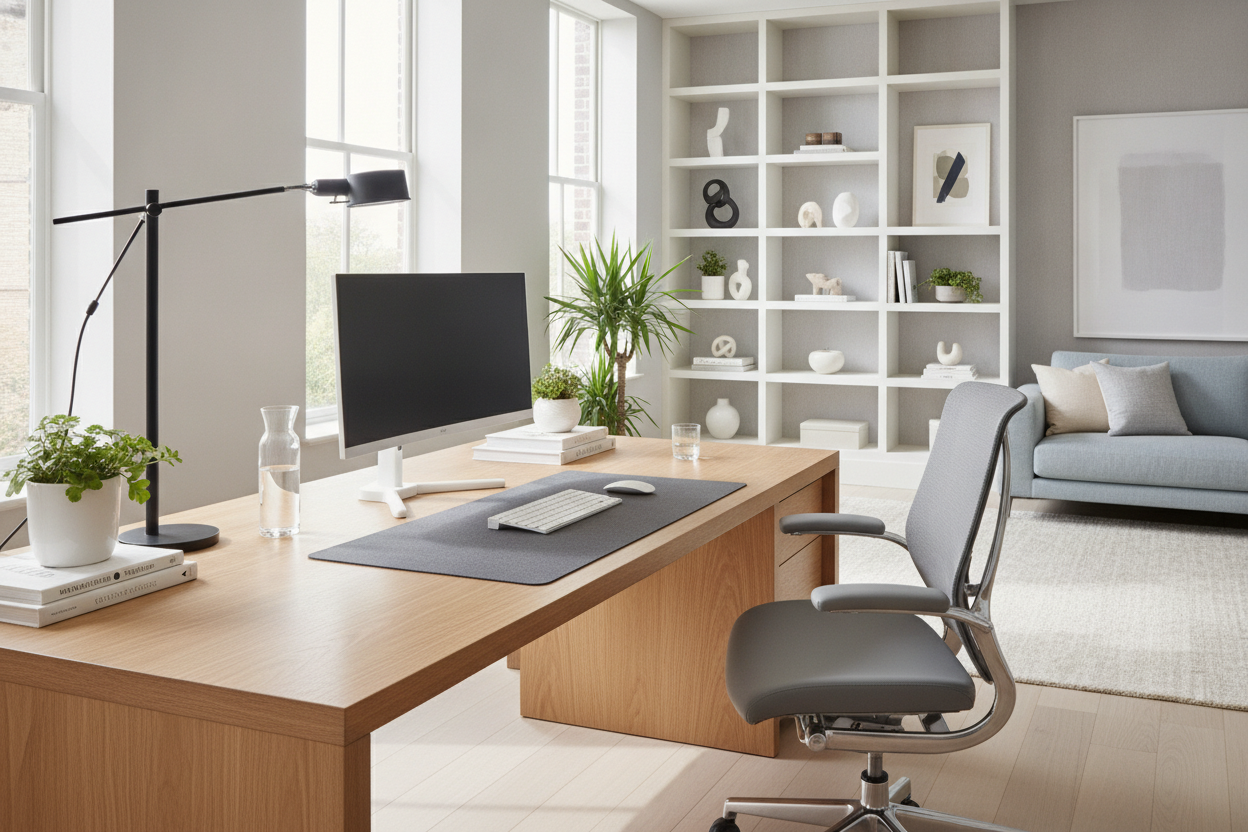
I spent three years trying to convince myself that my 1950s walnut dining table was a minimalist workstation. It looked incredible on Instagram, but by 3 PM every Tuesday, my neck felt like it was being squeezed by a vice. I found myself daydreaming about the desk at office I used to complain about—the one with the industrial cable management and the boring, grey laminate top that actually supported my elbows.
Quick Takeaways
- Aesthetics often fail ergonomics: Hairpin legs look great but wobble during heavy typing.
- Depth is the secret: You need at least 24-30 inches of clearance for your eyes and monitors.
- Stability matters: If your desk shakes when you click a mouse, it's too flimsy for real work.
- Corporate dimensions exist for a reason: Standard 29-inch heights prevent shoulder strain.
The Aesthetic WFH Dream vs. The Posture Nightmare
We all did it. We bought the trendy mid-century modern pieces with the tapered legs and the zero-drawer storage because we didn't want our spare bedrooms to look like a cubicle farm. I bought a teak table that was technically a desk but felt like a toothpick. Every time I hit the 'enter' key, my monitor did a little dance. It took six months of ibuprofen and a trip to the chiropractor to realize I was ignoring basic home office design truths in favor of a 'vibe.'
The reality is that your body doesn't care about your Pinterest board. It cares about the angle of your wrists and the support under your forearms. Those gorgeous, thin-top desks are usually too high or too low, forcing you into a C-shaped slouch that eventually becomes permanent. I learned the hard way that a desk for work needs to be a tool, not just a piece of decor.
The Moment I Realized I Missed My Desk at Office
The breaking point came when I tried to fit two 27-inch monitors and a laptop on a 42-inch wide table. My coffee had to sit on a separate stool, and my mouse had about three inches of runway. I missed my old office desk for work—the one I used to call 'clunky.' That clunky desk had enough surface area to actually spread out a notebook without covering my keyboard.
Standard corporate furniture isn't designed by accident. A traditional work office desk is built to withstand the weight of heavy hardware and the constant movement of a human being. When I finally admitted that my back hurt more than my decor mattered, I started looking for something that mimicked that corporate stability. I needed a desk work office pros would actually use, not something designed for a lifestyle magazine.
Stealing Corporate Features Without the Cubicle Vibe
You can have the functionality of a corporate setup without making your house look like a DMV branch. The trick is looking for the 'bones' of the piece. You want a thick desktop—at least an inch—and a frame that connects at multiple points. If you can push the side of the desk and it sways more than half an inch, leave it at the store.
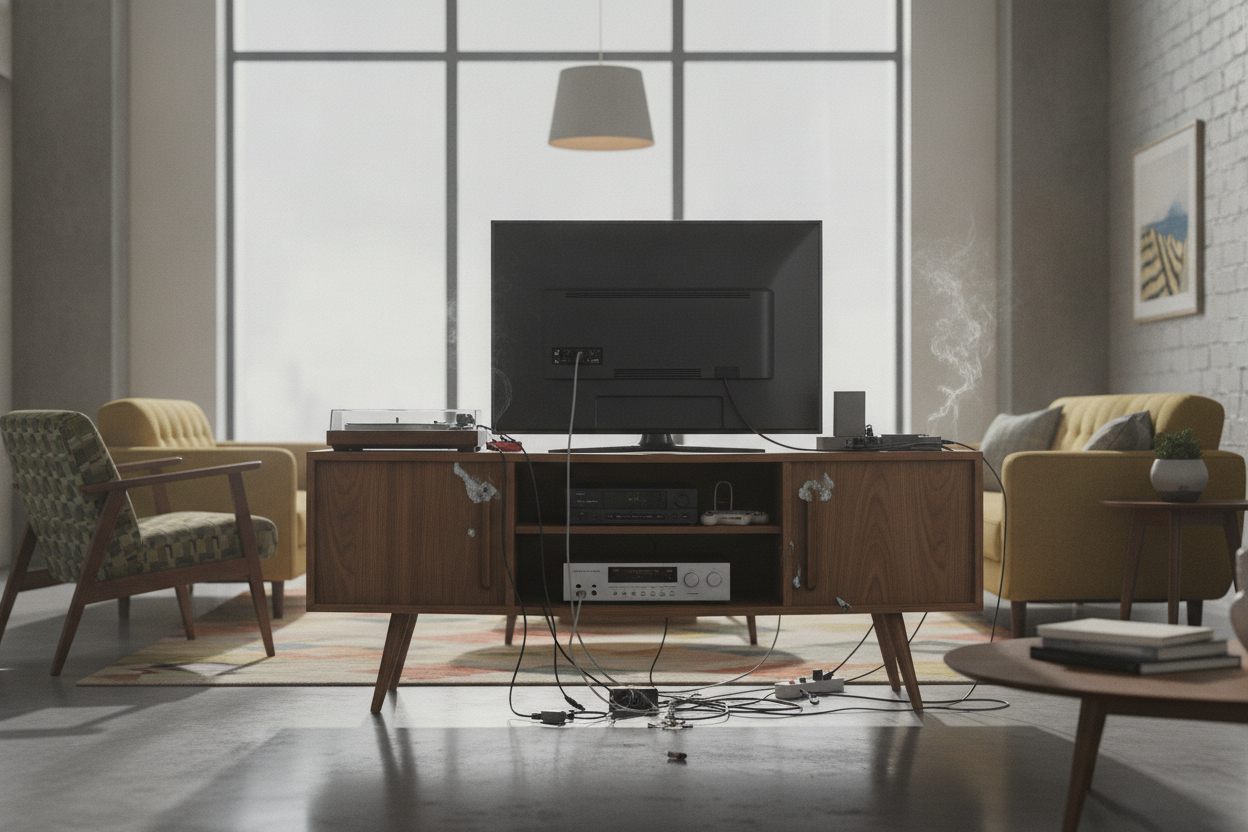
I also realized I missed integrated cable management. My home setup looked like a nest of black snakes behind my beautiful teak table. Real office work desks have grommet holes or under-desk trays to hide the mess. It’s a small detail, but it’s the difference between a clean mind and a cluttered one when you're staring at a deadline.
The Magic of Proper Desk Dimensions (and Movement)
Let’s talk about depth. Most home desks are 20 inches deep. That is a recipe for eye strain. You want 24 inches at a minimum, though 30 inches is the sweet spot for dual monitors. It allows you to push the screens back so your eyes can actually relax. I eventually upgraded to an ergonomic sit stand up desk because my body was never meant to stay in one position for eight hours.
Being able to move from sitting to standing with a single button press is the one corporate perk that is 100% worth the investment. It keeps your blood moving and stops that mid-afternoon slump. Plus, modern versions come in wood finishes that don't scream 'commercial office,' so you get the function without the fluorescent-light aesthetic.
What to Look for When You Buy an Office Desk Online
If you're ready to make the switch and want to find an office desk buy online, you have to be a bit of a detective. Don't trust the photos; look at the weight. A high-quality desk should be heavy. If a 60-inch desk weighs 40 pounds, it’s made of cheap honeycomb cardboard or thin particle board that will sag within a year. You want something with a weight capacity of at least 150 lbs.
I usually suggest people look for a sturdy writing computer desk that features a steel H-frame or T-legs. These provide the most legroom and the least amount of wobble. Avoid anything that uses those tiny cam-lock screws for the main structural support—they always loosen over time and leave you with a shaky surface.
Making Your Highly Functional Space Feel Personal
Once you have the sturdy, boring-but-effective desk in place, that’s when the styling starts. You don't have to keep it clinical. I added a heavy leather desk mat to mine, which instantly made the laminate top feel more expensive. A good brass task lamp or a few potted plants can take the edge off a functional piece of furniture.
You can decorate a small office at work or home by focusing on textures rather than clutter. Use a ceramic mug for your pens instead of a plastic cup. Buy a high-quality monitor arm to clear up desk space. These small touches make the workspace feel like yours, while the corporate-grade desk underneath does the heavy lifting for your spine.
FAQ
Is a 48-inch desk big enough?
It depends. For a laptop and a notebook, yes. If you use two monitors, you’ll feel cramped. Go for 55 or 60 inches if you have the floor space; you’ll never regret having more room, but you’ll always regret having less.
Why is my desk wobbling?
It’s usually a lack of cross-bracing. If your desk has four thin legs and no bar connecting them, it’s going to shake. Check the leveling feet first, but if that doesn't work, the frame itself is likely just too light for the task.
Is solid wood better than laminate?
Solid wood is beautiful and lasts forever, but high-pressure laminate (HPL) is actually better for heavy-duty work. It’s scratch-resistant, waterproof, and won’t warp if you spill your coffee. For a pure work surface, laminate is the unsung hero.

Leave a comment
This site is protected by hCaptcha and the hCaptcha Privacy Policy and Terms of Service apply.