










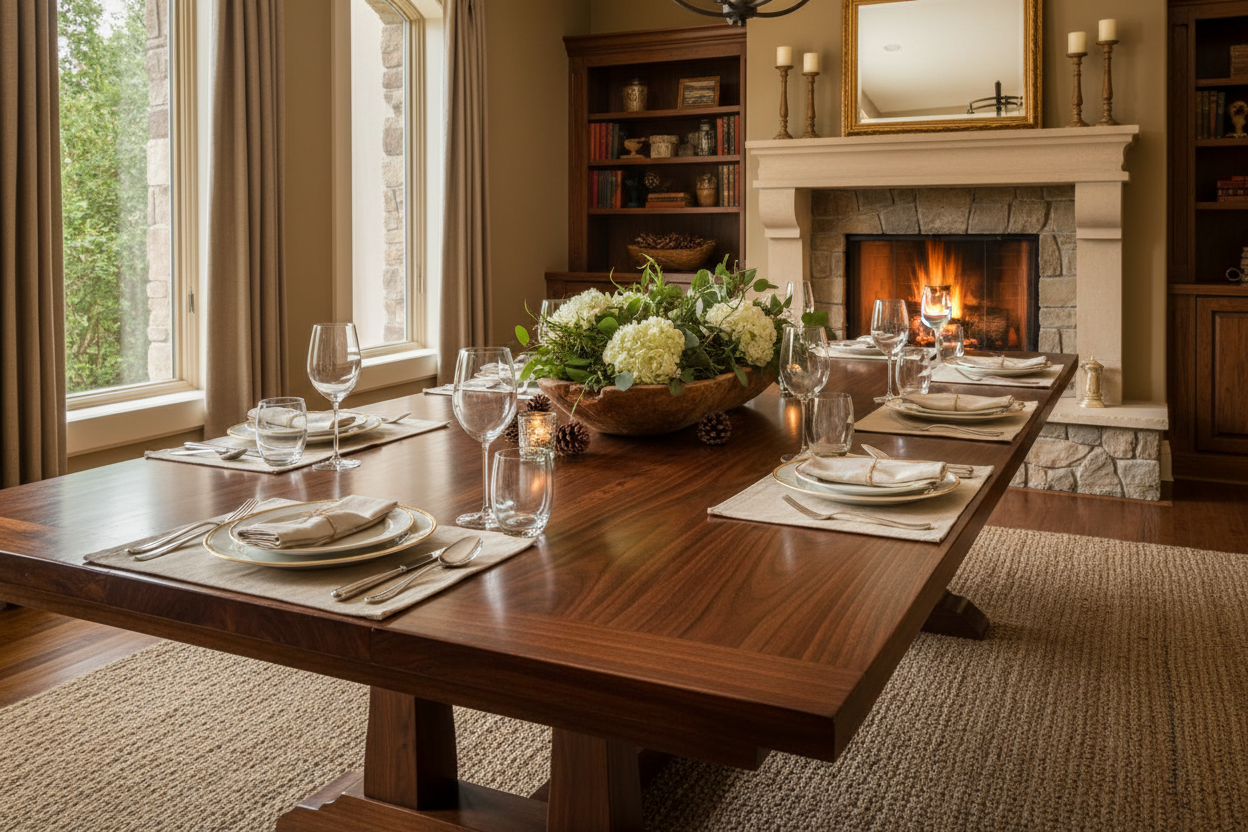
There is a specific warmth that only natural materials can bring to a room, and nowhere is this more impactful than the dining room. A wood dining table serves as more than just a surface for plates; it anchors the space, offers a tactile experience that glass or metal cannot replicate, and often outlasts the very home it sits in. If you are debating whether to invest in solid timber or settle for a composite alternative, the short answer is that real wood offers longevity and repairability that other materials simply cannot match. However, the type of lumber you choose dictates everything from the price tag to how much you’ll panic when a guest spills a glass of red wine.
Choosing the right piece requires looking past the stain color and understanding the grain, hardness, and construction underneath. Not all wood is created equal, and a dining table wood choice that works for a quiet couple might be a disaster for a family with toddlers. Let's break down what actually matters when you are standing in the showroom or browsing online.
Understanding Hardwoods vs. Softwoods
The terms "hardwood" and "softwood" are somewhat misleading. They refer to the type of tree the lumber comes from, not necessarily the physical density of the material, though there is usually a correlation. Understanding this distinction helps you predict how your table will age.
Hardwoods come from deciduous trees—those that lose their leaves annually. Common options include oak, maple, walnut, and cherry. These are generally the gold standard for a wood dining table because they resist deep scratches and dents. If you want a table that can withstand heavy daily use, homework sessions, and aggressive board game nights, you want a hardwood.
Softwoods come from coniferous trees like pine, fir, or cedar. While often more affordable, they are significantly more prone to dings. A pine farmhouse table has a distinct charm, but you have to be willing to accept that it will develop a patina of marks and indentations very quickly. For some, this distressed look is the goal; for others, it looks like damage.
Top Contenders for Durability and Style
Oak is perhaps the most traditional choice. It is incredibly hard-wearing and has a prominent grain pattern that hides dust and small fingerprints well. It is available in red and white varieties, fitting everything from rustic to modern Scandinavian aesthetics.
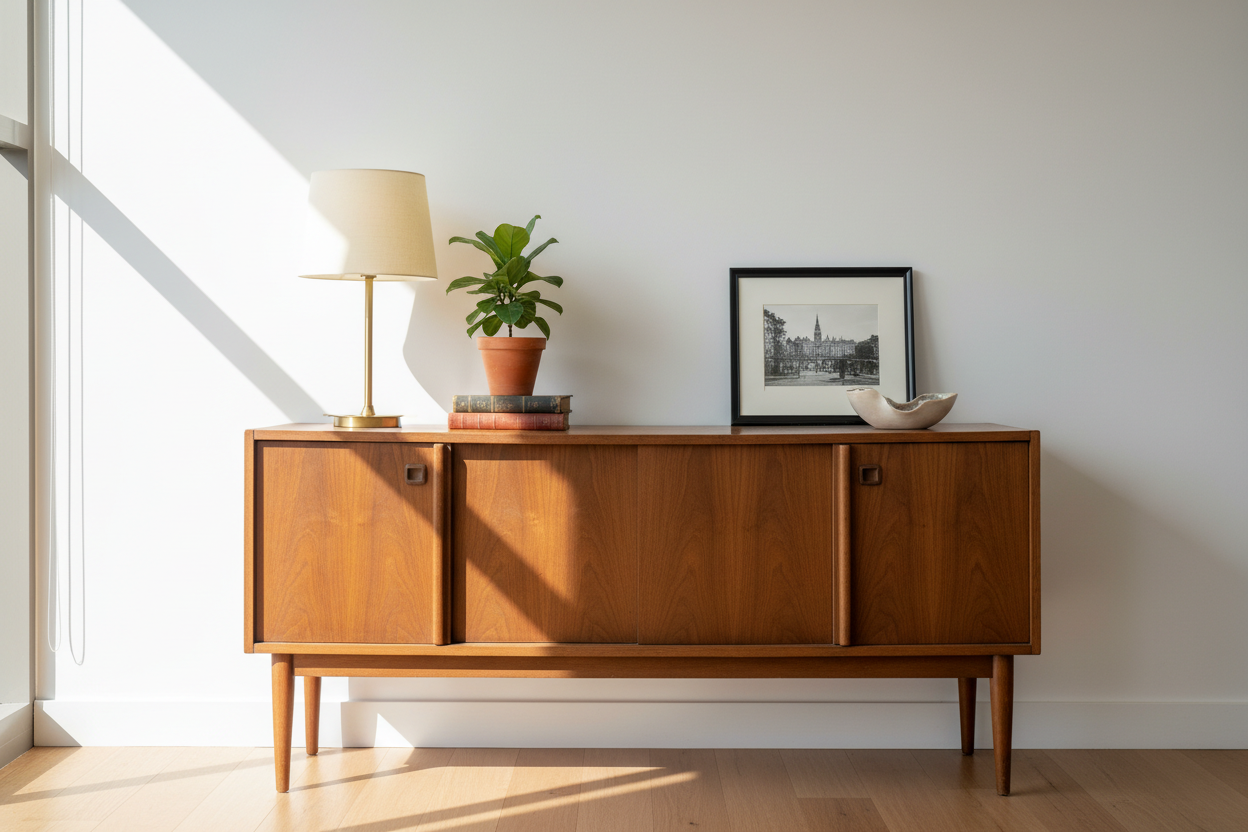
Walnut is prized for its rich, dark color and complex grain. It instantly elevates a room, making it a favorite for mid-century modern designs. However, walnut is slightly softer than oak, meaning it requires a bit more care to prevent surface scratches.
Maple offers a creamy, light consistency with a very subtle grain. It is one of the hardest domestic woods available. Because it takes dark stains unevenly, it is best left natural or stained by a professional who knows how to handle its density.
The Reality of Living with Wood: A Personal Perspective
I learned the difference between finish and durability the hard way with my first major furniture purchase. I bought a beautiful, dark-stained table that I thought was indestructible. It wasn't. Within a month, a hot pizza box left a cloudy white heat mark on the surface, and a dropped set of keys left a gouge that revealed the lighter wood underneath the stain. I spent the next five years covering those spots with placemats.
That experience shifted how I view furniture. Now, I look for oil finishes or lighter woods where scratches blend in rather than stand out. I eventually sanded that table down and refinished it myself—something you can only do if you buy solid wood. If that table had been veneer over particle board, the sanding would have ruined it instantly. That ability to repair and refresh the surface is the true value proposition of solid timber.
Solid Wood vs. Veneer: The Construction Debate
You will often see the term "veneer" used pejoratively, but high-quality veneer has its place. This construction involves a thin slice of premium dining table wood glued over a core of plywood or MDF. This method prevents the table from warping or cracking in environments with drastic humidity changes.
However, for a dining table, solid wood is generally superior for one reason: refinishing. A solid top can be sanded down multiple times over decades to remove stains, water rings, or child-induced art projects. A veneer table has a limited lifespan; once you scratch through that top layer, the piece is essentially done. If you are buying a piece intended to be an heirloom, verify that the top is solid lumber.
Finishes and Maintenance
The longevity of your table depends heavily on the finish. This is the barrier between your dinner and the wood fibers.
Polyurethane and lacquer create a hard, plastic-like shell on top of the wood. This offers the best protection against water and spills. It is low maintenance but difficult to repair. If the finish chips, you generally have to strip the entire surface to fix it properly.
Oil finishes (like linseed or tung oil) penetrate the grain rather than sitting on top. They offer a more matte, natural look and feel. The trade-off is that they offer less protection against liquids. You need to wipe up spills immediately. The benefit, however, is spot repair. If you get a scratch, you can lightly sand just that spot and rub in more oil. It requires more active maintenance but ages more gracefully.
Managing Environment and Humidity
Wood is a living material, even after it has been cut and kiln-dried. It expands when the air is humid and contracts when it is dry. This movement is natural, but it can cause problems if the table isn't built correctly or is placed in a bad spot.
Avoid placing a wood dining table directly over a heating vent or right next to a radiator. The direct heat can dry out the timber, leading to cracks or splitting along the grain. Similarly, prolonged exposure to direct sunlight can fade the color of the wood unevenly—cherry wood, for instance, darkens with light exposure, while walnut tends to lighten. Rotating your centerpiece or table runner occasionally ensures the color shifts evenly across the surface.
Making the Final Decision
When you are ready to buy, inspect the underside of the table. This is where manufacturers hide shortcuts. Look for kiln-dried stamps or evidence of how the legs are joined to the top. A table that wobbles in the showroom will not magically stabilize in your dining room. Ask about the finish type so you know exactly what maintenance will look like on Tuesday night after a spaghetti dinner.
Investing in a quality table is rarely a regret. While styles change, the appeal of natural grain and the sturdiness of a well-built piece remain constant. It becomes a member of the household, bearing the marks of family life while remaining functional and beautiful.
Frequently Asked Questions
Can I fix white heat rings on a wood table?
Yes, usually. White rings indicate moisture trapped in the finish, not the wood itself. You can often remove them by gently ironing a towel placed over the spot on a low, non-steam setting, or by using a specialized wood furniture restoration paste.
Is a pine table a bad idea for a family?
Not necessarily, but you must adjust your expectations. Pine is soft and will dent easily with toys, silverware, and writing pressure. If you enjoy a rustic, "lived-in" look, pine is excellent and affordable; if you want a pristine surface, stick to oak or maple.
How often should I oil my dining table?
If your table has a penetrating oil finish, you should re-oil it roughly every six months or whenever the wood looks dry and lighter in color. Tables with lacquer or polyurethane finishes do not need oiling and should only be cleaned with a damp cloth.

Leave a comment
This site is protected by hCaptcha and the hCaptcha Privacy Policy and Terms of Service apply.