










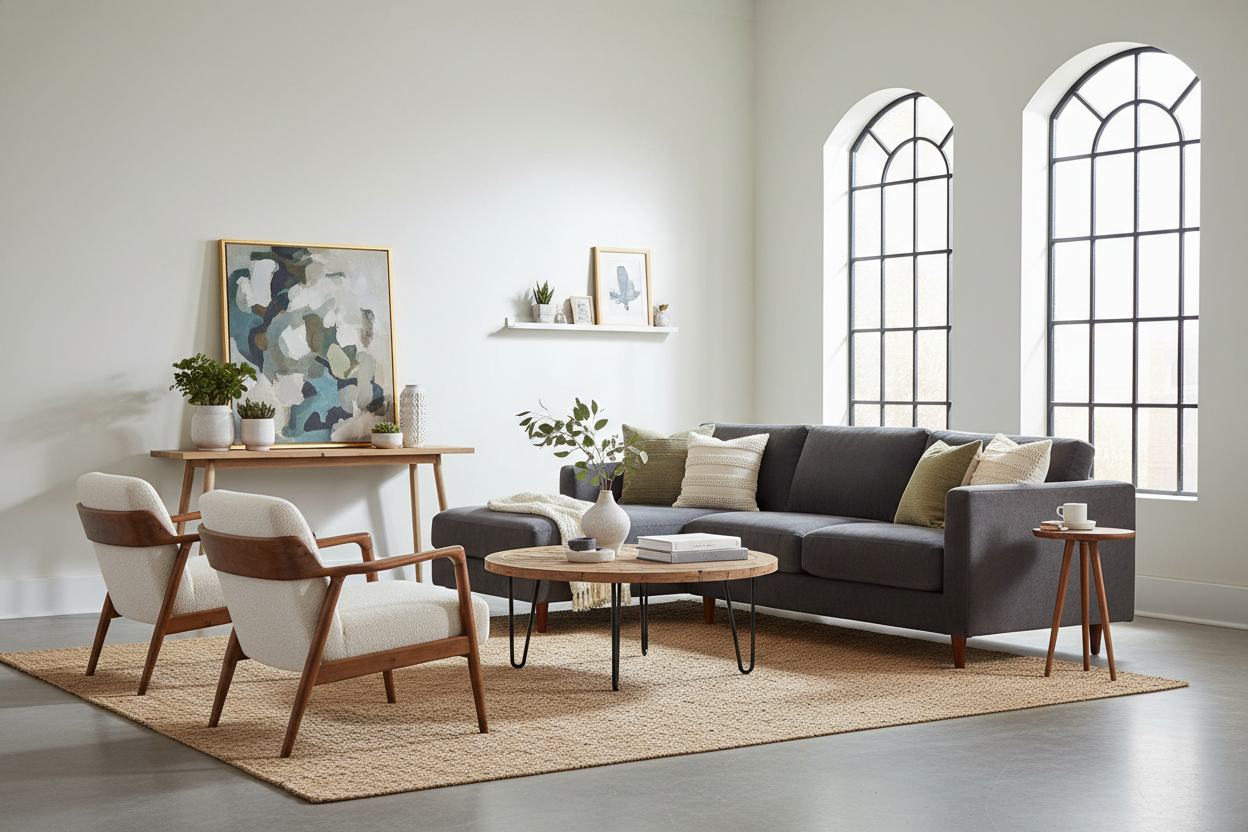
We have all been there: standing in a showroom or scrolling endlessly online, captivated by a sleek silhouette but paralyzed by the price tag. You are trying to balance the immediate visual appeal of Mid-Century Modern aesthetics with the long-term reality of pets, kids, and red wine spills. This is the central dilemma when considering west elm living room furniture. Does the quality hold up to the marketing? As a designer, I help clients navigate these waters daily to ensure their investment translates into lasting comfort, not just a photo-ready vignette.
Quick Decision Guide: What to Watch For
Before you commit to a purchase, review these critical factors to ensure the piece fits your lifestyle and architectural constraints:
- Scale and Profile: West Elm designs often feature lower profiles and compact footprints ideal for urban living but can feel lost in rooms with vaulted ceilings.
- Fabric Durability: Always look for "Performance" fabrics (high rub counts) if the furniture is for a high-traffic family room.
- Construction Grade: Check if the item is labeled "Contract Grade," which indicates it meets commercial standards for sturdiness and longevity.
- Cushion Fill: Distinguish between "Down Blend" (requires daily fluffing, very soft) and "Poly Foam" (maintains structure, firmer sit).
Analyzing Build Quality and Materiality
When curating a space, the tactile experience is just as vital as the visual one. West Elm occupies a specific niche: it is a step above fast furniture but sits below custom, trade-only workrooms. Understanding the materials is key to managing expectations.
The Framework: Solid Wood vs. Engineered
Many clients specifically look for that iconic "Acorn" finish. While the aesthetic is warm and inviting, you must differentiate between solid eucalyptus legs and veneered particleboard surfaces. Solid wood frames provide the structural rigidity needed for longevity. If you are eyeing a coffee table or console, inspect the joinery. Dovetail or mortise-and-tenon joints are indicators of quality that will prevent wobbling after a few years of use.
Upholstery and Performance
If you are looking for a complete west elm living room set, the fabric choice will dictate the room's maintenance level. I often steer clients toward their distressed velvets or performance basketweaves. These textiles offer depth and texture—crucial for avoiding a "flat" look—while resisting pilling better than their standard linen blends. High-performance fabrics are not just a buzzword; they are a necessity for preserving the piece's integrity against UV fading and friction.
Space Planning and Visual Weight
One of the most common errors I see is misjudging the scale. Living room furniture west elm designs are heavily influenced by 1950s and 60s proportions. This often means peg legs that create "negative space" underneath sofas and chairs.
This design trait is excellent for smaller apartments because seeing the floor beneath the furniture makes the room feel larger. However, in a large, open-concept home, you need to ground these lighter pieces with substantial rugs or heavier case goods to prevent the room from feeling like a dollhouse. Balance is everything.
My Personal Take on West Elm Living Room Furniture
I want to step away from the technical specs and share a candid observation from a project I installed last year. We selected the "Harmony" sectional—a very popular, deep-seated model. In the showroom, it feels like a cloud.
However, here is the unpolished truth I learned three months post-install: The down-filled cushions are incredibly comfortable, but they have zero "memory." If you are the type of person who needs your sofa to look crisp and tailored 24/7, this specific line will drive you crazy. Every time you stand up, it leaves a distinct "imprint" that requires vigorous fluffing to reset.
Conversely, I have a client with the "Mid-Century Show Wood" chair in a reading nook that has seen daily use for five years. The fabric has held up beautifully, but the finish on the arms is sensitive to oils from hands. We eventually had to use a touch-up pen to hide wear on the armrests. These aren't dealbreakers, but they are the nuanced realities of living with these pieces that product descriptions rarely mention.
Conclusion
Investing in West Elm furniture is about understanding the trade-off between accessible high-design and maintenance. If you choose the right performance fabrics and respect the scale of your room, these pieces can serve as beautiful anchors for your home. Don't just buy a look; buy for how you actually live.
Frequently Asked Questions
How do I maintain the "Acorn" finish on West Elm wood furniture?
The Acorn finish is beautiful but can be sensitive to moisture and heat. Always use coasters and trivets. For cleaning, avoid harsh chemical sprays; a damp, soft cloth followed immediately by a dry cloth is best to prevent water spots or finish clouding.
Is West Elm furniture suitable for small apartments?
Yes, this is actually where the brand shines. Many collections are designed with "apartment" sizing (scaled-down depths and widths). Look for their "Urban" or "Small Space" filters to find pieces that maximize flow without overcrowding tight square footage.
What is the difference between stock and custom upholstery orders?
Stock items usually ship within weeks, whereas custom upholstery is made-to-order and can take 10 to 16 weeks or more. While the wait is longer, customizing allows you to select high-performance fabrics that significantly extend the lifespan of the furniture compared to standard stock fabrics.

Leave a comment
This site is protected by hCaptcha and the hCaptcha Privacy Policy and Terms of Service apply.