










As an interior designer, I often watch clients hesitate before purchasing a high-quality ergonomic task chair. The sticker shock on a piece of well-engineered furniture can be real. However, shifting your mindset from "spending" to "investing" becomes much easier when you understand the financial implications. Specifically, understanding if an office chair tax deductible expense applies to your situation can effectively discount that premium price tag.
Quick Decision Guide: The "Write-Off" Checklist
Before you head to the showroom, review these critical factors to determine if your furniture qualifies for a tax break. This summary helps you navigate the intersection of design and finance.
- Exclusive Business Use: The item must be used strictly for your trade or business, not for watching Netflix on weekends.
- Ordinary and Necessary: The purchase must be common and helpful for your line of work (e.g., a desk for a writer, not a jacuzzi).
- Section 179 vs. Depreciation: Decide if you want to deduct the full cost this year (Section 179) or spread it out over the furniture's useful life (usually 7 years).
- Documentation: Always keep the itemized receipt and a photo of the furniture in its designated business setting.
Can You Write Off Office Furniture?
The short answer is usually yes, provided you are a freelancer, business owner, or self-employed individual. When clients ask, "is office furniture tax deductible?" they are often surprised to learn that the IRS views desks, shelving, and seating as tangible assets necessary for business operations. Whether you are outfitting a corporate suite or a corner of your living room, the government allows you to deduct office furniture to lower your taxable income.
However, the key is the phrase "ordinary and necessary." In the design world, this gives us leeway. A high-end ergonomic chair is necessary for preventing back pain during long work hours. A solid oak filing cabinet is ordinary for document storage. This office furniture tax deduction essentially allows you to buy better quality pieces that last longer, rather than replacing cheap "fast furniture" every two years.
The Home Office Nuance
Things get more specific when we discuss residential spaces. The home office furniture deduction is one of the most scrutinized areas of tax law. Many homeowners ask, "is home furniture tax deductible?" The answer depends entirely on the room's usage.
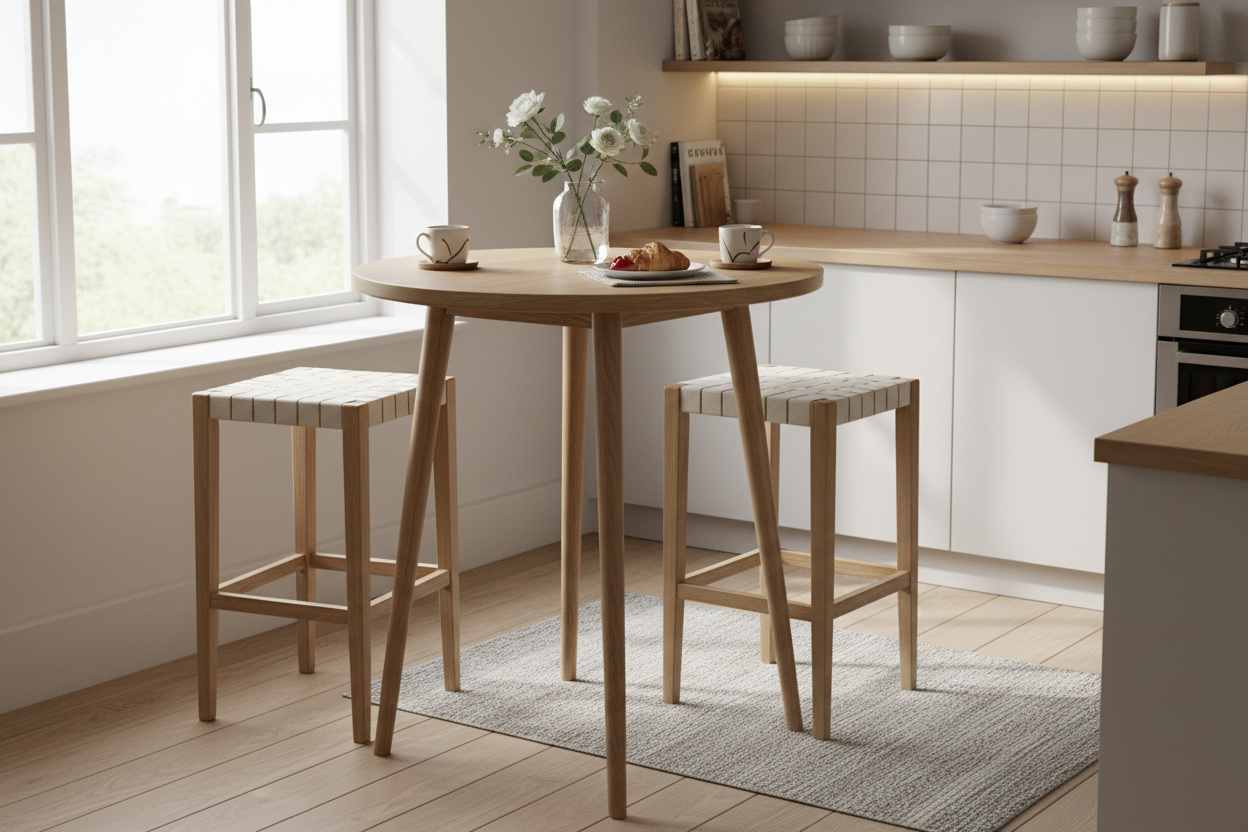
If you buy a beautiful mid-century modern credenza for your dining room and occasionally put your laptop on it, that is not deductible. However, if that same credenza lives in a dedicated room used exclusively for business, it qualifies. When considering is home office furniture tax deductible, remember the "exclusive use" rule. Visual separation helps here—using area rugs or shelving units to define the workspace within a larger room can sometimes help delineate the business area, though a separate room is always the safest bet for a home office furniture tax deduction.
Style vs. Functionality in Deductions
Does the IRS care if your chair is a designer piece? Generally, no. As long as the cost isn't "lavish or extravagant" (a vague legal term), you can choose the aesthetic that fits your brand. This means you don't have to settle for ugly, utilitarian utility. You can utilize the tax deduction furniture rules to curate a space that inspires you.
My Personal Take on Office Chair Investments
I want to share a lesson from my own home office renovation that goes beyond the tax code. A few years ago, I purchased a high-end mesh ergonomic chair, planning to use the Section 179 deduction to write off the entire cost immediately. On paper, it was a brilliant financial move.
However, living with the chair revealed something the tax forms didn't. While the mesh was breathable, I found that the hard plastic frame dug into my shoulder blades whenever I leaned back to take a call—something I do constantly. Furthermore, the "polished aluminum" base scratched my hardwood floor within three weeks because I ignored the caster type. The deduction was great, but the user experience was flawed.
I eventually swapped it for a leather-upholstered executive chair with soft-tread casters. The leather has developed a distinct patina on the left armrest where I lean my elbow while sketching. It looks "lived in" but sophisticated. The takeaway? Don't let the furniture tax deduction be the only reason you buy. Sit in the chair. Check the rub count on the fabric. Ensure the silhouette fits your body, not just your tax return.
Conclusion
Leveraging tax incentives allows you to elevate your workspace from adequate to exceptional. By understanding that is home furniture tax-deductible only when strictly used for business, you can make smarter purchasing decisions. Invest in pieces that offer ergonomic support and visual weight, knowing that your business is helping to foot the bill.
Frequently Asked Questions
Is furniture tax deductible if I am a W-2 employee working from home?
Generally, no. Since the Tax Cuts and Jobs Act of 2017, W-2 employees usually cannot claim a home office furniture tax deduction for unreimbursed employee expenses. This benefit is primarily for business owners and freelancers.
Can I deduct antique furniture for my office?
Yes, if it is used for business. However, antiques often do not depreciate in value like standard furniture, which can complicate how you deduct office furniture. Consult a tax professional regarding depreciation schedules for appreciating assets.
What is the useful life of office furniture for tax purposes?
For the purpose of a furniture tax deduction, the IRS typically assigns office furniture a class life of 7 years. You can depreciate the cost over this period or, in many cases, deduct the full cost in the year of purchase under Section 179.

Leave a comment
This site is protected by hCaptcha and the hCaptcha Privacy Policy and Terms of Service apply.