










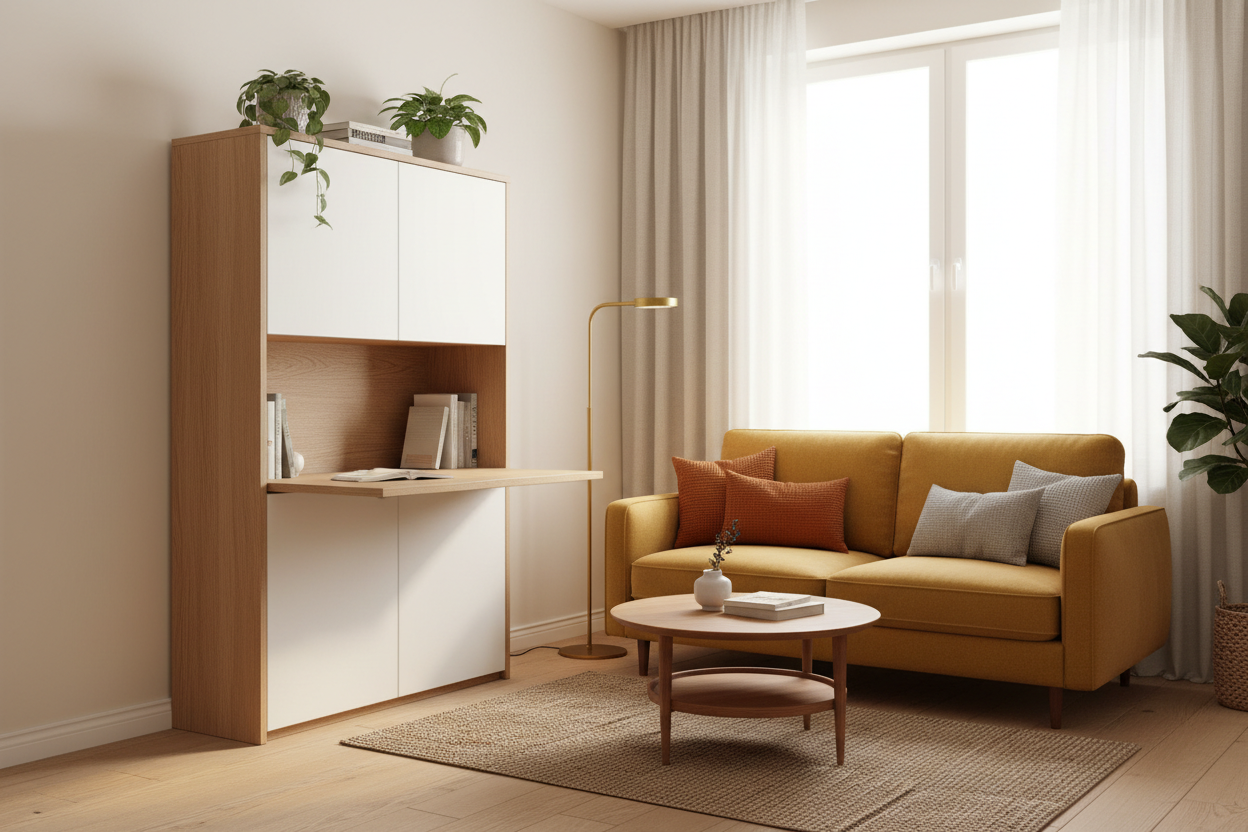
Living in a compact space often feels like a constant battle between keeping things organized and maintaining a sense of style. You want a room that feels open and airy, yet you desperately need somewhere to stash the board games, the spare throw blankets, and that tangle of charging cables. This is where the humble small cupboard for living room storage becomes the unsung hero of interior design. It isn't just a box with doors; it is a strategic tool for reclaiming your floor plan.
I recall my first apartment, which was charming but notoriously short on square footage. I made the rookie mistake of trying to force a standard-sized sideboard into a narrow lounge. It looked beautiful in the showroom, but once I wrestled it through the door, it dominated the room, blocking the flow of traffic and making the space feel claustrophobic. That experience taught me that scale is everything. Swapping that behemoth for a slimmer, taller cabinet didn't just save space; it actually made the ceiling look higher and the room feel curated rather than cluttered.
Understanding Scale and Visual Weight
When you are shopping for furniture for a tight area, physical dimensions are only half the story. You also need to consider visual weight. A heavy, dark oak cabinet that sits flush against the floor will look much larger than a white or light wood piece raised on legs, even if their measurements are identical. Seeing the floor continue underneath a piece of furniture tricks the eye into perceiving more floor space than actually exists.
For a small living room cupboard, look for designs with slender legs or even wall-mounted options. Floating units are fantastic because they leave the floor entirely visible, making cleaning easier and keeping the aesthetic light. If you must go for a piece that sits on the ground, consider glass-fronted doors or open shelving on top with closed storage below. This breaks up the solid block of material and prevents the piece from feeling like a monolith in the corner.
The Strategic Use of Alcoves and Corners
Most older homes, and even some new builds, have awkward nooks that often go unused. These are prime real estate for storage. Instead of letting a chimney breast alcove become a gathering place for dust bunnies, fitting a cupboard there creates a built-in look without the custom joinery price tag. A freestanding unit tucked into an alcove can serve as a media center or a mini-bar, keeping the main floor area clear.
Corners are another wasted opportunity. A triangular corner cabinet might seem old-fashioned, but modern iterations are sleek and incredibly practical. They utilize depth that usually goes to waste, allowing you to store surprisingly bulky items without encroaching on the central living space. This placement draws the eye to the perimeter of the room, effectively widening your field of vision.
Functionality Meets Aesthetics: Choosing the Right Unit
The market is flooded with sitting room units, but not all are created equal. You need to define exactly what function the cupboard will serve. Is it purely for hiding mess, or is it a display piece? If you have a collection of vinyl records or heavy books, you need solid wood or reinforced shelving. If it is for linens and light items, a lighter veneer or composite material will suffice.
Think about the door mechanism as well. In a really tight squeeze, standard doors that swing outward might hit the coffee table or block a walkway. Sliding doors or tambour doors (which roll back into the unit) are brilliant solutions for narrow rooms. They allow you to access your belongings without requiring extra clearance space in front of the unit.
Material Matters
The finish of your cupboard dictates the mood of the room. High-gloss finishes reflect light, which is excellent for brightening up a dark, small room. However, they can show fingerprints easily. Matte finishes or natural wood grains absorb light but add warmth and texture, which is vital if your room feels a bit sterile. Metal lockers offer an industrial edge and are virtually indestructible, making them a great choice for high-traffic family rooms.
Styling Your Compact Storage
Once you have your furniture in place, styling it correctly prevents it from becoming just another surface to clutter. The top of a waist-high cupboard is the perfect stage for a vignette. A table lamp adds a layer of ambient lighting, which is softer and more welcoming than overhead lights. Lean a mirror against the wall on top of the cabinet to bounce light around the room and create depth.
Limit the number of decor items to three or five pieces. A stack of coffee table books, a plant, and a sculptural object are usually enough. Overloading the top surface will undo all the hard work you did selecting a streamlined piece of furniture.
Integrating with Existing Furniture
A common fear is that a new piece won't match existing furniture. Perfect matching is actually a bit dated; focusing on tonal harmony is better. If your sofa is grey, a small living room cupboard in a deep teal or a soft sage green can look stunning. If you have a lot of wooden furniture, try to match the undertone (warm vs. cool) rather than the exact shade of wood. Alternatively, go for a completely contrasting material, like painted metal, to make the cupboard a statement piece rather than a failed attempt at matching.
For those dealing with open-plan living, smaller cupboards can act as subtle room dividers. Placing a low unit behind a sofa can demarcate the lounge area from a dining space without blocking the sightlines. This creates distinct zones within a small footprint, helping the room feel organized and intentional.
The Longevity of Modular Systems
If you are renting or plan to move in the future, modular sitting room units are a smart investment. These systems allow you to buy a single small cupboard now and add more matching units later as your space or budget allows. They offer the flexibility to reconfigure your layout—stacking them vertically in a narrow room or arranging them horizontally in a wider space. This adaptability ensures that your furniture evolves with your lifestyle, rather than becoming obsolete the next time you move house.
Final Thoughts on Selection
Selecting the right storage for a small lounge is about balance. You are balancing storage capacity against floor space, and functionality against style. Don't rush the decision. Measure your space, tape out the footprint on the floor, and live with the outline for a few days to see if it impedes your movement. The right cupboard will feel like it has always been there, quietly doing its job of hiding the chaos so you can relax in a peaceful environment.
Frequently Asked Questions
How deep should a small living room cupboard be?
For tight spaces, aim for a depth between 30cm and 40cm (12 to 16 inches). This is deep enough to store books, dinner plates, or folded linens, but shallow enough not to encroach significantly on your walking space or make the room feel cramped.
Can I use a kitchen wall cabinet as a floor cupboard in the living room?
Yes, this is a great hack for small spaces. Kitchen wall units are typically shallower than base units. You can mount them low on the wall to create a floating effect or add aftermarket furniture legs to turn them into a bespoke, slimline sideboard.
What is the best color for a cupboard in a small room?
Painting the cupboard the same color as the wall behind it allows it to blend in and virtually disappear, making the room feel larger. Alternatively, light neutral tones or natural wood keep the look airy, while a dark color can work if the unit is small and acts as an anchor point.

Leave a comment
This site is protected by hCaptcha and the hCaptcha Privacy Policy and Terms of Service apply.