










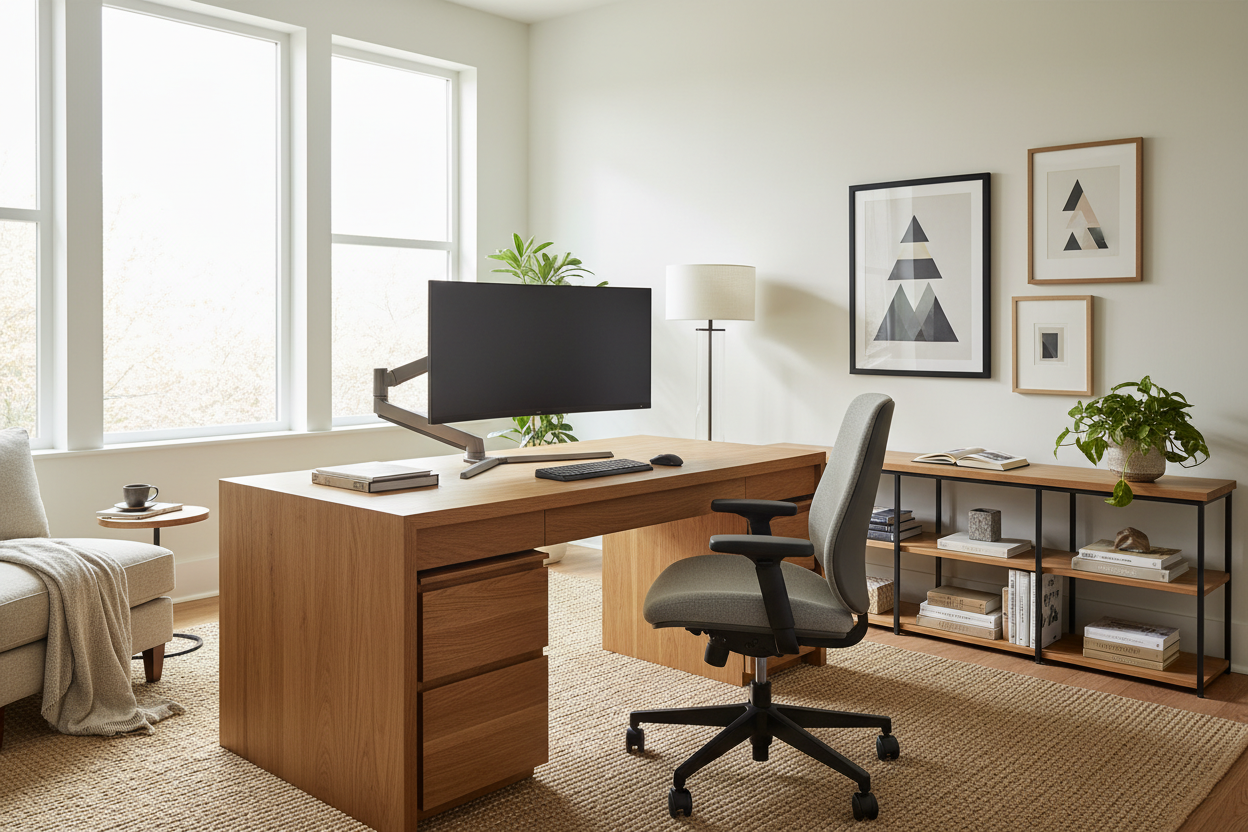
Many homeowners treat the workspace as an afterthought—a spare table shoved into a corner or a repurposed guest room with poor lighting. However, true productivity requires a deliberate approach to spatial planning. As professional home office designers, we know that a high-functioning workspace is not just about a desk and a chair; it is about psychological zoning and ergonomic precision.
Quick Decision Guide: What Matters Most?
Before you purchase furniture or commit to a layout, prioritize these fundamental elements. This checklist is what separates a makeshift station from a professional environment:
- Ergonomics Over Aesthetics: Ensure chair lumbar support and desk height align with your specific body measurements.
- Lighting Layers: Combine ambient overhead light with focused task lighting to reduce eye strain.
- Acoustic Control: Incorporate rugs, drapery, or acoustic panels to dampen echo and background noise.
- Material Tactility: Choose surfaces that feel good to the touch and resist daily wear (e.g., matte woods vs. cold glass).
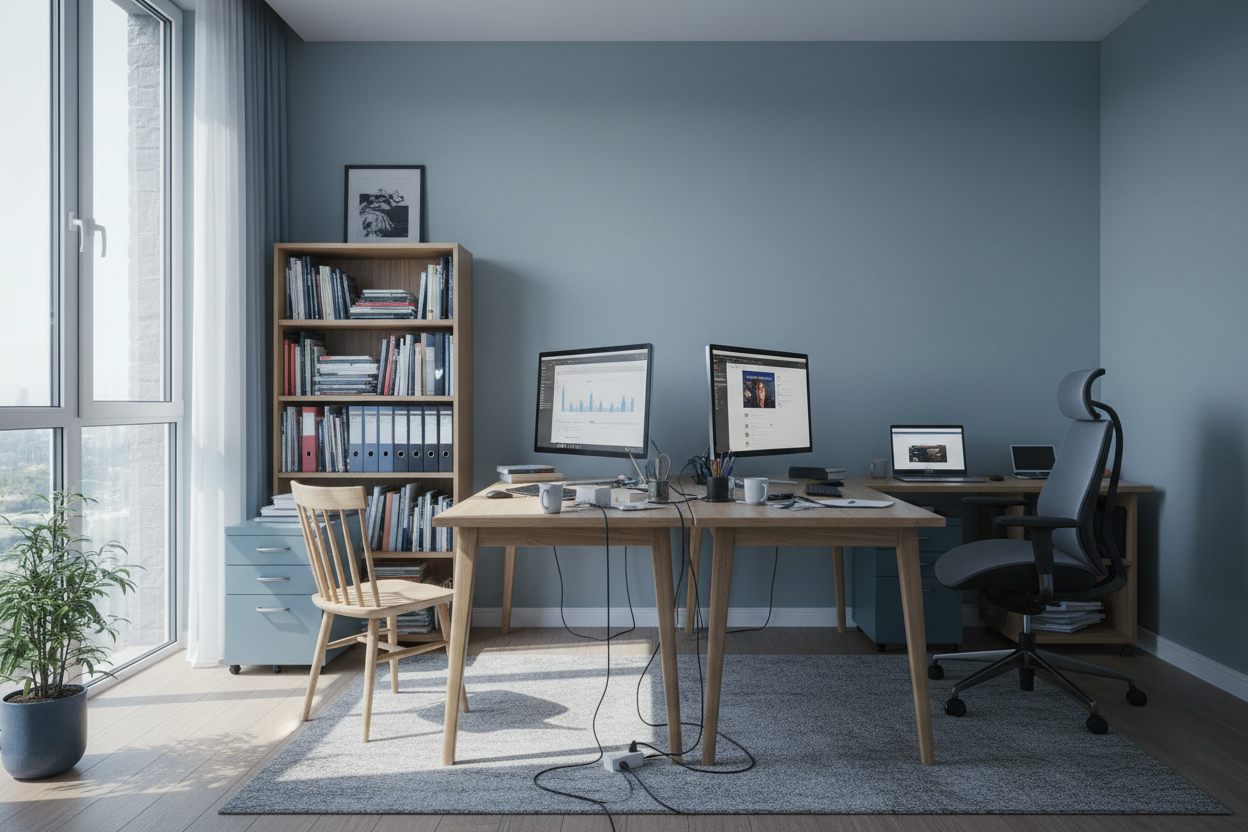
- Tech Management: Plan for concealed cable routing and accessible power outlets before placing furniture.
Mastering the Layout: Home and Office Design Integration
The challenge in residential workspaces is creating a distinct separation between professional obligations and personal relaxation. Successful home and office design relies on visual cues that signal to the brain when it is time to focus.
Positioning and Flow
Never face a wall if you can avoid it. The "command position"—facing the door but not directly in line with it—offers a sense of security and authority. If space allows, float the desk in the center of the room. This layout not only elevates the aesthetic but allows for better circulation and the ability to meet with others without the barrier of a wall.
Material Selection: Durability Meets Style
The surface you touch for eight hours a day matters. While veneers are cost-effective, they often chip at the edges over time. Solid wood, particularly walnut or white oak, offers longevity and can be refinished. However, be wary of softwoods like pine, which will dent under the pressure of a ballpoint pen.
For a more modern silhouette, consider matte nano-laminates (like Fenix). They resist fingerprints and offer a soft-touch finish that feels warmer than stone or glass, making long work sessions more comfortable on the wrists.
Lighting: The Invisible Design Element
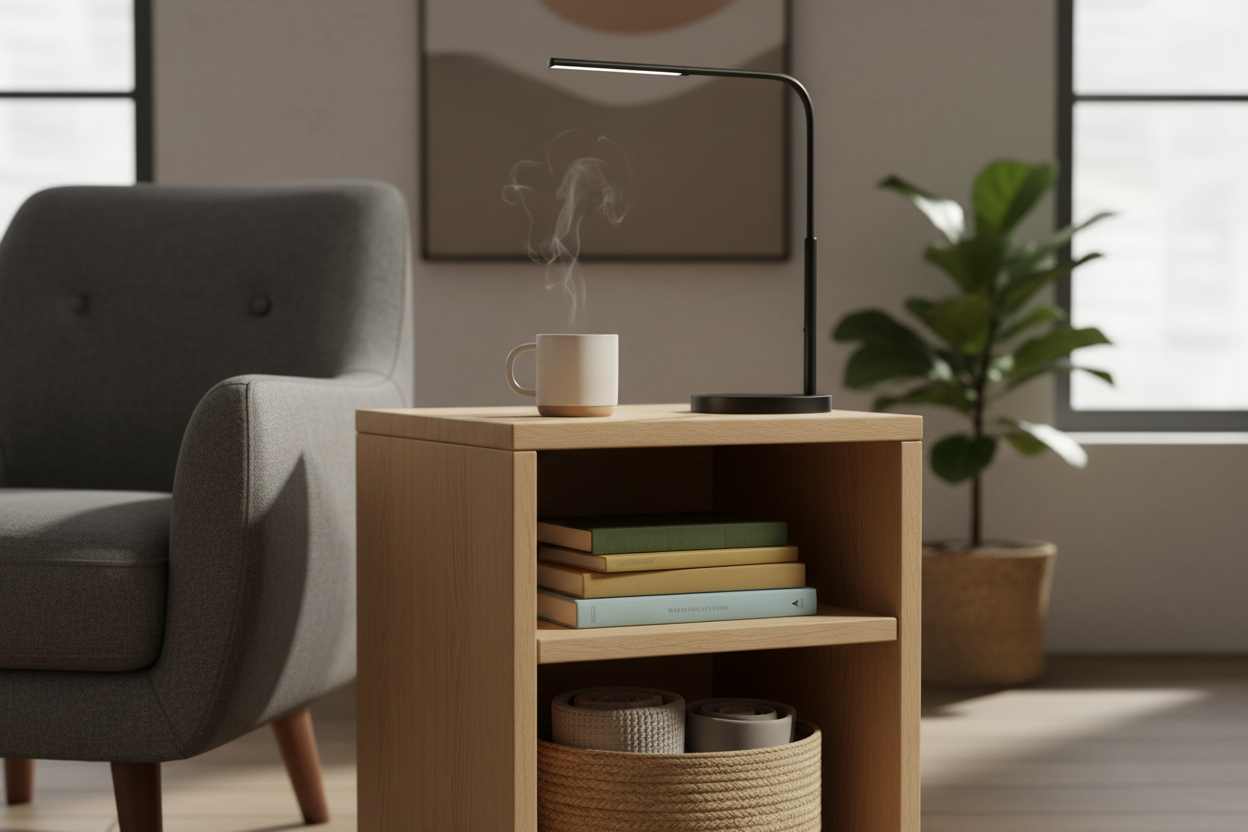
Standard residential lighting is rarely sufficient for detailed work. A professional lighting plan involves three layers: ambient (general room light), task (articulating desk lamps), and accent (bookshelf lighting or cove lights). The goal is to reduce the contrast between your bright monitor and the dark room behind it, which is the primary cause of computer vision syndrome.
Lessons from My Own Projects
I once had a client who was adamant about installing a sleek, custom-cut tempered glass desk to make their small office feel larger. Visually, it was stunning—totally transparent and airy. However, three months later, they called me back to replace it.
The reality of using the desk was vastly different from the concept. The glass was perpetually cold on their forearms, which became distracting during winter months. Worse, the optical mouse didn’t track well on the glass without a pad, and every single fingerprint or coffee cup ring created visual clutter that ruined the "clean" look they wanted. We swapped it for a leather-wrapped writing desk. It absorbed sound, felt warm to the touch, and developed a beautiful patina over time. It was a reminder that in design, tactile experience often trumps visual minimalism.
Creating Your Sanctuary
Designing a home office is an investment in your own efficiency and mental well-being. By focusing on quality materials, proper lighting, and a layout that commands respect, you create a space that supports your career rather than hindering it. Don't settle for temporary solutions; build a workspace that works as hard as you do.
Frequently Asked Questions
How much space do I really need for a functional home office?
At a minimum, you need a footprint of about 50 to 60 square feet to accommodate a standard desk (60" x 30") and allow for chair movement (at least 36" of clearance behind the desk). Anything less can feel claustrophobic and restrict movement.
What is the biggest mistake people make with office chairs?
Buying based on looks rather than rating. Many "executive" style chairs lack adjustable lumbar support or seat depth controls. Look for a chair rated for 8+ hours of sitting with a breathable mesh back or high-quality leather that regulates temperature.
How do I hide wires without drilling into walls?
Use furniture with integrated cable management channels. Alternatively, mount a cable tray or J-channel under the back of your desk to hold power strips and excess cord length. Use velcro sleeves to bundle cables running down the desk leg for a streamlined look.

Leave a comment
This site is protected by hCaptcha and the hCaptcha Privacy Policy and Terms of Service apply.