










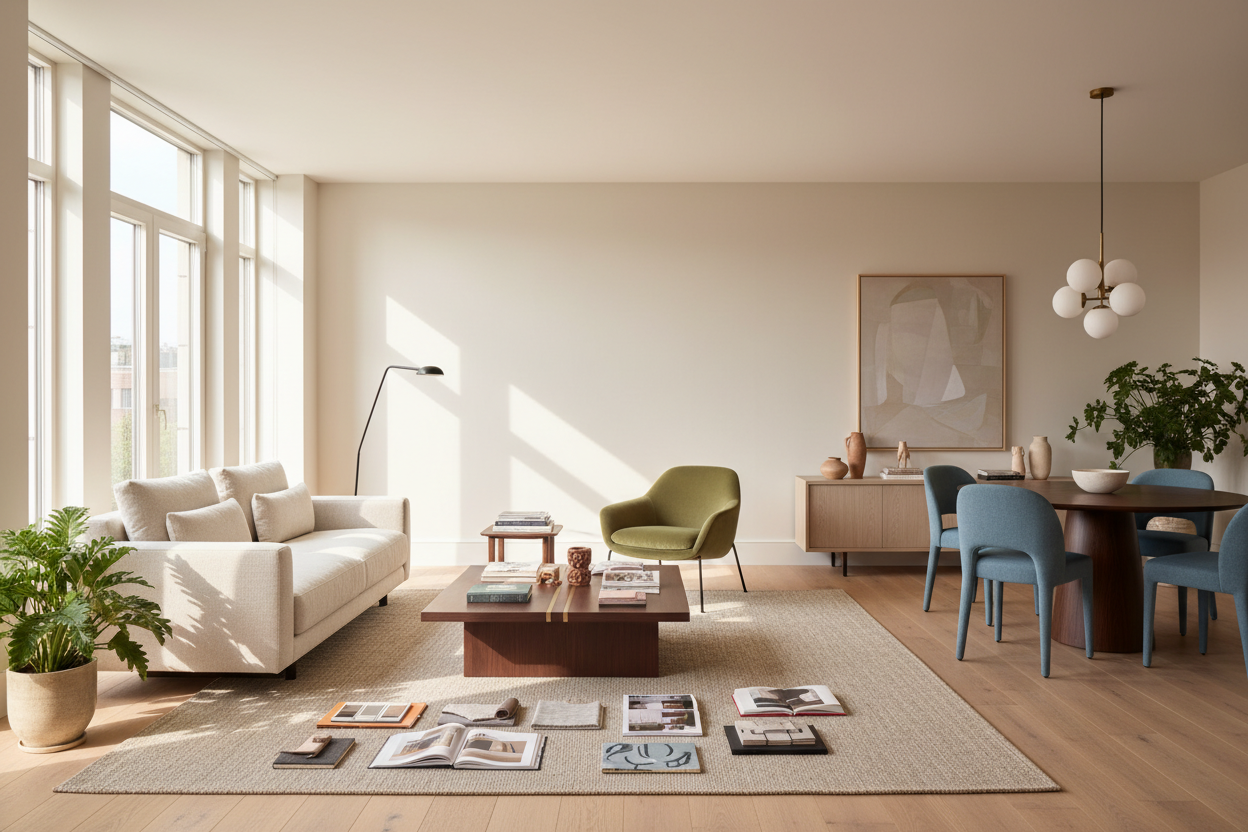
There is a distinct difference between a room filled with expensive objects and a room that feels curated, cohesive, and livable. The most common dilemma I see in client homes isn't a lack of budget; it is a lack of a unified vision. You buy a sofa you love in the showroom, only to find it dominates your living room and clashes with the rug. This article bridges the gap between inspiration and execution, ensuring your **ideas furniture** actually translates into a functional, sophisticated reality.
Key Features to Look For
- Scale and Proportion: Ensure the piece fits the room's footprint without blocking traffic flow (aim for 30-36 inches of walkway).
- Material Integrity: Prioritize kiln-dried hardwood frames and high-rub-count fabrics (over 25,000 double rubs) for longevity.
- Joinery Methods: Look for dovetail or mortise-and-tenon joints rather than staples and glue.
- Visual Weight: Balance heavy, grounded pieces with leggy, airy items to prevent the room from feeling cluttery.
Mastering Space Planning and Layout
Before purchasing anything, you must understand the architecture of your space. Great furniture ideas start with a floor plan, not a shopping cart. In interior design, we talk about "negative space"—the empty area around furniture. This is just as important as the furniture itself.
Defining Zones
In open-concept homes, use furniture to define "rooms" within the room. A sectional sofa with a console table behind it creates a distinct boundary between lounging and dining. Rugs are essential here; all front legs of your seating group should sit on the rug to anchor the zone.
The Flow of Movement
Consider the ergonomics of daily life. A coffee table should be roughly 14-18 inches from the sofa—close enough to set a drink down, but far enough to walk around. If you are tight on space, consider nesting tables or round ottomans which offer better flow than sharp, rectangular edges.
Choosing Materials That Age Gracefully
Sourcing the right ideas for furniture requires looking past the initial sheen. You want materials that develop a patina, not pieces that just look worn out.
Solid Wood vs. Veneer
While solid wood is the gold standard for refinishing potential, high-quality veneers over MDF are often more stable in climates with fluctuating humidity. However, avoid paper-thin veneers. When inspecting a piece, run your hand underneath the table edge; if it feels rough or unfinished, the manufacturer cut corners.
Upholstery Performance
For high-traffic areas, look for performance fabrics like Crypton or solution-dyed acrylics. These mimic the hand-feel of linen or velvet but repel stains. If you love the look of natural linen, be aware that it has low elasticity. Without a proper backing or high-density foam core, it will "puddle" or wrinkle significantly after just a few months of use.
Balancing Aesthetics and Function
A singular furniture idea can spark a whole design, but it needs to play well with others. This is about balancing visual weight.
Mixing Silhouettes
If you have a boxy, track-arm sofa (heavy visual weight), pair it with an armchair that has exposed legs and a curved back (light visual weight). This contrast keeps the eye moving and prevents the space from feeling static. When gathering ideas for home furniture, try to mix textures as well—pair smooth leather with nubby bouclé or cool marble with warm walnut.
Lessons from My Own Projects
I want to share a specific realization from a project I worked on in a converted loft. We sourced a stunning, low-profile modular sofa that looked incredible in the renderings. It was aesthetically perfect for the "minimalist luxury" brief.
However, six months later, I visited the client, and the reality was different. Because the sofa segments were light and the floor was polished concrete, the pieces drifted apart every time someone sat down aggressively. We hadn't accounted for the lack of friction. Furthermore, the "performance velvet" we chose had a directional nap that looked beautiful in the morning but looked chaotic and messy in the evening down-lighting because of how the fibers crushed.
The fix involved installing heavy-duty alligator clips underneath to lock the modules and steaming the velvet weekly. The lesson? Always check the connector hardware on modular pieces, and view your fabric swatches in the specific lighting conditions of your room, not just the showroom daylight.
Conclusion
Curating a home takes patience. By focusing on scale, material quality, and functional layout, you move beyond fleeting trends and invest in pieces that serve your life. Trust your touch, measure twice, and prioritize construction over the initial "wow" factor.
Frequently Asked Questions
How do I mix different wood tones in one room?
The secret is to keep the undertones consistent. You can mix a light oak with a dark walnut if they both have warm (yellow/red) undertones. Avoid mixing warm woods with cool, gray-washed woods, as this usually creates a clashing, disjointed look.
What are the best furniture ideas for small apartments?
Look for "double-duty" pieces. Ottomans with storage, drop-leaf dining tables, and wall-mounted desks save floor space. Also, choose furniture with exposed legs; seeing the floor underneath the furniture tricks the eye into thinking the room is larger.
Is custom furniture worth the investment?
For specific, hard-to-fit alcoves or primary upholstery (like your main sofa), custom is often worth it for the perfect fit and fabric durability. For accent pieces like side tables or nightstands, retail options are usually sufficient.

Leave a comment
This site is protected by hCaptcha and the hCaptcha Privacy Policy and Terms of Service apply.