










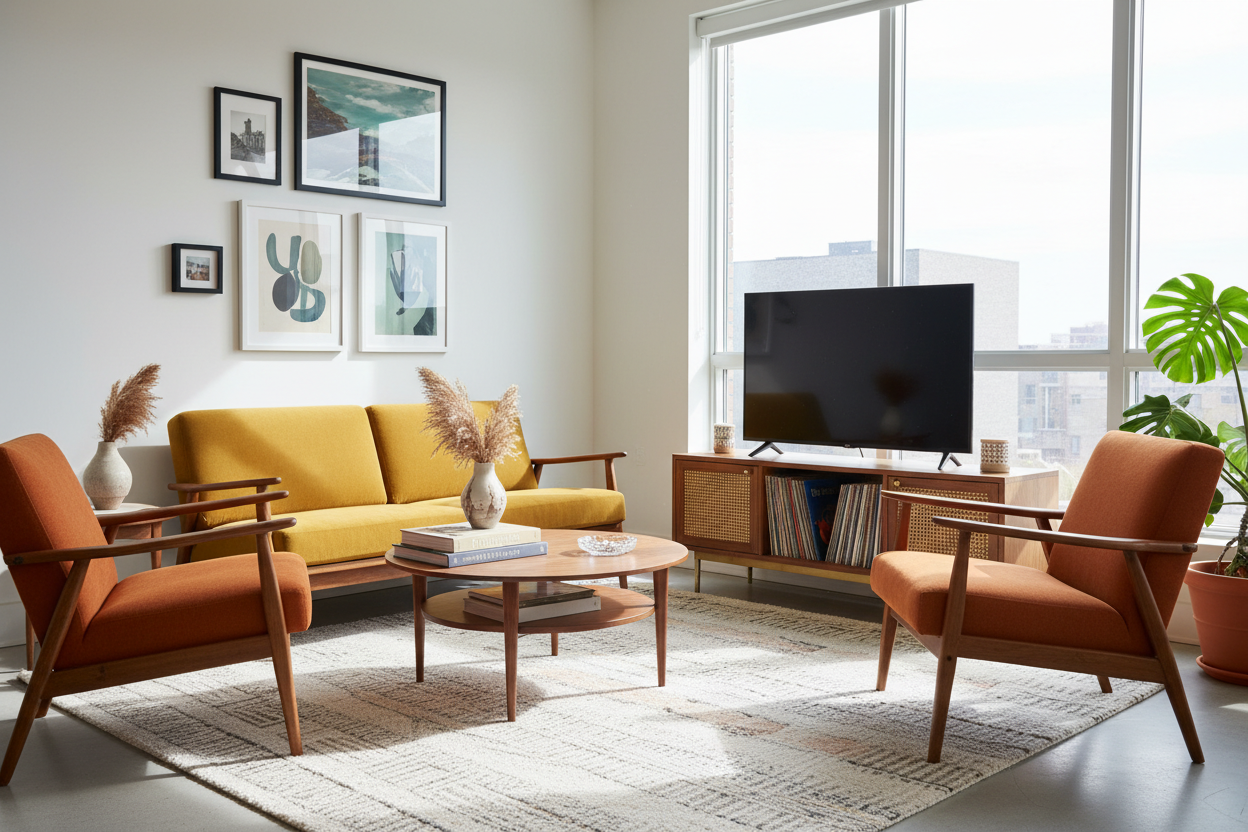
Finding a furniture piece that balances authentic retro charm with genuine functionality is a constant struggle in interior curation. We often sacrifice comfort for a silhouette, or end up with a generic look for the sake of utility. The ikea tajt sofa, a 1970s icon designed by Gillis Lundgren, challenges this compromise. Originally launched in 1973, this piece has transcended its budget-friendly origins to become a coveted item for collectors of the "anti-design" movement. Whether you have inherited an original or are scouring auction sites, understanding how to integrate this low-profile sleeper into a contemporary home requires a specific design eye.
Key Features to Look For
- Original Era: Authentic models date back to the early 1970s; look for the original denim or corduroy upholstery for maximum value.
- Mechanism: The hallmark of the tajt ikea design is its simplicity—it unfolds directly onto the floor to form a bed.
- Profile: Extremely low center of gravity. It functions as an armless lounger, making it distinct from standard sofas.
- Versatility: Ideally suited for multi-functional spaces like studios, lofts, or guest rooms where vertical space is limited.
Deconstructing the Silhouette
The Tajt is not your standard living room seating. It lacks the rigid internal frame of a traditional Chesterfield or Mid-Century Modern loveseat. Instead, it relies on high-density foam and a tubular metal support system (in some iterations) or simple fabric tension. From a design perspective, this creates a relaxed, slouchy visual weight. When placing a tajt sofa, you must account for the lack of visual obstruction. It preserves sightlines in a room, making it an excellent choice for placing in front of floor-to-ceiling windows or in the center of an open-plan room without dividing the space too harshly.
Materiality and Restoration
If you are lucky enough to find a tajt ikea piece in the wild, the condition of the upholstery is paramount. The original denim versions have likely faded, much like a vintage pair of Levi's. In my design practice, I often advise clients to embrace this patina rather than recovering it immediately. However, if the fabric is compromised, avoid reupholstering with heavy leathers or stiff synthetics. The design requires a pliable textile—think heavy-weight washed linen or a soft bouclé—to maintain that signature "beanbag-meets-sofa" aesthetic.
The Single Seater Variant
While the sofa is the headline act, the ikea tajt chair is equally compelling as an accent piece. Because it is essentially a single module of the sofa, it works exceptionally well in pairs. A common layout strategy is to flank a low coffee table with two Tajt chairs to create a conversation pit vibe that feels very true to the 1970s but fits within a modern minimalist ethos.
Spatial Planning: Where Does it Fit?
The most common mistake homeowners make with the Tajt is trying to force it into a formal living room arrangement. It rarely plays well next to a high-backed wing chair or a formal tuxedo sofa. The scale is simply too different. Instead, curate a "lounge zone." Pair the sofa with low-slung ottomans, floor lamps that cast downward ambient light, and rug textures that invite sitting on the floor. The transition from the sofa to the floor should feel seamless.
My Personal Take on the IKEA Tajt Sofa
I remember sourcing a vintage denim Tajt for a client’s loft in Brooklyn about three years ago. On paper, it was the perfect aesthetic fit. However, when it arrived, I learned a harsh lesson about vintage foam. The original 1973 foam had completely calcified and crumbled inside the cover—it sounded like crunching dry leaves every time you sat down.
We had to have a custom upholsterer carefully unzip the fragile original zipper (which is prone to snapping on these models) and replace the internals with a modern high-resilience foam. The nuance here is density: if you use standard foam, you will sink right to the floor because the Tajt has no springs. We had to use an extra-firm core with a memory foam wrap to replicate the original support while adding modern comfort. If you are buying one, always unzip it and check the foam quality first; it’s a hidden cost most people forget.
Conclusion
The IKEA Tajt is more than just furniture; it is a piece of design history that represents a shift toward casual, democratic living. By respecting its low profile and pairing it with the right textures, you can elevate this vintage find from a retro oddity to a sophisticated focal point. It proves that good design doesn't age; it just waits for the right context.
Frequently Asked Questions
Is the IKEA Tajt sofa comfortable for everyday sleeping?
It is best suited for occasional guests. Because it unfolds directly onto the floor, it lacks the ergonomic support of a mattress with springs. For a night or two, it is perfectly adequate, but I wouldn't recommend it as a primary bed.
Can I still buy covers for the Tajt series?
IKEA discontinued this model decades ago, so you cannot buy off-the-shelf covers from the retailer. However, there is a niche market of custom cover makers on platforms like Etsy who have the patterns for the ikea tajt chair and sofa.
What are the dimensions of the Tajt sofa?
While dimensions varied slightly over production years, the sofa is generally compact, measuring roughly 55 inches wide. Its defining feature is its low seat height, often sitting less than 12 inches from the ground.

Leave a comment
This site is protected by hCaptcha and the hCaptcha Privacy Policy and Terms of Service apply.