


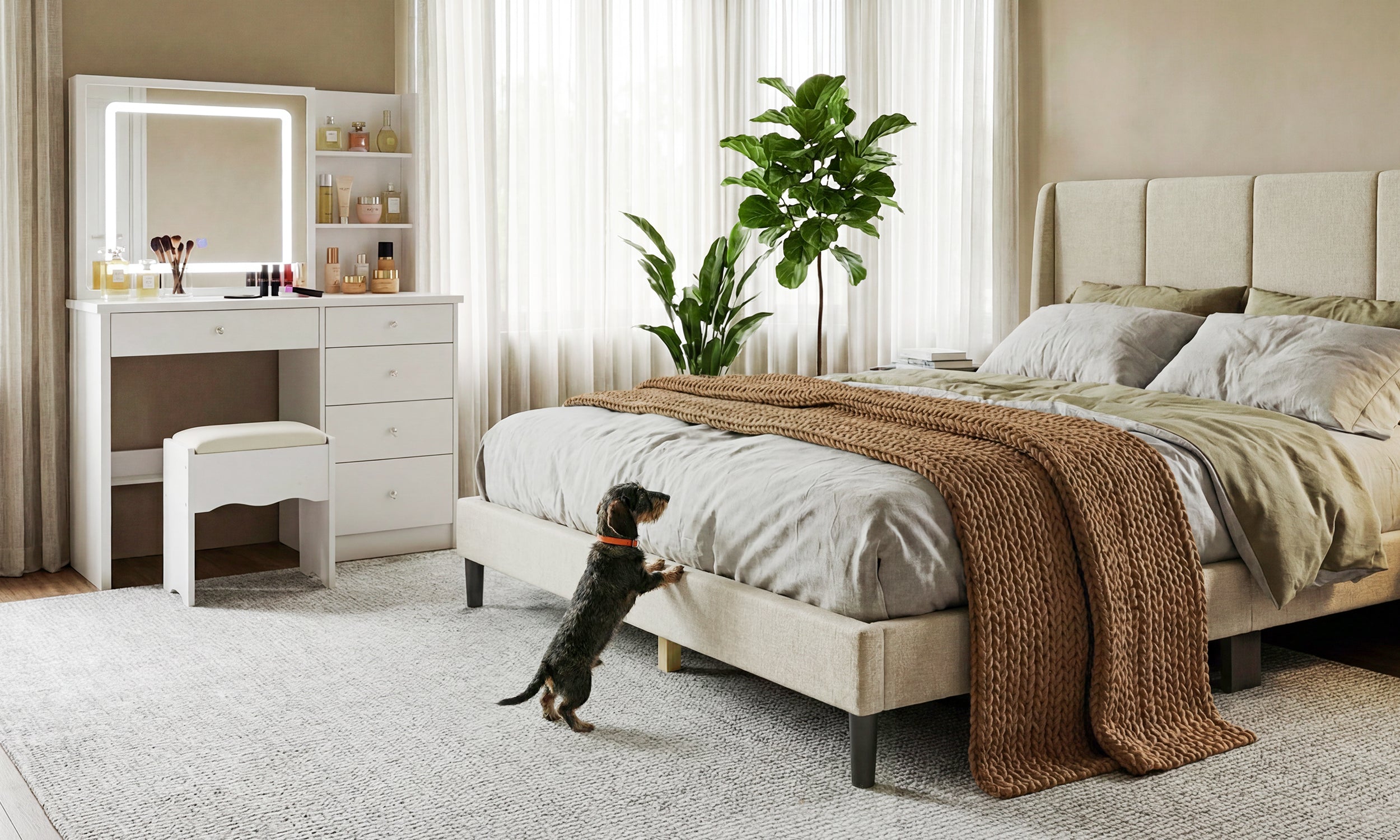
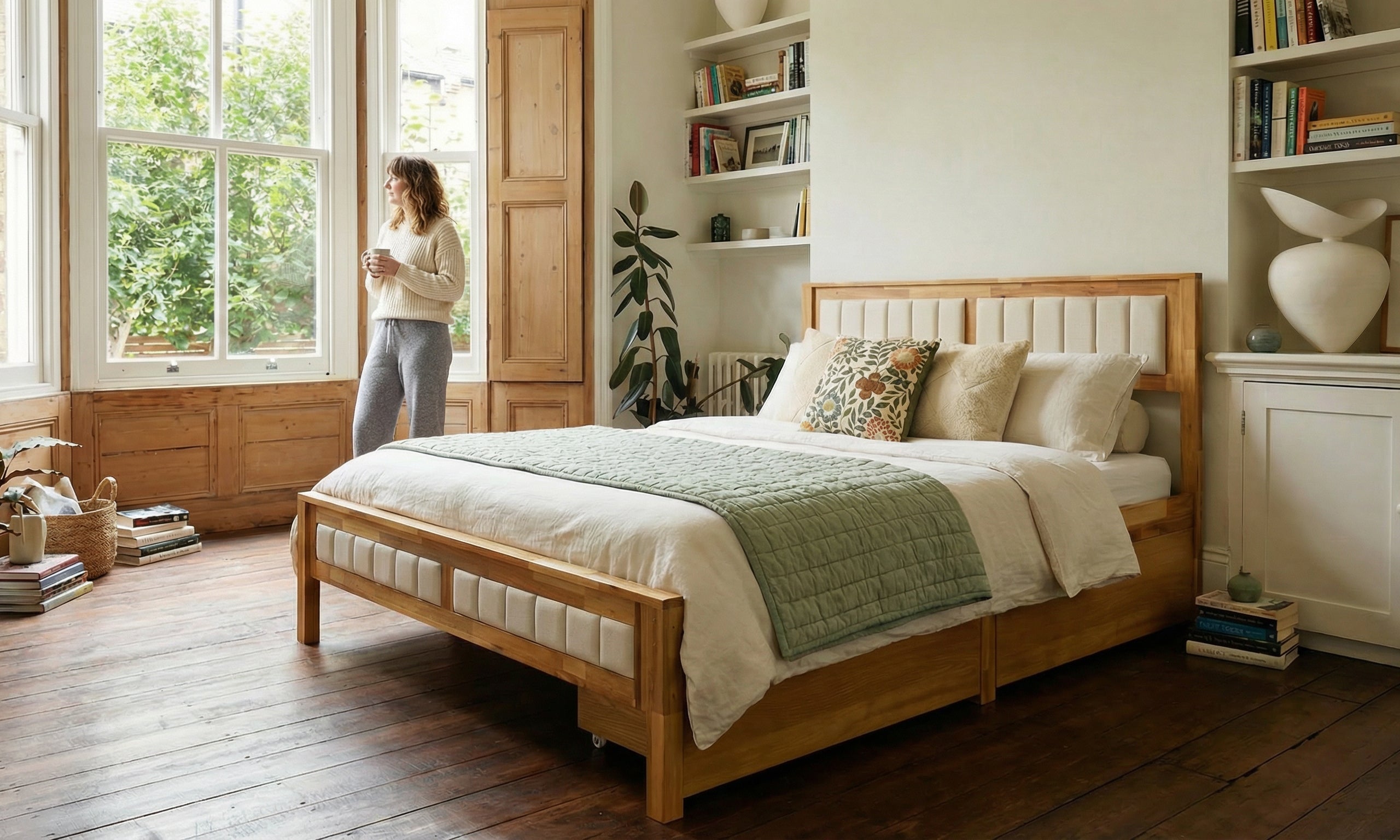


Creating an effective home workspace does not always require purchasing a dedicated office table. As modern living spaces prioritize multifunctional utility and cohesive interior aesthetics, many homeowners and renters find that traditional office furniture disrupts the visual harmony of a room or demands more dedicated floor area than is practical. Exploring an alternative desk setup allows you to integrate working surfaces seamlessly into existing living areas, alcoves, and dining spaces while maintaining high functional utility.
Why Consider an Alternative Desk Setup?
Spatial Constraints and Multi-Purpose Living
In compact homes, studio apartments, and shared environments, dedicating an entire room or large footprint to a single-purpose work table can create visual clutter and restrict movement. When you choose an alternative to a desk, you can use furniture pieces that serve dual functions throughout the day, transitioning from an everyday decorative surface to an active task station when working hours begin.
Aesthetic Cohesion Beyond Utility Office Furniture
Standard office desks often prioritize industrial utility over residential warmth. When designing an office zone in a living room or bedroom, an unconventional surface—such as a refined console, an entryway credenza, or a drop-front secretary—blends more naturally with surrounding upholstery and cabinetry. Reviewing standard reference options in a computer desk collection can help you evaluate baseline dimensions before selecting an adaptable residential piece.
Storage Consolidation and Concealment Needs
Open desks frequently leave hardware, power cords, and documents exposed to common areas. Unconventional workstations excel at visual containment, offering closed doors, discreet pull-outs, and integrated shelving that allow you to tuck away task clutter as soon as your workday concludes.
Unconventional Desk Categories and Structural Formats
The Drop-Leaf Console and Sofa Table Adaptation
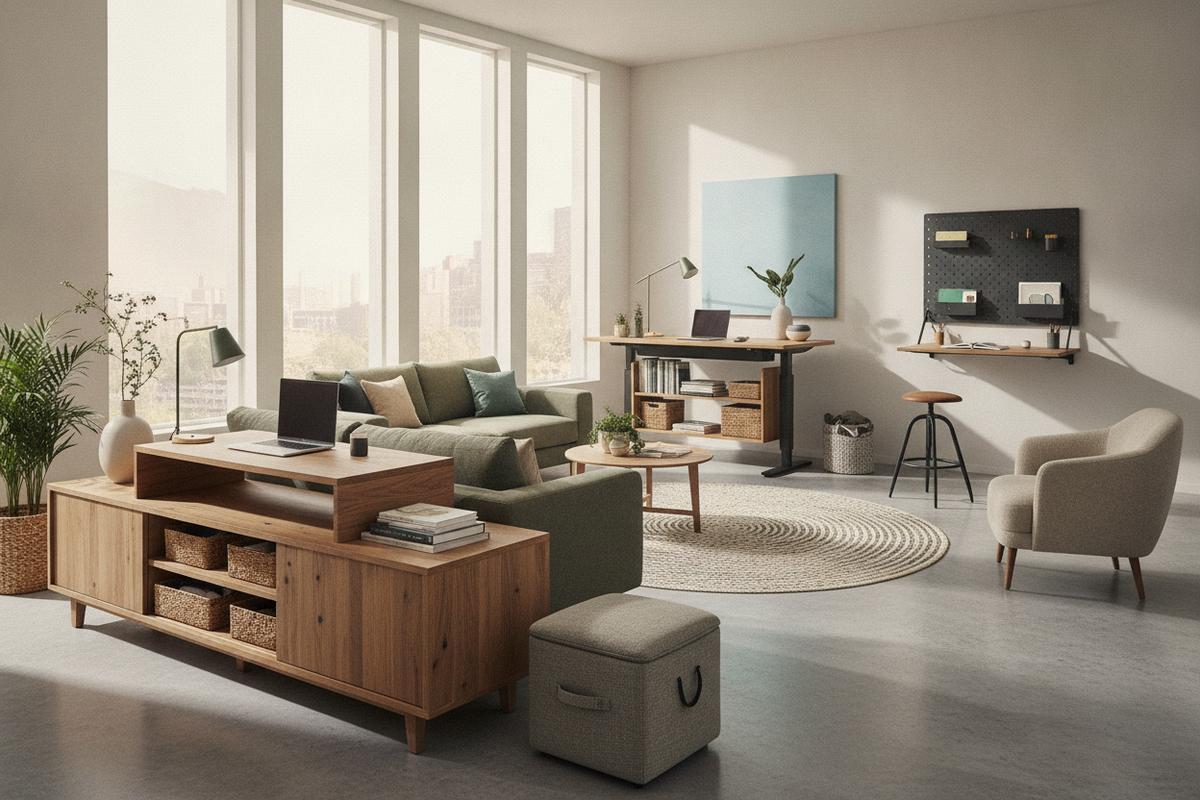
Sofa tables and narrow console units provide streamlined footprints that fit directly behind living room seating or along entry corridors. Units equipped with drop-leaf extensions or fold-down leaves can expand on demand to support a laptop and writing pad, then fold flat against the wall to preserve floor space.
Wall-Mounted Drop-Front Cabinets and Floating Surfaces
Floating shelves and wall-hung drop-front cabinets eliminate floor legs entirely, creating an airy profile in narrow hallways or compact bedrooms. When closed, these units resemble clean decorative wall features, but lowering the front panel reveals an integrated writing ledge with organizational cubbies inside.
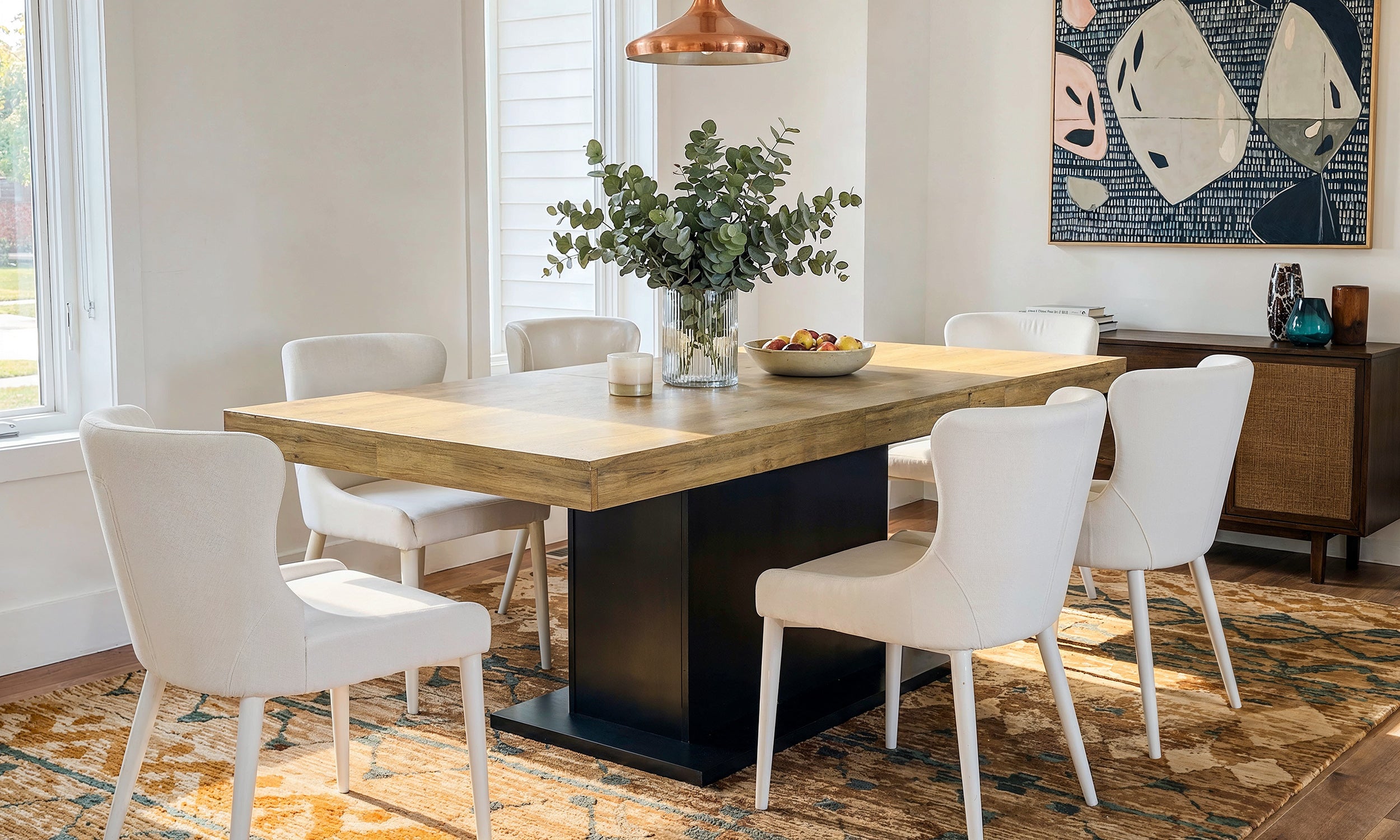
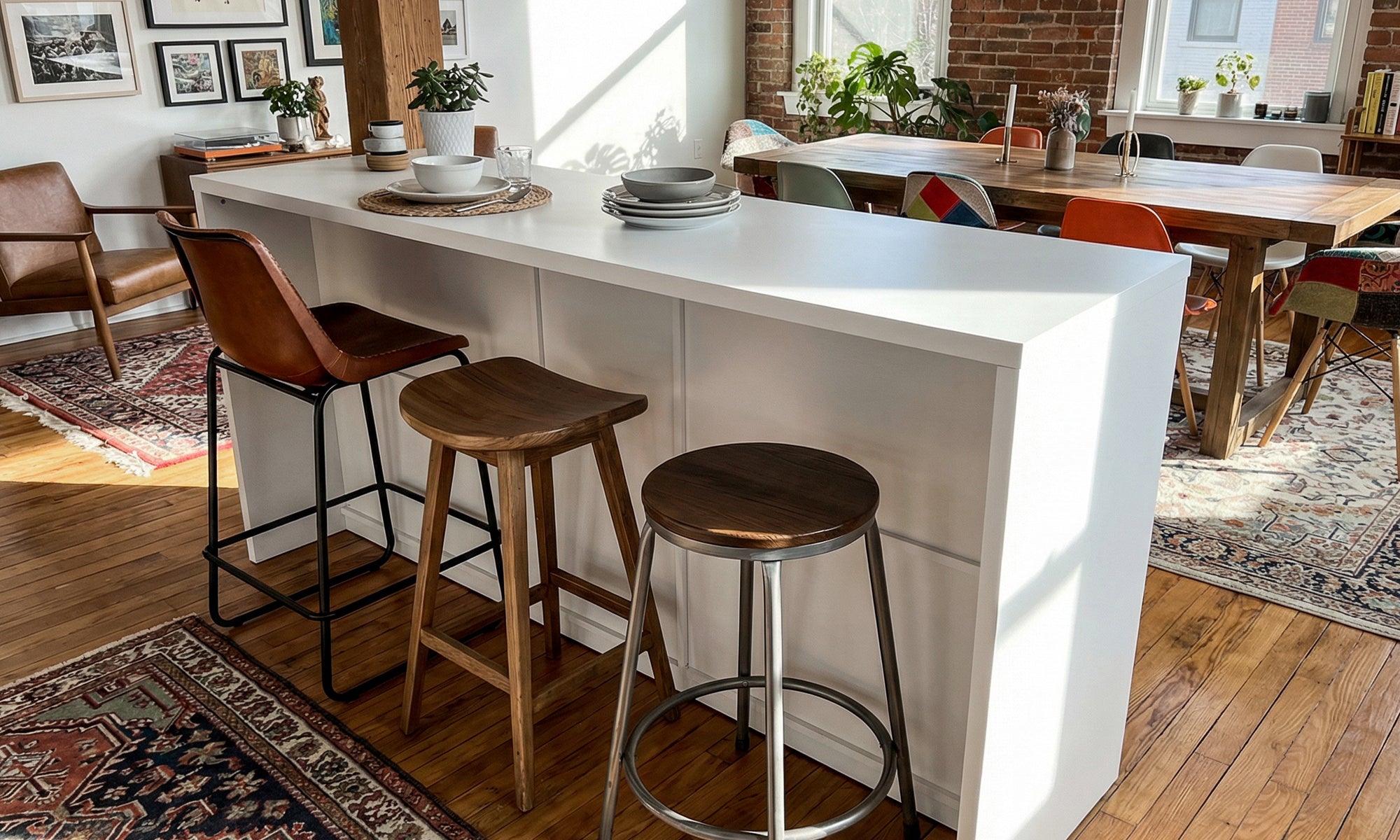
Multi-Functional Dining Tables and Kitchen Counter Bridges
For those who require expansive surface area for large documents, multiple devices, or creative tasks, dining tables and extended counter ledges act as natural desk alternatives. They offer generous legroom and easy collaboration opportunities, though they require disciplined cable management and daily clearing habits to support meal times.
The Armoire and Wardrobe 'Cloffice' Conversion
Repurposing a tall wardrobe or dedicated armoire provides an all-in-one workstation that can be hidden behind closed cabinet doors. This approach keeps peripherals, paperwork, and monitors completely out of sight. For a deeper look into tall cabinet adaptations, read our computer desk guide on concealed armoire workstations.
Dimensional Decision Framework for Desk Alternatives
Surface Depth and Monitor Viewing Clearances
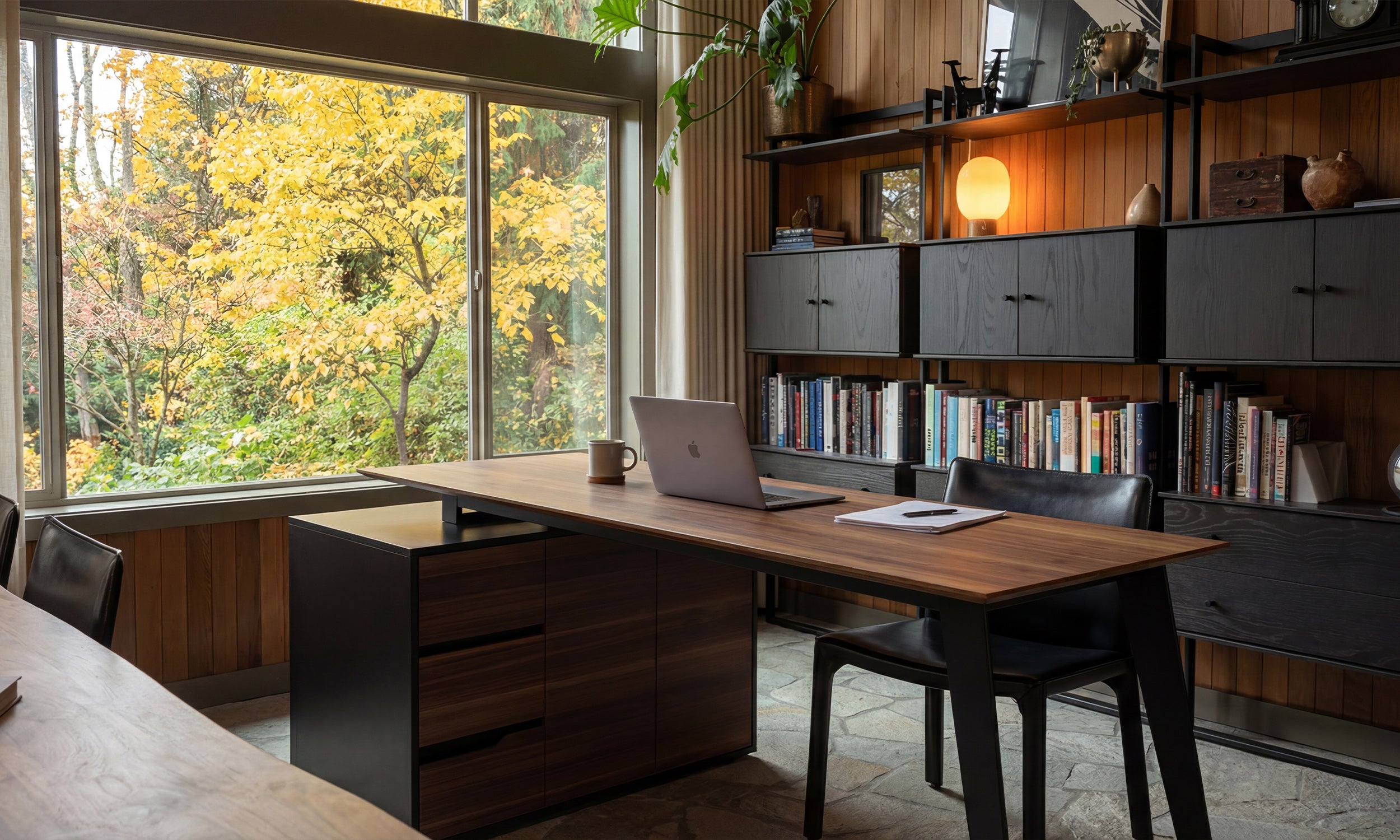
When evaluating what to use instead of a desk, measuring usable depth is essential. Narrow consoles may accommodate slim laptops comfortably, but secondary monitors and full-size keyboards require deeper surfaces to maintain a comfortable viewing distance and forearm support. While standalone wooden options like this desk computer product offer balanced dedicated depths, alternative furniture conversions must be checked carefully to ensure screens do not sit uncomfortably close to your seating position.
Knee Clearance and Under-Frame Structural Baselines
Before committing to an alternative to desk furniture piece, inspect the lower frame. Many decorative sideboards, credenzas, and storage chests feature bottom stretchers or structural dividers that block leg clearance. Ensure the clearance height and width allow your chair to pull up cleanly without obstructing your knees or thighs.
Vertical Storage Height and Wall Anchor Tolerances
Floating ledges and wall-hung units depend heavily on secure framing. Verify that wall studs or heavy-duty anchors support both the furniture structure and any equipment placed on top. Pay attention to how high the work surface rests relative to your chosen chair to avoid raised-shoulder tension.
Integrating Storage, Cable Routing, and Hardware
Concealed Storage Units and Sideboard Configurations
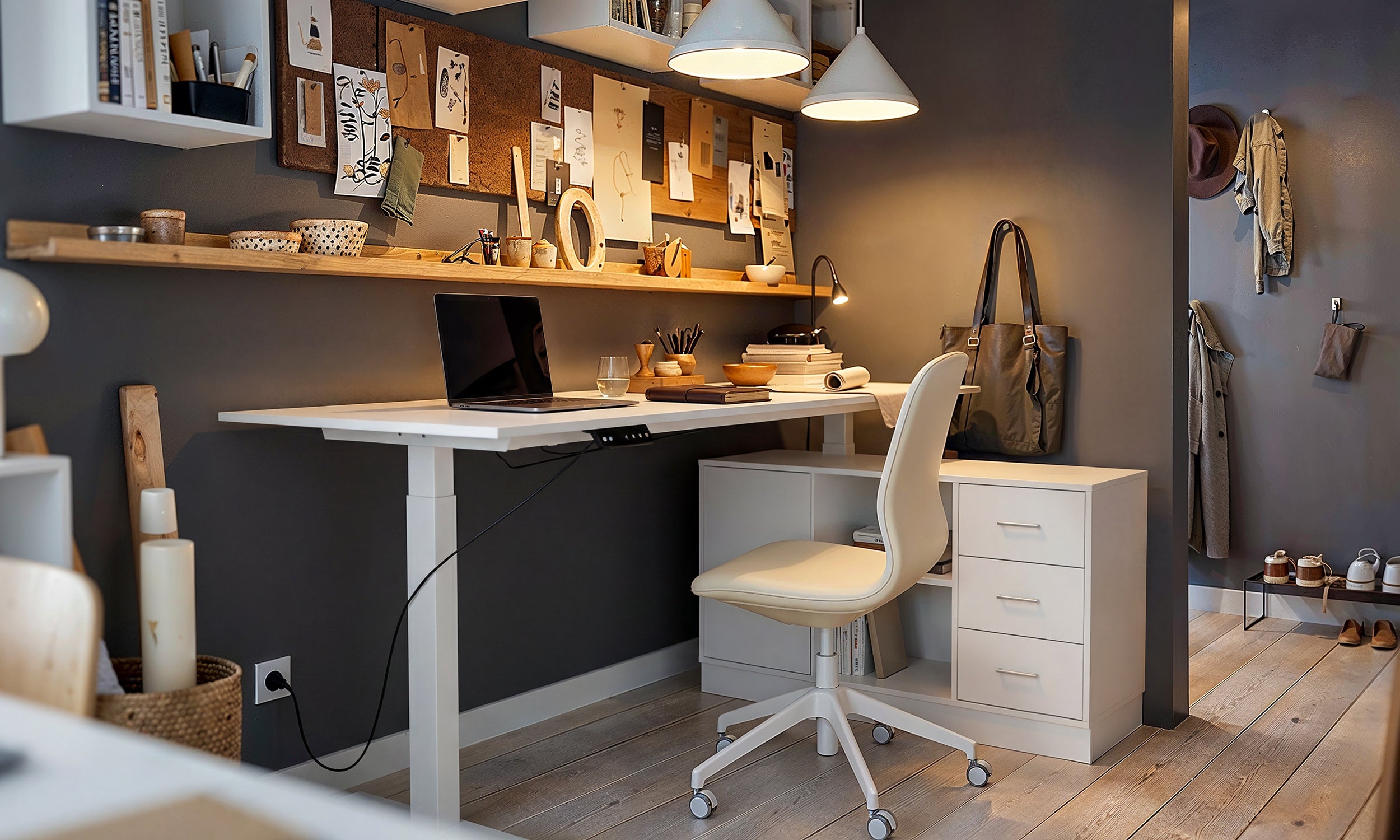
Pairing an open work surface with an adjacent sideboard or credenza creates a balanced hybrid layout. If your alternative setup lacks built-in drawers, dedicated corner storage formats, such as this computer desk product, illustrate how structural returns provide substantial filing and supply space without cluttering the main task top.
Power Access and Non-Invasive Cable Pass-Throughs
Non-office furniture rarely features pre-drilled grommets for power cords. Plan cable pathways along back aprons, use adhesive wire clips behind furniture legs, or select pieces with open-back compartments to keep charging cords neat and unobtrusive.
Mobile Pedestals and Auxiliary Drawers
When adapting minimalist tables or floating ledges, mobile storage carts with casters supply essential organization. You can roll them beneath the table during active work hours and park them inside a closet or corner when not in use.
Material Selection, Weight Stability, and Assembly Factors
Solid Wood vs. Engineered Timber Frames
Solid wood options provide substantial weight and structural rigidity, making them resilient choices for daily task loads. Engineered wood composites offer lightweight construction and uniform finishes, which simplify wall mounting and drop-leaf configurations.
Surface Finishes and Wear Resistance
Because dining tables and decorative consoles may not have commercial laminate coatings, consider using desk pads, blotters, or durable coasters. Protecting non-office finishes from warm laptop bases and daily friction preserves the furniture's appearance over time.
Assembly Demands and Structural Wall Mounting
Ensure any converted unit sits level on your flooring. For floating cabinets and fold-out secretary units, precise level alignment during assembly prevents uneven strain on hinges and mounting brackets. For additional planning advice before finalizing your setup, explore this computer desk guide covering common layout oversights.
Room-by-Room Layout Recommendations
Living Room and Entryway Transitional Workstations
Position slim consoles along unused wall runs or directly behind floating sofas. These placements maintain unobstructed walkways while turning underutilized zones into functional micro-offices.
Bedroom and Alcove Compact Study Zones
Take advantage of architectural recesses, closet niches, or bedroom corners. Installing a fold-down shelf or placing an armoire within a recessed alcove keeps resting spaces serene and separated from active project work.
Open-Plan Multi-Zone Integration
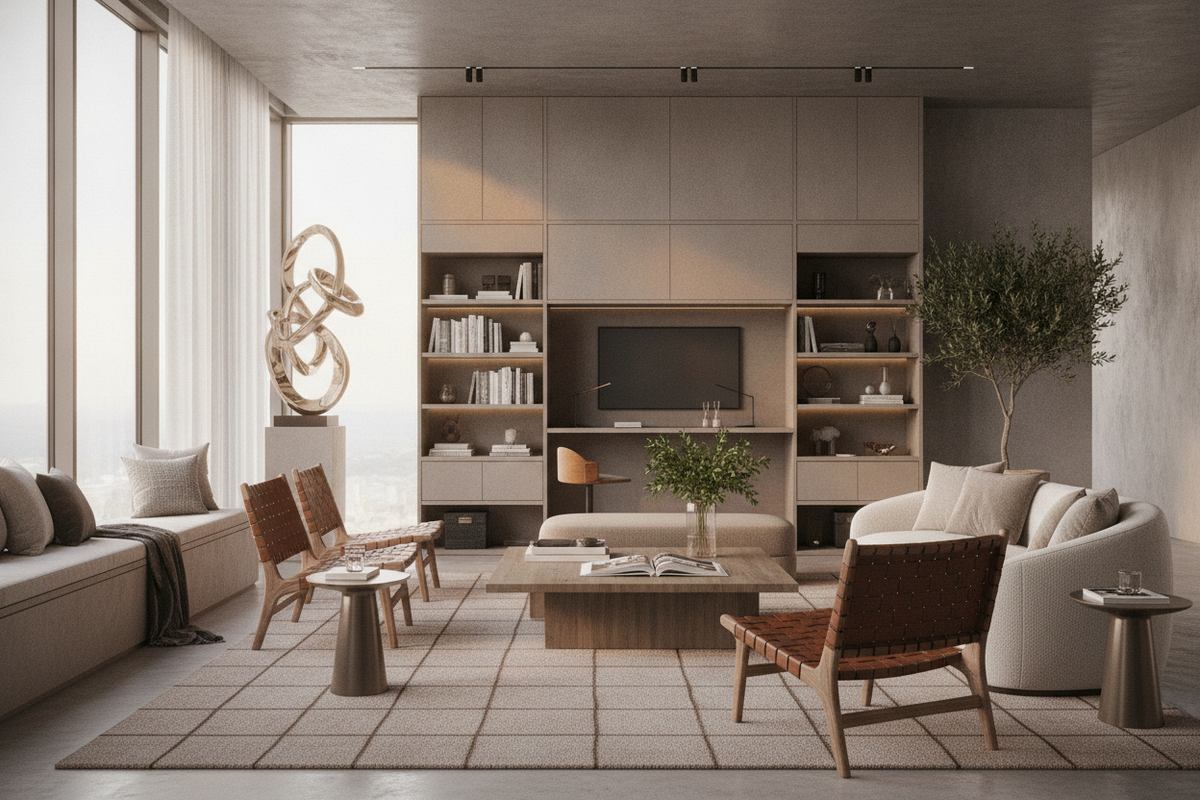
In large open floor plans, use a substantial hybrid dining table or a wide credenza as an anchoring element that separates living and dining zones, providing a shared hub for work, dining, and family organization.

Leave a comment
This site is protected by hCaptcha and the hCaptcha Privacy Policy and Terms of Service apply.