


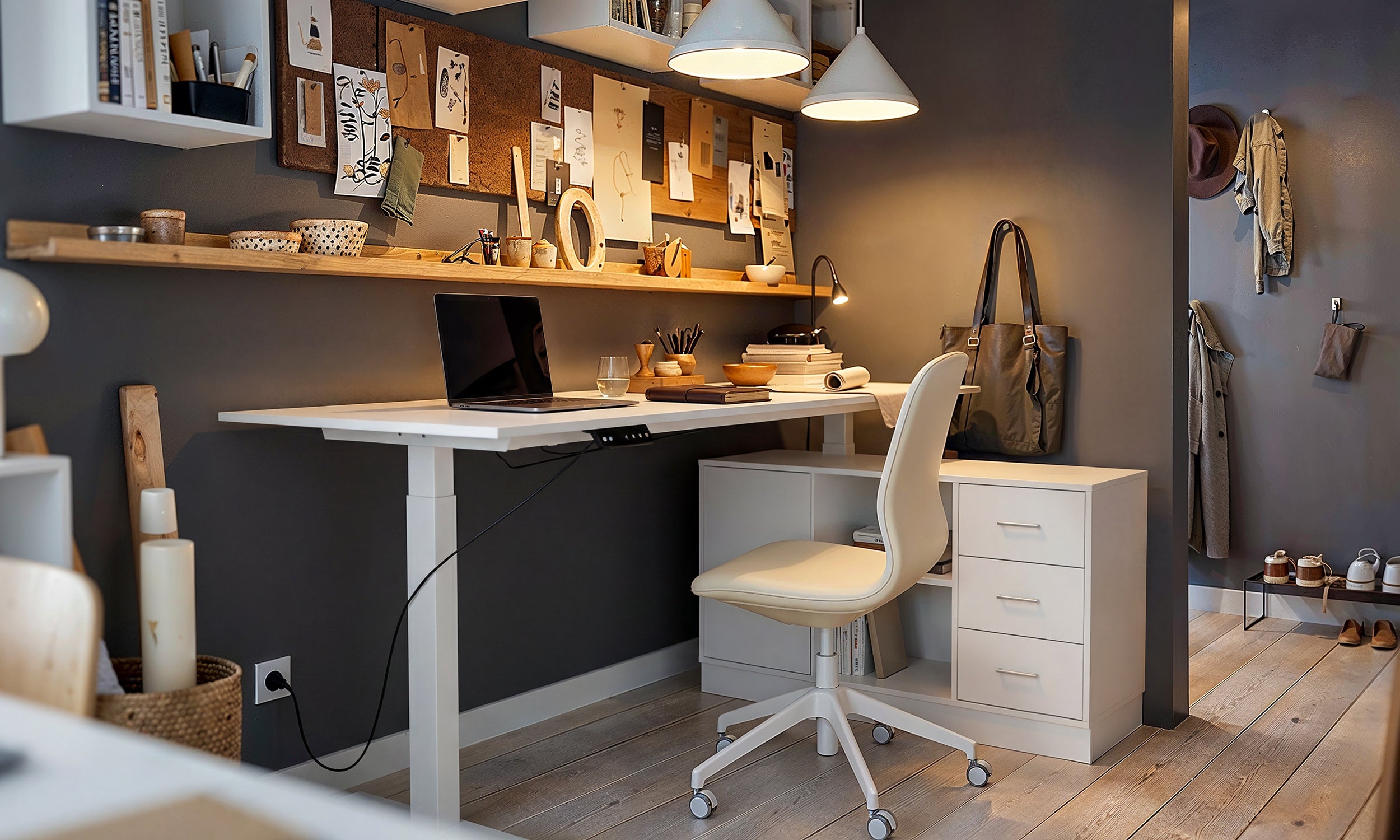
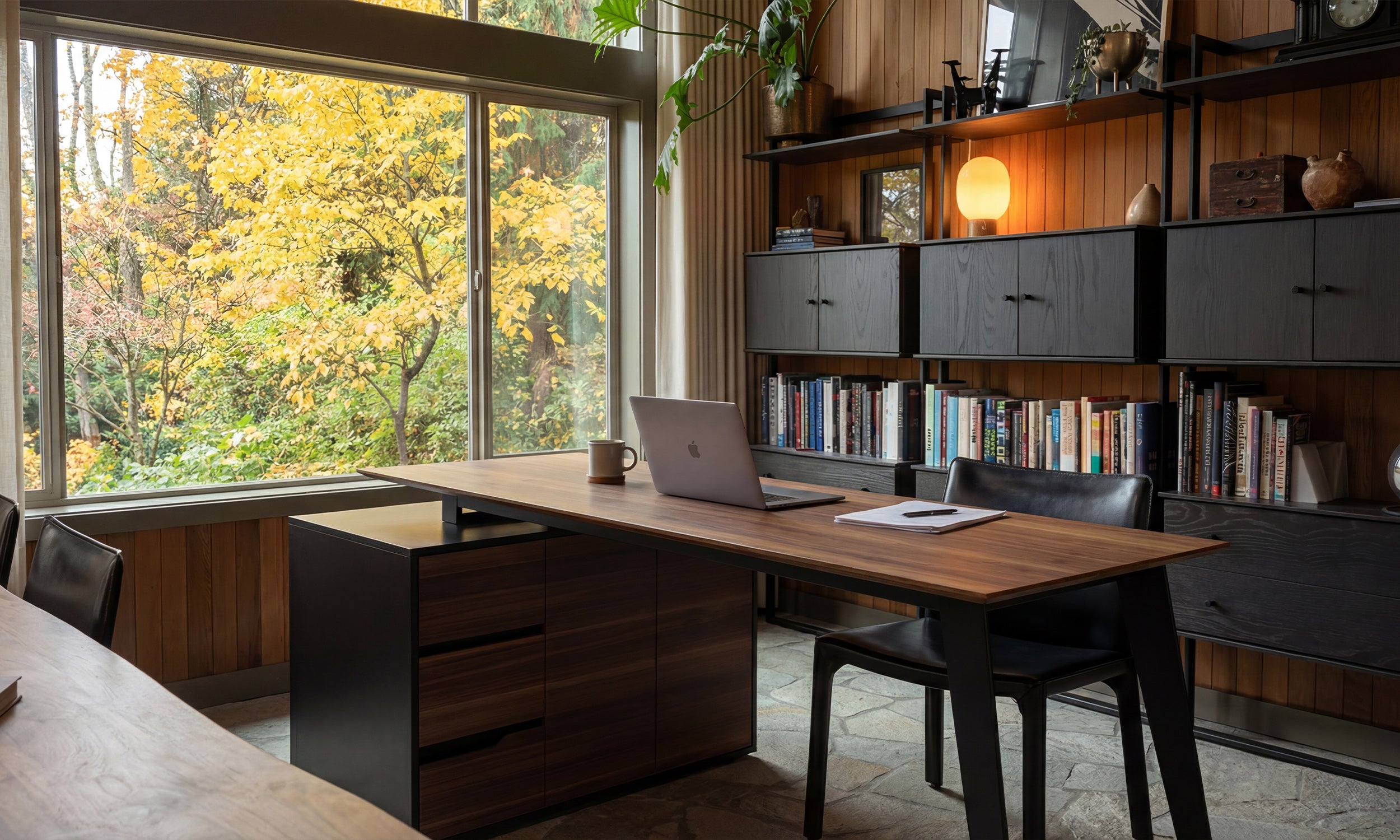


Creating an adaptable work environment does not always require replacing your existing furniture suite with a motorized workstation. For many home offices, multi-use rooms, and compact apartments, investing in a full-sized mechanical frame can introduce unnecessary bulk, clash with surrounding interior decor, or exceed practical spatial limits. Exploring thoughtfully designed standing desk alternatives allows you to introduce vertical posture variety into your workday while preserving valuable floor area and utilizing existing surfaces.
Whether your goal is to reduce desktop clutter, maintain architectural continuity across living zones, or simply test an upright working routine before committing to dedicated furniture, there are diverse practical solutions available. By assessing physical room dimensions, structural stability, and modular organization, you can assemble an upright workspace that balances aesthetic warmth with everyday utility.
Understanding Standing Desk Alternatives: Why Look Beyond Full Motorized Frames?
Full motorized desks provide push-button convenience, but they also require dedicated floor clearance, nearby power outlets, and a visual aesthetic that often leans utilitarian or industrial. In historic homes, compact urban apartments, or curated living rooms, a massive four-legged electric frame can dominate the room and disrupt existing interior styling. When considering designing a standing desk setup that actually looks good, homeowners often find that adapting current cabinetry or selecting low-profile conversion units yields a more cohesive look.
Budget and spatial permanence are equally influential. Traditional sit-stand frames replace your current desk entirely, leaving you with the task of re-housing or selling existing credenzas, writing tables, or built-in nooks. In contrast, choosing an effective standing desk alternative lets you build around heritage furniture, solid wood writing desks, or architectural alcoves without permanent structural alterations.
Core Formats: Comparing Popular Alternatives to Standing Desk Setups
Selecting the right setup depends on your available floor footprint, daily technology load, and how frequently you transition between seated and upright postures. Exploring different functional categories helps identify which format fits your workflow.
Desktop Risers and Platform Converters
Desktop risers sit directly atop a standard-height writing desk or console table, elevating your keyboard, mouse, and display through manual scissor mechanisms, gas-strut levers, or slotted tiered panels. Because they rest on an existing flat surface, converters eliminate the need to purchase entirely new base furniture. When selecting a converter, consider the baseline depth of your foundation desk to ensure the riser sits securely without overhang or tipping hazards during height adjustments.
High-Top Credenzas, Islands, and Counter Surfaces
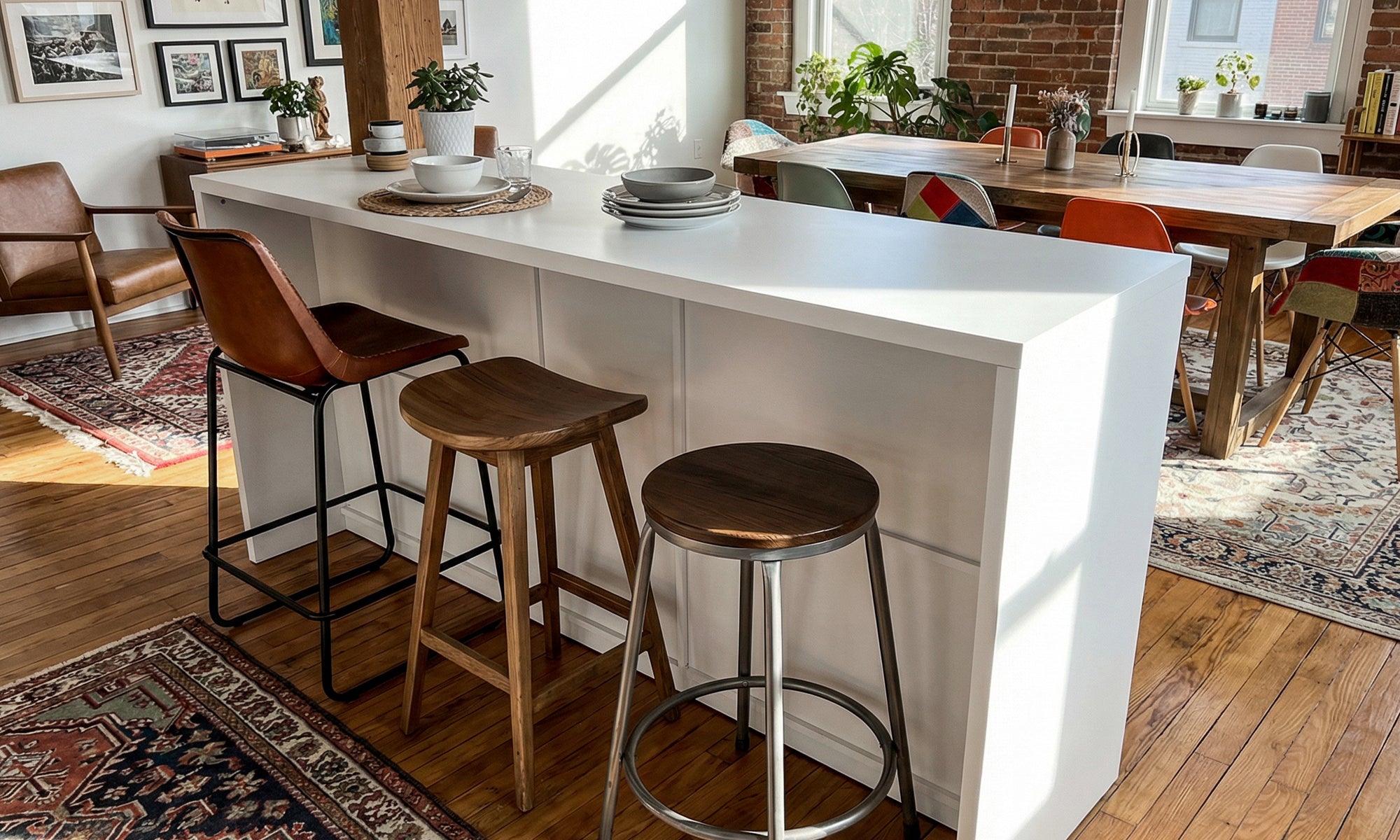
One of the most seamless alternatives to standing desk purchases is utilizing existing architectural features. Counter-height kitchen islands, bar-height dining consoles, and tall entryway credenzas can serve as natural perches for focused laptop work. These surfaces provide immediate structural rigidity and broad surface areas. Pairing a tall storage credenza with an adjustable perch stool creates a dual-purpose station that stores office supplies while functioning as an informal standing zone.
Wall-Mounted Drop-Leaf Ledges and Floating Shelves
For micro-apartments, narrow hallways, or bedrooms where floor space must remain open, wall-mounted folding ledges offer an efficient footprint. Anchored directly into wall studs at your standing elbow height, a drop-leaf surface folds flat against the wall when the workday ends. Floating desks keep floor lines uninterrupted, making small rooms appear visually larger while providing a stable, dedicated station for laptops, notebooks, and compact task lighting.
Dimensional Planning and Room Ergonomics for Alternative Setups
Adapting non-traditional surfaces for upright work requires mindful planning around user proportions and reach zones. Because static alternatives lack motorized micro-adjustments, setting up proper baseline dimensions ensures long-term comfort during extended working sessions.
When planning your layout, keep these spatial factors in mind:
- Elbow Alignment and Working Surface: Position your primary typing surface approximately at resting elbow height, allowing forearms to rest parallel to the floor without hunching shoulders.
- Eye-Level Display Positioning: Elevate monitor screens so the upper portion of the display aligns with your direct line of sight, reducing downward neck tilt. Dedicated monitor arms or secondary risers help bridge the gap between keyboard and screen levels.
- Perimeter Movement Clearance: Ensure adequate clearance behind the standing station so you can shift your stance, step back, or introduce an active anti-fatigue mat without obstructing room traffic.
- Cable Management Pathways: Route power cables along table legs or wall runners using clips and raceways, keeping power bricks elevated off the floor and away from foot traffic.
For deeper insight into spatial arrangements and lighting placement, review our guide on how to elevate your space designer ideas for standing desk layouts to achieve functional harmony throughout your home.
Storage Solutions: Maintaining Workspace Organization Without Built-in Drawers
A primary limitation of minimal standing converters and wall-hung ledges is the absence of integrated drawer banks. Standard executive desks feature deep pedestals for documents and hardware, whereas standing platforms prioritize open surface space. Integrating modular storage nearby preserves a clean, uncluttered work surface.
Mobile filing pedestals on casters roll easily beneath existing desks or tuck beside credenzas, keeping files and chargers accessible yet concealed. Tall vertical shelving units placed adjacent to your standing perch provide display space for reference books, decorative planters, and ambient lighting, transforming a simple standing ledge into a complete workstation zone. Cable organizer boxes, desktop pencil trays, and under-shelf baskets further prevent cords and accessories from gathering on elevated platforms.
Decision Matrix: When to Keep an Alternative vs. Upgrading to a Dedicated Desk
While an alternative setup provides immediate flexibility and cost savings, long-term working demands may eventually call for an expansive, dedicated sit-stand solution. Assessing your daily usage patterns helps determine whether an alternative remains sufficient or if a permanent adjustable desk is the logical next step.
An alternative setup is ideal if you:
- Work on a single lightweight laptop or tablet rather than multiple heavy screens.
- Stand for short intervals throughout the day rather than multi-hour continuous blocks.
- Share your primary workspace with dining, entertaining, or living room activities.
- Prefer to preserve existing heirloom furniture and architectural built-ins.
Conversely, upgrading to a full height-adjustable workstation becomes advantageous if you require multiple monitors, extensive peripheral hardware, or frequent one-touch height transitions throughout full workdays. In those scenarios, exploring solutions like the standing desk product or the expansive 71 w height adjustable standing desk provides stable, whole-surface height adjustment with integrated cable pathways.
For users managing creative workstations, oversized drafting materials, or complex desktop hardware suites, a generous surface such as the super sized standing desk with electric lift 63x31 5pc desktop ensures ample real estate for screens, documents, and organizers alike.
By thoughtfully matching your work habits to the right format—whether a compact desktop riser, an architectural credenza, or a full adjustable workstation—you can cultivate an organized, comfortable, and aesthetically pleasing home office tailored to your lifestyle.


Leave a comment
This site is protected by hCaptcha and the hCaptcha Privacy Policy and Terms of Service apply.