










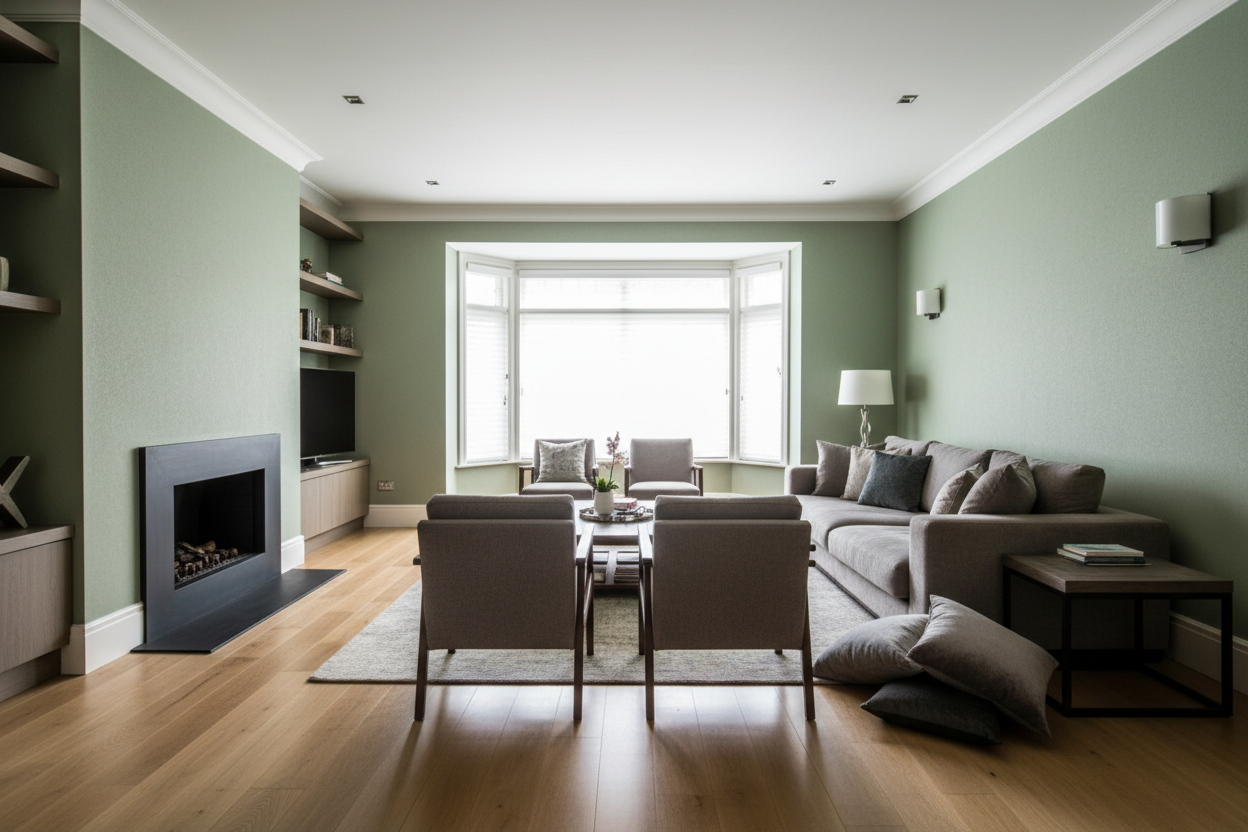
We have all walked into a space that feels slightly off, even if the furniture itself is beautiful. Usually, the culprit is scale. Selecting the right couch for room layouts is about more than just picking a color you love; it is an exercise in spatial mathematics and ergonomic function. As a designer, I see homeowners frequently prioritize aesthetic trends over the architectural reality of their living space. This guide will walk you through the technical and stylistic decisions required to secure a piece that anchors your home without overwhelming it.
Key Features to Look For
Before you swipe your card, check these critical specifications to ensure longevity and fit:
- Frame Construction: Look for kiln-dried hardwood frames rather than particleboard to prevent warping over time.
- Suspension System: Eight-way hand-tied springs offer the gold standard for support, while high-gauge sinuous springs are a reliable runner-up.
- Fabric Durability: Check the "rub count" (Martindale test). For family rooms, aim for 25,000+ rubs.
- Scale & Proportion: The sofa should occupy roughly two-thirds of the wall it sits against to maintain visual balance.
Mastering Spatial Planning and Flow
When integrating room couches, the flow of traffic is paramount. A common error is pushing furniture flush against the walls, creating a "waiting room" effect. Instead, float the piece. If your square footage allows, pulling the sofa 12 to 18 inches away from the wall creates a shadow line that makes the room feel airier.
Consider the silhouette. In a space with low ceilings, a low-profile, track-arm sofa preserves the vertical sightlines, making the ceiling appear higher. Conversely, a couch for your room with high ceilings requires a high back or significant visual weight to avoid looking like dollhouse furniture.
Materiality: Beyond the Swatch
Choosing a sofa for room longevity requires understanding how materials age. While velvet offers a luxurious, light-reflective sheen that adds depth, it is prone to "crushing" or pressure marks. If you desire a lived-in aesthetic, a linen blend is sophisticated, but be prepared for the inevitable wrinkles—what we in the industry call "patina."
For high-traffic areas, performance fabrics (Crypton or Sunbrella) have evolved significantly. They no longer feel like plastic outdoor furniture; they now mimic the hand-feel of natural cotton or wool while resisting stains.
Ergonomics and Seat Depth
A beautiful sofa is useless if it is uncomfortable. Standard seat depth is around 21 to 24 inches. If you are taller or prefer lounging, a deep-seated sofa (25+ inches) is ideal. However, for a formal sitting room where conversation is the focus, a shallower seat encourages upright posture. Always consider the cushion fill as well; down-wrapped foam offers a structured look with a soft initial sit, whereas 100% down requires daily fluffing to avoid looking sloppy.
My Personal Take on Couch for Room Selection
I learned a hard lesson early in my career regarding "diagonal depth." I once specified a stunning, single-bench cushion sofa for a client's third-floor walk-up apartment. We measured the hallway width and the door height, but we failed to account for the tight pivot required at the top of the stairwell.
The sofa physically fit the room, but it couldn't get to the room. We ended up having to hire a specialist hoisting service to bring it in through the balcony window, which ate into the entire accessory budget. Now, I always tell clients: measure your elevator, your stairwell corners, and the clearance of your entryway door handle. Also, a specific detail on ownership: if you choose a single-bench cushion (one long cushion), be aware that if one person sits in the same spot every day, that area will depress faster, and you cannot rotate it like you can with individual cushions. It’s a sleek look, but it requires conscious maintenance.
Conclusion
The right seating is an investment in your daily comfort. By balancing technical construction with visual proportion, you ensure your purchase serves your home for years. Measure twice, check the frame, and trust your instincts on comfort.
Frequently Asked Questions
How much space should be between the coffee table and the couch?
Aim for 14 to 18 inches of clearance. This is enough legroom to sit comfortably but close enough to set down a drink without leaning forward awkwardly.
What is the best color for a versatile room sofa?
Neutrals like greige, charcoal, or navy are the safest anchors. They allow you to change the room's palette cheaply through throw pillows and rugs rather than reupholstering the furniture.
How do I know if a couch is too big for my room?
If the couch blocks traffic paths (you have to turn sideways to walk past it) or if it touches other furniture pieces, it is too large. Ensure there is at least 30 inches of walking space around the main traffic areas.


Leave a comment
This site is protected by hCaptcha and the hCaptcha Privacy Policy and Terms of Service apply.